




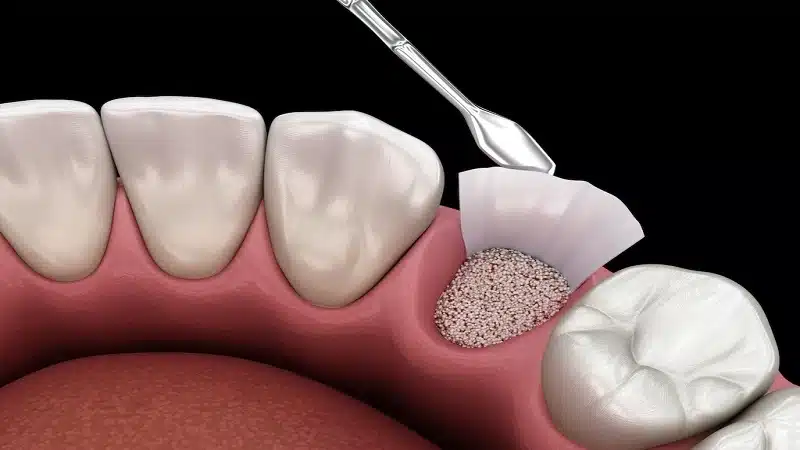
You may have been told you aren’t a good candidate for dental implants, which can feel incredibly discouraging. Often, the reason behind this is a lack of sufficient jawbone density. This is a common issue, especially if you’ve had a missing tooth for a while. But it doesn’t have to be the end of the road for your smile. A bone graft is a straightforward procedure designed to solve this exact problem by rebuilding the bone where it has been lost. Our expert team uses advanced techniques for bone grafting in Cherry Creek to create the ideal foundation, opening the door to successful, long-lasting dental implants.
Why a Strong Jawbone is the Foundation of Your Smile
A healthy, functional, and confident smile starts with a strong jawbone foundation. At Dental & Implant Centers of Colorado, we specialize in bone grafting procedures that restore lost bone tissue, ensuring optimal support for dental implants in Cherry Creek and long-term oral health. Bone grafting is essential for individuals who have experienced bone loss due to trauma, periodontal disease, or prolonged tooth loss. Using advanced techniques, Dr. Dhawan and our expert team provide personalized care to restore your jaw’s structure and functionality.
What is a Dental Bone Graft?
Bone grafting is a surgical procedure where bone tissue is added to areas of the jaw that have experienced deterioration. This treatment is crucial for maintaining facial structure, stabilizing teeth, and creating a strong foundation for dental implants. Bone grafting is commonly performed for patients with:
- Tooth Loss: When teeth are missing for an extended period, the jawbone deteriorates due to lack of stimulation from chewing.
- Gum Disease: Advanced periodontal disease can cause bone loss, affecting the stability of surrounding teeth.
- Trauma or Injury: Accidents or injuries may damage the jawbone, leading to long-term bone deterioration.
- Infections or Cysts: Certain dental infections can weaken and destroy surrounding bone tissue.
Bone grafting provides an opportunity to rebuild and regenerate lost bone, making it possible to restore both function and aesthetics. 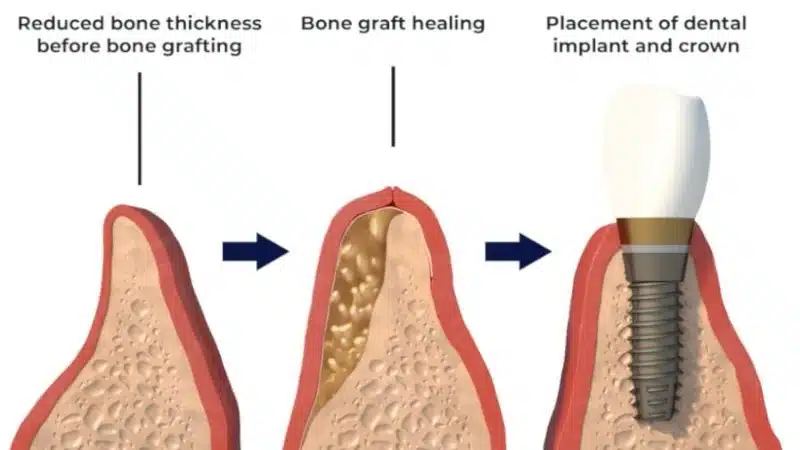
The Sinus Lift: A Common Grafting Procedure
If you’re considering dental implants for your upper back teeth, you might hear your dentist mention a “sinus lift.” Also known as a sinus augmentation, this is a very common type of bone grafting procedure specifically for that area of your mouth. It becomes necessary when there isn’t enough bone height in the upper jaw to securely place an implant. This often happens after you’ve lost molars, as the bone can shrink over time and the sinus cavity above it can expand downward, leaving a thin wall of bone that isn’t strong enough to support an implant on its own.
The procedure itself sounds more complex than it is. Our specialists carefully lift the thin membrane lining your sinus and place bone grafting material into the space created. This new bone material acts as a scaffold, encouraging your body to grow new, strong bone. The ultimate goal is to build a solid foundation in your upper jaw, ensuring your future dental implants have the support they need to last a lifetime. It’s a crucial step that makes a successful, long-term restoration possible for many of our patients.
Do You Need a Bone Graft for Dental Implants?
Dental implants are widely recognized as the best solution for tooth replacement due to their durability, natural appearance, and long-term success. However, for implants to integrate successfully, there must be enough bone to support them. Without sufficient bone volume and density, implants may become unstable, fail to integrate properly, or lead to facial collapse, creating an aged appearance. Bone grafting plays a crucial role in providing the necessary support, ensuring the longevity and success of dental implants.
What to Expect: The Bone Grafting Process Step-by-Step
Step 1: Your Personal Consultation and Exam
The process begins with a comprehensive evaluation. Dr. Dhawan will review your oral health, take X-rays, and use 3D imaging to assess the extent of bone loss. This step is crucial in determining the most suitable grafting approach for your needs.
Step 2: Finding the Right Graft Material
There are different types of bone graft materials available, including:
- Autografts: Bone is harvested from the patient’s own body, such as the chin or hip.
- Allografts: Donor bone is used, providing a reliable alternative to self-harvested bone.
- Xenografts: Bone from animal sources, such as bovine bone, is used to stimulate new bone growth.
- Alloplasts: Synthetic materials designed to encourage bone regeneration.
Step 3: The Day of Your Procedure
Once the appropriate graft material is selected, the surgical procedure begins. The graft is placed into the area of bone loss, and in some cases, a protective membrane is added to enhance healing. The surgery is typically performed under local anesthesia or sedation for patient comfort.
Step 4: Healing and Building New Bone
After the procedure, the healing process begins. Over the next few months, the graft integrates with the natural bone, strengthening the jaw for future dental implants. Regular follow-up appointments are essential to monitor progress and ensure successful integration.
The Osseointegration Timeline
Following your bone grafting procedure, your body starts an incredible healing process called osseointegration. This is the technical term for when the new bone material fuses directly with your natural jawbone, creating one solid, unified structure. You can think of it like building a strong foundation for a house—it has to be completely solid before you can build anything on top of it. This integration is absolutely essential for the long-term success of a dental implant. Without a fully healed and integrated jawbone, an implant simply won’t have the support it needs to function correctly and last for years, which is why our team carefully oversees this critical healing stage.
The big question is always, “How long will this take?” The timeline for osseointegration isn’t the same for everyone; it can range from a few months up to a year in some cases. The exact duration depends on several key factors, including the location of the graft, the amount of bone that was needed, and your body’s unique healing response. Your overall health and lifestyle habits also play a significant role in the speed of your recovery. During your initial consultation, Dr. Dhawan will provide a personalized timeline based on your specific situation. Patience is truly your best friend during this period, as giving your jaw the time it needs to heal completely is the surest way to achieve a predictable and successful outcome.
Throughout the healing period, you won’t be on your own. We’ll schedule regular follow-up appointments to monitor your progress with advanced imaging, ensuring the new bone is integrating just as it should. This careful oversight is a non-negotiable part of our process because it allows us to confirm that your jaw is ready for the next step. The entire goal of bone grafting and osseointegration is to prepare your jaw to successfully support dental implants, which are considered the best solution for replacing missing teeth. By confirming the bone is strong and fully healed, we set the stage for a stable, long-lasting restoration that allows you to eat, speak, and smile with complete confidence.
Tips for a Smooth Recovery and Aftercare
Recovery time varies depending on the extent of the procedure and the patient’s overall health. Mild swelling, discomfort, and bruising are common, but pain management medications and antibiotics may be prescribed to aid recovery. Patients are advised to follow a soft food diet for a few days and avoid smoking, as it can negatively impact healing. Proper aftercare, including maintaining good oral hygiene and following Dr. Dhawan’s instructions, is crucial for achieving optimal results.
Crucial Post-Surgery Precautions
Taking care of yourself after a bone grafting procedure is the most important thing you can do to ensure a great result. Think of it as protecting your investment in your future smile! A smooth recovery sets the stage for successful healing and prepares your jaw for strong, stable dental implants. To help you heal comfortably and effectively, here are a few key precautions to follow.
- Manage Pain and Swelling: It’s totally normal to have some mild swelling and discomfort after your surgery. Using ice packs on your cheek for the first day or two can make a big difference. We’ll also provide you with any necessary pain medication to keep you comfortable. Following up with our team is key, as it allows us to monitor your progress and make sure everything is healing just as it should.
- Adjust Your Diet: For the first few days, stick to a soft food diet. Think smoothies, yogurt, mashed potatoes, and soup. This gives the surgical site a chance to heal without any extra pressure. You’ll want to avoid anything hard, crunchy, or spicy until you get the green light from Dr. Dhawan.
- Keep It Clean (Gently!): Good oral hygiene is vital for preventing infection, but you need to be gentle. We often recommend rinsing your mouth with a warm salt water solution to keep the area clean without disturbing the graft. We’ll give you specific instructions tailored to your procedure.
- Avoid Certain Activities: Smoking and drinking alcohol can seriously slow down the healing process, so it’s best to avoid them completely. Also, try to avoid any activities that create pressure in your mouth or sinuses, like forceful nose-blowing, sneezing with your mouth closed, or drinking through a straw for a few weeks.
- Watch for Complications: Pay attention to how you’re feeling. If you notice any unusual signs like worsening swelling, a bad taste in your mouth, or a fever, it’s important to contact our office right away. We’re here to support you, and it’s always better to be safe and get things checked out.
Success Rates and Potential Risks
How Successful Are Bone Grafts?
Bone grafting is a highly predictable and successful procedure, especially when you’re in the right hands. It’s a foundational step that makes long-term solutions like dental implants possible for so many people who have experienced bone loss. The procedure’s success lies in its ability to regenerate bone, creating the stable base needed for an implant to thrive for years to come. This not only secures the implant but also improves your ability to chew and speak with confidence and can even restore your natural facial profile. The key to this high success rate is twofold: the expertise of the surgical team and your commitment to following post-operative care instructions. A skilled specialist, like the experts on our team, ensures the procedure is done correctly from the start.
Potential Complications to Be Aware Of
Like any surgical procedure, bone grafting does come with a few potential risks, though they are uncommon when managed by an experienced professional. The most frequent concern is infection at the surgical site, which can typically be prevented and treated with antibiotics and proper hygiene. In some cases, the body may not fully accept the graft material, leading to inflammation or graft failure. Another possibility is graft resorption, where the new bone gradually shrinks over time, which could affect the support for a future implant. For specific procedures like a sinus lift, there’s a small risk of a tear in the sinus membrane. Discussing these possibilities with your dentist ensures you go into the procedure fully informed and confident in the care you’ll receive.
Understanding the Cost of Bone Grafting
Let’s talk about one of the biggest questions on everyone’s mind: what does a bone graft cost? The truth is, there isn’t a single price tag. The final cost is unique to your specific situation, much like the treatment plan itself. Several key elements influence the price, including the type of graft material used and the amount of bone needed to create a solid foundation for your future smile. The complexity of the surgery also plays a significant role; a simple procedure following a tooth extraction will differ in cost from a more involved one preparing for full mouth implants. Finally, the experience of your dental surgeon is a factor, as you’re investing in their skill and expertise to ensure the best possible outcome.
Factors That Determine the Price
Figuring out insurance can feel overwhelming, but here’s some good news: many dental plans do offer coverage for bone grafts. Insurers often consider the procedure medically necessary, especially when it’s a required step for getting a dental implant or after a tooth extraction. Of course, every plan is different, and some may require pre-approval before the procedure. For example, some major providers may cover between 50% and 80% of the cost after you’ve met your deductible. The best first step is to call your insurance company directly. Our team is also here to help you understand your benefits and explore all your financing and insurance options to make your care affordable.
Navigating Dental Insurance Coverage
If you have a Health Savings Account (HSA) or a Flexible Spending Account (FSA) through your employer, don’t forget about them! These accounts are fantastic tools for covering your out-of-pocket dental expenses, including the portion of a bone graft that insurance doesn’t cover. The main advantage is that you’re using pre-tax money, which can effectively give you a discount of 20% to 30% on your costs, depending on your tax bracket. It’s a smart way to make essential dental procedures more manageable for your budget.
Is Bone Grafting Right for You?
Bone grafting is more than just a preparatory procedure for dental implants—it’s a life-changing treatment that restores oral health, functionality, and confidence. If you have experienced bone loss, do not let it prevent you from achieving a healthy and beautiful smile. Dr. Dhawan and our expert team are here to help you explore your treatment options and create a personalized plan for restoring your jawbone.
Is It Ever Too Late for a Bone Graft?
This is a question we hear often, and the answer is almost always a reassuring one: it is rarely too late for a bone graft. Thanks to incredible advancements in dental technology, our team can restore jawbone structure even if significant time has passed since tooth loss. While waiting longer can sometimes make the procedure more complex, it doesn’t typically close the door on your options. The key is to address the issue as soon as you’re ready. The first step is a thorough evaluation where we can see exactly what’s going on and create a plan tailored for you. Our expert team is here to help you understand the possibilities for rebuilding your smile, no matter how long you’ve been waiting.
Are There Alternatives to Bone Grafting?
While bone grafting is the most reliable way to create a strong foundation for dental implants, some alternatives may be suitable in specific situations. For instance, shorter dental implants or mini-implants can sometimes be placed in areas with moderate bone loss, avoiding the need for a graft. However, these options aren’t right for everyone and may not offer the same long-term stability as traditional implants supported by a healthy jawbone. The best approach truly depends on your unique anatomy and goals. During your consultation, we will explore all viable dental services and help you decide on the treatment that will give you the most durable, functional, and confident smile.
Schedule Your Bone Grafting Consultation in Cherry Creek
Don’t let bone loss stand in the way of your oral health and quality of life. Our team at Dental & Implant Centers of Colorado is dedicated to providing exceptional care and advanced solutions to help you regain a strong and healthy jawbone. Contact us today at one of our three locations to schedule a consultation with Dr. Dhawan and take the first step toward restoring your smile with bone grafting and dental implants.
Frequently Asked Questions
Does getting a dental bone graft hurt? This is easily the most common question we hear, and it’s completely understandable to be concerned about comfort. The procedure itself is not painful because we use local anesthesia or sedation to ensure you are completely comfortable. Afterward, it’s normal to experience some mild soreness and swelling for a few days, similar to other dental procedures. We’ll make sure you have everything you need to manage this, so it feels more like a manageable discomfort rather than sharp pain.
Where does the bone for the graft actually come from? The material used for a bone graft is fascinating. It acts as a safe, sterile scaffold that encourages your own body to build new bone. This material can come from a few different sources. Sometimes it’s processed bone from a human donor, other times it’s a mineral-based material from an animal source, or it can even be a synthetic material created in a lab. Dr. Dhawan will choose the best type for your specific needs, and all of them are highly effective at helping your jaw regenerate.
How long after a bone graft can I get my dental implant? Patience is key during this stage, as we need to give your body time to build a strong foundation. The healing process, where the graft integrates with your jaw, typically takes anywhere from a few months to a year. The exact timeline depends on how much bone was needed and your body’s individual healing response. During your follow-up visits, we’ll monitor your progress closely to determine the perfect time to place your implant for long-term success.
Will I have to go without a tooth while the graft heals? You don’t have to worry about having a visible gap in your smile while you heal. Depending on the location of the tooth, we can often create a temporary, removable tooth called a “flipper” or another type of temporary restoration. This ensures your smile looks complete while the important healing work is happening underneath. We’ll discuss the best temporary option for you during your consultation.
Is a bone graft my only option if I want dental implants? For most people with significant bone loss, a bone graft is the most reliable way to ensure a dental implant will be stable and last for a lifetime. While some alternatives like shorter implants exist, they are only suitable for very specific situations. The best way to know for sure is to have a full evaluation. We can assess your jawbone with 3D imaging and discuss every possible path to restoring your smile.
Key Takeaways
- Bone Grafting Makes Implants Possible: This procedure directly addresses jawbone loss by rebuilding the necessary foundation to securely support dental implants, even if you’ve been told you weren’t a candidate in the past.
- Your Aftercare Is Key to Success: The healing period is when the new bone integrates with your jaw. Following your dentist’s instructions—like adjusting your diet and keeping the area clean—is the most crucial step you can take to ensure a successful outcome.
- It’s a Standard and Predictable Solution: Bone grafting is a common and highly successful procedure that prepares your jaw for the long-term stability of dental implants, ensuring your new smile is built on a solid foundation.
