




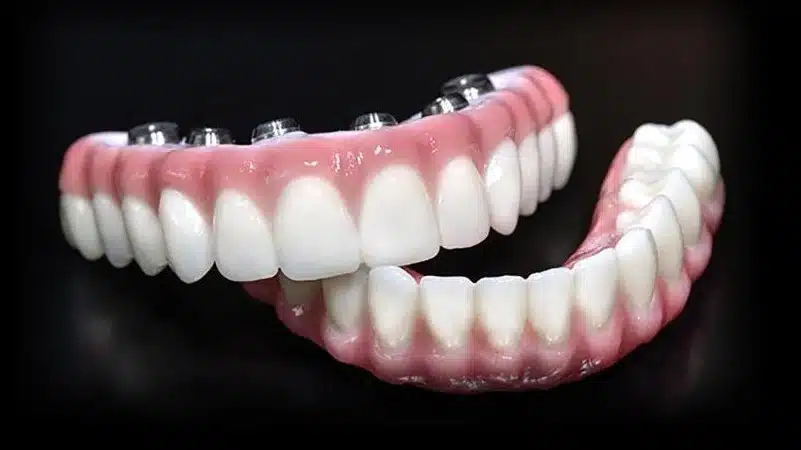
One of the trickiest parts of researching dental implants is that there’s no universal price tag. That’s because your smile is completely unique to you. A successful implant procedure depends on a personalized treatment plan tailored to your specific oral health, bone density, and aesthetic goals. This is why a simple online search can’t give you a definitive answer. To truly understand the cost of dental implants, you need to know what factors go into building that custom plan. Here, we’ll walk you through the key variables, from bone grafts to material choices, that shape your final estimate.
What’s the Real Cost of Dental Implants?
One of the most common concerns for patients considering dental implants is the cost. The price of dental implants can vary significantly based on several factors. On average, the cost ranges from $2,999 to over $30,000, depending on the complexity of the treatment. While dental implants may seem like a significant investment, they provide long-term benefits such as improved oral function, enhanced aesthetics, and increased durability compared to other tooth replacement options.
What Affects the Price of Dental Implants?
The total cost of dental implants depends on several key factors, including:
- The number of implants needed: A single dental implant costs less than multiple implants or a full-mouth restoration.
- Bone health and additional procedures: Patients with bone loss may require bone grafting, which increases the overall cost.
- Type of prosthetic teeth: The material and customization of crowns, bridges, or dentures affect pricing.
- Case complexity: Simple cases cost less, while complex treatments requiring extractions or preparatory procedures cost more.
- Technology and expertise: Highly experienced implant specialists and advanced technology may increase the cost but improve long-term success rates.
Geographic Location
It might surprise you, but where you live can significantly influence the price of dental work. The cost of living, local market competition, and overhead for a dental practice all vary by region. For instance, getting a dental implant in a major coastal city like New York or Los Angeles often costs more than in other parts of the country. Here in Colorado, our local economy also shapes the pricing for dental procedures. The best way to get a clear picture of what you can expect to pay is to consult with a local specialist. At Dental & Implant Centers of Colorado, we believe in transparency and will walk you through all the costs associated with your treatment plan. We also offer flexible financing and insurance options to make your care more accessible.
Implant Materials
The materials used to create your implant and crown also play a major role in the final cost. The most common material for the implant post—the part that acts as the tooth root—is titanium. It’s a biocompatible metal that has been trusted for decades and is generally the more affordable option. A premium, metal-free alternative is zirconia, which is a type of ceramic known for its tooth-like color and excellent strength, though it typically comes with a higher price tag. The material for the visible crown on top of the implant will also affect the price. During your consultation, our team will explain the pros and cons of each material to help you choose the best dental implants for your health needs and budget.
Breaking Down the Cost of a Dental Implant
The cost of dental implants typically falls within the following ranges:
- Single dental implant: $2,999 – $5,000
- Multiple dental implants: $6,000 – $15,000
- Full-mouth restoration: $15,000 – $30,000
These estimates include the implant placement, abutment, and custom crown. However, some providers may not include additional necessary procedures such as extractions, bone grafts, or sinus lifts in their initial quotes.
The Implant, Abutment, and Crown
When you get a quote for a dental implant, it’s helpful to know what you’re paying for. The total cost typically covers three main parts: the implant itself (a titanium post that acts as the tooth root), the abutment (a connector piece), and the crown (the new, visible tooth). Some dental offices bundle these into one price, while others list them separately. According to CareCredit, the implant post alone can average around $2,143, with the crown adding another $488 to $3,254. Another source finds the average cost for all three components is about $4,159 per tooth. This variation is why it’s so important to get a detailed breakdown from your provider. Understanding these components helps you compare quotes accurately and see exactly where your investment is going when you pursue dental implants.
Additional Procedures
Sometimes, your mouth needs a little prep work before an implant can be placed, and these extra steps can affect the final cost. For a dental implant to be successful, it needs a strong foundation in your jawbone. If you’ve experienced bone loss, a bone graft might be necessary to build the area back up. This procedure alone can add anywhere from $300 to $3,000 to your total. Other common preparatory treatments include tooth extractions or a sinus lift, which creates more space for implants in the upper jaw. These factors are unique to your individual health needs. A comprehensive consultation and treatment plan will outline any required preparatory services, ensuring you have a clear picture of the entire process and associated costs from the start.
Are Dental Implants a Good Investment?
Although dental implants require a higher initial investment compared to other tooth replacement options like dentures or bridges, they offer significant long-term benefits, including:
- Durability: Implants can last a lifetime with proper care, making them a cost-effective solution.
- Bone preservation: Unlike traditional dentures, implants prevent bone loss and maintain jawbone structure.
- Natural look and feel: Implants closely mimic natural teeth in both appearance and function.
- Improved oral health: Dental implants do not require modifications to adjacent healthy teeth, unlike dental bridges.
Longevity and Durability
When you think about the initial cost, it’s also important to consider how long your investment will last. Dental implants are designed to be a permanent solution for missing teeth. With the right care, the implant itself—the small titanium post that acts as a root—can last a lifetime. This incredible durability makes them a really smart and cost-effective choice over time. The crown, which is the part that looks like a tooth, might need to be replaced after about 10 to 15 years due to normal wear and tear, but the foundation remains solid. Just like with your natural teeth, maintaining good brushing and flossing habits is key to ensuring your implants stay in great shape for decades to come.
Safety and Success Rate
It’s completely normal to have questions about the safety of any dental procedure. The good news is that dental implants have been used safely for decades and have an incredibly high success rate, making them one of the most reliable treatments in dentistry. Of course, as with any surgical procedure, there are potential risks, but these are minimized when you’re in the hands of an experienced team. A thorough evaluation is always the first step to make sure you’re a good candidate for implants. This careful planning and the expertise of specialists, like the team at DICC, are what lead to such successful and long-lasting results for patients.
How Different Implant Types Affect the Cost
The total cost of treatment varies based on the type of dental implant procedure:
- Single-tooth implants: Designed to replace one missing tooth.
- Multiple implants: Used for patients missing several teeth in different areas.
- Full-mouth reconstruction: A complete set of implant-supported dentures or bridges.
- Same-day implants (All-on-4): A cost-effective solution where a full arch of teeth is supported by four strategically placed implants.
Implant-Supported Bridges
If you’re missing several teeth in a row, an implant-supported bridge is a fantastic, stable solution. Unlike a traditional bridge that relies on neighboring teeth for support, this type uses dental implants as anchors. This approach not only provides a stronger foundation but also helps preserve the health of your jawbone. When it comes to cost, it’s helpful to think about the components. According to CareCredit, a single implant post averages around $2,143, and the crown that goes on top can add another $488 to $3,254. The total price for your bridge will depend on how many implants are needed to support the replacement teeth, but it offers a durable and natural-feeling fix for a larger gap in your smile.
Full Arch Replacements
For those needing to replace all the teeth in their upper or lower jaw, a full arch replacement offers a complete smile transformation. This is a significant procedure, and the investment reflects that, typically ranging from $20,000 to $50,000 per arch. While that number can seem daunting, it covers a life-changing restoration that looks, feels, and functions like natural teeth. A more streamlined option is the All-on-4 procedure, which uses just four implants to support an entire arch of teeth. According to CareCredit, this approach can be more cost-effective, with an average price of around $15,176. At Dental & Implant Centers of Colorado, we specialize in creating beautiful, functional full arch solutions tailored to your specific needs and budget.
How Do Implants Compare to Other Options?
When you’re missing a tooth, it’s easy to feel overwhelmed by the replacement options. While dental implants are a fantastic long-term solution, it’s helpful to understand how they stack up against other common treatments like dental bridges and dentures. Each has its own set of pros and cons, and the right choice often depends on your specific needs, budget, and long-term dental health goals. Thinking about the future is key here; an upfront saving might lead to more costs and complications down the road. Let’s break down the key differences so you can feel more confident in your decision.
Dental Bridges
A dental bridge does exactly what its name suggests: it bridges the gap created by one or more missing teeth. It’s made up of two or more crowns for the teeth on either side of the gap—these are the anchoring teeth—and a false tooth in between. While dental bridges are typically less expensive than implants upfront, they have a significant drawback. To place a bridge, the adjacent healthy teeth must be filed down to fit the crowns, which can compromise their long-term health. Bridges also don’t address the underlying issue of bone loss that occurs when a tooth root is missing, which can affect your jaw structure over time.
Dentures
Dentures are removable replacements for missing teeth and are often the most affordable option initially. However, this lower upfront cost comes with trade-offs. Because dentures rest on the gums and aren’t anchored to the bone, they don’t provide the stimulation your jaw needs to stay healthy, which can lead to bone loss. According to Aspen Dental, dentures can also shift or slip while you’re eating or talking, which can be uncomfortable and may require adhesives to keep them in place. They also generally need to be replaced every few years, adding to the long-term cost.
What Does the Dental Implant Process Involve?
The idea of getting a dental implant can sound intimidating, but understanding the process can make it feel much more manageable. It’s not a one-and-done appointment; instead, it’s a carefully planned series of steps designed to ensure a successful, long-lasting result. The entire journey is a partnership between you and your dental team. At Dental & Implant Centers of Colorado, our specialists guide you through every phase, from the initial chat to the final placement of your new tooth. The goal is to create a replacement that looks, feels, and functions just like a natural tooth.
The Procedure Timeline
The dental implant process is a multi-stage procedure that generally takes a few months from start to finish. It begins with a thorough consultation to map out your treatment plan. The next step is placing the implant, a small titanium post, into the jawbone. After this, the most important phase begins: healing. Over the next several months, a process called osseointegration occurs, where your jawbone fuses with the implant, creating a strong and stable foundation. Once this integration is complete, an abutment is attached to the implant, and your custom-made crown is secured on top, completing your new smile.
Recovery and Aftercare
Your commitment to aftercare is crucial for the success of your dental implants. Following your dentist’s post-operative instructions is the best thing you can do to ensure a smooth recovery. This will include guidance on oral hygiene, like gentle cleaning, and some temporary dietary adjustments, such as sticking to soft foods. While most patients feel ready to return to their normal activities within a few days, the full healing process takes time. The team at DICC is here to support you throughout your recovery, ensuring you have all the information you need for your implant to last a lifetime.
How Can I Pay for Dental Implants?
Many dental offices offer flexible payment plans and financing options to make dental implants more affordable. Some clinics provide complimentary consultations, which may include a detailed cost breakdown, X-rays, and a discussion of available financing plans. For those concerned about affordability, it is recommended to explore insurance coverage, health savings accounts (HSA), or third-party financing companies that offer monthly payment plans.
Understanding Dental Insurance Coverage
Figuring out what your dental insurance covers can feel like a puzzle, especially for a significant procedure like dental implants. Many insurance plans classify implants as a cosmetic treatment, which means they may not cover the entire cost. However, that doesn’t mean you’re without help. Some plans will contribute to specific parts of the process, such as the final crown that attaches to the implant or any necessary tooth extractions. The best way to get clarity is to speak directly with your insurance provider about your specific benefits. Our team is also happy to help you understand your policy and maximize your coverage to make your treatment more affordable.
Financing and Payment Options
If your insurance doesn’t cover the full amount, there are still excellent ways to manage the cost of your dental implants. Many patients use third-party financing to make their treatment possible. Companies like CareCredit offer specialized payment plans for healthcare expenses, allowing you to break down the total cost into manageable monthly payments, often with low-interest options. This approach lets you move forward with your procedure without having to pay for everything at once. We are committed to making dental care accessible and can guide you through the available financing and insurance solutions to find a plan that works for your budget.
Get Your Personalized Treatment Plan and Cost
The exact cost of dental implants can only be determined after a thorough consultation with an experienced implant specialist. If you are considering dental implants, schedule an appointment with Dr. Dhawan to receive a personalized treatment plan and cost estimate.
Frequently Asked Questions
Why is there such a wide price range for dental implants? The cost of dental implants isn’t one-size-fits-all because every patient’s mouth is unique. The final price depends on your specific needs, such as how many teeth you’re replacing, the current health of your jawbone, and the materials you choose for your new tooth. A simple, single-tooth replacement will naturally cost less than a more complex case that requires preparatory work like a bone graft or a full-mouth restoration.
Will my dental insurance cover any of the cost? It really depends on your specific plan. While some insurance providers view implants as a cosmetic procedure and may not cover the full cost, many will contribute to certain parts of the treatment. For instance, your plan might help pay for the crown that sits on top of the implant or for any necessary tooth extractions. The best first step is to check with your insurance company, and our team can also help you review your policy to make sure you get the most out of your benefits.
Are dental implants really worth the higher initial cost compared to bridges or dentures? While options like bridges and dentures have a lower price tag upfront, dental implants are a long-term investment in your health. Implants are the only solution that preserves your jawbone, preventing the bone loss that can change your facial structure over time. They also don’t require altering healthy adjacent teeth, which is necessary for a bridge. With proper care, the implant post can last a lifetime, making it a more durable and cost-effective choice in the long run.
What are the ‘hidden’ costs I should be aware of? It’s less about “hidden” costs and more about understanding what your individual treatment plan includes. Some patients need additional procedures before an implant can be placed, such as a tooth extraction or a bone graft to ensure there’s a solid foundation for the implant. These necessary steps are not part of the base price for the implant, abutment, and crown. A thorough consultation will give you a transparent, detailed breakdown of every step and its associated cost, so there are no surprises.
How can I get an accurate price for my specific situation? The only way to get a precise cost is through a personal consultation. An online search can give you a general idea, but it can’t account for your individual oral health, bone density, or aesthetic goals. During a consultation, we can perform a complete evaluation, discuss your options, and create a personalized treatment plan that outlines the exact costs for your new smile.
Key Takeaways
- An accurate price requires a custom plan: The final cost of dental implants depends entirely on your individual needs, from bone health to the number of teeth being replaced. A professional consultation is the only way to get a reliable estimate for your specific situation.
- A complete quote covers three key parts: Your total investment includes the implant post, the connecting abutment, and the final crown. Asking for a detailed breakdown helps you understand exactly what you’re paying for and compare different treatment options fairly.
- Focus on long-term value, not just upfront cost: While implants may seem more expensive initially, their durability and ability to preserve jawbone health make them a cost-effective solution for a lifetime. They are a permanent investment in your overall oral health and function.
