




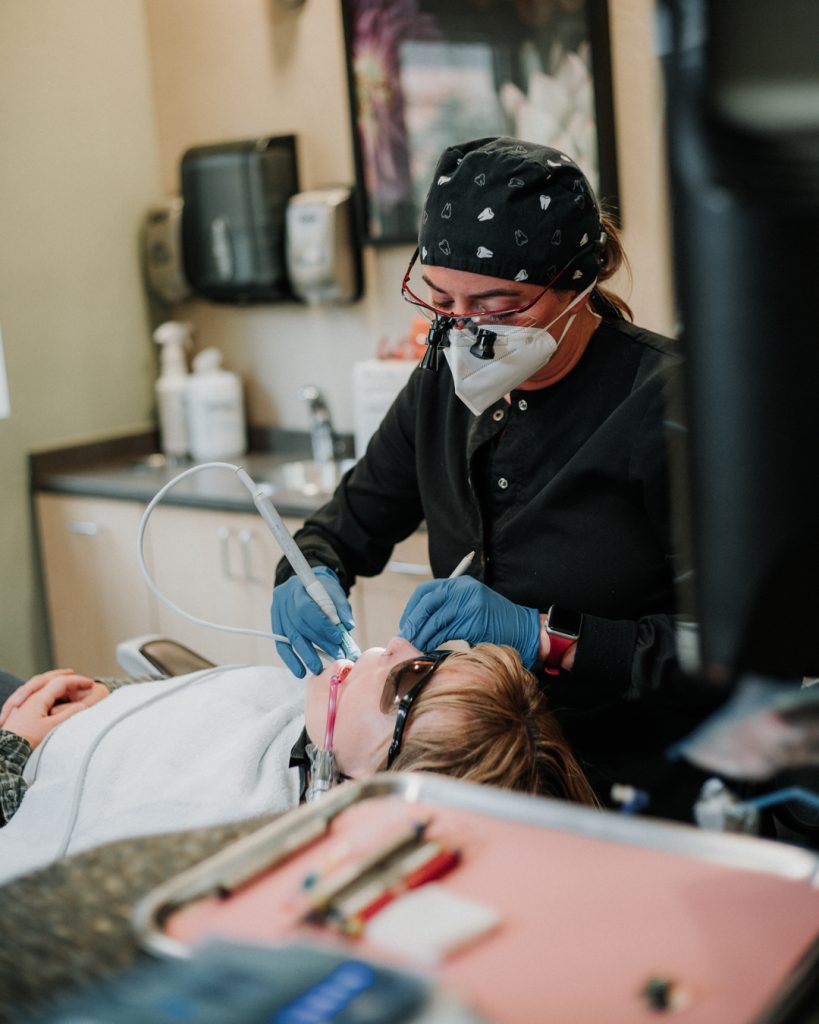
You’ve probably heard that you need to take special care of your dental implants, but do you know why? Understanding the reasons behind aftercare instructions can make all the difference in your commitment to them. It’s not just about following rules; it’s about actively protecting the bone, gum tissue, and the implant itself. This guide goes beyond the “what” and explains the “why” of proper implant maintenance. When you understand how your habits impact the longevity of your smile, you’re better equipped for success. A great dental implant center provides the foundation, and this knowledge helps you build upon it.
One of the big choices you make when allowing dental implants is that they will help you improve your teeth and further enhance your self-worth. When well taken care of, implants can be durable, comfortable, and natural-looking. Proper post-implant activities are a sure thing in the long term. This blog contains key tips for defending your stamps, avoiding complications, protecting your implants, and maintaining a healthy smile in the years to come. If you are looking for a dental implant center near me, this blog will be helpful.
What Are Dental Implants?
If you’re exploring options for missing teeth, you’ve likely come across dental implants. But what exactly are they? At their core, dental implants are a modern marvel of dentistry designed to provide a strong, permanent foundation for replacement teeth. Unlike dentures or bridges that sit on top of your gums, implants are surgically placed into your jawbone, where they function just like natural tooth roots. This creates an incredibly stable base for a crown, bridge, or a full set of new teeth. The result is a smile that not only looks natural but feels and functions that way, too, allowing you to eat, speak, and laugh with complete confidence.
The Basic Structure: An Artificial Tooth Root
Think of a dental implant as a three-part system. First, there’s the implant itself, which is a small, screw-like post typically made of biocompatible titanium. This is the part that acts as the artificial tooth root, surgically placed into the jawbone. Over a few months, a process called osseointegration occurs, where your bone naturally fuses with the titanium post, creating a rock-solid anchor. Once this foundation is secure, an abutment is attached to the implant, which acts as a connector piece. Finally, your custom-made restoration—a crown for a single tooth or a bridge for multiple teeth—is secured to the abutment, completing your new smile.
Common Types of Dental Implant Solutions
Dental implants aren’t a one-size-fits-all solution. The right approach depends entirely on your specific needs, from replacing a single lost tooth to restoring an entire smile. At Dental & Implant Centers of Colorado, we specialize in creating personalized treatment plans that address your unique situation. Whether you’ve lost a tooth due to an injury or need a more comprehensive solution for widespread tooth loss, there’s an implant option designed to restore both the function and aesthetics of your smile. Understanding the different types can help you feel more prepared for your consultation and confident in your treatment choice.
Single Tooth Implants
If you’re missing just one tooth, a single tooth implant is the gold standard for replacement. This solution involves placing one implant post into the jawbone to support a single dental crown. The major advantage here is that it doesn’t require altering the adjacent healthy teeth, which is a necessary step for a traditional dental bridge. A single implant stands on its own, preserving the integrity of your surrounding teeth while providing a durable, long-lasting replacement that blends in seamlessly with your natural smile. It’s a straightforward and highly effective way to restore your smile’s appearance and function.
Full-Arch Restorations
For those who are tired of dealing with loose dentures or are facing the loss of all their teeth, full-arch restorations offer a life-changing solution. Procedures like “All-on-4” use just a few strategically placed implants—typically four to six—to support an entire arch of new teeth. This approach provides incredible stability, eliminating the slipping and discomfort associated with traditional dentures. You can once again enjoy your favorite foods and speak without worry. These full mouth dental implants are designed to look and feel completely natural, giving you a permanent and beautiful new smile.
The “3/2 Rule”: A Guideline for Success
You might not hear dentists talk about it often with patients, but the “3/2 rule” is a critical guideline that experts use to ensure the long-term success of your dental implants. This rule dictates the precise spacing required between an implant and an adjacent tooth (3mm) and between two implants (2mm). Why does this matter? Proper spacing is essential for maintaining healthy bone and gum tissue around the implants. It ensures there’s enough room for blood supply and prevents bone loss over time, which is key to the stability and longevity of your new teeth. Adhering to this rule is a hallmark of expert implant placement.
The Success Rate and Key Benefits of Implants
When considering a significant dental procedure, you want to know it’s a reliable investment in your health. Dental implants stand out with a success rate of over 95%, the highest of any tooth replacement option available today. This remarkable success is due to their design, which mimics natural teeth by integrating directly with your jawbone. Beyond just filling a gap, implants offer profound benefits that improve your overall quality of life. They restore your ability to chew properly, prevent bone loss, and give you back a smile you can be proud of. Many patients who have chosen implants often say their only regret is not doing it sooner.
Understanding the High Success Rate
The high success rate of dental implants isn’t by chance; it’s rooted in biology and advanced technology. The key is osseointegration—the natural process where your jawbone grows around and fuses with the biocompatible titanium implant. This creates an incredibly strong and stable foundation that’s unmatched by other options like bridges or dentures, which can require replacements over time. With proper care and regular dental check-ups, your implants are designed to last a lifetime. This durability makes them not only a predictable and reliable choice but also a cost-effective one in the long run for restoring your smile.
How Implants Prevent Jawbone Loss
One of the most significant—and often overlooked—consequences of losing a tooth is the loss of jawbone density. Without a tooth root to stimulate it, the bone in that area begins to shrink and deteriorate. This can lead to a sunken facial appearance and can compromise the stability of neighboring teeth. Dental implants are the only tooth replacement solution that actively prevents this. By acting as an artificial tooth root, the implant provides the necessary stimulation to keep your jawbone strong and healthy. You can see the transformative results in our before and after gallery, where restored smiles also mean preserved facial structures.
Improving Your Ability to Chew and Speak
Missing teeth or ill-fitting dentures can make simple acts like eating and speaking challenging and even embarrassing. You might find yourself avoiding certain foods or feeling self-conscious in social situations. Dental implants restore your mouth’s full function, allowing you to chew steak, bite into an apple, and enjoy all your favorite foods without a second thought. Because they are anchored securely in your jaw, they also eliminate the slipping and clicking that can happen with dentures, allowing you to speak clearly and confidently. This restoration of function is truly life-changing, bringing comfort and confidence back into your daily life.
The Modern Dental Implant Procedure
The idea of dental surgery can be intimidating, but the modern implant procedure is far more precise, comfortable, and efficient than you might imagine. Thanks to incredible advancements in dental technology, today’s procedures are meticulously planned for predictable, successful outcomes. From advanced 3D imaging that allows for virtual surgery planning to various sedation options that ensure your comfort, every step is designed with your well-being in mind. The process is streamlined to minimize discomfort and recovery time, getting you back to your life with a new smile faster than ever before.
Using Advanced Technology for Precision
Precision is everything when it comes to placing dental implants, and modern technology has revolutionized this process. Gone are the days of guesswork. Today, expert dentists use sophisticated tools to map out the entire procedure before it even begins. This digital workflow ensures that each implant is placed in the optimal position for stability, function, and aesthetics. This level of detail not only leads to better, more predictable results but also makes the surgery itself smoother and often shorter. It’s this commitment to technology that allows for a higher standard of care and gives patients peace of mind.
3D CT Scanners and Intraoral Scanners
Two key pieces of technology that have transformed implant dentistry are Cone Beam Computed Tomography (CBCT) scanners and intraoral scanners. A CBCT scanner provides a detailed 3D image of your jawbone, nerves, and sinuses, allowing your dentist to assess bone density and plan the exact angle and depth of the implant with incredible accuracy. Intraoral scanners create a precise digital impression of your mouth without the need for messy, uncomfortable putty. Together, these tools create a complete digital map of your mouth, which is used to design and place your implants for a perfect fit and a successful outcome.
Sedation Options for a Comfortable Experience
Dental anxiety is real, and it shouldn’t stand in the way of getting the care you need. To ensure you feel relaxed and comfortable throughout your implant procedure, various sedation options are available. These can range from local anesthesia that numbs the area to conscious sedation, where you remain awake but in a deep state of relaxation. The right option for you will be discussed during your consultation. The goal is to make your experience as stress-free as possible, and you can trust that the experienced team at Dental & Implant Centers of Colorado will prioritize your comfort every step of the way.
Accelerated Treatment Options
In the past, the dental implant process could be a lengthy one, often taking many months from start to finish. While that timeline is still appropriate for some cases, modern techniques have made accelerated treatment possible for many patients. Procedures often referred to as “Teeth-in-a-Day” can allow for the placement of implants and a temporary, functional set of teeth in a single appointment. This is especially common for full-arch restorations, meaning you can leave the office with a brand-new smile without a long waiting period. This approach dramatically reduces treatment time and allows you to enjoy the benefits of your new teeth almost immediately.
Why You Shouldn’t Delay Replacing Missing Teeth
Putting off replacing a missing tooth might seem harmless, especially if it’s in the back of your mouth where no one can see it. However, delaying treatment can lead to a cascade of oral health problems that are far more complex and costly to fix down the road. A missing tooth isn’t just a gap in your smile; it’s a missing piece of an intricate system. Its absence affects your jawbone, your surrounding teeth, and even your overall health. Acting sooner rather than later is one of the best things you can do to protect your long-term oral and general well-being.
The Risk of Jawbone Deterioration
As we’ve touched on, your jawbone needs stimulation from tooth roots to maintain its density and shape. When a tooth is lost, that stimulation is gone, and the bone begins to resorb, or shrink. This process starts almost immediately. If you wait too long to get an implant, you may lose so much bone that you no longer have a sufficient foundation to support one. While procedures like bone grafting can help rebuild the bone, they add extra time, cost, and complexity to your treatment. Preserving your natural bone by getting an implant promptly is always the better option.
Health Consequences of Tooth Loss
The consequences of tooth loss extend far beyond your mouth. A gap can cause adjacent teeth to shift and tilt, leading to bite problems and difficulty cleaning, which increases your risk for decay and gum disease. Research has shown that advanced gum disease (periodontitis) can increase the risk of serious health conditions, including heart disease. Furthermore, difficulty chewing can lead to poor nutrition. Addressing tooth loss is not just about aesthetics; it’s a critical step in maintaining your overall health. With flexible financing and insurance options available, investing in your health is more accessible than you might think.
Why is the Aftercare Important for Implantation?
Dental implants are prosthetics fixed to the jawbone. They are constructed to be tough and sturdy, but their functionality is humane depending on routine maintenance. Similar to natural teeth, implants may be ill due to poor hygiene, gum disease, and bad habits. To maintain the problem, it is necessary to retain it; otherwise, an infection will form, or the implant will not work. Most patients are willing to find trusted professionals by first searching for a dental implant center near me. However, you will not be healed after receiving modern treatment unless you take ensuing care. Implants can behave and even feel like real teeth for decades when you take the right course of action.
1. Follow Your Dentist’s Instructions Closely
Your dentist will provide you with proper recommendations on post-operation diet, oral hygiene, and other activities to be avoided. The phase is vital in that it stimulates an onset of healing of the implant site, and the area needs to be well looked after. Commonly used instructions are:
- No hard, crunchy, or sticky foods. Take prescribed drugs as instructed.
- Take recommended rinses to help avoid infection.
- Eat and do light activities in the initial few days.
2. Maintain Excellent Oral Hygiene
Implants are kept out of the mouth through a healthy mouth. Floss once per day and brush twice per day to ensure that the gum of the implant is not at risk of having Brush Branches. Clean the implants with implant-specific brushes or floss. Although dental implants do not form cavities, they may badly damage the gums and tissues surrounding them. A swelling of the gums undermines the support of the implant.
3. Prioritize Regular Dental Visits
Diagnostic examinations are also mandatory for the long-term success of the implants. A visit by your dentist will include:
- Investigate the implant and tissues.
- Take X-rays to check bone status.
- Undergo professional cleaning to get rid of difficult plaque.
People think the work is over until the implant is installed. In fact, continuous monitoring identifies issues at their initial stages before they escalate. You should follow up at least twice, such as once a year.
4. Protect Your Implants from Damage
Implants are tough, though they are not permanent. Dental implants and dentures are fake roots that connect to the jawbone. They may be damaged by poor oral health, gum disease, or bad habits. Bad habits may subject them to unwarranted pressure:
- Do not chew ice, pens, or hard candies.
- In case you grind your teeth, bring up the subject of a night guard.
- Do not use teeth and open packages with scissors.
5. Make Healthy Lifestyle Choices
Oral health forms an integral part of lifestyle. Smoking decreases the supply of blood flow in the gums, thus delaying the healing process. Studies indicate that smokers have an increased tendency to fail to have an implant as compared to non-smokers. Reducing alcohol intake is also recommended, and this is likely to occur during implant healing. Dental implants and dentures aren’t immune to inadequate hygiene, periodontal troubles, and bad behavior. Good nutrition is essential. The right weight loss plan consists of proteins, diet D, and calcium. These support bones and enhance gum fitness.
6. Recognize Signs of Trouble Early
The warning signs help you to move quickly. Immediately, call your dentist when experiencing:
- Pain in the environment of the implant, erythema, edema, or tenderness. Persistent bleeding or pus.
- The implication of the loose sensation of the implant. Problems with the implementation side.
Early intervention tends to prevent complications from deteriorating. Many patients who initially seek a local dental implant center are happy to find out that the clinic provides emergency assistance and long-term follow-ups. Regardless of the number of implants you put in (or even by strengthening your dentures with implants), being regular is the key to success.
7. Special Care for Patients with Dentures and Implants
Some patients have implants and dentures combined to enhance their stability. This arrangement is both comfortable and practical and requires special attention to denture care. Dentures are expensive to buy and need proper upkeep, including storage and use. Check supporting implants to ensure they are strong and stable.
Understanding the Cost of Dental Implants
Let’s talk about one of the biggest questions on everyone’s mind: how much do dental implants cost? The truth is, there isn’t a single price tag. Think of it like a custom project—the final cost depends on your specific needs and the details of your treatment plan. Investing in dental implants is a significant decision for both your health and your finances, so it’s important to understand what goes into the price. This knowledge helps you make an informed choice and find a solution that fits your budget without compromising on quality. A transparent provider will walk you through every line item, ensuring you know exactly what you’re paying for before any work begins.
Factors That Influence the Final Price
Several key elements determine the overall cost of your dental implant procedure. The complexity of your case plays a major role; for example, a single implant will naturally cost less than a full-mouth restoration. The expertise of your dental team is also crucial. A highly experienced specialist’s fees will reflect their advanced training and success rates. Location matters, too, as overhead costs can vary. At Dental & Implant Centers of Colorado, our team of specialists provides expert care across our convenient locations in Cherry Creek, Boulder, and Broomfield/Westminster. Sometimes, your jaw may also need a little help to be ready for an implant. If you need a preparatory procedure like a bone graft to create a solid foundation, that will be factored into your personalized treatment plan.
Payment and Financing Options
Feeling confident about your treatment plan also means feeling comfortable with how you’ll pay for it. Many people use financing to make the cost more manageable, and it’s a very common approach to affording high-quality dental care. Most top-tier dental practices offer flexible payment solutions to fit different budgets. This can include working with third-party financing companies that provide low-interest or even 0% interest plans for a set period. It’s also important to check what your dental insurance covers, as some plans contribute to certain parts of the implant procedure. We believe quality care should be accessible, which is why we offer a variety of financing and insurance options to help you move forward with your new smile.
How to Choose the Right Dental Implant Provider
Choosing the right provider is just as important as the implant procedure itself. This is a long-term relationship, so you want to find a team you trust and feel comfortable with. The right provider will not only have the technical skill but will also prioritize your comfort, answer all your questions, and provide transparent information about every step of the process. Look for a practice that focuses on patient education and makes you feel like a partner in your own dental health journey. Taking the time to research and select the best possible team will give you peace of mind and set you up for a successful, lasting outcome.
Important Questions to Ask
When you go in for a consultation, think of it as an interview. You are choosing a team to entrust with your health. Don’t hesitate to ask direct questions to get a clear picture of their experience and approach. A great provider will welcome your questions and provide thorough answers. Some key things to ask include: How many implant procedures do you perform each year? What is your success rate? Can I see before-and-after photos of patients with cases similar to mine? What does the quoted price include, and are there any potential additional fees? What are my payment and financing options? Their answers will reveal a lot about their expertise and commitment to patient care.
Warning Signs of a Questionable Clinic
Just as there are signs of a great provider, there are also red flags to watch out for. Be cautious of any clinic that pressures you to make a decision on the spot. A major dental procedure requires careful consideration, not a high-pressure sales pitch. Another warning sign is a lack of transparency. If a provider is vague about their qualifications, doesn’t show you their treatment planning technology (like 3D imaging), or advertises extremely low prices that seem too good to be true, it’s wise to be skeptical. Often, those bargain prices come with hidden fees or reflect the use of lower-quality materials. Your health is worth more than a risky deal.
8. Don’t Skip Long-Term Maintenance
The cases of implants are designed to withstand more than several years, provided you maintain the care. A change starts not only in the first few months of the post-implant period but is a lifetime process of looking after your mouth. With top habits and regular visits to the dentist, patients can expect to find their implants in accurate operation after more than two decades. Final Thoughts Implants are easy to maintain, as long as one commits. Clean your teeth every day, see the dentist regularly, and make healthy choices to take care of your investment. The first one is the rightness of the treatment; select the right clinic if you are searching for a dental implant center near me. In DICC Colorado, we follow patients who have undergone the surgery to long-term care, ensuring that they can always have a smile on their face. If you are considering implants and are seeking a reliable dental implant center that happens to be close to your area, keep in mind that the process does not end at that. It all depends on what you do to go ahead and take care of your smile. Implanted with proper maintenance, it will help you exude confidence, comfort, and strength for several years to come.
Frequently Asked Questions
How long can I realistically expect my dental implants to last? With the right care, your dental implants are designed to last a lifetime. The titanium post that fuses with your jawbone is incredibly durable. The crown attached to it may need to be replaced after 10 to 15 years due to normal wear and tear, similar to a natural tooth. The key to longevity is consistent oral hygiene and regular dental check-ups, which protect the gum and bone supporting the implant.
Will the dental implant procedure hurt? It’s completely understandable to be concerned about discomfort, but the procedure itself is not painful. We use local anesthesia to thoroughly numb the area, so you won’t feel anything during the placement. Plus, we offer various sedation options to help you feel completely relaxed. You can expect some mild soreness and swelling afterward, but this is typically manageable with over-the-counter pain relievers and is a normal part of the healing process.
Can my body reject a dental implant? True rejection of a titanium implant is extremely rare because the material is biocompatible, meaning your body accepts it as its own. When an implant fails, it’s almost always due to other factors, not rejection. The most common reasons are infection that develops from poor oral hygiene or smoking, which can prevent the bone from fusing properly. This is why following your aftercare instructions so carefully is critical to success.
Do I need special tools to clean around my implants? For the most part, you’ll care for your implants just like your natural teeth with twice-daily brushing and daily flossing. However, some special tools can make cleaning around the implant and under the crown more effective. Your dentist might recommend a water flosser, an interdental brush, or a specific type of floss to ensure you remove all plaque from the area where the implant meets the gumline.
What happens if I don’t take good care of my new implant? Neglecting your implant can lead to a condition similar to gum disease called peri-implantitis. This is an infection that causes inflammation in the gums and can destroy the bone supporting the implant. If it’s not treated, the bone loss can become so severe that the implant loosens and ultimately fails. Think of it this way: while the implant itself can’t get a cavity, the living tissue around it is vulnerable and needs your protection.
Key Takeaways
- Protect Your Jawbone for the Future: Dental implants are the only tooth replacement solution that functions like a natural root, providing the necessary stimulation to prevent the bone loss and facial changes that follow tooth loss.
- Commit to Lifelong Maintenance: The success of your implants depends on your daily habits. Consistent oral hygiene, regular professional cleanings, and avoiding damaging habits like chewing ice are essential for ensuring they last for decades.
- Choose Your Dental Team Wisely: A successful outcome starts with an expert provider who uses advanced technology like 3D imaging for precise planning. Always ask about a dentist’s experience, success rates, and technology before moving forward.
