




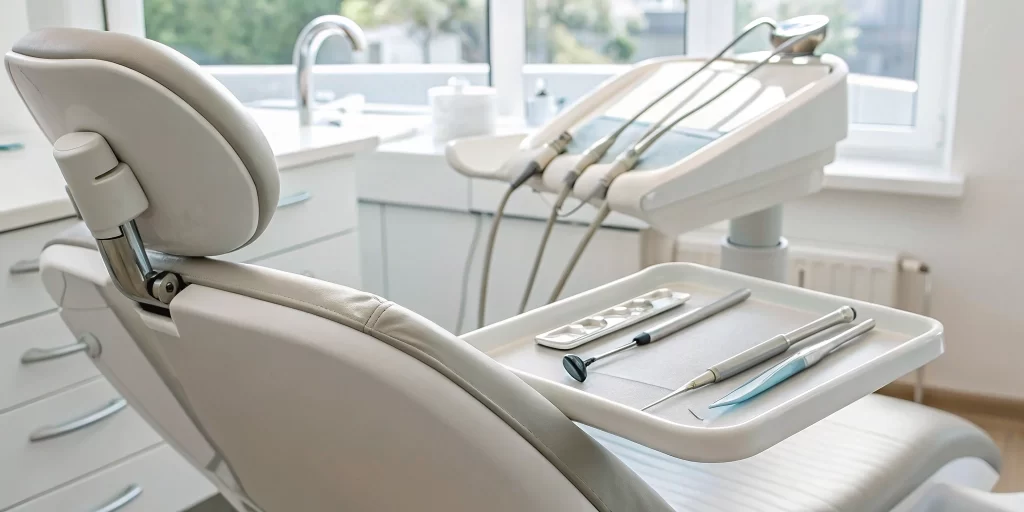
Let’s be honest—the thought of any dental procedure can be a little nerve-wracking, especially when it involves treating your gums. If you’re facing a decision about gum disease treatment, your comfort and recovery time are likely top of mind. You want a solution that’s not only effective but also fits into your life with minimal disruption. This is where the conversation about scaling and root planing vs laser gum therapy becomes so important.
One is a meticulous deep cleaning, while the other is a minimally invasive procedure that often avoids scalpels and stitches. We’ll explore what the healing process looks like for both, so you can understand the full picture and choose the path that feels right for you.
Key Takeaways
- Know the Job of Each Tool: Scaling and root planing is a deep cleaning that physically removes tartar buildup, while laser therapy is a targeted treatment that kills bacteria deep in gum pockets with less discomfort and faster healing.
- Think Teamwork, Not Competition: The most effective gum disease treatment often combines both methods. A deep cleaning removes the hard deposits, creating a clean slate for the laser to disinfect the area and encourage your gums to heal properly.
- Your Gums Need a Custom Plan: There is no one-size-fits-all answer for gum disease. The right approach depends on the stage of your infection and your personal comfort, which is why a thorough consultation with your dentist is the most important first step.
What Is Scaling and Root Planing?
If you’ve been diagnosed with gum disease, your dentist may have recommended a procedure called scaling and root planing. While it might sound complex, it’s essentially a deep cleaning designed to get your gum health back on track. Think of it as a necessary reset for your gums, clearing away harmful bacteria so your mouth can begin to heal. This treatment is one of the most effective first steps for managing periodontal disease and preventing it from getting worse.
A Deep Cleaning for Your Gums
A standard dental cleaning focuses on the surfaces of your teeth above the gum line. Scaling and root planing goes deeper. This two-part procedure is the primary treatment for periodontitis, a more advanced stage of gum disease. The main goal is to remove the dental plaque and hardened calculus (tartar) that have built up in the pockets between your teeth and gums. These deposits house harmful bacteria that release toxins, causing inflammation, bleeding, and eventually, damage to the bone that supports your teeth. By thoroughly cleaning these areas, we give your gums a clean slate and the chance to heal and reattach to your teeth. It’s a fundamental part of the services we provide to restore oral health.
What to Expect During the Procedure
We know the idea of a deep cleaning can sound intimidating, but your comfort is our top priority. With our dentist cleaning special Denver, we ensure a gentle and reassuring experience from start to finish. First, we’ll likely numb the area with a local anesthetic to make sure you don’t feel any discomfort. The procedure then happens in two stages. The first is scaling, where your dentist or hygienist carefully removes all the plaque and tartar from the surface of your teeth, extending down below the gum line.
Next comes root planing. During this step, our team will smooth out the roots of your teeth. This makes it harder for new bacteria to cling to the root surfaces and helps your gums attach back to the teeth more securely as they heal. After the procedure, it’s normal to experience some minor soreness or bleeding for a few days as your gums recover.
What Is Laser Gum Therapy?
If the idea of traditional gum surgery makes you nervous, you’re not alone. Laser gum therapy is a modern alternative that treats gum disease without scalpels or stitches. Instead of metal instruments, this procedure uses a highly concentrated beam of light to target and remove infected tissue from around your teeth.
The laser’s energy is incredibly precise, allowing your dentist to eliminate harmful bacteria and diseased tissue while leaving healthy areas completely untouched. This means we can address the source of the problem with pinpoint accuracy, which is a huge step forward in periodontal care.
This minimally invasive approach is a game-changer for patients dealing with gum disease. Because it doesn’t involve cutting, you can expect less discomfort, less bleeding, and a much faster recovery time compared to conventional surgery.
It’s a sophisticated treatment that aligns with a more holistic view of dentistry, focusing on effective results with minimal impact on your body. Think of it as a high-tech deep cleaning that not only removes the infection but also encourages your body’s natural healing abilities. By using advanced technology, we can offer powerful dental services that prioritize both your oral health and your overall comfort, getting you back to your life sooner.
A High-Tech Approach to Gum Health
The real advantage of laser therapy lies in its precision and effectiveness. The specialized light can reach deep into the pockets between your gums and teeth—areas that traditional tools often struggle to clean thoroughly. This allows the laser to effectively kill the bacteria causing the infection and remove toxins from below the gumline. Unlike scaling and root planing, which can sometimes leave behind a residue that slows down healing, laser treatment creates a clean surface that encourages your gums to naturally reattach to your teeth. This process helps to restore a healthy seal around the tooth, protecting it from future infection and promoting long-term gum health.
How the Laser Treatment Process Works?
The laser treatment process is straightforward and designed with your comfort in mind. One of the most common protocols is called LANAP (Laser-Assisted New Attachment Procedure). First, your dentist will gently measure the depth of the pockets in your gums to assess the stage of your gum disease. Then, a tiny laser fiber—about the thickness of three human hairs—is inserted into the pocket. The laser light clears away the infected tissue and kills the bacteria causing the inflammation.
After the initial laser pass, your dentist will clean the root surfaces of your teeth to remove any built-up plaque and tartar. Finally, the laser is used again at a different setting to help create a stable blood clot, which seals the pocket and allows your body to begin the natural healing process. This precise technique is a cornerstone of many advanced dental procedures, including the placement of dental implants.
Scaling and Root Planing vs. Laser Therapy: Which Is More Effective?
When you’re dealing with gum disease, you want the treatment that will get you the best results. Both scaling and root planing (a deep cleaning) and laser therapy are excellent options, but they work differently and have unique strengths. The most effective choice often comes down to the specifics of your gum health and your personal comfort. Think of it less as a competition and more about finding the perfect tool for the job. Let’s break down how they compare in key areas so you can feel confident in the dental services you choose.
Comparing Success Rates
When we look at the data, both treatments are successful at improving gum health. The goal is to reduce the depth of the pockets between your teeth and gums where harmful bacteria hide. Studies show that traditional scaling and root planing effectively reduces these pockets. However, research often points to laser therapy having an edge, especially when gum disease is more advanced. Some studies show that combining laser therapy with a deep cleaning can reduce pocket depth more significantly than deep cleaning alone. For those with deeper pockets (around 4-7mm or more), lasers often show better results, making them a powerful tool for more serious cases.
Fighting Bacteria and Promoting Healing
This is where laser therapy really shines. While scaling and root planing physically scrapes away plaque and tartar, the laser offers a more targeted, high-tech approach. The laser’s energy can reach deep into gum pockets where traditional instruments might struggle, effectively killing bacteria and removing toxins. One major advantage is that laser treatment doesn’t create a “smear layer”—a thin film of debris left by scraping tools that can sometimes slow down healing. By providing a cleaner surface and eliminating more bacteria, lasers can give your gums a better environment to heal and reattach to your teeth.
Which Treatment Offers Lasting Results?
A successful treatment isn’t just about immediate improvement; it’s about maintaining healthy gums for the long haul. Here, studies suggest that laser therapy often leads to better long-term outcomes. Because lasers can help stimulate tissue regeneration, they do more than just clean.
They actively promote the reattachment of your gums to your teeth, which is critical for reversing the damage of gum disease. This process helps shrink deep gum pockets more permanently, leaving fewer places for bacteria to gather in the future. For patients who have struggled with recurring gum issues, this can be a game-changer for their oral health and can help prevent the tooth loss that leads to needing dental implants.
The Pros and Cons of Each Gum Treatment
Making an informed decision about your gum health means weighing the good with the not-so-good for each treatment option. Both scaling and root planing and laser therapy have unique strengths and potential downsides. Understanding these can help you have a more productive conversation with your dentist about what’s right for you.
Scaling and Root Planing: Benefits and Drawbacks
Scaling and root planing is the go-to traditional method for treating gum disease for a reason—it’s effective. This deep cleaning procedure thoroughly removes plaque and hardened tartar from above and below your gum line, which is essential for halting the progression of gum disease. It’s a foundational part of our dental services because it directly addresses the root cause of the problem.
However, it does have some limitations. The instruments used can sometimes have trouble reaching into very deep gum pockets or tricky spots between roots. This can occasionally leave behind bacteria or a “smear layer” of debris that might slow down the healing process. It’s a highly effective treatment, but its success depends on the clinician’s ability to manually clean every surface.
Laser Therapy: Advantages and Disadvantages
Laser therapy is a modern approach that offers some distinct advantages. The laser’s focused light is excellent at targeting and eliminating harmful bacteria and reducing inflammation, often without cutting into the gum tissue. This precision allows it to reach deep into pockets where traditional tools might struggle. A major plus is that laser treatment doesn’t create a smear layer, which can help your gums heal more efficiently.
The main thing to know is that lasers are designed to kill germs, not remove hard deposits. They can’t physically scrape away tartar. Because of this, laser therapy is often used alongside traditional scaling, not as a complete replacement for it. Think of it as a powerful, targeted tool that enhances the cleaning process.
Factoring in Cost and Insurance
Your budget and insurance coverage are practical and important parts of the decision. Generally, laser therapy can be more expensive than traditional scaling and root planing, and not all insurance plans cover it. It’s always a good idea to check your policy details or talk with our team about your specific situation. We can help you understand your financing and insurance options so there are no surprises.
While laser therapy shows great promise, many dental professionals find that combining it with scaling and root planing delivers the best, most comprehensive results. This combined approach tackles gum disease from all angles, ensuring both hard deposits and bacteria are thoroughly removed for optimal healing.
Which Treatment Has an Easier Recovery?
When you’re thinking about any dental procedure, the recovery process is a big piece of the puzzle. You want to know what to expect so you can plan your life accordingly. Whether you’re exploring treatments for gum health or considering options like no gums permanent teeth, both scaling and root planing and laser therapy are designed to get your gums healthy, but their recovery paths look a little different.
Generally, laser therapy is considered less invasive, which often translates to a quicker and more comfortable healing period. However, understanding the specifics of each can help you and your dentist decide on the best approach for your health and lifestyle.
Healing After Scaling and Root Planing
After a scaling and root planing procedure, which is essentially a deep cleaning, your gums will need some time to heal. Your dentist will likely recommend avoiding eating on the treated side of your mouth for at least two hours, or until the anesthesia wears off.
For the next 48 hours, it’s best to stick to softer foods and steer clear of anything hard, crunchy, or sharp that could irritate your gums. You might experience some soreness or tenderness as the numbing agent fades, but this is usually manageable with over-the-counter pain relievers. Your dental team will give you a full set of aftercare instructions to ensure your healing is as smooth as possible.
The Recovery Timeline for Laser Therapy
The recovery from laser gum therapy is often faster because the procedure doesn’t involve cutting or scraping. This means less trauma to the gum tissue, which typically results in minimal pain and swelling afterward. To give your gums the best environment for healing, you’ll be advised to follow a liquid diet for the first three days. After that, you can move on to a soft, “mushy” diet for the next four days. While it requires some dietary discipline, this approach helps the gum tissue reattach and heal properly. Many patients find this trade-off worthwhile for a quicker return to normal, with complete healing often occurring within just a few weeks.
A Look at Post-Treatment Comfort
Comfort is a key factor, and the two treatments differ here as well. With scaling and root planing, it’s not uncommon to see a little pink in your saliva for the first day or two, which is perfectly normal. You’ll also want to avoid extremely hot foods or drinks on the day of your treatment. In contrast, laser gum therapy is widely considered a more comfortable experience both during and after the procedure. Because the laser is so precise and minimally invasive, patients report fewer painful side effects. If you’re concerned about post-treatment discomfort, discussing the benefits of laser therapy with one of our dental experts can provide peace of mind.
Are You a Candidate for These Treatments?
Figuring out the best path forward for your gum health starts with a simple question: What does your smile need right now? Both scaling and root planing and laser therapy are fantastic tools for fighting gum disease, but they’re designed for different situations. Your dentist will be your partner in making this decision, but understanding your own symptoms and the goals of each treatment can help you feel more confident and prepared for the conversation. Let’s walk through what makes someone a good candidate for each of these effective treatments.
Signs You Might Need Gum Disease Treatment
Gum disease, or periodontitis, can be sneaky. It’s a persistent infection caused by bacteria that settle into the pockets around your teeth, leading to inflammation and damage. You might need treatment if you notice your gums are red, swollen, or tender to the touch. Other tell-tale signs include bleeding when you brush or floss, bad breath that won’t go away, or gums that seem to be pulling back from your teeth. If you feel like your teeth are becoming loose, it’s a definite sign to schedule a visit. Recognizing these symptoms early is the first step toward getting the right care from our list of services and preventing more serious issues down the road.
Who Is a Good Fit for Scaling and Root Planing?
Scaling and root planing is often the go-to first step for treating mild to moderate gum disease. Think of it as a deep cleaning that goes where your regular six-month cleaning can’t. This treatment is ideal for patients who have a buildup of plaque and hardened tartar (calculus) below the gumline. The procedure is meticulous, requiring careful attention to detail to ensure every bit of harmful bacteria is removed. If your gum disease hasn’t progressed to a severe stage, this thorough, foundational cleaning can be exactly what you need to stop the infection and help your gums heal and reattach to your teeth. Our experienced team is skilled at performing this procedure with precision and care.
When Is Laser Therapy the Better Option?
Laser therapy is a powerful, high-tech alternative that’s often recommended for more advanced cases of gum disease or for patients who want a less invasive option. Because lasers can reach deep into gum pockets where traditional tools might struggle, they are incredibly effective at eliminating bacteria and removing infected tissue without harming healthy tissue. This precision often leads to less discomfort and a quicker recovery. Studies also suggest that laser therapy can produce better long-term results, helping you maintain healthier gums for years to come. If you’re dealing with stubborn gum disease, this advanced treatment could be the key to finally restoring your oral health and protecting your smile from issues like tooth loss, which can lead to needing dental implants.
How Your Dentist Recommends the Right Treatment
Choosing between scaling and root planing and laser therapy isn’t a decision you have to make alone. Your dentist acts as your partner, guiding you toward the best option for your specific situation. The recommendation comes from a careful evaluation of your oral health, personal preferences, and long-term goals. It’s a collaborative process designed to get you the best possible results and restore your confidence in your smile.
Assessing the Severity of Your Gum Disease
The first step is always a thorough check-up. Your dentist will measure the pockets between your gums and teeth and may take X-rays to see what’s happening below the gumline. The severity of your gum disease is the biggest factor in determining the right path forward. For periodontitis, the more advanced stage of gum disease, scaling and root planing is considered the gold standard treatment. It’s a proven method for deep cleaning the tooth-root surfaces. Depending on how far the disease has progressed, this might be the recommended starting point before considering other dental services.
Your Comfort, Goals, and Overall Health
Your personal experience matters just as much as the clinical findings. We’ll have an open conversation about your comfort level, any dental anxiety you might have, and your overall health history. Because laser therapy is often less invasive and involves less discomfort, it can be a great option for patients who are concerned about the procedure. The expert team at DICC takes the time to understand what you want to achieve with your smile. Your input is a crucial part of the decision-making process, ensuring the treatment aligns with your personal needs and health profile.
Creating a Personalized Treatment Plan
Ultimately, the goal is to create a treatment plan that’s tailored just for you. It’s not always a simple choice between one option or the other. In many cases, the most effective approach is a combination of treatments. For the best and longest-lasting results, your dentist might suggest using laser therapy alongside a deep cleaning. This allows for a more comprehensive attack on the harmful bacteria causing the infection. This combined approach ensures we address your gum disease from every angle, setting you up for a healthier smile for years to come.
Common Myths About Gum Disease Treatment
When you’re looking into treatments for gum disease, it’s easy to get lost in a sea of information—and misinformation. Let’s clear up a few common myths so you can feel confident about your treatment plan. Understanding the facts helps you partner with your dentist to make the best decisions for your long-term oral health.
Myth vs. Fact: Is Laser Therapy a Cure-All?
It’s easy to think of lasers as a magic wand that can instantly fix any problem, but that’s not quite the case with gum disease. While laser therapy is an incredible tool that helps kill bacteria and reach tough spots, it’s not a standalone cure. Think of it as a powerful ally. Traditional scaling and root planing is still a fundamental part of treatment for removing plaque and tartar buildup. In fact, studies show that combining laser therapy with traditional deep cleaning often produces the best results, giving you a more comprehensive path to healthier gums. Our team will always recommend the dental services best suited for your specific situation.
Myth vs. Fact: Are the Results Permanent?
Wouldn’t it be great if one treatment could solve gum disease forever? Unfortunately, that’s not how it works. Gum disease is a chronic condition, which means it requires ongoing management. While treatments like scaling and root planing or laser therapy are highly effective at getting the infection under control, the bacteria can eventually return without proper care. The key to lasting results is what you do after your procedure. Consistent brushing and flossing at home, along with regular professional cleanings, are essential for keeping your gums healthy and preventing a recurrence.
Setting Realistic Expectations for Your Outcome
The goal of any gum disease treatment is to halt its progression and create a healthy environment where your gums can heal. It’s not about a one-time fix but about long-term management. Studies suggest that laser therapy, especially when used with deep cleaning, often leads to better long-term outcomes, helping patients maintain healthier gums for longer. A successful treatment means reduced gum inflammation, smaller periodontal pockets, and a halt to bone loss. You can see the incredible transformations in our patient testimonials. With the right treatment and follow-up care, you can effectively manage your gum health and protect your smile for years to come.
Can These Treatments Be Used Together?
You might be wondering if you have to choose between scaling and root planing and laser therapy. The great news is that you don’t. In many cases, these treatments aren’t mutually exclusive. In fact, using them together can often produce the best possible results for your gum health, creating a powerful, two-pronged attack against periodontal disease. Think of it as a team effort where each treatment plays a specific and vital role in restoring your gums.
Combining Therapies for Better Results
For the most effective and lasting outcome, your dentist may recommend using laser therapy in conjunction with a deep cleaning. This combination allows for a truly comprehensive treatment. Scaling and root planing is excellent at the mechanical work—physically removing plaque and tartar from the surfaces of your teeth and their roots below the gumline. The laser then comes in to finish the job, targeting and eliminating bacteria deep within the gum pockets where traditional instruments can’t always reach. This dual approach ensures the entire affected area is thoroughly cleaned and disinfected, setting the stage for optimal healing.
When Two Treatments Are Better Than One
The proof is in the results. Clinical studies have shown that combining laser therapy with scaling and root planing (SRP) is more effective than SRP alone, especially for patients with deeper gum pockets. This combined approach leads to a significantly greater reduction in the depth of these pockets, which is a key indicator of improving gum health. When your gums are fighting a more advanced infection, a single treatment might not be enough. By pairing the two, we can address the disease more aggressively and effectively, giving you a better chance at halting its progression and avoiding more serious issues like tooth loss, which often requires dental implants.
How a Combined Approach Works?
So, how does this partnership work so well? It’s all about targeting the problem from different angles. After scaling and root planing removes the bulk of the buildup, the laser’s focused light energy goes to work. It’s highly effective at killing the specific types of bacteria that cause gum disease and can also help remove infected tissue from inside the pocket lining. This process not only disinfects the area but also stimulates your body’s natural healing response. The result is reduced inflammation, healthier gum tissue, and a cleaner environment for your gums to reattach to your teeth. The expert team at DICC can determine if this powerful combination is the right path for you.
Choosing the Right Path for Your Gum Health
When you’re dealing with gum disease, figuring out the next step can feel like a big decision. You want a treatment that’s effective, comfortable, and sets you up for long-term health. Two of the most common gum disease treatments are traditional scaling and root planing (often called a deep cleaning) and laser therapy. Let’s walk through what each involves so you can feel more confident in the conversation with your dentist.
Scaling and root planing is the go-to method dentists have trusted for years. Think of it as a deep cleaning that goes below the gumline to remove bacterial plaque and calculus from the tooth surface and surrounding tissue. While it’s a proven way to significantly lower the bacterial load, it has some limitations. It can be tough for traditional tools to clean out very deep pockets or the grooves in your molars. The process can also leave behind a “smear layer” that might slow down the healing process.
Laser therapy is a more modern approach that uses focused light to treat gum disease. One of the biggest advantages is precision. Lasers can reach areas that traditional tools can’t, effectively killing germs and removing toxins without harming healthy tissue. This often means a more comfortable experience. Because the treatment is less invasive, patients typically report much less pain during and after the procedure, with no need for stitches and a quicker recovery.
So, which one is better? It often comes down to your specific situation. While scaling and root planing is a reliable workhorse, studies suggest that laser therapy can lead to better long-term results, helping you keep your gums healthier for longer. But it doesn’t have to be an either-or choice. For the most thorough and lasting results, dentists often recommend using laser therapy alongside a deep cleaning. This combination allows the scraping to clean the tooth surfaces while the laser cleans deep inside the gum pockets.
Ultimately, the best treatment plan is one that’s tailored to you. The severity of your gum disease, your overall health, and your comfort level all play a role. The first step is a thorough evaluation. Our team at DICC is here to assess your gum health, listen to your goals, and explain all your options clearly. Together, we can decide on the right path to get your gums healthy again.
Frequently Asked Questions
Will I need to take time off work for these treatments?
Most people find they can return to their normal activities, including work, the very next day. After scaling and root planing, you might have some minor soreness for a day or two, but it’s usually manageable with over-the-counter pain relievers. Because laser therapy is less invasive, the recovery is often even quicker, with minimal discomfort. The main thing to plan for is a temporary soft-food diet to help your gums heal properly.
Why can’t the laser just remove the tartar too?
This is a great question that gets to the heart of how these treatments work together. A laser is incredibly precise and uses light energy to kill bacteria and remove infected soft tissue. However, it can’t physically break down and remove hardened tartar deposits. That’s a job that requires the manual instruments used in scaling and root planing. Think of scaling as clearing away the heavy debris, while the laser performs a deep, targeted disinfection.
Is gum disease treatment a one-time fix?
Unfortunately, no. Gum disease is a chronic condition, much like diabetes, which means it requires ongoing management rather than a one-and-done cure. Your treatment is a crucial step to get the infection under control and halt its progression. To maintain your results and keep your gums healthy long-term, including if you are considering options like affordable dentures, you’ll need to stick with a consistent home care routine and attend regular professional cleanings as recommended by your dentist.
Does insurance typically cover laser therapy?
Coverage for laser gum therapy can vary quite a bit between insurance providers and plans. While scaling and root planing is almost always covered as a standard treatment for gum disease, laser therapy is sometimes considered a more advanced procedure. We always recommend checking with your insurance provider directly. Our team is also here to help you understand your benefits and discuss all available financing options.
If my gums are just bleeding a little, do I really need a deep cleaning?
Bleeding gums are one of the earliest and most common signs of gum disease, and it’s definitely not something to ignore. It’s your body’s way of telling you there’s inflammation caused by a bacterial infection. While it might seem minor, this is the perfect time to intervene. A deep cleaning can stop the disease from progressing to a more serious stage where you might risk damage to the bone supporting your teeth.
For more insights, updates, and expert tips, follow us on LinkedIn.
