




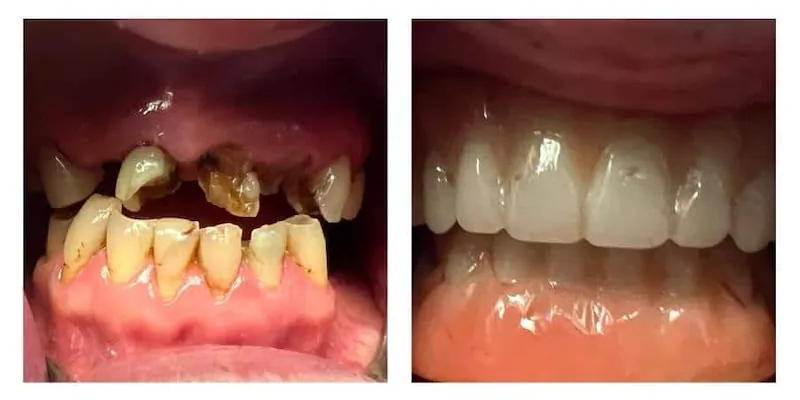
Replacing missing teeth is one of those things people keep pushing to the back of their minds. The cost feels uncertain, the process feels complicated, and it is easier to deal with it later. But later has a way of becoming a long time — and the longer teeth stay missing, the harder and more expensive the fix tends to become. If you are somewhere in the middle of figuring this out, this guide is written for you. It covers full dentures, partial dentures, what each one actually involves, what they cost in real terms, and how to decide which one makes sense for your situation.
What Are Dentures, Exactly?
Before anything else, it is worth being clear about what the phrase actually means — because dentures and cheap dentures are not the same thing. Dentures are well-made, functional dental prosthetics priced fairly and transparently — without the hidden fees, surprise add-ons, or pressure to upgrade that some offices are known for.
In Denver, the options range from community dental clinics to specialist prosthodontic practices. Quality care at a fair price exists — you just need to know what to look for and what to ask before you commit to anything.
Full Dentures: Dentures for Complete Tooth Loss
What Are Full Dentures?
Full dentures — sometimes called complete dentures — replace an entire arch of teeth, upper, lower, or both. They rest on the gum tissue and are held in place by natural suction or, when needed, a small amount of denture adhesive. There are two main types worth understanding before your first consultation.
Immediate dentures are placed the same day your remaining teeth are extracted. You leave the appointment with a full set of teeth already in place, which is the main advantage — though adjustments are almost always needed in the weeks that follow as the gums heal and change shape.
Conventional dentures are made after the gums have fully healed from extractions, which typically takes a few months. Because the final impressions are taken from settled tissue, the fit is usually more precise from the start.
Who Needs Full Dentures?
Full dentures are the right path when most or all natural teeth are gone, severely decayed, or need to come out due to advanced gum disease. For patients who have been managing around significant tooth loss for a long time — eating carefully, avoiding certain foods, feeling self-conscious — complete dentures can genuinely change day-to-day life in ways that are hard to overstate.
| Feature | Details |
| Best For | Patients missing all or most teeth in one or both arches |
| Types Available | Immediate (placed same day as extractions) and conventional (placed after gums have healed) |
| Fit & Comfort | Gum shape changes after tooth loss, so periodic refitting is normal — typically every few years |
| Lifespan | 5 -8 years with consistent care |
| Daily Care | Removed at night, soaked in denture solution, cleaned with a soft brush |
| Insurance | Often partially covered — worth verifying with your provider before your first appointment |
| Implant Upgrade Option | Full dentures can be converted to implant-supported dentures later if that becomes a priority |
Partial Dentures: When You Still Have Natural Teeth
What Are Partial Dentures?
Partial dentures fill the gaps left by missing teeth when healthy natural teeth still remain. They are held in place using metal clasps or precision attachments that anchor to the existing teeth on either side of the gap. Two styles come up most often in Denver consultations.
Cast metal partials are durable, well-fitted, and built to last. They are the standard recommendation for replacing teeth at the back of the mouth where chewing force is highest.
Acrylic or flexible partials are lighter and often less expensive. They work well when fewer teeth need replacing and when aesthetics in a visible area are the priority.
Who Should Consider Partial Dentures?
If you are missing several teeth but the ones that remain are in good health, partial dentures are almost always the first recommendation — and with good reason. They are far less invasive than implants, significantly more accessible in terms of cost, and they protect the remaining natural teeth from drifting into the gaps over time.
| Feature | Details |
| Best For | Patients missing some teeth with healthy natural teeth remaining |
| Types Available | Cast metal, acrylic, flexible (Valplast-type) |
| Fit | Anchors to existing teeth — feels noticeably more stable than a full denture |
| Lifespan | 5–10 years with proper care; clasps may need adjustment |
| Daily Care | Removed daily, cleaned carefully around clasps and along the gumline |
| Insurance | Commonly covered under major restorative dental plans |
| Implant Upgrade Option | Individual implants can later replace partial dentures |
Dentures in Denver vs. Dental Implants — A Quick Note
Dental implants in Denver come up in almost every denture consultation, and they are worth understanding even if implants are not what you came in for. Implants are permanent, they look and feel like natural teeth, and they preserve jawbone density in a way that no removable denture can. For the right patient, they are the better long-term solution.
But dentures and implants are not always an either-or decision. Many patients start with dentures and later choose to anchor them with implants — a solution called implant-supported dentures — which gives the stability of implants without the full cost of replacing every tooth individually. If that is something worth exploring, mention it at your first consultation. A practice that offers both treatments can plan for it from the start rather than retrofitting a plan that was never designed with it in mind.
Dentures in Denver: Full vs. Partial — Side by Side
Here’s a quick reference table to help you visualize the key differences between full and partial dentures when weighing your options for dentures in Denver:
| Category | Full Dentures | Partial Dentures |
| Who It’s For | Patients missing all or most teeth in one arc | Patients missing several teeth with healthy ones remaining |
| How it fits | Rests on the gums, held by suction or adhesive | Clips onto remaining natural teeth |
| Stability | Moderate, may shift slightly over time | Higher, anchored directly to existing teeth |
| Bone Preservation | Limited over time as the jaw continues to change | Better when natural teeth remain to stimulate the bone |
| Time to complete | 1–3 appointments for immediate | 2–4 appointments typically |
| Best Combined With | Implant-supported upgrade if stability becomes the priority later | A consistent oral hygiene routine to protect the remaining teeth |
| Lifestyle Fit | Good for full-arch replacement | Minimally disruptive, low adjustment curve |
How to Choose the Right Dentures for Your Situation
No guide replaces a proper clinical exam — but these questions are worth thinking through before your appointment, because they help the conversation move faster once you are in the chair.
- How many teeth are you missing? If it is most or all of them, full dentures are almost certainly the direction. If you still have a significant number of healthy teeth, partials are the more likely recommendation.
- Are your remaining teeth in good condition? Partial dentures need stable anchor teeth to work properly. If the remaining teeth are themselves compromised, that changes the plan.
- What does your budget look like right now? Both options sit at accessible price points, but partial dentures tend to cost less overall. Understanding your budget going in helps the team give you options that are realistic rather than aspirational.
- Are you open to implants later? If so, say so at the consultation. Some denture designs are easier to retrofit with implants than others — and knowing your long-term goals from the start means the initial treatment is planned with that in mind.
- How quickly do you need something in place? Immediate dentures go in the same day as extractions. Conventional dentures require healing time first. If timeline matters, that affects which type is the starting point.
The most important step is simply getting the consultation done. DICC offers free consultations at all three locations — no pressure, no obligation, just a clear picture of your situation and your options before anything is decided.
Conclusion
Choosing between full and partial dentures is not purely a financial decision — it is a personal one that touches how you eat, how you speak, and how comfortable you feel in your own skin day to day.
Full dentures restore a complete smile for patients who have lost most or all of their teeth. Partial dentures protect what remains and fill the gaps that have been affecting function and confidence. Both options, when made well and fitted by a specialist, genuinely change how people feel about their smile — and neither has to cost more than it should.
The one thing worth saying clearly: waiting makes it harder. Every month that passes without replacing missing teeth, the surrounding bone and remaining teeth shift. What is a straightforward case today becomes a more complex one later — and a more expensive one too. Getting in for a consultation sooner almost always works in your favour.
If dentures feel like the right starting point but implants are something you want to consider down the line, that is a completely reasonable path. Many patients begin with dentures and move toward implant-supported options over time — it is not a compromise, it is a plan. Dental & Implant Centers of Colorado handles both, at all three locations, with 0% financing and Medicaid acceptance at every one of them.
FAQs
How do I find dentures near me in Denver?
Look for dental offices that offer free consultations, have on-site dental labs, and are upfront about pricing before treatment begins. Practices with in-house labs tend to charge less because fabrication is not outsourced. Reading patient reviews and confirming insurance acceptance before you call saves time and avoids surprises.
Are dentures lower quality than expensive ones?
Not at a reputable practice. The word affordable refers to pricing structure — transparent, fair, without unnecessary markups — not to material quality or clinical care. Ask what materials are used, whether the dentures are made in-house or outsourced, and what is included in the quoted price. Those three questions tell you more than the number alone.
How long does it take to get dentures in Denver?
Immediate dentures go in the same day as extractions. Conventional full dentures take longer — the gums need several months to heal before a final impression can be taken. Partial dentures typically require two to four appointments over several weeks. Your dentist will give you a specific timeline based on your case at the first consultation.
What is the difference between dentures and implants?
Dentures are removable — they sit on the gums or clip onto existing teeth and come out for cleaning. Dental implants are surgically placed into the jawbone and are permanent. Implants cost more upfront but last significantly longer and preserve bone in a way dentures cannot. Many patients begin with dentures and later explore implant-supported options as their circumstances allow.
Can I get same-day dentures in Denver?
Yes. Immediate dentures are placed the day extractions are completed, so patients leave with a full set of teeth already in place. Some adjustment appointments in the weeks following are normal as the gums heal and settle. Ask at your consultation whether immediate placement is suitable for your specific case.
