




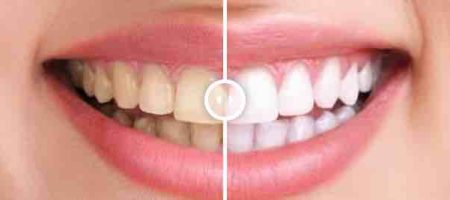
You brush daily. You floss almost every night. You have no pain, no looseness, and your teeth look perfect in the mirror. Why is your dentist always telling you about professional teeth cleaning?
The truth is that just because you have a nice smile, it does not mean that there may be some issues that need to be addressed. In fact, many dental problems occur without any pain or other noticeable symptoms, which is why visiting the dentist to get a regular dental cleaning done should never be overlooked.
What Can Develop Without You Noticing
Plaque forms on your teeth every day, no matter how careful you are with your brushing routine. Left alone in the areas your toothbrush struggles to reach, such as between teeth and along the gumline, it hardens into tartar. Once that happens, only a professional cleaning can remove it.
A few things can quietly progress in the background:
- Early gum inflammation that hasn’t started bleeding yet
- Tartar buildup in spots that are hard to clean at home
- Small areas of early tooth decay that haven’t reached a nerve
- Minor shifts in bite or wear that are easier to catch early
None of these tend to hurt right away. That’s part of the problem. By the time discomfort shows up, the issue has often had time to grow.
Even a thorough home routine misses spots. The tight space between teeth, the pockets just under the gumline, and the back molars are all common places where plaque hides. A dental hygienist has the tools and training to reach those areas safely, which is a big part of why routine dental visits stay useful even for people with excellent home care habits.
What Actually Happens During a Cleaning Appointment
A typical dental cleaning appointment covers more ground than most people expect. It’s not just a polish, it’s a checkpoint for your whole mouth.
| What happens | Why it matters |
| Oral examination | Helps identify concerns before they become painful |
| Professional cleaning | Removes plaque and tartar that brushing at home can’t reach |
| Gum evaluation | Tracks changes in gum health over time |
| Personalized guidance | Helps you adjust your daily routine based on what the dentist sees |
Most of these appointments take under an hour, and for many patients, they happen without any discomfort at all.
When No Symptoms Doesn’t Mean Nothing Is Happening
This thought comes up often, right before patients cancel or push back an appointment. Picture someone who hasn’t had any tooth pain in over a year. They assume everything is fine, until a routine exam turns up a small cavity forming between two molars, an area they couldn’t see or feel on their own.
That’s the pattern with a lot of dental problems. Early decay and early gum disease rarely announce themselves with pain. A regular dental cleaning gives a dentist the chance to catch these changes while they’re still small and simple to manage, rather than after they’ve turned into something more involved.
When Routine Care Becomes Even More Important
Some patients benefit from staying especially consistent with preventive dental appointments, including people who have:
- A history of cavities or frequent decay
- Ongoing gum concerns or a family history of gum disease
- Difficulty keeping up with daily brushing and flossing
- Braces, retainers, or other orthodontic appliances
- Dry mouth, whether from medication or another cause
- A history of tobacco use
- Existing crowns, bridges, fillings, or dental implants
- Older age, when gum recession and wear become more common
If any of these apply, it’s worth talking to your dentist about whether your current visit schedule still makes sense.
Routine Visit or Urgent Care? A Quick Guide
All dental problems don’t have to wait until the next cleaning appointment, and all cleanings don’t have to be emergencies. Here’s a simple way to think about it:
- No symptoms, but time for an exam: schedule a regular visit
- Bleeding gums or any gum alterations: get a dental examination done immediately
- Extreme tooth pain or facial swelling: need to get immediate dental help
- Tooth fracture or dental injuries: need to call your dentist immediately care
From the study, it is indicated that most adults should get their teeth checked and cleaned around two times every year. However, your dental provider might give you some advice regarding your personal situation.
How a Routine Visit Can Lead to Other Conversations
A routine cleaning is not only for maintenance; it can also serve as a good opportunity to consult your dentist on other things that you have in mind. It could be regarding fixing a chipped tooth, dental veneer for the chipped tooth or gap, and dental implants for a missing tooth. These consultations are usually easier to do after visits wherein the dentist is familiar with your mouth.
For patients in the Denver area, preventive and general dental care is often the starting point before moving into more involved cosmetic dental services. Families who rely on Medicaid coverage can also find Medicaid dental care options in the Aurora area, including guidance on locating an emergency dentist medicaid patients can turn to if a problem comes up between routine visits.
Even for patients considering a routine dental cleaning Westminster residents can reach easily, the same principle applies: a consistent schedule makes future treatment, if it’s ever needed, simpler to plan for.
FAQ
How often should I schedule dental cleanings?
Most patients benefit from a professional cleaning about every six months, though some situations call for more frequent visits. Your dentist can recommend a schedule based on your gum health and history.
Can a cleaning really catch a problem before it hurts?
Yes. Early decay and gum changes are often easier to spot during a hands-on exam than they are to feel at home, which is one of the main advantages of routine visits.
What if I haven’t been to the dentist in a few years?
That’s more common than you might think. A first appointment usually starts with an evaluation and cleaning, followed by a plan for anything that needs attention.
Is emergency dental care different from a routine cleaning visit?
Yes. Sudden pain, swelling, or an injury calls for cause attention rather than a scheduled cleaning. If you’re searching for an emergency dentist Medicaid coverage may apply to, it’s worth calling ahead to confirm what’s included.
