




You might be surprised to learn that your oral health is closely linked to your overall health. Conditions that start in your mouth, like gum disease, have been connected to other issues throughout the body, including heart disease and diabetes. That’s why addressing gum inflammation early is so important. When your dentist recommends a deep cleaning, they’re not just looking out for your teeth; they’re helping you protect your systemic well-being. This procedure is the gold standard for removing the bacterial infection at the root of the problem. When it comes to a deep cleaning, periodontal disease is a condition that requires a targeted approach to restore health and prevent future complications.
What to Expect During a Dental Deep Cleaning
- Examination: Before the deep cleaning begins, the dentist or dental hygienist will perform a comprehensive examination of your teeth and gums. They may take dental X-rays to evaluate the condition of the supporting structures of your teeth, such as the bone.
- Numbing: Deep cleaning can be uncomfortable, so local anesthesia may be administered to numb the area being treated. This helps to ensure your comfort throughout the procedure.
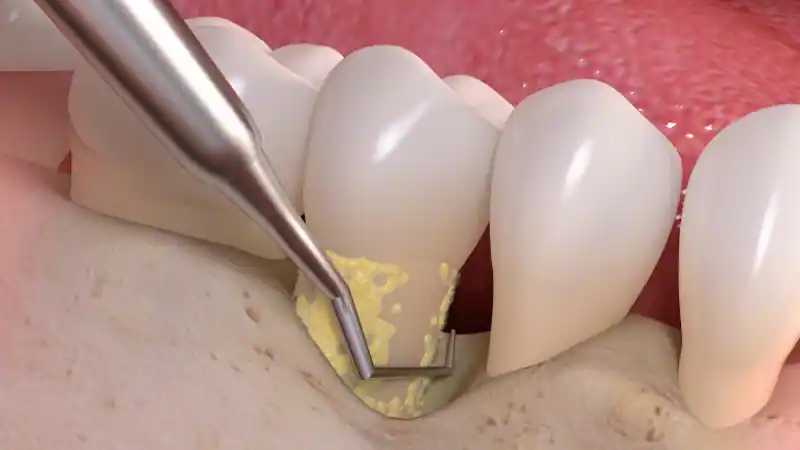
- Scaling: The first part of the deep cleaning involves scaling, which is the removal of plaque and tartar from the surfaces of the teeth and below the gumline. The dentist or hygienist will use special dental instruments called scalers or ultrasonic devices to scrape away the deposits. The process may involve both manual scaling with handheld instruments and ultrasonic scaling that uses high-frequency vibrations to dislodge the deposits.
- Root Planing: After scaling, root planing is performed. This process involves smoothing out the rough surfaces of the tooth roots to discourage the reattachment of bacteria and help the gums reattach to the teeth. It is done using the same dental instruments used during scaling.
- Irrigation: Throughout the procedure, water or an antimicrobial solution is used to flush away debris and bacteria. This helps to maintain a clean and sterile environment during the deep cleaning.
- Antibacterial Treatment: In some cases, an antimicrobial agent or antibiotic gel may be applied to the treated areas to further control bacterial growth and promote healing.
- Follow-up: Once the deep cleaning is complete, the dentist or dental hygienist will provide instructions on post-treatment care, including proper oral hygiene techniques, the use of mouthwashes, and scheduling regular follow-up visits for monitoring and maintenance.
It’s important to note that deep cleaning is usually performed in multiple appointments, focusing on specific areas of the mouth each time. This ensures thorough treatment and reduces discomfort during the procedure. Additionally, some patients may require additional treatment such as periodontal surgery or ongoing periodontal maintenance visits depending on the severity of their gum disease. Deep cleaning is a crucial dental procedure to address gum disease and prevent further damage to the gums and supporting structures of the teeth. It helps restore gum health, reduces inflammation, and promotes optimal oral hygiene. 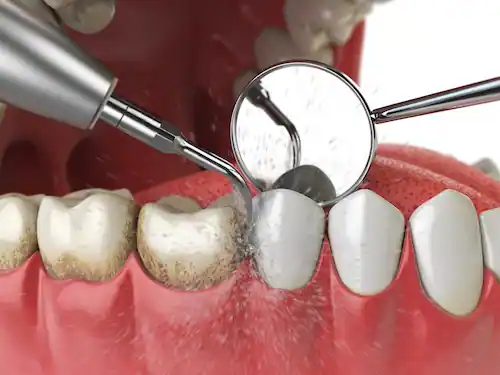
The Deep Cleaning Procedure
How Long Does a Deep Cleaning Take?
If you’re getting ready for a deep cleaning, one of the first questions you probably have is, “How long will this take?” It’s a great question, and the simple answer is to plan for about one to two hours in the dental chair. Unlike a routine cleaning, this is a more involved treatment, so the exact time can vary. For your comfort and to ensure a thorough job, your dentist might suggest splitting the procedure into two separate appointments, focusing on one side of your mouth at a time. This is especially common if there’s significant plaque and tartar to address beneath the gumline. This detailed approach is a crucial part of the comprehensive dental services we provide to effectively treat gum disease and restore the health of your smile.
What to Know Before Your Deep Cleaning
- Patient Comfort: Dentists understand that deep cleaning can be an intensive procedure, so they prioritize patient comfort throughout the process. They may use topical numbing agents to minimize discomfort during the administration of local anesthesia. Additionally, dentists may provide sedation options for patients with dental anxiety or for more complex cases.
- Follow-up and Maintenance: After deep cleaning, it’s crucial to follow the dentist’s instructions for at-home care and attend regular follow-up appointments. Maintaining good oral hygiene practices, including brushing twice a day, flossing daily, and using antimicrobial mouthwashes, can help prevent further gum disease and maintain the results of the deep cleaning.
- Potential Discomfort: While local anesthesia is used to numb the area, some patients may experience mild sensitivity or discomfort following the deep cleaning procedure. This is normal and should subside within a few days. Over-the-counter pain relievers can help manage any temporary discomfort.
- Benefits of Deep Cleaning: Deep cleaning offers several benefits beyond treating gum disease. It can help prevent tooth loss by preserving the health of the supporting structures of the teeth, such as the gums and bone. Deep cleaning can also improve overall oral health, as gum disease has been linked to various systemic conditions, including heart disease, diabetes, and respiratory issues.
- Periodontal Maintenance: In cases where gum disease is more advanced or recurring, patients may require periodontal maintenance visits following the deep cleaning procedure. These visits involve regular monitoring of the gum health, scaling, and root planing as necessary to keep the gum disease under control.
- Customized Treatment Plans: The deep cleaning procedure is tailored to each patient’s specific needs. The extent and severity of gum disease, as well as the individual’s oral health condition, are taken into consideration when planning the treatment. Dentists may recommend additional procedures or treatments, such as antibiotic therapy or gum surgery, depending on the specific situation.
- Prevention and Early Intervention: Regular dental check-ups are essential for the early detection and prevention of gum disease. Dentists can identify early signs of gum disease, such as gingivitis, and provide appropriate interventions, including professional cleanings and oral health education, to prevent the progression to more severe periodontitis.
Cost of Deep Cleaning and Insurance Coverage
It’s completely understandable to wonder about the cost of a deep cleaning. While prices vary depending on the extent of the procedure and how many appointments you’ll need, the out-of-pocket cost for scaling and root planing can often start in the range of $200 to $300. Think of it as a crucial investment in your oral health that helps prevent more complex and costly issues down the road. The best way to get a clear picture of the cost for your specific situation is to have a dental examination where your dentist can assess the health of your gums and create a precise treatment plan for you.
Will My Insurance Cover a Deep Cleaning?
This is one of the most common questions we hear, and the answer is usually yes. Most dental insurance plans will cover a portion of a deep cleaning, provided your dentist documents that it is medically necessary to treat gum disease. Our team at Dental & Implant Centers of Colorado is here to help you make sense of your benefits. We can work with your insurance provider to determine your coverage and explain any out-of-pocket expenses. We believe clear communication is key, so we also offer various financing and insurance options to ensure you can get the care you need without financial stress.
Potential Risks and Side Effects
After your deep cleaning, it’s normal to experience some temporary side effects as your gums begin to heal. You might notice mild soreness, some sensitivity to hot or cold temperatures, and a small amount of bleeding for a day or two. This is a positive sign that the healing process has started. To manage any discomfort, you can use over-the-counter pain relievers, rinse with warm salt water, or use a toothpaste designed for sensitive teeth. These symptoms should fade quickly as your gums recover and become healthier. Your comfort is a priority, and these simple steps can make the recovery period much smoother.
You may also notice that your gums appear to shrink slightly after the procedure. This happens because the deep cleaning removes the inflammation and swelling caused by bacteria, allowing your gums to tighten around your teeth in a healthier way. While this can sometimes expose a bit more of the tooth root, it’s a sign that the treatment was successful. As always, if you have any concerns about heavy bleeding or discomfort that doesn’t subside, don’t hesitate to contact your dentist. Open communication ensures your recovery is as smooth and comfortable as possible.
How Deep Cleaning Fights Periodontal Disease
Deep cleaning plays a crucial role in managing and treating periodontal disease. Periodontal disease, commonly referred to as gum disease, is a progressive condition caused by the bacteria present in plaque. When left untreated, it can lead to significant damage to the gums, tooth loss, and even affect overall oral health. The primary cause of periodontal disease is the buildup of plaque and tartar on the teeth. Regular brushing and flossing can remove plaque from the visible surfaces of the teeth, but it can be challenging to reach the plaque and tartar that accumulates below the gumline. This is where deep cleaning comes into play. During a deep cleaning procedure, the dentist or dental hygienist uses special instruments to remove the accumulated plaque and tartar from both the surfaces of the teeth and the roots. This process, known as scaling, helps eliminate the bacteria and toxins that have caused the gums to pull away from the teeth, forming pockets. If left untreated, these pockets can become even deeper, providing a favorable environment for further bacterial growth. Root planing is the next step in a deep cleaning procedure. It involves smoothing the rough surfaces of the tooth roots to discourage the accumulation of plaque and tartar. By making the roots cleaner and smoother, it becomes easier for the gums to reattach to the teeth, promoting healing and preventing the progression of periodontal disease. Deep cleaning, therefore, plays a crucial role in breaking the cycle of periodontal disease. By eliminating the bacteria, plaque, and tartar that contribute to gum disease, deep cleaning helps reduce inflammation, control infection, and restore gum health. Regular deep cleanings, along with proper oral hygiene practices at home, can significantly improve the management and long-term outcomes of periodontal disease. It is important to note that deep cleaning is typically recommended for individuals who have been diagnosed with periodontal disease or have significant buildup of plaque and tartar. Regular dental check-ups and cleanings can help detect early signs of gum disease, allowing for prompt intervention and preventive measures to maintain optimal oral health. 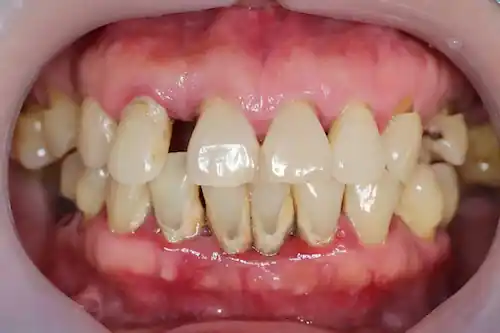
Why Your Dentist Recommended a Deep Cleaning
Surprisingly, numerous individuals can harbor periodontal disease without even realizing it! The occurrence of chronic periodontal disease is attributed to the bacteria in plaque, which causes the gums to recede from the teeth. Consequently, substantial pockets develop between the teeth and gums, fostering the growth of unreachable bacteria that regular brushing at home cannot eliminate. A recent report from the CDC reveals intriguing statistics regarding the prevalence of periodontitis in the United States. Among adults aged 30 years and above, approximately 47.2% exhibit some form of periodontal disease. Notably, the incidence of periodontal disease escalates with age, with a staggering 70.1% of adults aged 65 years and older affected by this condition. For patients suffering from chronic periodontitis, scaling and root planing prove highly advantageous as they effectively remove plaque and tartar buildup from both the teeth and roots. Prior to the procedure, the area is numbed to ensure comfort, after which the periodontist proceeds to access the root surface to eradicate plaque, bacterial toxins, and tartar. Subsequently, root planning is employed to smoothen any rough patches on the surfaces of the roots, thereby averting the accumulation of future bacteria and plaque beneath the gumline. This enables the gums to heal properly and reattach to the tooth. Nonetheless, numerous individuals fail to detect any symptoms associated with periodontal disease. Therefore, it often comes as a surprise when a dentist recommends scaling and root planing instead of a regular cleaning. It is crucial to comprehend the significance of this procedure in effectively managing periodontal disease and preventing future tooth loss, although additional treatments such as surgery may be necessary to address the disease.
Key Indicators for a Deep Cleaning
So, how do you know if you need more than a standard cleaning? Your dental team is your best guide, but there are several signs you can look out for at home. These symptoms often point to gingivitis or its more serious successor, periodontitis. Think of it as your mouth sending out an S.O.S. Key indicators include gums that are red, swollen, or bleed easily when you brush, persistent bad breath that mouthwash can’t fix, and gums that seem to be pulling away from your teeth. During your check-up, if your hygienist mentions deep “pockets” between your teeth and gums or you’ve noticed any teeth feeling loose, a deep cleaning is likely the next step to get your oral health back on track.
What Happens if You Don’t Get a Deep Cleaning?
It can be tempting to put off a recommended dental procedure, but a deep cleaning is one you shouldn’t ignore. Unlike a minor issue that might resolve itself, gum disease is progressive. Without treatment, it will only get worse. Skipping a necessary deep cleaning allows harmful bacteria to continue damaging the structures that support your teeth. This can lead to increased gum recession, deterioration of the bone in your jaw, and teeth that become loose or shift. Ultimately, this path can end in tooth loss, creating a much more complex problem to solve. The damage caused by advanced periodontal disease is often irreversible, which is why taking action early is so important for protecting your smile for the long haul.
What Happens After Your Deep Cleaning?
Following a deep cleaning or periodontal surgery, the importance of regular maintenance visits cannot be overstated. These visits play a crucial role in preserving the health of your gums and preventing the recurrence of gum disease, and are commonly referred to as “periodontal maintenance care.” For optimal oral health and the protection of your teeth and gums, it is recommended that patients schedule periodontal maintenance appointments every three months. However, the specific intervals may vary depending on the individual condition of your gums. 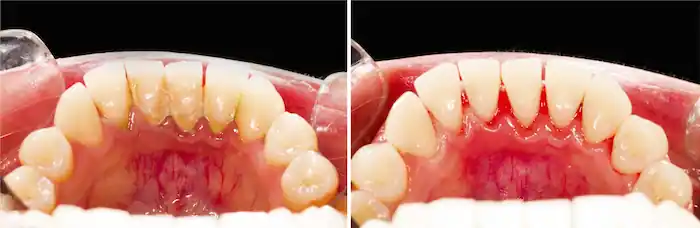
Immediate Aftercare Tips
After your deep cleaning, it’s completely normal to experience some mild sensitivity, soreness, or even a little bleeding for a day or two. Your gums just had a thorough workout! To manage any discomfort, you can use an over-the-counter pain reliever. Rinsing gently with warm salt water a few times a day can also help soothe your gums and promote healing. Our team will give you specific post-treatment instructions, but a good rule of thumb is to be gentle with your mouth. Avoid hard, crunchy, or sticky foods for the first 24-48 hours and stick to softer options. It’s also best to steer clear of tobacco products, as they can hinder the healing process. Following these simple steps will help ensure a smooth and speedy recovery, getting you back to feeling your best.
Frequently Asked Questions
How is a deep cleaning different from the regular cleaning I get every six months? Think of a regular cleaning as preventative maintenance for your car—it keeps everything running smoothly. It focuses on cleaning plaque and tartar from the surfaces of your teeth that are above the gumline. A deep cleaning, on the other hand, is more like a necessary repair. It’s a specific treatment for active gum disease that goes below the gumline to remove bacterial buildup from the roots of your teeth, where a regular cleaning can’t reach.
Will the deep cleaning procedure hurt? Your comfort is the top priority, which is why the first step is to numb the area with a local anesthetic. You shouldn’t feel any pain during the scaling and root planing, though you might feel some pressure or movement. Afterward, it’s normal to have some mild soreness and sensitivity for a few days as your gums heal, but this is easily managed with over-the-counter pain relievers and by following the aftercare instructions we provide.
Why can’t I just improve my brushing and flossing instead of getting a deep cleaning? Excellent home care is absolutely essential for your oral health, but once gum disease has progressed, brushing and flossing alone can’t reverse it. The bacteria and hardened tartar have formed deep pockets below your gumline, creating a space that your toothbrush and floss simply cannot access. A deep cleaning is the only way for a dental professional to get into those pockets and thoroughly remove the source of the infection.
Will my gums look different after the procedure? Yes, and that’s a good thing! Before the deep cleaning, your gums were likely swollen and inflamed due to the infection. After the procedure removes the bacteria and tartar, that inflammation will go down. This might make it look like your gums have shrunk slightly, but what’s really happening is they are healing and tightening around your teeth in a much healthier way.
Is a deep cleaning a one-time fix for gum disease? A deep cleaning is the crucial first step to get gum disease under control, but it’s not a one-and-done cure. Periodontal disease is a chronic condition that needs to be managed over the long term. After your initial deep cleaning, we’ll set you up with a schedule of regular periodontal maintenance appointments. These visits, typically every three to four months, are essential for preventing the disease from returning and keeping your gums healthy for years to come.
Key Takeaways
- A Deep Cleaning is a Targeted Medical Treatment: Unlike a routine polish, a deep cleaning is prescribed to treat active gum disease by removing harmful bacteria from below the gumline, which is essential for preventing bone and tooth loss.
- Expect a Comfortable and Thorough Process: Your dental team prioritizes your comfort by numbing the area before the procedure. It’s normal to experience some temporary sensitivity afterward, which is a positive sign that your gums are beginning to heal.
- Consistent Follow-Up Care is Non-Negotiable: A deep cleaning is the first step in managing periodontal disease. Protecting your oral health long-term requires committing to a regular schedule of periodontal maintenance visits to prevent the disease from returning.
