Multi Specialty Dental Clinic & Implant Center
Short answer
A dental flipper is a light, removable false tooth on a small acrylic plate that clips onto your teeth or rests on the roof of your mouth. It fills the gap while a dental implant heals, so nobody sees a missing tooth.
It is a placeholder, not a replacement. Flippers are fragile, can loosen and rub your gums, and do nothing to stop the bone under the gap from shrinking. Consumer health guides put a front flipper at about $300 to $500.
Once your implant is ready, the flipper is retired and your permanent crown goes on. See dental implants at DICC.
Losing a tooth, especially one in the front, can make you want to hide your smile right away. The good news is that you don’t have to walk around with a gap while a dental implant heals. Many patients wear a dental flipper: a simple, removable false tooth that fills the space until the permanent tooth is ready. This guide explains what a flipper is, how it’s made, how to live with it, and why it’s meant to be temporary.
Key Takeaways
- A flipper is a bridge in time, not in your mouth: It’s a removable partial denture, usually for one or two front teeth, that you wear while your implant site heals.
- It’s quick and affordable, but fragile: Flippers are made of acrylic resin, so they cost less than other options and can crack if dropped or bitten on hard foods.
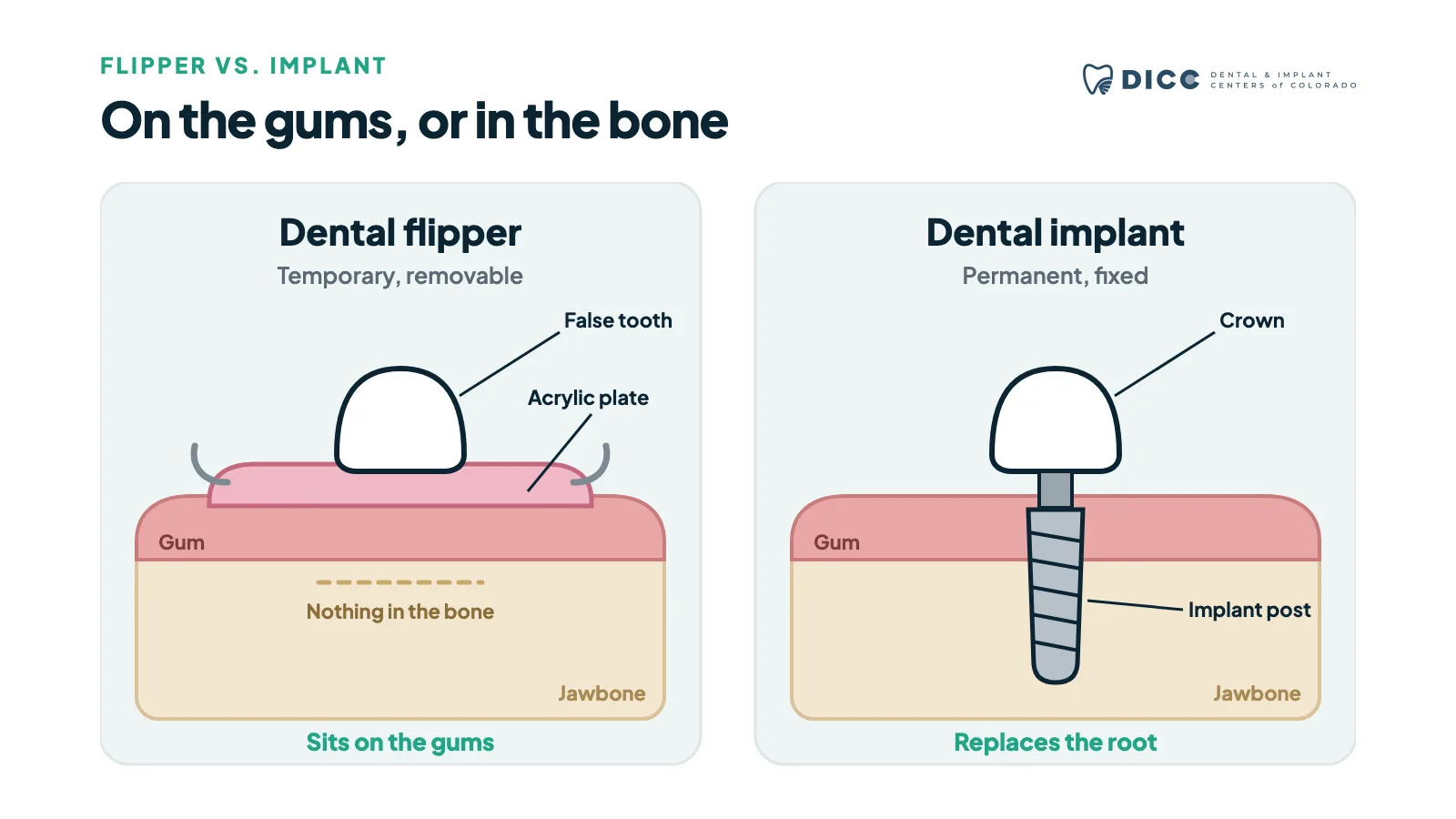
- It doesn’t protect your jawbone: Only a dental implant replaces the tooth root. A flipper sits on top of the gums, so it is a stopgap, not a long-term answer.
What Is a Dental Flipper?
A dental flipper is a type of removable partial denture. It’s a small plate made of pink, gum-colored acrylic resin with one or more prosthetic teeth attached. On the upper jaw, the plate rests against the roof of your mouth; on the lower jaw, it sits behind your lower teeth. Small wire clasps or the shape of the plate itself hold it against your natural teeth.
People call it a “flipper” because it’s so light and easy to pop in and out. It’s most often used to replace a front tooth, where a gap is most visible.
Why Would You Need a Temporary Tooth Before an Implant?
A dental implant is placed in two stages. First, a small titanium post goes into your jawbone. Then the bone needs time, usually a few months, to grow around the post and hold it firmly. Only after that is your permanent crown attached. If you also need a tooth taken out or a bone graft first, the wait can be longer.
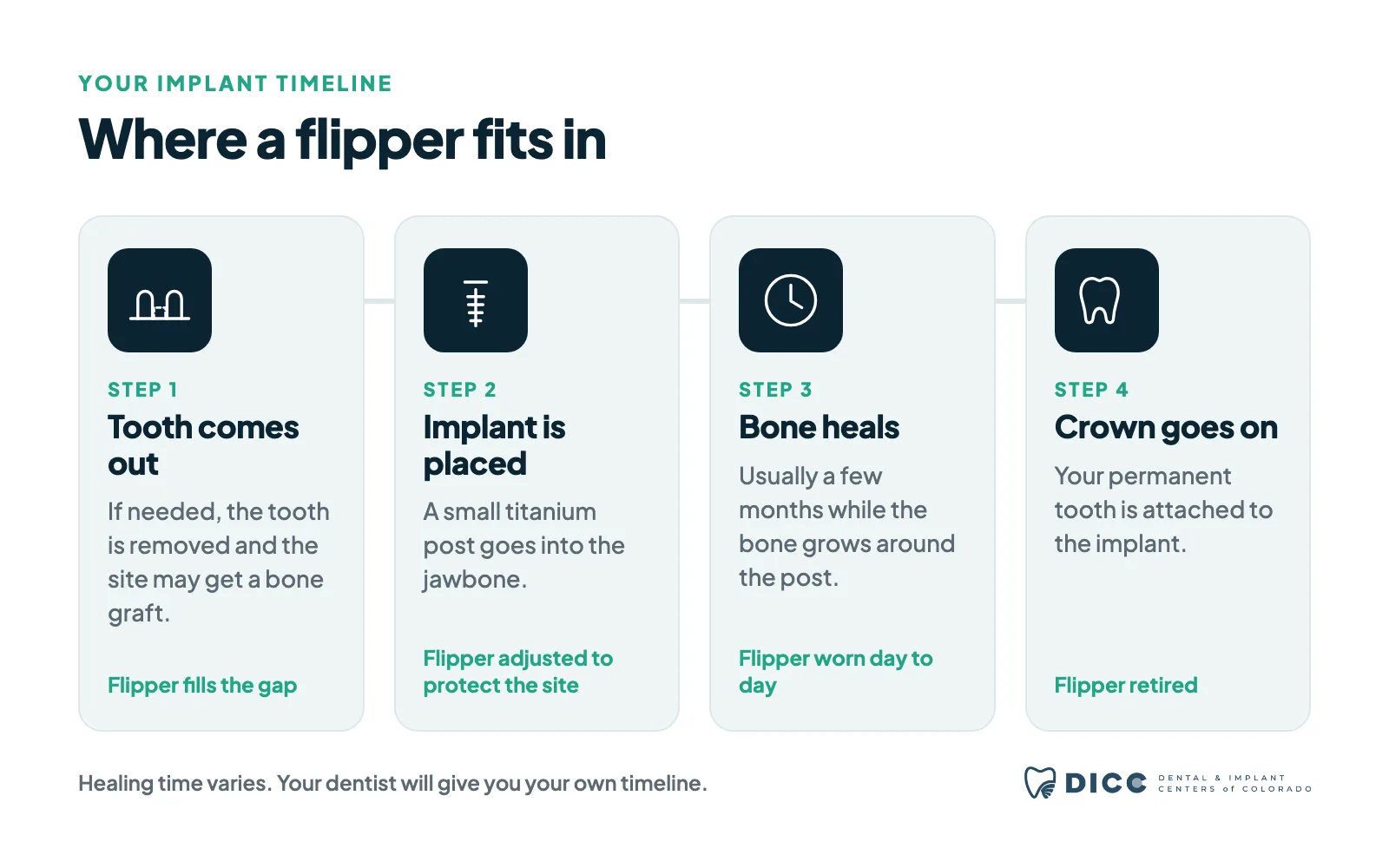
During that time, a flipper gives you a complete smile for work, photos and everyday life. It’s also useful while you save for treatment or decide which tooth replacement is right for you.
Some patients can skip the waiting period altogether with a same-day implant, where a temporary crown is attached to the implant on the day it’s placed. Whether that’s possible depends on your bone and bite, which your dentist will check.
How Is a Dental Flipper Made?
Getting a flipper is simple:
- Impressions. Your dentist takes a soft impression (a mold) of your teeth and gums, or a digital scan.
- Lab work. A dental lab makes the flipper from that impression, matching the shade and shape of your natural teeth.
- Fitting. You try it in, and your dentist adjusts any spots that press or rub.
In many cases the flipper can be ready when the tooth comes out, so you never have a gap. Ask your dentist about timing before your extraction.
What Are the Pros and Cons of a Flipper?
Advantages:
- Affordable. It’s one of the least expensive ways to fill a gap.
- Natural-looking. The tooth is shaded to match your own teeth.
- Quick. It can be made in a short time and is easy to put in and take out.
- No drilling. Your neighboring teeth aren’t filed down, as they would be for a bridge.
Drawbacks:
- Fragile. The light acrylic can crack or break, especially if you drop it or bite something hard.
- Can loosen. The fit may loosen over time and need adjusting.
- Gum irritation. It can rub or press on your gums, and it covers them, which can reduce the flow of saliva over that area.
- Plaque buildup. Without careful cleaning, food and plaque trapped under the plate raise the risk of gum disease and tooth decay in the teeth around it.
- No help for the bone. Because a flipper doesn’t replace the root, the jawbone under the gap keeps shrinking. That’s one reason it’s meant to be short-term.
How Much Does a Dental Flipper Cost?
Consumer health guides such as Healthline and Colgate put a front flipper at roughly $300 to $500. The final price depends on how many teeth it replaces, the materials and any adjustments or repairs. Dental insurance sometimes covers part of it. At DICC, a temporary tooth is often part of your overall implant plan, and we’ll go through the costs with you before you start. Read more in What Is the True Cost of Dental Implants? and on our financing page.
What Is It Like to Wear a Flipper?
Expect it to feel bulky or awkward at first. Most people get used to it within a few weeks. Some speech changes, like a slight lisp, are common at the start and usually fade as your tongue adjusts.
If the flipper hurts, presses on one spot or makes your gums sore after the first days, don’t try to fix it yourself. Your dentist can adjust it in a short visit.
Can You Eat With a Dental Flipper?
Yes, but carefully. Start with soft foods cut into small pieces, and chew with both sides of your mouth. Avoid biting into hard or sticky foods with the flipper tooth, such as apples, crusty bread, nuts or caramel, since they can crack or dislodge it. Dark foods and drinks like coffee, red wine and beets can stain the acrylic over time.
Should You Sleep With a Flipper In?
Ask your dentist. Advice varies with your situation, especially right after an extraction or implant surgery. Many dentists suggest taking removable appliances out at night to give your gums a rest, and keeping them moist while you sleep.
How Do You Clean and Care for a Flipper?
A few daily habits keep your flipper and your gums healthy:
- Clean it every day with a soft-bristle brush, warm (not hot) water and mild soap or a denture cleaner. Avoid regular toothpaste, which can scratch the acrylic.
- Keep it moist when it’s out of your mouth, in water or a denture soak, so it doesn’t dry out and warp.
- Brush and floss your natural teeth and gently clean your gums before putting it back in.
- Handle it over a towel or a sink of water so it doesn’t break if you drop it.
- Don’t push it in and out with your tongue, which can loosen the clasps.
What Are the Alternatives to a Flipper?
A flipper isn’t the only way to fill a gap while you wait:
- Clear retainer with a tooth. A thin, clear tray that snaps over your teeth with a false tooth in the gap. It’s less bulky but you can’t eat with it.
- Temporary bridge. A fixed temporary tooth bonded to the teeth on either side. It stays in, but it relies on those neighboring teeth.
- Same-day temporary crown on the implant. When your bone allows it, a temporary tooth is attached to the implant the day it’s placed.
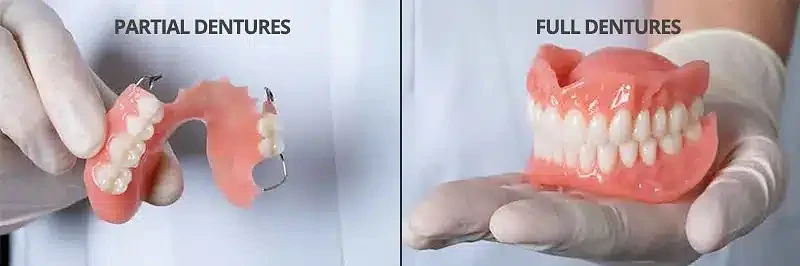
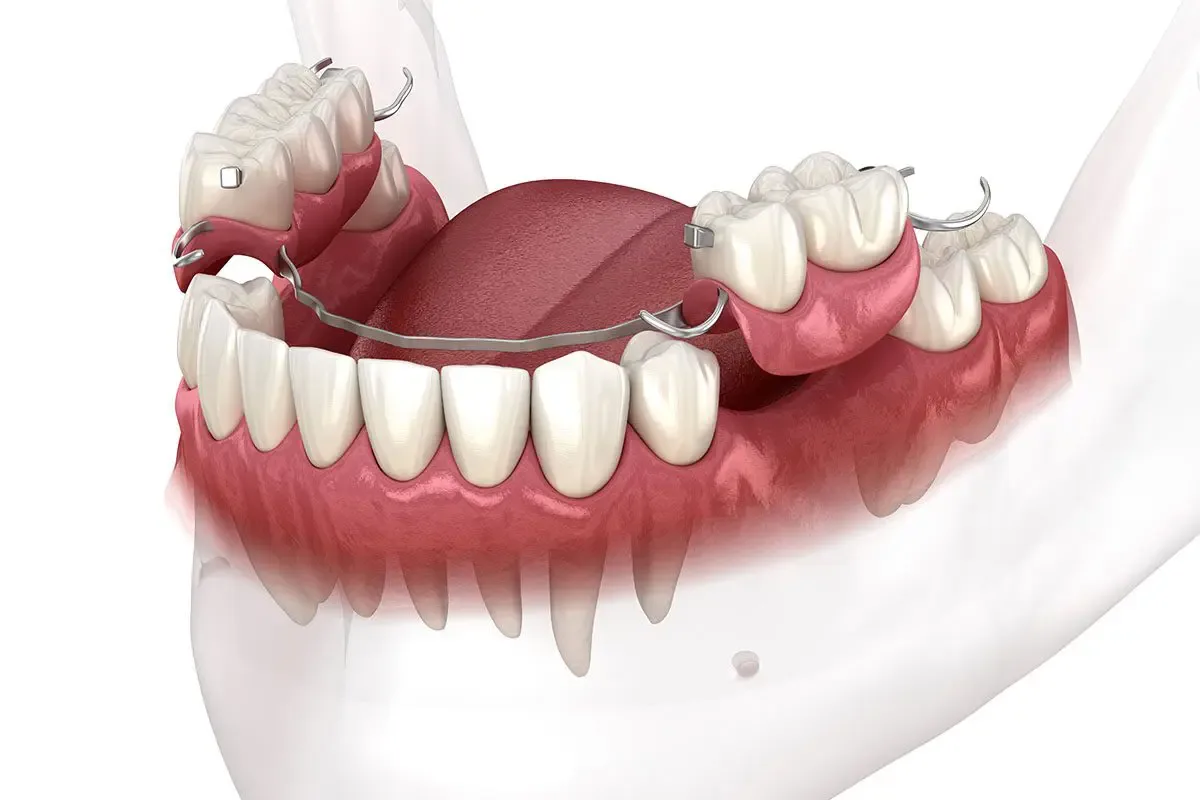
- Partial denture. A sturdier removable partial, often with a metal frame, for patients missing several teeth. See Dentures and Partials: Are They Your Best Option?.
For the long term, the choice is usually between a dental implant and a bridge. Your dentist will help you weigh them.
Frequently Asked Questions
How long can you wear a dental flipper?
A flipper is designed for short-term use, typically for the months your implant takes to heal. Because it’s fragile, can loosen and doesn’t protect the jawbone, it isn’t a good permanent replacement.
Does a flipper hurt?
It shouldn’t. It may feel strange and a little sore during the first days. Ongoing pain or pressure means it needs an adjustment.
Can people tell I’m wearing a flipper?
Usually not. The tooth is matched to your natural teeth, and the plate sits behind your teeth or on the roof of your mouth.
Can I wear a flipper right after implant surgery?
Often, yes, but it may need to be adjusted so it doesn’t press on the healing site. Follow your surgeon’s instructions on when to start wearing it.
Related Articles
- How Same-Day Dental Implant Procedures Really Work
- What Is the True Cost of Dental Implants?
- Dental Implants vs. Bridges: Which Should You Choose?
- How to Master Your Dental Implant Care Routine
Planning an implant? Dr. Kaushal Dhawan, our prosthodontist and founder, sees implant patients at all three offices: Cherry Creek, Boulder and Westminster/Broomfield.