




Your smile is one of the first things people notice, and feeling great about it can change how you carry yourself. For many, investing in their smile is an investment in their confidence. If you have healthy teeth but wish you could change their appearance—maybe they’re discolored, slightly crooked, or worn down—a dental veneer could be the perfect solution.
This cosmetic treatment is designed to create a beautiful and natural-looking facade, giving you the smile you’ve always wanted. We’ll cover the entire process, from the different types of veneers available to financing options that make your dream smile an accessible reality.
You’re probably looking for a way to get the best aesthetic teeth possible and end up looking for a “Dental Veneer Near Me“, which has led you to us. Ah! Don’t worry; we got you! In today’s era, aesthetics is all we care and talk about. This is exactly what has led cosmetic dentistry to shine. Their goal to create a perfect set of teeth for everyone is why they are in so much demand. One of their creations, Dental Veneer, is something that is being talked about everywhere. Here we will clear all the confusions and myths regarding it and tell you where to get the Best Dentist for Dental Veneers in Colorado. So if you are a beginner and want to smile fully without getting embarrassed, you must read it till the end.
What Can Dental Veneers Do For Your Smile?
A veneer is a dental elective procedure where a dentist places thin tooth-colored shells/covers in front of the teeth. They come in different types; porcelain, composite, palatal, lumineers, and removable ones. Each one of them is used for different purposes and has its own pros and cons. Dental Veneer has revolutionized the dentist industry, making it easier for people to attain their desired look.
They are mostly chosen by the people to change the shape, length, or hide the discoloration of the teeth. Dental Veneers are also efficient in fixing cracked and worn down teeth. The best part is that they are minimally invasive and can last up to 5-15 years, depending upon the type of veneer you get. I mean, isn’t that amazing? So if you’re someone with a tooth gap or have stains on teeth due to excessive fluoride, this procedure is made for you.
Achieve a Natural, Flawless Look
Think of dental veneers as thin, custom-made covers designed to fit perfectly over the front of your teeth. Made from materials like porcelain or composite resin, they are an excellent way to address cosmetic concerns. If you have chips, cracks, stains, or even small gaps between your teeth, veneers can conceal these issues and create a more uniform, beautiful smile. They are meticulously crafted to match the color and shape of your surrounding teeth, so the result is both stunning and completely natural. It’s a straightforward way to get the smile you’ve always wanted without extensive procedures, making it one of the most popular cosmetic services we offer.
Enjoy a Stain-Resistant Smile
One of the best features of porcelain veneers is that they are largely stain-resistant. This is a huge plus if you’re a fan of coffee, tea, or red wine. While your natural teeth can absorb pigments from food and drinks over time, leading to discoloration, veneers maintain their bright, white appearance for years.
This means you can enjoy a consistently radiant smile with less worry about future staining. It’s a durable solution that not only improves the look of your teeth immediately but also helps keep them looking great long-term, giving you lasting confidence in your smile.
Restore Damaged Enamel
Tooth enamel is the hard, protective outer layer of your teeth, and once it’s gone, it doesn’t grow back. Enamel can wear down over time due to acid erosion from foods and drinks or from grinding your teeth. When this happens, your teeth can become more sensitive and vulnerable to damage.
Veneers offer a fantastic solution by covering the front surface of the tooth, effectively becoming a new, protective layer. This not only restores the tooth’s appearance but also shields the damaged enamel from further harm, providing both a cosmetic and functional fix for worn-down teeth.
Types of Dental Veneers
When you decide to improve your smile with veneers, it’s helpful to know that you have a few options. Dental veneers are thin shells bonded to the front of your teeth to correct issues like deep stains, chips, gaps, or uneven shapes. The right type for you depends on your specific goals, budget, and what you discuss with your dentist.
The most common materials are porcelain and composite resin, but there are also specialized types like no-prep and even removable veneers. Each has its own set of benefits, from durability and appearance to cost and the time required for the procedure. Understanding these differences is the first step toward making an informed decision about your smile.
Porcelain Veneers
Porcelain veneers are often considered the gold standard in cosmetic dentistry, and for good reason. They are crafted from a strong, high-quality ceramic that does an incredible job of mimicking the light-reflecting properties of natural tooth enamel. This gives them a very realistic and lifelike appearance.
Beyond their beauty, porcelain veneers are highly durable and resist stains exceptionally well, so your smile stays bright. While they typically require more than one visit and are a bigger investment upfront, their longevity and flawless finish make them a popular choice for a complete smile transformation.
Composite Resin Veneers
If you’re looking for a more budget-friendly or faster option, composite resin veneers are an excellent alternative. These veneers are made from a tooth-colored resin that your dentist applies directly to your teeth and sculpts into the desired shape during a single appointment.
This means you can walk out with a brand-new smile in just one visit. While they may not be as stain-resistant or long-lasting as porcelain, composite veneers are a fantastic way to fix minor chips, cracks, or discoloration without a significant time or financial commitment. Plus, they are easier to repair if they ever get damaged.
No-Prep Veneers
For those who are hesitant about altering their natural teeth, no-prep veneers, such as Lumineers, offer a minimally invasive solution. These veneers are incredibly thin—about as thick as a contact lens—so they can often be placed with little to no removal of your natural tooth enamel. This makes the process reversible, which is a major advantage for many people.
Because the preparation step is skipped, the procedure is quicker and more comfortable. No-prep veneers are a great choice for correcting minor imperfections like slight discoloration or small gaps while preserving your original tooth structure.
Removable (Snap-On) Veneers
Removable veneers, also known as snap-on veneers, are a non-permanent and affordable option for instantly changing your smile’s appearance. Think of them as a custom-made accessory for your teeth. They are designed to fit snugly over your existing teeth without the need for any dental adhesive or preparatory work. While they aren’t a long-term solution for dental problems and should be removed for eating and sleeping, they are perfect for special occasions or for anyone wanting to “try on” a new smile before committing to a more permanent cosmetic procedure, or even considering a full mouth dental implants procedure. They offer a quick, painless, and reversible way to see a dramatic change.
Veneers vs. Crowns: What’s the Difference?
It’s common for people to mix up veneers and dental crowns, but they serve very different purposes. The easiest way to think about it is that veneers are primarily for cosmetic improvements, while crowns are for restoring a tooth’s function and strength. A veneer is like a new facade for a tooth, covering only the front surface to make it look better.
A crown, on the other hand, is like a protective helmet that encases the entire tooth. The choice between the two depends entirely on the health of your tooth and your ultimate goal. If your tooth is healthy but you want to improve its appearance, a veneer is likely the answer. If the tooth is weak, cracked, or has a large filling, a crown is usually the necessary restorative solution.
Cosmetic Enhancement vs. Tooth Restoration
The core difference lies in their primary function. Veneers are designed purely for cosmetic enhancement. They are the go-to choice for fixing things like stains, chips, or gaps on an otherwise healthy tooth. The procedure also involves removing only a very thin layer of enamel from the front of the tooth.
Crowns, however, are a restorative treatment. They are used when a tooth is significantly damaged by decay, a large cavity, or a fracture. A crown’s job is to hold the tooth together, restore its shape, and protect it from further damage. This requires removing more of the tooth structure to ensure the crown fits securely over it, or when multiple teeth are involved, a fixed zirconia bridge may be used for long-term strength and durability.
How Much of the Tooth is Covered?
The amount of tooth coverage is another key distinction. A veneer is a thin shell that is bonded only to the front surface of the tooth. Its purpose is purely aesthetic, so it only needs to cover the part of the tooth that people see when you smile. A dental crown, by contrast, covers the entire tooth—front, back, and chewing surface—all the way down to the gumline. This complete coverage is what gives a weak or damaged tooth the strength and support it needs to function properly. When you consult with our team, we can help determine which option best suits your dental health and cosmetic goals.
Are You a Good Candidate for Veneers?
If you’re wondering whether I’m the perfect candidate for Dental veneers or not, then this is something that only an Expert Dentist for Dental Veneer can tell. It requires professional examination of teeth and oral cavity. However, there are certain factors in which usually Veneers doesn’t give the best result:
- If you have tooth decay (Teeth that show signs of demineralization or weakened enamel), dental Veneer is not the right choice for Veneers.
- If you have inflamed gums: Dental Veneers don’t adhere perfectly to the bleeding/swollen/irritated gums; hence one should treat their gingivitis first before going for this procedure.
- if you have a habit of grinding your teeth: This can lead to the fracture or chipping of the Veneers
However, it is advised to first visit the Best Dental Veneer Clinic in Denver before deciding it yourself.
Understanding the Risks and Downsides
Veneers can be a fantastic way to achieve the smile you’ve always wanted, but it’s important to go into the process with a full picture. Like any dental procedure, there are a few things to consider to make sure they’re the right long-term choice for you. Understanding these aspects helps you make an informed decision and ensures you’ll be happy with your results for years to come. It’s all about weighing the cosmetic benefits against the practical commitments involved. Let’s walk through what you should know before scheduling your consultation.
Veneers are an Irreversible Procedure
One of the most critical things to understand is that getting veneers is a permanent decision. To ensure the thin porcelain shells fit perfectly and look natural, your dentist needs to prepare your teeth by removing a small amount of enamel.
According to Colgate, this change is permanent because tooth enamel doesn’t grow back. This isn’t something to be scared of—it’s a necessary step for a seamless, beautiful result. However, it does mean that once you have veneers, you will always need to have them, or another restoration like a crown, on those teeth.
They Require Future Replacement
While veneers are incredibly durable, they don’t last forever. Think of them as a long-term investment in your smile that will require maintenance down the road. Most veneers have a lifespan of about 10 to 15 years, after which they will need to be replaced.
This is a crucial factor to consider in your long-term planning. Proper care, like maintaining good oral hygiene and avoiding biting down on hard objects, can extend their life, but replacement is an eventual and necessary part of the process to keep your smile looking its best.
Potential for Chips and Cracks
Just like natural teeth, veneers can chip or crack. While the porcelain material is strong, it’s not indestructible. Habits like chewing on ice, biting your nails, or using your teeth to open packages can put your veneers at risk. If a veneer does get damaged, it can’t be repaired—the entire veneer will need to be replaced. If you notice a chip, crack, or feel a veneer becoming loose, it’s important to contact your dentist right away to prevent further damage to the veneer or your underlying tooth.
How Much Do Dental Veneers Cost?
The cost of dental veneers is one of the biggest factors for most people considering this cosmetic treatment. It’s a significant investment in your confidence and appearance, so it’s helpful to have a clear idea of the potential expenses.
The final price can vary quite a bit based on the material you choose (porcelain is typically more expensive than composite), the number of teeth you’re treating, and your dentist’s specific fees. Getting a personalized quote during a consultation is the best way to understand the exact cost for your unique smile goals.
Average Cost of Veneers
To give you a general idea, the cost of a single veneer can range from several hundred to a few thousand dollars. For example, data from Aspen Dental shows their average cost is around $1,329 per tooth, with prices falling anywhere between $916 and $2,086.
The total cost will naturally depend on how many veneers you need to achieve your desired look. Some people may only need one or two to correct minor imperfections, while others might opt for a full set of six or eight for a complete smile makeover.
Does Dental Insurance Cover Veneers?
This is a common question, and the answer is usually no. Because veneers are considered a cosmetic procedure, most dental insurance plans do not provide coverage for them. Insurance is typically designed to cover restorative treatments that are medically necessary for your oral health, like fillings or crowns. The Cleveland Clinic confirms that since veneers are elective and intended to improve appearance, you should plan for the cost to be an out-of-pocket expense. It’s always a good idea to check with your provider, but it’s best to prepare for this reality.
Financing Your New Smile at DICC
We understand that the cost of veneers can feel like a hurdle, but we don’t believe it should stand in the way of you getting a smile you love. At Dental & Implant Centers of Colorado, we are committed to making your dream smile accessible and affordable. We offer a variety of financing and insurance options to help you manage the cost in a way that fits your budget. Our team can walk you through third-party financing plans and help you find a solution that makes your smile transformation a reality.
The Dental Veneer Process, Step by Step
Dental Veneer in Denver is well known for its multi advantages. Therefore, many clinics have been established for cosmetic dental surgery. Dental and Implant Centers of Colorado, DICC is one of the Best Dental Veneer Clinic in Denver where highly experienced implant prosthodontists perform this procedure.
The whole process begins with the registration, which is completely online and hassle-free. You have to visit their site and boom! You’ll be sitting in their clinic, which is located in three different cities. Once you are there, the highly qualified doctors in DICC will check whether you’re a suitable candidate for the surgery or not by various imaging techniques. They will discuss the goals of the surgery in detail and will listen to your queries attentively.
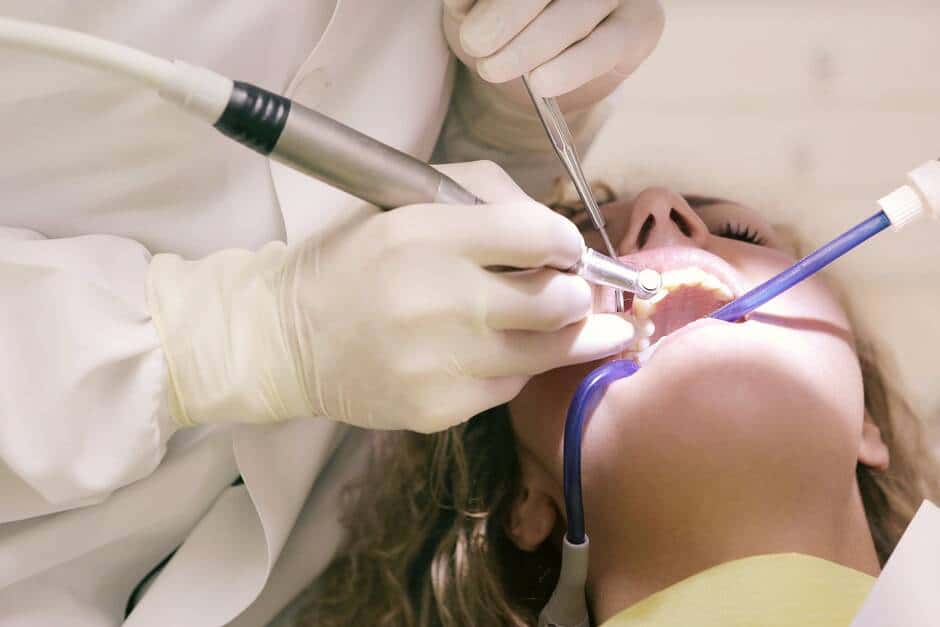
The actual procedure begins with the dentist removing a thin layer of your enamel to create a space so that the veneer can easily adhere to your teeth and then would take an impression of your teeth to get the accurate size of the veneer.
In the next sitting, the dentist at DICC would use dental cement to bond the veneer at its place. In the final step, the dentists use ultraviolet rays to harden the cement quickly. It doesn’t take more than two hours to have a brand new smile. The clean environment, skilled dentists, and welcoming staff at DICC make the whole process even better.
Temporary Veneers: The In-Between Step
After your teeth are prepared for your permanent veneers, there’s a short waiting period while the dental lab crafts your custom smile. But don’t worry, you won’t leave the office with oddly shaped teeth. During this time, your dentist will place temporary veneers.
These serve a dual purpose: they protect your prepared teeth from sensitivity and damage, and they give you a preview of your new look. Think of them as a trial run. This in-between step ensures your smile looks great and your teeth stay healthy while you wait for the final, beautifully crafted veneers to be permanently bonded.
A Comfortable and Pain-Free Process
One of the most common questions people have about dental work is, “Will it hurt?” When it comes to getting veneers, you can relax. The entire process is designed to be comfortable and involves little to no pain. Before the dentist begins, they will apply a local anesthetic to numb the area completely, so you won’t feel anything during the tooth preparation or placement stages. Most patients report feeling perfectly comfortable throughout their appointments. At DICC, our experienced team prioritizes your comfort, ensuring your journey to a new smile is as smooth and stress-free as possible.
No Downtime or Recovery Period
If you’re worried about having to take time off work or change your schedule after getting veneers, I have great news. There is virtually no recovery time needed. Once your permanent veneers are bonded in place and any numbing medication wears off, you can get right back to your normal activities.
You can eat, drink, and go about your day immediately. While your new veneers are incredibly durable, it’s always a good idea to avoid chewing on ice or using your teeth to open packages. Otherwise, you can simply walk out of the clinic and start showing off your brand-new, confident smile.
Getting Dental Veneers in the Denver Area
When you’re ready to transform your smile, you want to know you’re in the hands of an expert. Dental & Implant Centers of Colorado is a top choice for cosmetic dentistry, with highly experienced prosthodontists who specialize in creating stunning, natural-looking results with veneers.
With convenient locations in Cherry Creek, Boulder, and Broomfield/Westminster, accessing expert care is simple. The first step is a consultation to discuss your goals and determine if veneers are the right solution for you. We can explore all of our dental services to create a personalized plan for your perfect smile.
Caring For Your New Veneers
It’s easier to get this procedure but to maintain it is a whole different story. The longevity of Dental veneers highly depends on the post-care of it. According to Expert Dentists For Dental Veneer, one should take care of oral hygiene the way they used to do it before the surgery. Brush twice a day, floss, and visit a dentist every 6 months for a dental check-up and cleaning. Patients might feel slightly sensitive to hot and cold food and drink for a while, but it isn’t something to worry about. Moreover, one should avoid biting nails or chewing hard objects to prevent breaking of the veneers. If something doesn’t feel right or natural to you, better visit the dentist.
Keeping Your Natural Teeth Healthy
One of the biggest misconceptions about veneers is that they make your natural teeth invincible. While they create a beautiful, protective shield for the front of your teeth, the underlying tooth structure is still susceptible to decay. Think of it like this: a veneer is a new facade on a house, but you still need to maintain the foundation and structure behind it. Your teeth can still get cavities, especially along the gumline and on the parts of the tooth not covered by the veneer. That’s why maintaining a stellar oral hygiene routine is non-negotiable. A healthy foundation is essential for ensuring your veneers—and your smile—last for years to come.
Daily Care Tips for Long-Lasting Veneers
Caring for your veneers is a lot like caring for your natural teeth, but with a few key considerations to keep them looking pristine. Your daily routine should focus on gentle but effective cleaning to protect both the veneers and the teeth underneath. Brush at least twice a day with a soft-bristled toothbrush and a non-abrasive fluoride toothpaste. Aggressive brushing or gritty toothpaste can scratch the polished surface of your veneers over time. Don’t forget to floss once a day! Flossing is crucial for cleaning the tight spaces between your teeth and removing plaque where the edge of the veneer meets your gumline.
Choose the Right Mouthwash
When you’re rinsing, be sure to check the label on your mouthwash. Many popular brands contain alcohol, which can be bad news for your veneers. Over time, the alcohol can soften and weaken the bonding agent that holds your veneers securely to your teeth. To be safe, opt for an alcohol-free antibacterial mouthwash. It will still give you that fresh, clean feeling and kill germs without compromising the integrity of your beautiful new smile. It’s a small switch that can make a big difference in the longevity of your investment.
Protect Veneers from Impact and Grinding
Veneers are crafted from durable materials, but they aren’t indestructible. Habits like chewing on ice, biting your nails, or using your teeth to open packages can cause them to chip or crack. Another major concern is teeth grinding, or bruxism, which often happens unconsciously while you sleep. The constant pressure can put immense stress on your veneers. If you know or suspect you grind your teeth, it’s essential to talk to a professional. The experts on our team can fit you for a custom nightguard to protect your smile while you sleep.
Be Mindful of Hard Foods
You don’t have to give up your favorite crunchy foods, but you might need to change how you eat them. Biting directly into very hard foods like raw carrots, apples, or tough bread crusts with your front teeth can put your veneers at risk. Instead of taking a big bite, simply cut these foods into smaller, more manageable pieces and chew them with your stronger back teeth. This simple adjustment allows you to enjoy all the foods you love without putting unnecessary pressure on your veneers, helping to prevent any accidental chips or fractures.
How Long Will My Veneers Last?
As mentioned earlier, Dental Veneers are of various types, each having its duration of longevity. The Porcelain veneer can last up to almost 10 to 15 years, while Lumineers can last the longest, 20 years. In addition to Veneer material, other factors affect their lifespan, such as dental hygiene, protecting your mouth when you’re playing sports, and not clenching your teeth. It is also advised not to use your teeth to open cans or other objects. Such practices can lead to a longer duration of sustainability of Veneers.
Ready for Your Dream Smile?
If you’re looking for methods to make your teeth look the brightest and aesthetically perfect, then dental Veneers is the right choice for you. A short, simple procedure with minimum complications is being provided at DICC. This is the place where your oral health would be prioritized and be in the best-skilled hands. So what are you waiting for? Hurry up and book your appointments at DICC and say goodbye to your stained, crooked teeth. The Best Dental Veneer Clinic in Denver is waiting for you all.
Frequently Asked Questions
Will the process of getting veneers hurt?
Not at all. Your comfort is the top priority, so the dentist will use a local anesthetic to completely numb your teeth and gums before starting any work. You won’t feel anything during the preparation or placement. Most people are surprised by how comfortable the entire experience is and report no pain, just excitement about their new smile.
How do you make sure veneers look natural and not like fake teeth?
This is where the artistry of cosmetic dentistry really shines. Creating a natural look is a team effort between you and your dentist. We carefully select the perfect shade, shape, and size to complement your facial features and match your surrounding teeth. The porcelain material itself is chosen for its ability to mimic the translucent, light-reflecting quality of real tooth enamel, ensuring your new smile looks beautiful, not artificial.
What happens when my veneers eventually need to be replaced?
When it’s time to replace your veneers, the process is quite straightforward. Your dentist will carefully remove the old veneer, clean the underlying tooth, and then take a new impression to have a replacement custom-made. It’s much simpler than the initial procedure because the foundational tooth preparation has already been done. Think of it as routine maintenance to keep your smile looking its best for another decade or more.
Can I just get one or two veneers, or do I need a full set for my smile?
You absolutely can get just one or two veneers. This is a very common approach for people who have a single tooth that is chipped, cracked, or discolored and doesn’t match the rest of their smile. The key is meticulous color-matching to ensure the new veneer blends in seamlessly with your natural teeth. You don’t need a full makeover to fix a minor imperfection.
I grind my teeth at night. Does that mean I can’t get veneers?
Teeth grinding doesn’t automatically disqualify you, but it is an important factor to discuss with your dentist. To protect your investment, the most common solution is to have a custom nightguard made.
This is a simple, comfortable appliance you wear while you sleep that prevents the grinding forces from damaging your new veneers. It’s an easy way to ensure your beautiful smile stays safe and sound.
Key Takeaways
- Veneers are for cosmetic improvements on healthy teeth: They are thin, custom shells that cover the front surface of your teeth to fix issues like stains, chips, or small gaps, creating a natural and uniform smile.
- Getting veneers is a permanent decision: The process requires removing a small amount of tooth enamel, which is irreversible. You should plan to always have your teeth covered and to replace your veneers every 10-15 years. If cost is a concern, you may also consider consulting a Medicaid dentist to explore coverage options and make the procedure more affordable.
- Protect your investment with simple daily habits: To ensure your veneers last, maintain excellent oral hygiene, use a soft toothbrush, and avoid biting into hard foods or objects. If you grind your teeth, a custom nightguard is essential for preventing damage.
For more insights, updates, and expert tips, follow us on LinkedIn.
