





Struggling with a Gag Reflex from Dentures? Check This Out
Adjusting to a fresh pair of dentures can bring about various uncomfortable experiences that one may need to tolerate or ignore. However, should spitting and gagging be considered as acceptable side effects?
Let’s discuss the gag reflex. Some individuals have a stronger reflex than others, but is it related to having a weak stomach?
Well, not necessarily. For instance, there are people who can handle changing diapers for an extended period without gagging. However, there are times when a gag might be expected, even for them.
Those same people who change diapers could hear someone retching and suddenly start dry-heaving, perhaps out of empathy or being grossed out, but empathy sounds kinder.
Or maybe you’ve seen a toddler excitedly feeding themselves, a cute sight indeed. Their plump little hands scoop food from the highchair tray and straight into their open mouth.
As they improve, they grab more of their food from the tray. Before you know it, it’s not just a single Cheerio, but a whole Munchkins donut hole from Dunkin’.
The process continues, and before you know it, your child has stuffed their mouth with more food than they can handle. You’re not sure if they’re playing a game of chubby bunny or what’s going on. You’ve cautioned them, but they’re quick and cute.
You watch knowingly as their eyes widen and the gagging begins. The gag reflex is doing its job since too much food has been crammed into a tiny space. Whew.
You think, “Thank goodness for the gag reflex.” It saved your child from choking and reminded you to be grateful for a tray that’s easy to clean.
Our gag reflex can be both a blessing and a curse since some people have more sensitive reflexes that kick in at inconvenient times.
Did you know that dentures can also trigger the gag reflex?
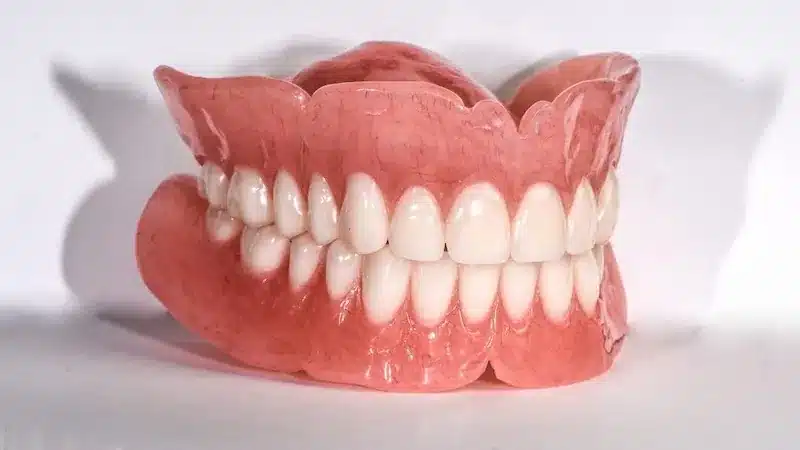
Why Do Dentures Make You Gag?
It’s a good question.
We’re not talking about seeing your granny’s dentures soaking in the kitchen sink; we’re referring to the gagging sensation people experience while wearing dentures. It doesn’t seem right.
This raises another question: do natural teeth cause gag reflexes? No, they don’t. Natural teeth don’t trigger the gag reflex.
So why do replacement teeth that are supposed to feel natural cause an unnatural response? Ideally, dentures should not make you gag. But the reality is that they often do.
When you get a new set of false teeth, there are various unpleasant side effects that you must adapt to or ignore. But why should spitting and gagging be an acceptable side effect?
Imagine having a discussion with your boss when you suddenly start spitting and gagging due to your dentures. It doesn’t sound pleasant. You might consider using bibs that you share with everyone you talk to as your new go-to tactic.
Don’t worry, it’s perfectly normal to experience gagging when wearing new dentures. It’s simply part of the adjustment process as a denture-wearing adult.
Does that ease your mind a bit? Gagging with dentures is expected, so there’s no need to stress. Hooray!
It may seem unbelievable, but it’s true. It’s like saying you’re going to purchase oceanfront property in Arizona.
Gagging With New Dentures: What’s Normal and What’s Not
Some level of gagging can be normal when dentures are brand new, especially in the first few weeks. Swollen gums, sore tissues, and increased saliva can all contribute to discomfort during this period. Light gagging that gradually improves is usually part of the adjustment process.
What is not normal is constant gagging, dry heaving, or feeling like the denture is always sitting too far back in the throat. Dentures should feel secure and balanced, not intrusive. If gagging remains strong or unpredictable, it often means the denture needs to be adjusted, relined, or re-evaluated altogether.
How does gagging happen?
Gagging is essentially the opposite of swallowing. Instead of allowing food or objects to pass through your digestive system, your brain signals your throat to close off, preventing choking. As your pharynx contracts, your larynx rises to form a seal at the back of your mouth.
Our mouths are accustomed to our natural teeth and the presence of our tongue. They grew in naturally, and our bodies are accustomed to them. So, our gag reflex doesn’t pay them any attention.
Contrary to popular belief, dentures are far from natural. When we place these unnatural devices in our mouths and take up space, it becomes an issue for the gag reflex.
In essence, it’s as if our gag reflex views dentures as the enemy and cries out, “Danger, Will Robinson! Danger!” It then attempts to expel these troublesome dentures from its territory.
The roof of our mouth is our gag zone, and dentures have a plate that covers the entire gag zone. It’s no wonder that they frequently cause people to gag.
Ask yourself this question: “Can I brush my back teeth without gagging?” If you have a tendency to gag while brushing your teeth, then it’s likely that dentures will be a problem for you as you have a more sensitive gag reflex.
Moreover, your gag reflex may be trying to tell you that your dentures are not fitting properly. If they are placed too far back in your mouth, it can cause irritation and trigger the gag reflex.
For many denture wearers, the plate of their dentures can extend to the throat and continually stimulate the gag reflex. Unfortunately, dentures are bulkier than natural teeth and cover the palate, which is another area that can trigger the gag reflex.
What to do if your dentures are gagging you
So, if your dentures are causing you to gag, there are several tips and tricks you can try to reduce the gagging sensation. However, it’s important to note that these tips may not completely eliminate the problem.
One reason why you may be experiencing gagging is because you recently had all of your teeth extracted, and your gums are still recovering. The dentures are sitting on top of swollen and painful gums, making your mouth uncomfortable. This discomfort can trigger your gag reflex.
Another issue is that wearing dentures can cause your mouth to produce excess saliva, which can exacerbate the problem.
To reduce gagging, you can try holding your tongue in a different position when inserting your dentures. You can also use your tongue to hold the dentures in place while they settle into position. These techniques may help to alleviate some of the discomfort and reduce the likelihood of gagging.
The shrinking of your jawbone due to age and deterioration can cause your dentures to fit poorly, so you may need to have them relined. It’s worth noting that wearing dentures can also contribute to jawbone shrinkage.
To distract yourself from gagging while putting your dentures in your mouth, try engaging in another activity, such as watching a movie or listening to music.
Positive self-talk can also help accept the foreign structure in your mouth. Try reassuring yourself that it will get easier with time and that you can adapt to the change.
How Long Does It Take to Stop Gagging With Dentures?
For many people, gagging with new dentures is temporary. The brain often needs time to adjust to the presence of a denture, especially after recent tooth extractions. In mild cases, gagging may improve within a few days to a few weeks as swelling goes down and the mouth adapts.
However, if gagging continues beyond the initial adjustment period, it may not resolve on its own. Persistent gagging is often linked to fit issues, excess bulk, ongoing gum irritation, or increased saliva production. These problems usually require professional adjustment rather than time alone.
If gagging worsens instead of improving, or interferes with speaking, eating, or wearing dentures consistently, it is a sign that something more than normal adaptation is happening.
The definitive solution
While these tips can help reduce gagging, it’s important to remember that it may never fully go away. One alternative to dentures that eliminates the issue of gagging altogether is getting full mouth dental implants. This solution can also address other dental problems and improve your overall oral health.
Do you want to continue to deal with the discomfort of gagging and spitting caused by a dental solution that was supposed to improve your oral health?
You shouldn’t have to settle for the lesser of two evils. Dental & Implant Centers Of Colorado implants can provide a better solution without the additional issues that often come with dentures.
Our implants are securely anchored in your jaw, allowing them to feel like a natural part of your mouth. They provide a long-lasting, reliable solution for missing teeth.
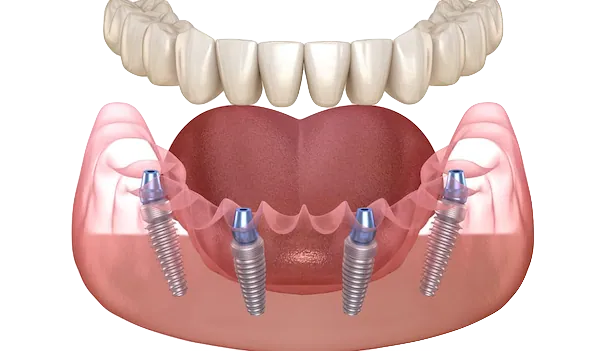
With a Dental & Implant Centers Of Colorado smile, you can enjoy a worry-free smile around the clock. No more slipping, sliding, falling out, spitting or gagging. It’s important to remember that your gag reflex is a natural response to something touching the back of your throat, and it serves to protect you from choking or swallowing foreign objects. So, if you experience gagging while wearing dentures, it’s not your fault.
Thankfully, full mouth dental implants from Dental & Implant Centers Of Colorado can solve this problem. With a stable smile, nothing will touch the back of your throat or cover your palate, triggering your gag reflex. Say goodbye to discomfort and hello to a natural-feeling smile.
At Dental & Implant Centers Of Colorado, we believe in delivering a stunning, lasting smile within a few days. No more waiting for months or weeks to transform your smile and elevate your quality of life.
More about gag reflex
Most of us experience our gag reflex at some point in life because it’s a natural fail-safe mechanism. However, the intensity of our gag reflex varies from person to person, triggered by stimuli like smells, sights, or even thoughts that disgust us.
Don’t let your dentures cause you to suffer through a new smile because of gagging. You have a better option without any frustrating side effects. At Dental & Implant Centers Of Colorado, we offer a free online evaluation to help you achieve a smile you can be proud of.
Our passion is to provide you with the best possible smile without any complications.
Think twice before choosing dentures
Prior to making any decisions regarding dentures, we highly encourage you to speak with our knowledgeable staff. We are here to listen to your concerns, provide accurate information, and answer any questions you may have in order to help you make the best decision for your overall health and well-being.
It’s important to remember that having a beautiful smile isn’t just about maintaining good oral health. It can also alleviate headaches, frustrations, and embarrassment, leading to a happier and healthier mental state.
So, before you flip through a denture brochure or make any decisions that could potentially cause discomfort or gagging, please reach out to us for guidance. We are here to help you achieve a worry-free and confident smile.
Frequently Asked Questions
Why do my dentures make me gag even after weeks of wearing them?
If gagging continues after the initial adjustment period, it is often related to denture fit rather than simple adaptation. Dentures that are too bulky, sit too far back, or press heavily on the roof of the mouth can continuously stimulate the gag reflex. In these cases, time alone usually does not fix the problem and an adjustment or alternative solution may be needed.
Can gagging from dentures mean something is wrong?
Yes, ongoing gagging can be a sign that your dentures are not fitting correctly. Jawbone shrinkage, gum changes, or improper denture design can all contribute. While mild gagging early on can be normal, persistent gagging should not be ignored, especially if it affects eating, speaking, or wearing your dentures comfortably.
Why does gagging feel worse when I talk or eat?
Talking and chewing move the tongue and throat muscles, which can push the denture slightly backward. If the denture already sits close to the gag zone, these movements can increase stimulation and trigger gagging. This is common with upper dentures that cover the palate.
Can anxiety make denture gagging worse?
Yes. Anxiety can heighten the gag reflex and make you more aware of sensations in your mouth. Once gagging happens a few times, some people begin to anticipate it, which can create a cycle where stress makes the reflex stronger. This does not mean the problem is “in your head,” but anxiety can amplify a physical trigger.
Is it dangerous to keep wearing dentures if they make me gag?
Constant gagging can interfere with proper eating and may increase the risk of choking or poor nutrition if you avoid certain foods. It can also lead to sore tissues and frustration that causes people to stop wearing their dentures altogether. If gagging is frequent, it’s important to address the cause rather than simply pushing through it.
What if I have a strong gag reflex and dentures never feel tolerable?
For people with a strong gag reflex, traditional dentures may always feel uncomfortable because they cover sensitive areas of the mouth. In these cases, solutions that do not rest on the palate, such as implant-supported teeth, often provide significant relief by eliminating the trigger entirely.
