




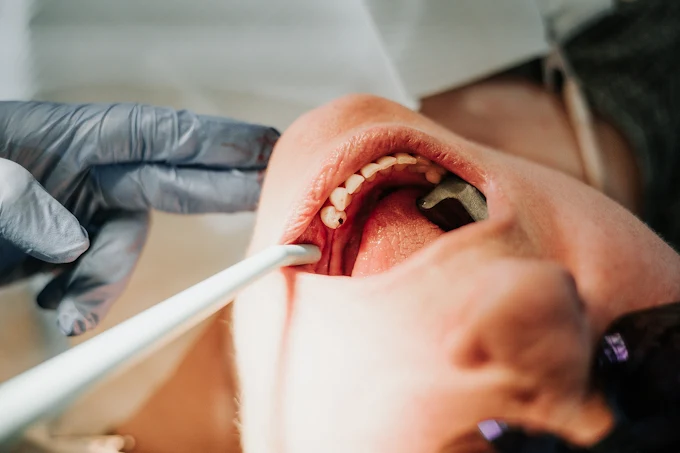
Dental emergencies do not give you warning. One minute everything is fine — the next you are dealing with a broken tooth, a jaw that is visibly swollen, or pain so sharp it is hard to think about anything else. When that happens, the only question that matters is where to go and how fast you can get there.
If you are in Westminster or the surrounding area, this guide cuts straight to what you need to know — what counts as a dental emergency, what same-day care actually involves, what your insurance or Medicaid covers, and how to get in front of a Westminster emergency dentist without wasting time on hold or driving somewhere that cannot actually help you.
What Counts as a Dental Emergency — and What Can Safely Wait
Knowing the difference between a genuine emergency and something that can be scheduled matters — not because one is less painful than the other, but because it determines how urgently you need to act.
These situations need same-day emergency dental care:
A knocked-out tooth is one of the most time-critical dental emergencies there is. The window for saving it is narrow — ideally under an hour from the moment it comes out. If you act fast and get to an emergency dentist in Westminster immediately, there is a real chance the tooth can be replanted successfully.
A dental abscess — a pocket of infection that causes swelling, fever, a foul taste in the mouth, or visible swelling along the gum line — is another situation that cannot wait. Dental infections do not stay contained. They spread, and when they do, the consequences move well beyond the tooth itself.
Severe, unrelenting tooth pain that over-the-counter medication is not touching is a signal that something serious is happening beneath the surface — a nerve exposure, a deep infection, or structural damage that needs assessment today.
A broken or cracked tooth that is causing significant pain, exposing the nerve, or affecting your ability to eat or speak also qualifies. The same goes for a lost crown or filling that is leaving a tooth vulnerable and painful.
Uncontrolled bleeding from the mouth — whether after a recent extraction or from trauma — needs immediate attention.
Situations that are uncomfortable but can usually be scheduled:
Mild tooth sensitivity without consistent pain, a minor chip that is not causing discomfort, or a slightly loose filling with no associated pain can typically wait for a regular appointment. If you are unsure, call the practice — a quick description of your symptoms over the phone is usually enough for the team to tell you whether you need to come in today.
Fast Relief With an Emergency Dentist in Westminster — What Same-Day Care Looks Like
One of the things that puts people off calling is not knowing what they are walking into. Here is what a same-day emergency visit at Dental & Implant Centers of Colorado in Westminster actually involves.
- You call, describe your symptoms, and get triaged. The front desk team assesses urgency on the call. Emergency patients are prioritised — you are not being slotted into a standard appointment queue.
- You come in and are seen quickly. The focus of the first part of the visit is understanding exactly what is happening. That means a targeted examination and, where necessary, X-rays to see what is going on beneath the gum line.
- The immediate problem is addressed. Depending on what the assessment reveals, that might mean an extraction, drainage of an abscess, a temporary restoration to protect an exposed tooth, pain management, or antibiotic treatment for infection. The goal of the emergency visit is to eliminate the acute pain or risk — not necessarily to complete every aspect of your dental care in one sitting.
- You leave with a clear plan. Before you go, the team explains what was done, what comes next, and what your options are for follow-up treatment. Nothing is left vague.
The whole process at a well-run practice is considerably calmer than most patients expect walking in. The team at DICC’s Westminster location handles dental emergencies daily and the environment is designed to be as low-stress as possible — including options for sedation for patients whose anxiety makes the visit harder.
Emergency Dentist Near Westminster — Why the Practice You Choose Matters
Not every dental practice that accepts emergency patients is equally equipped to manage one. When you are in real pain, the difference between a practice that can handle your situation thoroughly and one that can only offer a partial fix matters.
A multi-specialty practice with a prosthodontist on staff — like DICC Westminster — is in a different category from a general dental office that handles the occasional emergency alongside routine appointments. We cover the full spectrum of tooth restoration and replacement. That matters in an emergency context because many acute dental situations — a tooth that cannot be saved, an abscess that has compromised surrounding structure — lead directly into a conversation about what comes next. Having the restorative specialist in the same building as the emergency team means that conversation happens immediately, not weeks later at a referral appointment.
Westminster Emergency Dentist — Broken Teeth, What Happens and What to Expect
A broken tooth is one of the most common dental emergencies — and one of the most variable in terms of what it actually involves clinically.
A small chip on a back molar with no pain is a very different situation from a tooth fractured down toward the root. The first might be addressed with a simple smoothing or a small composite repair. The second may require an extraction and a plan for replacement.
What determines the treatment is what the break has done to the tooth structure and whether the nerve has been affected. A cracked tooth with an exposed nerve is extremely painful and needs to be seen the same day — leaving a nerve exposed is both agonising and creates a fast track to infection.
When you arrive at the Westminster DICC location with a broken tooth, the team takes a targeted X-ray to assess the extent of the damage below the gum line. From there, the options are discussed with you clearly — whether that is a crown to protect a tooth that is still viable, a root canal if the nerve is involved, or an extraction if the tooth cannot be saved — followed immediately by a conversation about replacement options if needed.
If a tooth does need to come out, that is not the end of the conversation. It is the beginning of a different one — about dentures and implants, or an implant-supported restoration — and at DICC Westminster, all of those conversations happen in the same practice with the same team.
Abscesses — Why This Specific Emergency Cannot Be Ignored
A dental abscess is an infection. It is not a particularly dramatic phrase, which is perhaps why patients underestimate how serious it can become if left untreated.
An abscess begins when bacteria penetrate the inner structure of a tooth — through a cavity, a crack, or damaged gum tissue — and begin to multiply. The body responds by sending immune cells to the site, and the resulting pocket of pus is what causes the visible swelling, the pressure, and often an intense, throbbing pain that pulses.
Left alone, that infection does not stay in one place. It spreads — to the surrounding bone, to adjacent teeth, and in serious cases into the soft tissue of the face and neck. A dental infection that reaches the airway is a medical emergency. The frequency with which patients arrive at emergency rooms in severe distress from a dental abscess that went untreated for too long is a reminder of how quickly this can escalate.
An emergency dentist in Westminster treats an abscess by draining the infection, which provides immediate pain relief, and addressing the source — either through a root canal to clean and seal the affected tooth, or through extraction if the tooth cannot be preserved. Antibiotics are typically prescribed alongside the procedure to clear any remaining infection.
If you have swelling in your face or jaw, a fever, or difficulty swallowing or breathing alongside your dental pain — do not call the dental office. Go directly to a hospital emergency room. These are signs the infection has spread beyond what a dental practice manages, and the situation has become a medical emergency.
For everything short of that — the localised abscess, the swollen gum, the persistent throbbing that is getting worse — call the Westminster location immediately.
Severe Pain — What It Is Telling You and Why Acting Quickly Saves Teeth
Severe dental pain is not something to manage with painkillers and hope. It is information — and what it is usually telling you is that something has progressed to a point where the tooth or surrounding tissue is under serious stress.
The most common cause of severe, unrelenting pain is pulpitis — inflammation of the pulp inside the tooth, usually caused by a deep cavity that has reached the nerve, or by a crack that has exposed the nerve to temperature and pressure.
This kind of pain is distinctive. It is not the same as mild sensitivity. It is sharp, it lingers after stimulation, it may throb continuously, and it tends to worsen at night when lying down increases blood pressure to the head.
A root canal is the most common treatment for this level of pain. Despite its reputation, a root canal performed under proper anaesthetic is no more uncomfortable than a filling — and the relief it provides is immediate. The procedure removes the infected or inflamed pulp, cleans the inside of the tooth, and seals it. The pain that brought you in is resolved at the appointment.
Getting fast relief with an emergency dentist in Westminster means the team at DICC assesses the source of the pain at the same visit and provides treatment — not a temporary patch and a follow-up appointment three weeks out.
Emergency Dentist Near Me — Insurance, Medicaid and What Gets Covered
Cost is a real concern in a dental emergency, and it should not stop anyone from getting care. Here is an honest picture of how coverage typically works.
Most standard dental insurance plans cover a portion of emergency visits — the examination, emergency X-rays, and often the immediate treatment (extraction, root canal, temporary restoration). The specifics depend on your plan, but most emergency care attracts at least partial coverage.
Dental & Implant Centers of Colorado accepts Medicaid at the Westminster location and the team verifies your coverage on arrival so you know what is covered before any treatment begins. Patients without insurance or with coverage gaps have access to 0% financing and flexible payment plans — the financial side is sorted before treatment starts, not after.
Conclusion
A dental emergency is not the moment to spend time searching for the right practice. It is the moment to already know where you are going and what happens when you get there.
At DICC, Same-day emergency appointments are available. We handle broken teeth, abscesses, severe pain, knocked-out teeth, and the full range of acute dental situations — same-day, with a 24/7 helpline, Medicaid acceptance.
If a dental emergency has already happened, call 303-466-2935 now. If it has not — save the number. You will be glad you did.
FAQs
What should I do if a tooth gets knocked out?
Pick the tooth up by the crown — never the root. Rinse it gently with water if it is dirty but do not scrub or use soap. If possible, place it back in the socket and hold it with light pressure. If that is not possible, keep it moist in a small container of milk or inside your cheek and get to an emergency dentist in Westminster immediately. Time is critical — the best outcomes happen within the first hour.
Is a dental abscess a medical emergency?
A localised dental abscess — pain, swelling at the gum line, throbbing — is a dental emergency that should be seen same-day by an emergency dentist. If the swelling has spread to your face or neck, you have a fever, or you are having difficulty breathing or swallowing, go directly to a hospital emergency room. These signs indicate the infection has spread beyond the tooth.
What is the 24/7 emergency helpline?
DICC’s emergency helpline is available outside of business hours — evenings, weekends, and holidays. Calling it connects you with guidance on managing your situation and gets you booked for the first available same-day appointment.
How quickly can I be seen as an emergency patient?
Emergency patients are prioritised at DICC Westminster. In most cases, same-day appointments are available. Call as early as possible to be given the first available slot.
What happens after the emergency is resolved?
Depending on what was treated, there may be follow-up care needed — a permanent crown after a temporary one, a restorative consultation if a tooth was extracted, or a longer-term treatment plan for the underlying issue. The team discusses this at the emergency visit so you leave with a clear picture of what comes next.
Is sedation available during emergency visits?
Yes. DICC Westminster offers sedation options for patients who experience significant dental anxiety. Let the team know when you call and they will prepare accordingly.
How is DICC Westminster different from other emergency dental practices?
DICC is a multi-specialty practice led by a board-certified prosthodontist — not a general dental office that handles occasional emergencies. That means the emergency treatment and any follow-up restorative conversation happen in the same place, with the same specialist, without referrals or gaps in care.
