




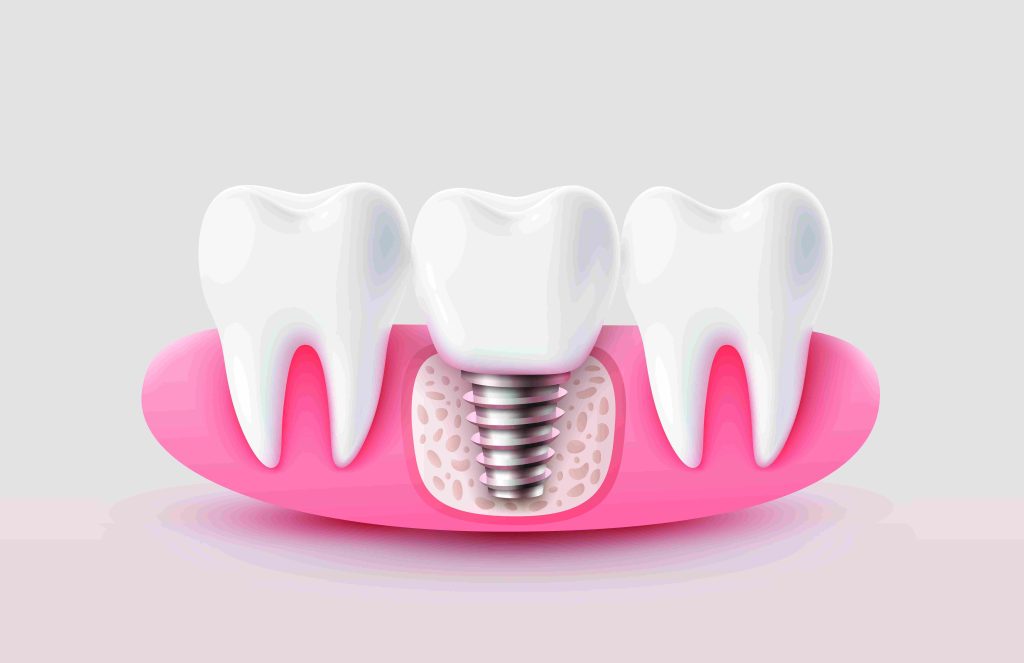
Your oral health is deeply connected to your overall well-being. A missing tooth isn’t just a gap in your smile; it’s a functional issue that can have a domino effect. Without a tooth root to stimulate it, the jawbone in that area begins to shrink, which can weaken the foundation for neighboring teeth and even alter your facial structure over time. A dental implant is the only tooth replacement option that addresses this underlying problem. By acting as an artificial root, it integrates with your bone, preserving its strength and providing a stable foundation for a healthy, complete smile.
It’s no longer only a matter of appearance for a wholesome smile. It shows self-belief, comfort and happiness for everyday life. Sadly, many people lose teeth. That is why it is difficult to chew and speak, and it can embarrass and make them feel less proud of themselves. Dental implants come in handy if you are seeking a dental implant center near me. Modern implants restore natural smiles and confidence. In this blog, we will examine the advantages of implants in enhancing tooth health and personal happiness, the reasons why implants are the best option for restoring teeth, and the long-term benefits gained by selecting the proper care.
The Importance of a Confident Smile
People first observe a smile. This may damage their relationships with people, employment opportunities, and happiness in the long term. Implantation of the teeth is a secure measure of regaining trust. Implants not only appear, feel and perform like real teeth, unlike dentures or braces. They are attached to the jawbone, providing a permanent and secure foundation for new teeth. The outcome is an entire and natural smile.
How Dental Implants Work
The dental implants have three primary components;
- Implant Post – This is a small screw made of titanium, which is inserted into the jawbone, similar to the jawbone being the root of a tooth.
- Abutment – The new tooth is held by a connector called an abutment.
- Crown – This is the expressive segment of the implant, which is designed to fit the regular teeth.
Collectively, these elements form a substitute tooth which is almost impossible to discern. Patients usually claim that they are able to talk conveniently and mingle snacks easily, articulate and proudly smile without pain- something they could not have done in many years. When you are checking the issues of the cheapest dentistry implants, along with me, you are seeking not only the cost but also the skills and trustworthiness. Dental implants are an investment in your health and self-esteem, and having the right provider will not only guarantee that you get the investment back but will also guarantee that the investment is enduring.
Types of Dental Implants
Not all dental implants are created equal. The best option for you depends on factors like your jawbone health, the number of teeth you’re missing, and your overall goals. Think of it like finding the perfect pair of shoes—what works for one person might not be the right fit for another. A skilled dental team will help you find the ideal solution for your unique situation. Let’s look at some of the most common types of implants you might discuss during a consultation.
Endosteal Implants
Endosteal implants are the go-to choice for most people and what you likely picture when you think of a dental implant. These are small, screw-like posts, typically made of titanium, that are placed directly into your jawbone. Over time, a process called osseointegration occurs, where your jawbone fuses with the implant, creating an incredibly strong and stable foundation for a replacement tooth. With a success rate of over 90%, these dental implants are designed to last a lifetime with proper care, making them a reliable and popular solution for restoring your smile.
Subperiosteal Implants
What happens if you don’t have enough healthy jawbone to support a traditional implant? That’s where subperiosteal implants come in. Instead of being placed *into* the jawbone, these implants rest on top of the bone but underneath your gum tissue. A metal framework is fitted onto the bone, and posts attached to it protrude through the gums to hold the replacement teeth. While they are a viable alternative for certain patients, they are used less frequently today because techniques like bone grafting can often build up the jawbone enough to make endosteal implants possible, which are generally considered a stronger, more durable option.
All-on-4® Dental Implants
If you’re missing most or all of the teeth on your upper or lower jaw, the idea of replacing each one individually can feel overwhelming. The All-on-4® treatment concept offers a streamlined and effective solution. This technique uses just four strategically placed implants to support a full arch of beautiful, permanent teeth. It’s a remarkable approach that often allows patients to avoid the need for bone grafting, which can shorten treatment time. This method provides a stable, long-term fix that restores full function, allowing you to eat, speak, and smile with renewed confidence. Our team offers a range of comprehensive services to determine if this is the right path for you.
Who is a Good Candidate for Dental Implants?
While dental implants have a very high success rate, they aren’t the right choice for everyone. Several factors related to your oral and overall health play a role in determining if you’re a good candidate. The only way to know for sure is to have a thorough evaluation with a dental professional. However, understanding the general criteria can help you feel more prepared for that conversation and decide if implants are a path you want to explore further for restoring your smile.
Ideal Candidate Profile
Generally, the ideal candidate for dental implants is someone in good overall health who has one or more missing teeth. It’s also important that your jawbone has finished growing, which is why implants are typically recommended for adults. One of the most critical factors is having enough healthy jawbone to anchor the implant securely. If you’ve experienced bone loss, a procedure like a bone graft can often help. Healthy gum tissues are also a must. A consultation with an experienced dental specialist is the best first step to see if you meet the criteria and to create a personalized treatment plan.
Risk Factors to Consider
Certain habits and health conditions can affect the success of dental implants. For example, heavy smoking can impair the healing process in your mouth, making it harder for the implant to integrate with your jawbone. Uncontrolled chronic conditions, such as diabetes or osteoporosis, can also pose risks. Excellent oral hygiene is non-negotiable, as gum disease can lead to implant failure. It’s crucial to be transparent about your medical history and lifestyle with your dentist. This doesn’t automatically disqualify you, but it allows the dental team to take necessary precautions and ensure you receive the best possible care. Discussing these factors openly also helps in planning for the investment, and understanding your financing and insurance options can ease any concerns.
Restoring Oral Functionality
A smile is the first aspect that draws people’s attention. It is affable, cordial, and homely. Nevertheless, in the absence of teeth or gaps, the individual is normally afraid of being ridiculed, hence lacking the freedom to laugh, talk, and even eat in front of other people. This may damage their relations, employment prospects, and happiness over time. Implantation of teeth is a sure method of restoring confidence. Implants resemble natural teeth, unlike dentures or braces. They are stuck to the jawbone, providing a firm and stable foundation for new teeth. The outcome is an all-natural smile. When you enter queries such as the dental implant center near me, bear in mind that implants are not only for teeth. They provide a feeling of self-confidence, well-being and good health.
Boosting Emotional Well-being
One is likely to ignore the impacts of losing teeth on a person. Being deprived of teeth can cause people to stop smiling in photographs or become ashamed at parties or even during meetings. This loss of confidence may gradually lead them towards loneliness or even sadness. Dental implants can stop this cycle. Upon receiving a complete smile back, patients tend to look younger, friendlier, and more confident. People say the change is a lifelong one. At DICC Colorado, a smile created using implants has restored a person’s energy and happiness. Read more: Affordable Dental Implants: Is It Possible?
Why Implants Are Superior to Other Options
Although dentures and braces have been the popular methods of restoring missing teeth, they have shortcomings:
- Dentures are slippery, uncomfortable, and require adhesives.
- Braces can cause weakening of the surrounding teeth and have to be substituted over time.
On the contrary, dental implants have the following advantages:
- Strength: With the correct treatment, implant life may be decades or a lifetime.
- Natural feel: They have the appearance and functionality of natural teeth.
- Low Maintenance: The implants are treated as natural teeth, and they need to be brushed and flossed.
Whenever individuals enter such a query in a search bar like affordable dental implants near me, they tend to hope that something can be done to retain good quality. Implants provide dependability and or peace of mind. When you also seek the solutions and enter the search query of the dental implant centre near me, you must remember that the process of implants is not all about the replacement of teeth, but the restoration of self-esteem, well-being, and happiness in your daily life.
Implants vs. Dental Bridges
When you have a gap from a missing tooth, a dental bridge is one way to fill it. As the name suggests, it “bridges” the space by using the nearby healthy teeth as anchors to hold a false tooth in place. This often requires shaving down those healthy teeth to fit crowns over them. In contrast, dental implants replace the tooth root itself with a titanium post that fuses directly with your jawbone. This means an implant stands on its own without affecting your other teeth. It’s a self-contained solution that not only preserves the integrity of your adjacent teeth but also stimulates the jawbone, preventing the bone loss that can occur with bridges.
Implants vs. Veneers
It’s easy to get these two confused, but they solve very different problems. Think of it this way: dental implants replace a whole missing tooth, from root to crown. They are a complete restoration for a space where a tooth no longer exists. Veneers, on the other hand, are thin, custom-made shells bonded to the front of existing, healthy teeth to improve their appearance. They’re a cosmetic solution for issues like stains, chips, or minor crookedness. So, if you’re looking to replace a lost tooth, an implant is the answer. If you want to change the look of a tooth you already have, a veneer might be the right choice.
Implants vs. Root Canals
The goal of a root canal is to save a natural tooth, while an implant is used to replace one that has been removed or is already gone. A root canal is performed when the pulp inside a tooth becomes infected. The procedure involves cleaning out the infection to prevent it from spreading and to save the tooth from extraction. It’s a preservation method. A dental implant comes into play when a tooth is too damaged or decayed to be saved, or if it has already been lost. The implant serves as a brand-new, artificial root and tooth, restoring function and appearance after the natural tooth is gone. Our expert team can help determine if your tooth can be saved or if an implant is the better long-term solution.
The Treatment Process
Plantation is usually a process that follows a number of phases: Consultation: This involves an in-depth examination, which may include X-rays, to determine whether you are a good patient or not.
- Placement: It is a surgical procedure by which the implant post is placed in the jawbone.
- Healing: In several months, the implant is united with the bone through the phenomenon of osseointegration.
- Restoration: The smile is completed with the restoration of the crown.
Despite the time-consuming nature of the process, most patients claim that the outcome is worth the time. They argue that implants make them feel like their natural teeth.
Initial Consultation and Planning
The first step toward getting dental implants is a thorough consultation. This isn’t just a quick look in your mouth; it’s a deep dive into your oral health to create a roadmap for your new smile. Think of it as the architectural planning phase before building a house. Your dental team needs to understand the foundation—your jawbone and gums—before placing anything. This initial meeting is your chance to ask questions, express your goals, and get comfortable with the process. It’s all about making sure you and your dental team are on the same page from the very beginning, ensuring the final result is exactly what you envisioned.
Comprehensive Dental Exam
During your consultation, you’ll have a comprehensive dental exam. This includes detailed X-rays and often 3D imaging to get a complete picture of your jawbone’s structure, density, and health. Your dentist will assess the condition of your remaining teeth and gums to identify any underlying issues that need to be addressed first. At a multi-specialty practice like Dental & Implant Centers of Colorado, you’ll benefit from a team of experts, including surgeons and restorative dentists, who collaborate on your case. This team approach ensures every angle is considered, from the surgical placement to the final look of your new teeth. The goal is to gather all the necessary information to build a safe and successful treatment plan just for you.
Personalized Treatment Plan
Once the exam is complete, your dental team will develop a personalized treatment plan. This plan is tailored specifically to you, taking into account factors like how many teeth you need to replace and the current condition of your jawbone. It will outline each stage of the process, including any preliminary procedures you might need, the timeline for healing, and the final restoration steps. This is where the expertise of the DICC team truly shines, as they design a strategy to give you the best possible outcome. Your custom plan ensures that your dental implants will not only look great but will also be strong, stable, and built to last.
Preliminary Procedures: Bone Grafting
Sometimes, the jawbone isn’t quite ready to support an implant. If a tooth has been missing for a while, the bone in that area can weaken or shrink. In these cases, a bone graft might be necessary to create a solid foundation. This procedure involves adding bone material to your jaw to build up its thickness and strength. The material can come from another part of your body or a processed, sterile source. While it sounds complex, it’s a common and highly successful procedure that significantly improves the long-term stability of your implant. It’s a crucial preparatory step that ensures your implant has the sturdy base it needs to function like a natural tooth for years to come.
The Implant Placement Surgery
After your jaw is ready, the next step is the implant placement surgery. During this procedure, the surgeon makes a small incision in your gum to access the bone. A precise space is then created in the jawbone, and the small, screw-like titanium implant post is placed. This post acts as the new root for your tooth. Over the next few months, a remarkable process called osseointegration occurs, where your jawbone naturally grows around and fuses with the titanium post. This fusion is what makes dental implants so incredibly strong and secure—they literally become a part of you. This creates the permanent, stable foundation needed for your final crown.
Choosing Your New Teeth
Once the implant has fully integrated with your jawbone, it’s time for the final and most exciting step: getting your new teeth. A small connector piece, called an abutment, is attached to the top of the implant post. This abutment is what will hold your new crown, bridge, or denture in place. Your dentist will take precise impressions of your mouth to create a custom restoration that fits perfectly and matches the color and shape of your natural teeth. The result is a seamless, beautiful smile that looks and feels completely real. You can see the stunning transformations in our before and after gallery.
Fixed vs. Removable Options
When it comes to your final restoration, you have a couple of great choices. You can opt for a fixed solution, where a crown or bridge is permanently cemented or screwed onto the abutment. This option functions just like your natural teeth and can’t be taken out. Alternatively, you might choose a removable option, which is often used for replacing multiple teeth. These are like modern dentures that securely snap onto the implants. They offer excellent stability while still being removable for easy cleaning. Your dentist will discuss the pros and cons of each to help you decide which of our dental services best fits your lifestyle and needs.
Understanding the Risks and Potential Complications
Deciding to get dental implants is a big step toward reclaiming your smile and confidence. Like any medical procedure, it’s smart to go in with a full picture of what to expect. Understanding the potential risks isn’t about causing worry; it’s about empowering you to make an informed choice and partner with your dental team for the best possible outcome. When you work with a skilled and experienced provider, the likelihood of complications is very low, but knowing the possibilities helps you recognize any issues early on. This knowledge ensures you can move forward feeling secure and prepared for your journey to a healthier, happier smile.
Surgical Risks
The implant placement procedure is a surgery, and with any surgery, there are some immediate risks to consider. The most common concerns include the possibility of infection at the implant site, which is why sterile procedures and proper aftercare are so important. There’s also a small chance of damage to surrounding structures, like nearby teeth or blood vessels. Another potential issue is nerve damage, which could cause temporary or lasting numbness, tingling, or pain in your natural teeth, gums, lips, or chin. Choosing a specialist with extensive experience in placing dental implants is the best way to minimize these risks, as their precision and expertise are critical for a smooth and successful procedure.
Long-Term Health Considerations
Beyond the initial surgery, it’s important to think about the long-term health of your implant. While rare, an implant can sometimes fail to integrate with the jawbone or may become loose over time. This can happen due to factors like an infection developing in the bone and gums around the implant, a condition known as peri-implantitis. In very unusual cases, the jawbone could fracture during the procedure, though this risk is significantly reduced when you’re in the hands of a seasoned professional. The good news is that most long-term complications are preventable with diligent oral hygiene and consistent professional care, making your commitment to maintenance just as important as the initial surgery itself.
Success Rates and Longevity of Dental Implants
While it’s important to be aware of the risks, the reality is that dental implants are one of the most successful and reliable treatments in modern dentistry. They are designed to be a permanent solution for missing teeth, providing a stable and durable foundation that can last for decades. Think of it as an investment in your long-term health and quality of life. The high success rates are a testament to the advanced technology and materials used, as well as the refined techniques developed over years of clinical practice. When properly placed and cared for, dental implants offer a level of security and performance that other tooth replacement options simply can’t match.
What the Statistics Say
The numbers speak for themselves. For healthy individuals, studies show that dental implants have an impressive 5-year survival rate of 93% to 98%. This means that the vast majority of implants function perfectly for many years without any issues. Even looking further down the road, the longevity is remarkable, with research indicating that between 52% and 76% of implants are still successful after 16 to 20 years. This incredible track record is why implants are considered the gold standard for replacing missing teeth. The key to achieving this long-term success lies in expert placement and your commitment to ongoing care, ensuring your investment continues to pay off for a lifetime.
How Implants Prevent Bone Loss
One of the most significant, yet often overlooked, benefits of dental implants is their ability to preserve your jawbone. When you lose a tooth, the bone that once supported its root no longer receives the stimulation it needs to stay healthy and begins to shrink. This process, called resorption, can alter your facial structure over time, leading to a sunken appearance. A dental implant acts as an artificial tooth root. Made from biocompatible titanium, it fuses directly with your jawbone in a process called osseointegration. This bond provides the necessary stimulation to maintain bone density, effectively stopping bone loss and protecting the health of your jaw and surrounding teeth.
Aftercare and Maintenance for Your Implants
Your beautiful new smile is a partnership between you and your dental team. Once your implants are in place, your role in maintaining them becomes crucial for their long-term success. The great news is that caring for your implants isn’t complicated; in fact, it’s very similar to caring for your natural teeth. Establishing a consistent daily routine and sticking to a schedule of professional check-ups will protect your investment and ensure your smile stays healthy and strong for years to come. Proper maintenance is the key to enjoying all the benefits of your dental implants without worry, allowing you to eat, speak, and smile with complete confidence.
Daily Care at Home
Keeping your implants clean is essential for preventing issues like gum inflammation or infection. Just like with natural teeth, you should brush at least twice a day and floss daily. You might find that special tools make cleaning around the implant even more effective. An interdental brush, which is small enough to fit between teeth, or a water flosser can be excellent for removing plaque and food particles from hard-to-reach areas around the crown and abutment. Your dental hygienist can show you the best techniques and recommend products to help you maintain excellent oral hygiene and keep your implant and the surrounding gums in top condition.
The Importance of Regular Dental Visits
Your at-home care routine is your first line of defense, but regular professional check-ups are just as vital. Scheduling routine visits with your dentist allows them to monitor the health of your implant, the surrounding bone, and your gums. During these appointments, they can perform professional cleanings and check for any early signs of trouble that you might not be able to see or feel. Catching potential issues early is the best way to ensure they don’t become more serious problems. At Dental & Implant Centers of Colorado, we create a personalized care plan for all our patients to ensure their dental services and implants are successful for life.
Confidence That Lasts
The most positive aspect of dental implants is that they also give confidence that lasts for years. Implants are permanent, as compared to temporary fixes. You would not need to worry about teeth falling or not attacking some particular foods. You are able to smile, speak, and live without any hesitation. At DICC Colorado, we combine new technology with caring hands to provide a long-lasting outcome. If you lost a tooth or teeth, you can smile and regain your self-esteem with implants. Conclusion Dental implants are no ordinary cosmetic approach to a problem, but rather a life-changing practice since they restore lost smiles and self-esteem. The replacement of lost teeth using the working implants that mimic natural teeth will empower people to enjoy better health of their mouth, have a better life, and enjoy self-esteem. When you go online to find affordable dental implants near me, your provider of choice should ensure that he or she offers competent personal care. At DICC Colorado, we work to restore each patient’s power to smile.
Frequently Asked Questions
How long does the entire dental implant process take from start to finish? The timeline for getting a dental implant can vary quite a bit from person to person, but you can generally expect the process to take several months. The most important phase is healing, where the implant post fuses with your jawbone. This step alone can take a few months, and it’s the key to creating that strong, permanent foundation. Your personalized treatment plan, created during your initial consultation, will give you a much clearer picture of your specific timeline.
Is getting a dental implant painful? This is one of the most common concerns, and it’s completely understandable. The placement surgery itself is not painful because you’ll receive anesthesia to ensure you’re comfortable. Afterward, it’s normal to experience some discomfort, swelling, or minor bruising, similar to other dental procedures. Most people find that this is easily managed with over-the-counter pain relievers and subsides within a few days.
What if I’ve been told I don’t have enough jawbone for an implant? This doesn’t automatically mean an implant is off the table. It’s quite common for the jawbone to lose some density after a tooth has been missing for a while. In many cases, a procedure called a bone graft can be performed to rebuild the area. This process adds bone material to your jaw, creating the solid, healthy foundation needed for a successful implant.
How do I care for my dental implant once it’s in place? Caring for your implant is surprisingly straightforward and very similar to how you care for your natural teeth. A consistent routine of brushing twice a day and flossing daily is essential to keep the implant and surrounding gums healthy. It’s also crucial to maintain your regular dental check-ups and cleanings so your dental team can monitor the implant and ensure everything stays in great shape.
Are dental implants a better long-term investment than other options like bridges? While options like dental bridges can fill a gap, they often require altering the healthy teeth on either side. Dental implants are a standalone solution that doesn’t affect your other teeth. More importantly, they are the only option that preserves your jawbone, preventing the bone loss that can change your facial structure over time. With proper care, an implant is designed to last a lifetime, making it a durable and valuable investment in your overall oral health.
Key Takeaways
- Implants Protect Your Jawbone: Unlike other options, dental implants fuse with your bone, acting like a natural tooth root to prevent the bone loss that can alter your facial shape over time.
- A Custom Plan is Key to Success: Your implant process should begin with a detailed evaluation and a personalized treatment plan that maps out every step, ensuring the final result is safe, stable, and matches your goals.
- Care for Implants Like Natural Teeth: The long-term success of your new smile depends on you. A simple routine of daily brushing, flossing, and regular dental check-ups is the best way to protect your investment and keep your implants healthy for life.
