




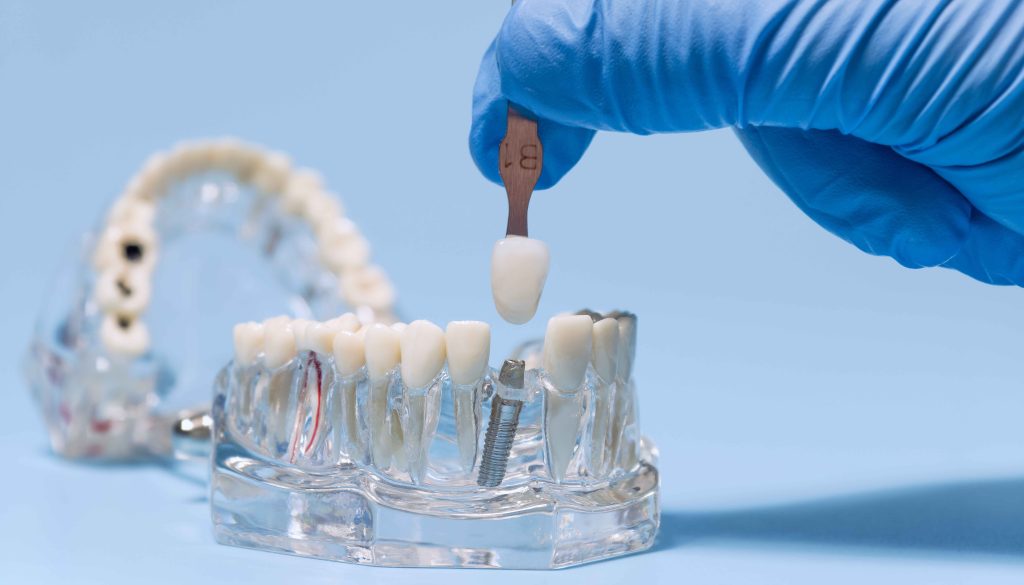
Choosing a tooth replacement is a major decision for your long-term health, not just your appearance. The best solution should integrate seamlessly with your body and support the health of your jaw and gums for decades. While traditional implants are excellent, the connection point between their two main parts can sometimes become a place for bacteria to gather. Single piece dental implants offer an innovative design that eliminates this gap entirely. By using one solid, continuous unit, this type of implant can promote healthier gum tissue and reduce certain long-term risks. Let’s look at how this smart design contributes to a stable and lasting smile.
Dental implants are changing how people replace missing teeth. Among the newer options, single-piece dental implants are becoming more popular. Also, they offer a simple and faster solution as compared to the traditional two-piece system. However, many patients still feel unsure. Some hesitate due to myths or incomplete information. Others think these implants don’t last and are only for looking good. This blog breaks down common myths and shares the real facts about the implants.
What Are Single-Piece Dental Implants?
If you’re missing a tooth, you’ve probably heard about dental implants as a solution. They’re designed to be a permanent replacement that looks, feels, and functions just like a natural tooth. But not all implants are created equal. A single-piece dental implant is exactly what it sounds like: one solid unit. This design combines the implant post (the part that goes into your jawbone) and the abutment (the part that connects the post to the crown) into a single, seamless piece. This streamlined structure is an evolution of the traditional implant, offering a different approach to tooth replacement.
The main idea behind the single-piece design is to simplify the implant process. By having the implant and abutment as one component, there are fewer parts to manage during surgery and healing. This can sometimes lead to a faster treatment timeline and a less complex procedure. Think of it as an all-in-one solution for replacing a missing tooth, built for strength and efficiency from the very beginning. It’s a durable and reliable option that our team often recommends for specific cases where it provides the best possible outcome for the patient’s long-term oral health.
Definition and Components
A single-piece dental implant is a permanent fixture used to replace a single missing tooth. Its goal is to mimic a natural tooth so perfectly that you forget it’s even there. The implant itself is a small, screw-like post that is surgically placed into the jawbone, where it acts as a new tooth root. In a single-piece design, the abutment, which is the connector piece that will eventually hold the final crown, is already attached to this post. This creates one solid, unified structure that is placed during a single surgical procedure, simplifying the entire process from start to finish.
How They Differ From Two-Piece Implants
The most common type of implant is the two-piece system. In this traditional design, the implant post is placed in the jawbone first and allowed to heal. After a few months, a second minor surgery is needed to attach a separate abutment piece to the implant. A single-piece implant eliminates this second step. As the British Dental Journal notes, in a one-piece implant, “The implant and the part that holds the crown (called the abutment) are made as one solid piece.” This fundamental difference means the abutment is exposed in the mouth from day one, which changes the healing process and the timeline for placing the final crown.
One-Piece vs. Two-Piece Implants: A Comparison
When deciding between a one-piece and a two-piece implant, it’s helpful to understand how their designs impact everything from your oral health to the surgical procedure itself. The primary difference lies in their construction. A two-piece implant has a micro-gap where the abutment screws into the implant post, while a one-piece implant is a single, continuous unit. This seemingly small distinction has significant implications. The absence of a connection point in a one-piece implant can reduce the risk of certain complications, like bacterial leakage, which can sometimes occur at the junction of a two-piece system.
However, the two-piece design offers more flexibility. Because the abutment is separate, your dentist can choose from various angles and sizes to achieve the perfect position for the final crown, which is especially useful in complex cases. The choice between the two often comes down to your specific anatomy, the location of the missing tooth, and your dentist’s professional recommendation. At Dental & Implant Centers of Colorado, we assess each patient’s unique situation to determine which type of dental implant will provide the most stable and aesthetically pleasing result for their smile.
Design and Bacterial Resistance
The design of a one-piece implant offers a unique advantage when it comes to hygiene. Because it’s a single, solid block, there is “no gap between the implant and abutment, which means no place for bacteria to leak in.” This eliminates a potential hiding spot for harmful bacteria that can sometimes accumulate in the micro-gap of a two-piece implant. Over time, this bacterial leakage can lead to inflammation or infection around the implant, a condition known as peri-implantitis. The seamless design of a one-piece implant can contribute to healthier gum tissue and a lower risk of these long-term complications.
The Surgical Procedure
The initial surgery to place the implant post into the jawbone is quite similar for both one-piece and two-piece systems. However, the one-piece design can sometimes allow for a less invasive technique. In certain cases, a “flapless” surgery can be performed, where the implant is placed through a small punch in the gum tissue rather than requiring a large incision. This can lead to less discomfort and a faster recovery. Since the abutment is already attached, there is no need for a second surgery to expose the implant later on, which streamlines the treatment process and reduces the total number of appointments.
Common Complications
While one-piece implants have many benefits, they aren’t without potential challenges. One of the main concerns is related to cementing the final crown. Because the abutment is fixed, there’s a risk that excess dental cement can get trapped under the gum line during crown placement. This leftover cement can cause irritation and inflammation, potentially leading to gum problems or even implant failure if not addressed. This is why it’s so important to work with an experienced dental team that uses precise techniques to prevent such issues and ensure the long-term health of your implant and surrounding tissues.
Implant Materials: More Than Just Titanium
For decades, titanium has been the go-to material for dental implants, and for good reason. It’s incredibly strong, durable, and biocompatible, meaning the human body rarely rejects it. Titanium has a unique ability to fuse directly with bone in a process called osseointegration, creating a rock-solid foundation for a replacement tooth. This has made it the gold standard in implant dentistry, with decades of research and successful outcomes backing its use. Most of the implants placed today are still made from this reliable and time-tested material, offering patients a predictable and long-lasting solution.
However, as dental technology has advanced, so have the materials available. While titanium remains an excellent choice for most people, some patients have metal sensitivities or simply prefer a metal-free option. This has led to the rise of ceramic implants, most notably those made from zirconia. These implants offer a different set of benefits while still providing the strength and stability needed for a successful tooth replacement. The availability of different materials means that implant treatment can be tailored more closely to each patient’s individual health needs and personal preferences.
The Benefits of Ceramic (Zirconia) Implants
For patients seeking a completely metal-free restoration, zirconia implants are an excellent alternative. Made from a type of high-strength ceramic, “Zirconia implants offer a solution for patients who want a completely metal-free tooth replacement.” Their tooth-colored appearance is a major advantage, as there’s no risk of a dark metal line showing through the gums, which can sometimes happen with titanium implants, especially in patients with thin gum tissue. Zirconia is also hypoallergenic, making it a safe choice for individuals with metal allergies. Furthermore, some studies suggest that zirconia may accumulate less plaque than titanium, potentially promoting healthier gums around the implant.
Key Benefits of Any Dental Implant
Regardless of whether you choose a one-piece or two-piece system, or titanium or zirconia, any dental implant offers significant advantages over other tooth replacement options like bridges or dentures. First and foremost, an implant is the only solution that replaces the entire tooth structure, including the root. This is crucial for maintaining the health of your jawbone and the overall structure of your face. When a tooth is lost, the bone that once supported it begins to shrink away, which can lead to a sunken appearance over time. An implant stimulates the bone, keeping it strong and healthy.
Beyond bone health, implants provide unmatched stability and comfort. Because they are fused directly to your jaw, they won’t slip or click when you talk or eat, which can be a common issue with removable dentures. This allows you to enjoy all your favorite foods with confidence. Implants also stand alone, meaning they don’t rely on neighboring teeth for support. This preserves the integrity of your healthy teeth and makes daily hygiene as simple as caring for your natural teeth. It’s a comprehensive solution that restores not just your smile, but your quality of life.
Preserves Jawbone Health
One of the most critical benefits of a dental implant is its ability to preserve your jawbone. When you lose a tooth, you also lose its root, which is responsible for stimulating the bone every time you chew. Without that stimulation, the bone begins to deteriorate. According to the American Academy of Periodontology, “The implant acts like a tooth root, helping to keep your jawbone strong and healthy.” By integrating with the bone, the implant provides the necessary stimulation to prevent bone loss, which helps maintain your facial contours and supports the surrounding teeth, keeping your entire smile healthy.
Protects Healthy Adjacent Teeth
A traditional dental bridge requires the teeth on either side of the gap to be filed down to support the restoration. This means sacrificing healthy tooth structure from perfectly good teeth. A single-tooth implant, on the other hand, is a self-contained solution. It is placed directly into the gap without affecting the neighboring teeth at all. As experts point out, “Unlike a dental bridge, an implant doesn’t require grinding down healthy teeth next to the gap.” This conservative approach is a major long-term benefit, as it preserves your natural teeth and avoids subjecting them to unnecessary procedures.
Durability, Success Rates, and Aftercare
Dental implants are widely recognized as one of the most successful procedures in modern dentistry, with success rates typically above 95%. This high rate is due to the predictable nature of osseointegration and the durability of the materials used. Implants are designed to be a permanent solution for tooth loss. While the crown on top may eventually need to be replaced due to normal wear and tear (similar to a crown on a natural tooth), the implant post itself can last a lifetime with proper care. This makes them a sound investment in your long-term oral health.
The longevity of an implant is directly tied to how well you take care of it. While implants can’t get cavities, they are still susceptible to gum disease, which can weaken the supporting bone and cause the implant to fail. Consistent and thorough oral hygiene is non-negotiable. This includes regular check-ups and cleanings with your dental team, where they can monitor the health of your implant and the surrounding tissues. Following a simple but diligent aftercare routine is the key to ensuring your implant remains stable and functional for decades to come.
How Long Do Implants Last?
When patients ask how long their implant will last, they’re often delighted by the answer. Dental implants are designed for the long haul. With proper maintenance and regular dental visits, they can last for the rest of your life. In fact, extensive research and clinical “studies show they often last at least 25 years with proper care.” This remarkable durability makes them a cost-effective solution over time when compared to other options like bridges or dentures, which may need to be replaced every 5 to 15 years. An implant is truly a long-term investment in a healthy, confident smile.
Caring for Your Implant
Caring for a dental implant is surprisingly straightforward—you just treat it like a natural tooth. There are no special creams or adhesives required. The best way to ensure your implant lasts is to maintain excellent oral hygiene habits. This means you should “brush and floss every day” to remove plaque and prevent gum disease from developing around the implant. Using a soft-bristled toothbrush and low-abrasive toothpaste is recommended. Regular professional cleanings are also essential, as they allow your hygienist to clean areas you might miss and ensure the implant remains healthy and secure.
Understanding the Cost of a Single Implant
The cost of a single dental implant can seem significant upfront, but it’s important to view it as a long-term investment in your health and well-being. Unlike other options that may require replacement or adjustments over the years, an implant is designed to be a permanent solution. The price reflects the high-quality materials, advanced technology, and the specialized skill required to place it correctly. When you consider that an implant can last a lifetime, its value becomes much clearer compared to the recurring costs associated with bridges or dentures.
It’s also important to remember that the final price isn’t just for the implant itself. It covers the entire process, from the initial consultation and 3D imaging to the surgical placement, the abutment, and the final custom-made crown. Each of these steps is critical to ensuring a successful and beautiful outcome. At our clinics in Cherry Creek, Boulder, and Broomfield, we provide a detailed breakdown of all associated costs during your consultation, so you have a clear understanding of your investment. Our goal is to provide transparent pricing and help you find a solution that fits your budget.
Factors That Influence Price
The final cost of a single tooth implant is not one-size-fits-all, as it “depends on your specific needs, like the materials used and if you need extra procedures.” For example, if you’ve been missing a tooth for a while, you may have experienced some bone loss and require a bone graft to create a stable foundation for the implant. The type of material you choose, such as titanium versus zirconia, can also affect the price. Additionally, the complexity of the surgery and the type of final crown selected will play a role in the overall cost of your treatment plan.
Financing and Insurance Information
We understand that figuring out the financial side of dental care can be stressful. That’s why our team is here to help you make sense of your options. Many dental insurance plans offer some coverage for dental implants, and we can help you review your policy to understand your benefits. For any remaining costs, we offer flexible payment plans and work with third-party financing companies to make treatment more accessible. You can learn more about our financing and insurance options on our website or by speaking with our patient coordinators, who are dedicated to finding a financial solution that works for you.
Myth 1: Single-piece implants are less stable than two-piece implants
A common belief is that two-piece implants are inferior because they have more parts. Some think more components mean more control and support. But the fact is that single-piece dental implants are designed to fit directly into the bone without an extra part. This makes them stable and reduces the chance of movement. Since there are no screws or joints between parts, they often feel stronger than one solid unit. Also, fewer parts mean fewer things that can go wrong later. Many dental experts trust the single-piece design for both strength and safety.
Myth 2: They are only for front teeth or aesthetics
Some people think these implants are only for visible teeth. The idea is that they are too weak to handle chewing at the back of the mouth. But the truth is, with proper planning, these implants can work just as well in the back as in the front. They are strong enough for molars and biting surfaces. The piece structures spread force evenly, which makes them ideal for many situations, not just a cosmetic one. So, no, they are not only about looks, but they have a function as well. 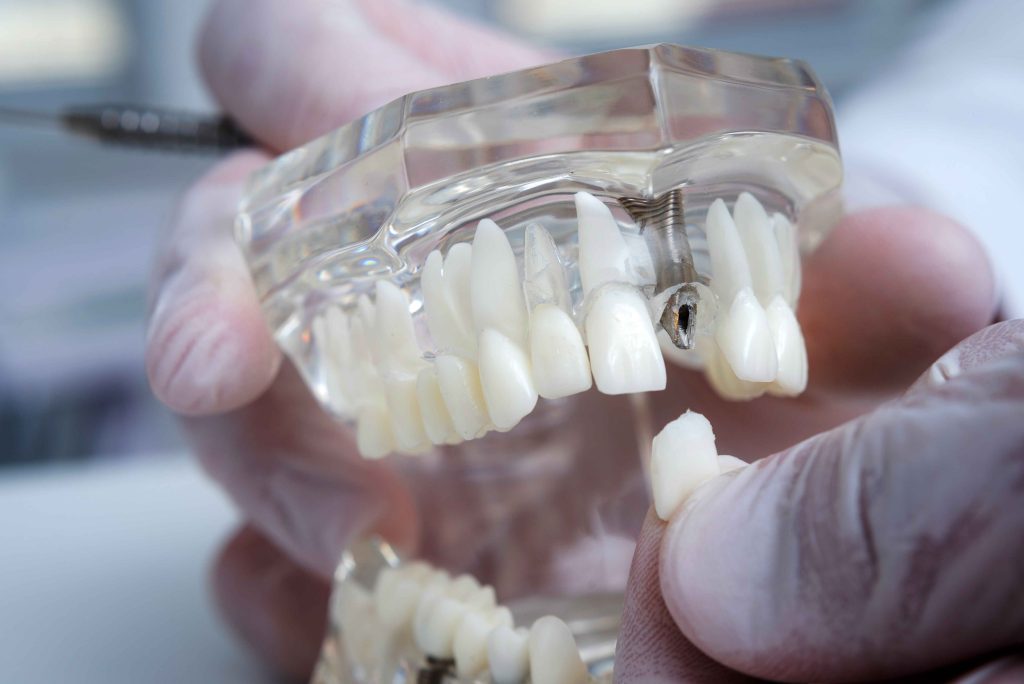
Myth 3: Single-piece implants are a temporary solution
Another common myth is that these implants don’t last long. People believe that they only use them for the short term in Texas. The experts construct these implants for durability. Their material is made from high-quality titanium and is placed in a way that encourages the bone to grow around them. As a result, it will help them to stay strongly anchored over time. Moreover, when the experts are placing it correctly, it lasts as long as traditional implants. Maintenance and oral hygiene are the main factors that affect how long the implants will last.
Myth 4: Single-piece dental implants don’t allow flexibility in treatment
Patients often ask if these implants are hard to adjust or repair. Some fear they won’t be able to fix the crown if something goes wrong. But the modern single-piece system has a design with simplicity and strength in mind. Also, they are designed to avoid the need for extra screws or connectors. As a result, it makes placement easier and can reduce complications later. Therefore, they are also allowing for intermediate loading in many cases, which means you don’t have to wait months for a tooth replacement. Conclusion There are many myths about single-piece implants, but they are not true. These implants are stable, long-lasting, and useful for many types of tooth replacement. They are not just for show, but they support real functions. Always ask a specialist if you are unsure. They can help you understand what works best for your mouth. To know the real dental implant cost for one tooth, you can visit a trustworthy clinic like Dicolorado. The right choice starts with facts, not fear.
Frequently Asked Questions
So, is a single-piece implant always the better choice? Not necessarily. It’s more about finding the right tool for the job. A single-piece implant is fantastic because its seamless design leaves no space for bacteria to hide, which is great for long-term gum health. However, a traditional two-piece implant gives your dentist more flexibility to adjust the angle of the final tooth, which can be crucial in complex cases. The best option truly depends on your unique anatomy and the specific tooth being replaced, which is something we determine during a thorough consultation.
How do I know if I’m a good candidate for a single-piece implant? The main requirement for any implant is having enough healthy jawbone to provide a stable foundation. During your initial visit, we use advanced 3D imaging to get a precise look at your bone structure. This helps us determine if you have the support needed for a single-piece implant or if another approach, perhaps with a bone graft, would provide a more successful and lasting outcome. Your overall gum health also plays a big role in this decision.
Is the recovery process faster since there’s only one surgery? While the treatment process is more streamlined with fewer appointments, the most critical part of recovery—your jawbone fusing to the implant—takes the same amount of time. The main advantage is that you get to skip the second minor surgery that’s required to attach the abutment in a two-piece system. This simplifies the journey, but allowing your body the proper time to heal is still the most important step for long-term success.
You mentioned zirconia. Why would I choose that over a standard titanium implant? Titanium has been the gold standard for decades and is an incredibly reliable material. However, zirconia is an excellent metal-free alternative that some patients prefer. Its main benefit is its tooth-colored appearance, which means there’s zero risk of a dark metal line ever showing through your gums. This makes it a great choice for visible front teeth or for patients who have thin gum tissue. It’s also completely hypoallergenic, making it the perfect solution for anyone with a known metal sensitivity.
What’s the most important thing I can do to make sure my implant lasts a lifetime? Your daily care routine is the single biggest factor in your implant’s longevity. While the implant itself can’t get a cavity, the gums around it can still be affected by plaque and bacteria. The best way to protect your investment is to treat it just like a natural tooth: brush twice a day, floss daily, and keep up with your regular professional cleanings. This simple commitment is what keeps the supporting bone strong and ensures your implant stays stable for decades to come.
Key Takeaways
- A Seamless Structure Promotes Healthier Gums: Single-piece implants are made from one solid unit, which means there’s no tiny gap for bacteria to collect. This smart design can reduce the risk of future inflammation and simplifies the overall treatment process.
- Implants Protect More Than Just Your Smile: A dental implant is the only tooth replacement that also replaces the root, which is vital for jawbone health. This prevents bone loss and protects neighboring teeth, making it a comprehensive investment in your long-term oral structure.
- Durability Is a Two-Way Street: While implants are designed to last a lifetime, their success depends on you. Consistent daily care, just like with natural teeth, combined with regular professional check-ups, is the key to ensuring your investment remains stable and healthy for decades.
Related Articles
- one piece dental implant in cherry creek Archives — Dental & Implant Centers of Colorado
- About The Myth Vs Fact About Single-Piece Dental Implants
- All on Four Zirconia: What You Need to Know
- single tooth dental implants Archives — Dental & Implant Centers of Colorado
- About Dental Implants — Dental & Implant Centers of Colorado
