




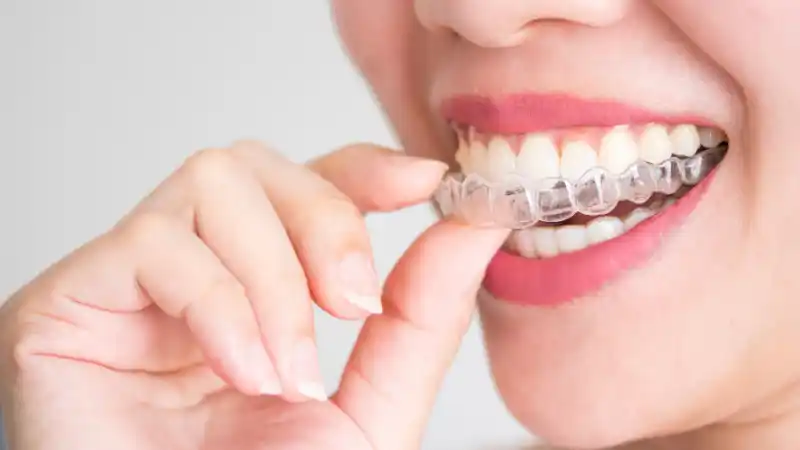
The idea of straightening your teeth often brings up images of metal brackets and wires. For many adults, that’s a non-starter. You want a beautiful smile, but you don’t want to feel self-conscious during meetings or social events for the next two years. This is exactly why clear aligners have become such a popular and effective solution in modern orthodontics. They offer a way to achieve the smile you’ve always wanted without the aesthetic drawbacks of traditional braces. In this guide, we’ll walk you through everything you need to know, from how the technology works to what you can expect with the cost and treatment timeline.
A beautiful, confident smile can have a significant impact on one’s self-esteem and overall oral health. In recent years, clear aligners like Invisalign and Clear Correct have revolutionized orthodontic treatment by offering a discreet and convenient alternative to traditional braces. In this comprehensive guide, we will explore the numerous benefits of clear aligners and why they have become a popular choice for teeth straightening.
Where Did Clear Aligners Come From?
Clear aligners have revolutionized the field of orthodontics, providing a discreet and effective alternative to traditional braces. In this article, we will delve into the history of clear aligners, tracing their development from early concepts to the advanced technology used today.
-
Early Concepts and Orthodontic Innovations:
The concept of aligning teeth without visible braces dates back to the late 1940s. Dr. H.D. Kesling, an orthodontist, developed a series of removable appliances known as “tooth positioners.” These appliances aimed to guide teeth into their desired positions by utilizing a series of progressive, custom-made devices.
-
Introduction of CAD/CAM Technology:
In the late 1990s, computer-aided design (CAD) and computer-aided manufacturing (CAM) technologies began to make their way into the field of orthodontics. This technology allowed for precise digital modeling of the teeth and the creation of customized treatment plans.
-
Invisalign: Pioneering Clear Aligners:
In 1997, Align Technology introduced Invisalign, marking a significant breakthrough in clear aligner treatment. Invisalign utilized the CAD/CAM technology to create a series of clear, removable aligners that gradually moved the teeth. Each aligner in the series exerted controlled force on specific teeth, leading to their gradual repositioning over time.
-
Refinements and Improvements:
Over the years, Invisalign and other clear aligner manufacturers have continued to refine and improve their products. Advances in digital scanning, 3D printing, and material technology have enhanced the precision, comfort, and effectiveness of clear aligner treatment.
-
Expansion of Clear Aligner Market:
In recent years, the popularity of clear aligners has skyrocketed, leading to the emergence of several competitors in the market. Clear Correct, another prominent brand, has gained recognition for its clear aligner solutions. This expanding market has given patients more options and increased accessibility to clear aligner treatment.
-
Technological Advancements:
Advancements in technology have played a crucial role in shaping the field of clear aligners. Innovations such as SmartTrack material (used by Invisalign) and digital treatment planning software have further improved the accuracy, predictability, and efficiency of clear aligner therapy.
-
Growing Acceptance and Effectiveness:
Clear aligners have gained widespread acceptance among patients and orthodontic professionals alike. They have been proven effective in treating various orthodontic issues, including crowding, spacing, overbites, underbites, and crossbites. The flexibility, convenience, and aesthetic appeal of clear aligners have contributed to their increasing popularity.
-
Ongoing Research and Future Possibilities:
The field of clear aligners continues to evolve, with ongoing research and development aimed at further enhancing treatment outcomes. Advancements in materials, wearables, and digital monitoring may open up new possibilities for even more efficient and precise teeth straightening in the future. Clear aligners have come a long way since their early concepts, revolutionizing orthodontic treatment and offering patients a discreet and comfortable option for teeth straightening. From the pioneering efforts of Invisalign to the advancements in technology and expanding market, clear aligners have transformed the field of orthodontics. As the field continues to evolve, we can anticipate further innovations and improvements that will continue to benefit patients seeking a beautiful, confident smile. 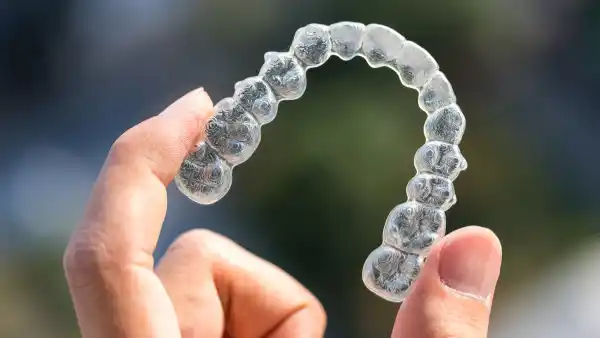
What Are the Real Benefits of Clear Aligners?
-
Enhanced Aesthetics:
Clear aligners are virtually invisible, making them an excellent option for those who prefer a discreet orthodontic treatment. Unlike traditional braces, which utilize metal brackets and wires, clear aligners are made of transparent, BPA-free plastic that fits snugly over the teeth. This aesthetic advantage allows individuals to undergo teeth straightening without feeling self-conscious about their appearance.
Example: Sarah, a college student and DICC patient, felt hesitant about getting braces due to her concern about how they would affect her social life. However, after opting for clear aligners, she could confidently smile, speak, and attend social events without anyone noticing her orthodontic treatment.
-
Improved Comfort:
Clear aligners are custom-made to fit the patient’s teeth comfortably. They are smooth and do not have any sharp edges or protruding parts that can cause discomfort or irritation to the mouth. Additionally, clear aligners exert gentle pressure on the teeth, gradually shifting them into the desired position, resulting in a more comfortable experience compared to traditional braces.
Example: David, a professional who spends long hours at work, found clear aligners to be incredibly comfortable. He appreciated the absence of wires and brackets, which often caused discomfort and minor injuries in his mouth during his busy schedule. 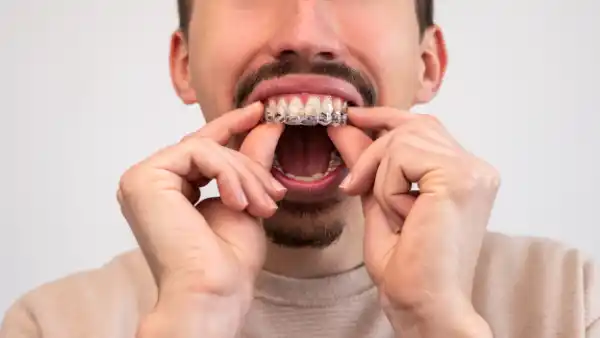
-
Convenience and Removability:
One of the greatest advantages of clear aligners is their removability. Unlike braces, which are fixed onto the teeth, clear aligners can be easily removed for eating, brushing, and flossing. This convenience allows individuals to maintain optimal oral hygiene and enjoy their favorite foods without restrictions.
Example: Jennifer, our patient and food enthusiast, could continue savoring her favorite crunchy and sticky foods without worrying about damaging brackets or struggling to clean her teeth effectively.
-
Minimal Impact on Daily Life:
Clear aligners fit seamlessly into a person’s lifestyle, requiring fewer adjustments and dental visits compared to traditional braces. The absence of wires and brackets eliminates the need for frequent orthodontic appointments for tightening or wire adjustments, saving valuable time and reducing inconveniences.
Example: Mark, a busy professional, found clear aligners to be a time-saving option. With fewer dental appointments required, he could maintain his work commitments and personal life without significant disruptions.
-
Effective Treatment for Various Orthodontic Issues:
Clear aligners can effectively address a wide range of orthodontic concerns, including crowded teeth, gaps, overbites, underbites, and crossbites. Advanced computer simulations and 3D imaging technology allow orthodontists to create customized treatment plans, ensuring optimal results for each patient.
Example: Lisa, one of our patients who had a crossbite and misaligned front teeth, underwent clear aligner treatment. After a few months, her teeth were properly aligned, and her crossbite was corrected, resulting in a beautiful and healthy smile. 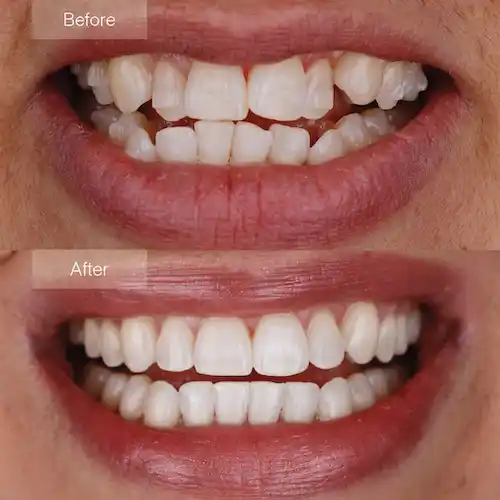
How Exactly Does Invisalign Work?
Here’s a step-by-step breakdown of how Invisalign works:
-
Consultation and Treatment Planning:
During an initial consultation, an orthodontist evaluates your teeth and determines if you are a suitable candidate for Invisalign. They may take X-rays, impressions, or digital scans of your teeth to create a detailed treatment plan.
-
Customized Aligner Fabrication:
Using advanced computer-aided design (CAD) technology, your orthodontist creates a virtual 3D model of your teeth. They design a series of custom-made aligners specifically tailored to your treatment plan. Each aligner is slightly different from the previous one, applying gentle and precise forces to gradually move your teeth.
-
Wearing the Aligners:
Once the aligners are fabricated, you will receive a set of aligner trays. You’ll be instructed to wear each set of aligners for about 20-22 hours per day, removing them only when eating, drinking (except for water), brushing, and flossing. It is essential to follow the prescribed wearing schedule to achieve optimal results.
-
Gradual Tooth Movement:
As you progress through the series of aligners, typically changing them every one to two weeks, the aligners apply controlled forces to specific teeth. This gradual pressure gently moves the teeth into their intended positions. Each new aligner in the series builds upon the progress made by the previous one, ensuring a gradual and precise transformation.
-
Monitoring and Check-ups:
During your treatment, you will have periodic check-up appointments with your orthodontist to assess your progress. They may provide you with several sets of aligners in advance, allowing you to switch to the next set at home as directed. These appointments also allow the orthodontist to address any concerns, make adjustments, and monitor your teeth’s movement.
-
Treatment Completion and Retention:
Once you have gone through the entire series of aligners and achieved your desired tooth alignment, your orthodontist will determine that your Invisalign treatment is complete. To maintain the results, a retention phase follows, during which you may be provided with retainers to wear at night or as instructed by your orthodontist. Retainers help stabilize the teeth in their new positions, preventing them from shifting back.
### The Treatment Process and What to Expect
Beyond just wearing your aligners, the treatment process involves a few key steps to ensure your teeth move correctly and safely. Your orthodontist will guide you through each phase, making small adjustments along the way to achieve that perfect smile. This hands-on approach is designed to be as efficient and comfortable as possible, but it’s helpful to know what’s coming. From tiny attachments that help grip your teeth to the final step of wearing a retainer, each part of the process plays a crucial role in the final outcome. Understanding these elements helps set clear expectations for your journey to a straighter smile.
Attachments and Interproximal Reduction (IPR)
To help the aligners get a better grip and move your teeth more effectively, your dentist might place small, tooth-colored dots of bonding material called “attachments” on certain teeth. They’re barely noticeable and are removed after your treatment is complete. In some cases, your dentist may also need to create a tiny amount of space for your teeth to move into their new positions. This is done through a process called “interproximal reduction,” or IPR, which involves gently filing a minuscule amount of enamel from between your teeth. It’s a quick and painless procedure that ensures there’s enough room for everything to align perfectly.
Movement and Treatment Timelines
Your journey with clear aligners is a gradual process. You’ll switch to a new set of aligners every one to two weeks, with each new tray moving your teeth a little closer to their final destination. While the average treatment time is about 13.5 months, your specific timeline will depend entirely on your unique needs and the complexity of your case. Some people may see their desired results in as little as six months, while others might need closer to two years. Regular check-ins with your dental team will keep your treatment on track and allow for any necessary adjustments along the way.
The Importance of Retainers
Once you’ve completed your series of aligners and your teeth are beautifully straight, the work isn’t quite over. To keep your smile looking its best, you’ll need to wear a retainer. Teeth have a natural tendency to shift back to their original positions, and a retainer prevents this from happening. Initially, you might need to wear it most of the day, but eventually, you’ll likely only need to wear it at night. Think of it as the final, crucial step to protect the investment you’ve made in your smile and ensure your results last a lifetime.
Effectiveness and Limitations of Clear Aligners
Clear aligners are a fantastic tool for straightening teeth, but it’s important to understand what they can and can’t do. They are highly effective for many common orthodontic issues and offer a level of convenience and discretion that traditional braces can’t match. However, they aren’t a one-size-fits-all solution. The success of clear aligners depends heavily on the specific dental issue being addressed. For some complex cases, a different approach might be more effective. Being realistic about the capabilities of clear aligners ensures you choose the best treatment path for your specific goals and achieve the best possible outcome for your smile.
Best Use Cases for Clear Aligners
Clear aligners truly shine when it comes to correcting mild to moderate alignment issues. They are particularly effective for closing gaps between teeth or fixing crowded teeth, especially in the front of your mouth where aesthetics are often a primary concern. If you have a straightforward case of spacing or crowding, clear aligners can provide a predictable and efficient path to a straighter smile. They are an excellent choice for adults and teens who want to improve their smile without the look of traditional metal braces. A consultation with an experienced dentist can help determine if your specific alignment goals fall into this category.
When Traditional Braces Might Be a Better Option
While clear aligners are incredibly versatile, they do have their limits. For more complex orthodontic problems, traditional braces may be the more effective option. This includes cases involving severely rotated teeth, teeth that need to be moved vertically (pulled up or down), or issues related to the jawbone. Braces provide the necessary force and control to handle these significant movements more predictably than aligners can. If your case is particularly complex, your orthodontist will explain why braces might give you a better, more stable result in the long run.
Understanding the Cost of Clear Aligners
The cost of clear aligners is a major consideration for anyone thinking about orthodontic treatment. While the price can seem high at first, it’s helpful to break down what goes into it and explore the different ways to make it more manageable. The total cost isn’t just for the plastic trays; it covers the entire treatment process, including the expertise of your dental team, the advanced 3D imaging technology used to plan your smile, and all your follow-up appointments. Understanding the factors that influence the price and the available payment options can make the path to a new smile feel much more accessible.
Average Cost and Factors That Influence Price
The cost for Invisalign treatment typically ranges from $3,000 to $8,000, but this can vary. The single biggest factor influencing the price is the complexity of your case. A simple case of minor crowding will require fewer aligners and less time, placing it at the lower end of the price spectrum. Conversely, a more complex case that involves significant bite correction will require a longer treatment plan and more aligners, increasing the overall cost. Your geographic location and the experience level of your provider can also play a role in the final price.
Cost Breakdown by Case Complexity
To give you a clearer idea, costs can often be broken down by the level of correction needed. Mild alignment issues might cost anywhere from $1,200 to $4,500. For moderate problems, you can expect the price to be in the $3,000 to $6,500 range. More complex cases that require extensive movement and longer treatment times can cost between $6,600 and $10,000 or more. During your initial consultation, your dentist will provide a precise quote based on your personalized treatment plan.
How Clear Aligners Compare to Braces
When you look at the numbers, the cost of clear aligners is often quite similar to other orthodontic options. The price is generally comparable to ceramic (clear) braces, which also fall in the $3,000 to $8,000 range. In some instances, clear aligners might be slightly more expensive than traditional metal braces, which typically cost between $2,750 and $7,500. Ultimately, the choice often comes down to lifestyle preferences, aesthetics, and the specific recommendations of your orthodontist, as the financial investment is often in the same ballpark for all effective treatment options.
Insurance Coverage and Payment Options
The good news is that you likely won’t have to cover the entire cost out of pocket. Most dental insurance plans that include orthodontic benefits will help pay for clear aligners just as they would for traditional braces. It’s always a good idea to check with your insurance provider to understand the specifics of your coverage. At Dental & Implant Centers of Colorado, our team is happy to help you understand your benefits and we offer a variety of financing and insurance options to make treatment affordable and accessible for our patients in the Denver, Boulder, and Broomfield areas.
Using HSA and FSA Funds
A great way to manage the cost of treatment is by using pre-tax dollars from a Health Savings Account (HSA) or Flexible Spending Account (FSA). These accounts are designed to be used for medical and dental expenses, and clear aligner treatment is an eligible expense. Using these funds can result in significant savings, as you’re paying with money that hasn’t been taxed. Be sure to check your account details and plan your contributions accordingly if you’re considering orthodontic treatment in the near future.
Monthly Payment Plans
To make the cost more manageable, many dental offices offer flexible monthly payment plans. These plans allow you to spread the cost of your treatment over several months or even years, often with little to no interest. This breaks down a large expense into smaller, more predictable payments that can fit into your budget. Some plans can result in monthly payments as low as $58, making a beautiful, straight smile a realistic goal for almost everyone. Don’t hesitate to ask your dental provider about the payment plans they have available.
Potential Additional Costs
When budgeting for your treatment, it’s wise to ask about any potential additional costs that might not be included in the initial quote. For example, if you lose or break an aligner, there may be a fee for a replacement. Additionally, the cost of your final retainers, which are essential for maintaining your results, might be a separate expense. Discussing these possibilities with your dental office upfront ensures there are no surprises and you have a complete picture of the total investment required for your new smile.
Risks and Other Considerations
While clear aligner therapy is safe and effective for most people, there are a few risks and practical considerations to keep in mind. Being aware of these factors helps you take better care of your aligners and ensures your treatment goes as smoothly as possible. From protecting your aligners from damage to understanding the critical importance of professional supervision, a little knowledge goes a long way. This is especially true when comparing professionally managed treatment with direct-to-consumer options, where the differences in care and safety can be significant.
Damage from Heat and Staining
Your aligners are made from a durable medical-grade plastic, but they aren’t indestructible. Hot liquids like coffee or tea can warp the plastic, which can affect the fit and compromise the effectiveness of your treatment. It’s best to always remove your aligners before eating or drinking anything other than cool water. This practice not only protects them from heat damage but also prevents staining from colored beverages, keeping your aligners as clear and invisible as possible throughout your treatment.
The Dangers of Direct-to-Consumer Aligners
In recent years, direct-to-consumer aligner companies have become popular by offering treatment from home without in-person dental visits. While this may seem convenient, it comes with significant risks. These services bypass critical steps like a comprehensive dental exam and X-rays, which are necessary to identify underlying issues like gum disease or problems with the jawbone that could be worsened by moving teeth. Without the direct supervision of a professional, like the experienced dentists on our team, you risk improper treatment that could lead to bite problems, tooth loss, or other serious dental complications. Professional oversight is essential for a safe and successful outcome.
Your Next Step to a Straighter Smile
Clear aligners have transformed the field of orthodontics, providing a discreet, comfortable, and convenient solution for teeth straightening. Their aesthetic appeal, enhanced comfort, removability, minimal impact on daily life, and effectiveness in treating various orthodontic issues have made them an increasingly popular choice. If you’re considering teeth straightening, clear aligners like Invisalign or Clear Correct offer a fantastic option to achieve the smile you’ve always wanted, without compromising your lifestyle or confidence. Consult with our qualified orthodontists to determine if clear aligners are the right choice for you and start your journey towards a beautiful, straight smile.
Frequently Asked Questions
How long will my treatment with clear aligners actually take? There isn’t a one-size-fits-all answer because every smile is unique. The length of your treatment depends entirely on your specific alignment needs. Simpler cases might be finished in as little as six months, while more complex adjustments could take closer to two years. During your initial consultation, your dentist will create a personalized plan that maps out your entire journey and gives you a much more precise timeline to expect.
Honestly, do clear aligners hurt? You can expect to feel some pressure or mild discomfort, especially for the first day or two after switching to a new set of aligners. This is actually a good sign that your teeth are moving as planned. However, this feeling is very different from the sharp poking and irritation that can come with metal brackets and wires. The smooth plastic of the aligners is designed for comfort, making them easy to wear throughout the day.
What happens if I lose or break one of my aligners? The first thing you should do is call your dental office right away. Don’t just skip to the next set in your series, as this could disrupt your treatment plan. Your dentist will give you specific instructions, which might mean wearing your previous set of aligners for a little longer or getting a replacement made. This is why it’s so important to always store your aligners in their protective case when you’re not wearing them.
Why can’t I just use one of those mail-order aligner companies I see online? While mail-order kits might seem convenient, they skip the most critical step for safe treatment: a comprehensive in-person dental exam. A dentist uses X-rays and a physical evaluation to check the health of your gums, jawbone, and tooth roots before starting any movement. Moving teeth without this professional oversight can lead to serious issues like bite problems or even tooth loss. Working with a dentist ensures your treatment is not only effective but also completely safe for your long-term oral health.
Do I really have to wear a retainer forever after my treatment is done? Yes, and this is the most important step for protecting the investment you’ve made in your smile. Your teeth have a natural tendency to shift back toward their original positions over time. A retainer holds them in their new, corrected alignment. While you may need to wear it frequently at first, it will likely become a simple part of your nightly routine, ensuring your beautiful results last for a lifetime.
Key Takeaways
- Straighten your teeth without disrupting your life: Clear aligners are a discreet and effective solution for many alignment issues because they are nearly invisible and can be removed for eating, drinking, and cleaning.
- The treatment process is personalized and financially accessible: Your journey is mapped out with a series of custom-fit aligners, and the cost is often comparable to braces, with insurance coverage and flexible payment plans available to fit your budget.
- Professional supervision is crucial for a safe and successful outcome: Working directly with a dental team ensures your oral health is properly assessed and monitored, preventing the serious risks associated with unsupervised, direct-to-consumer aligner services.
