




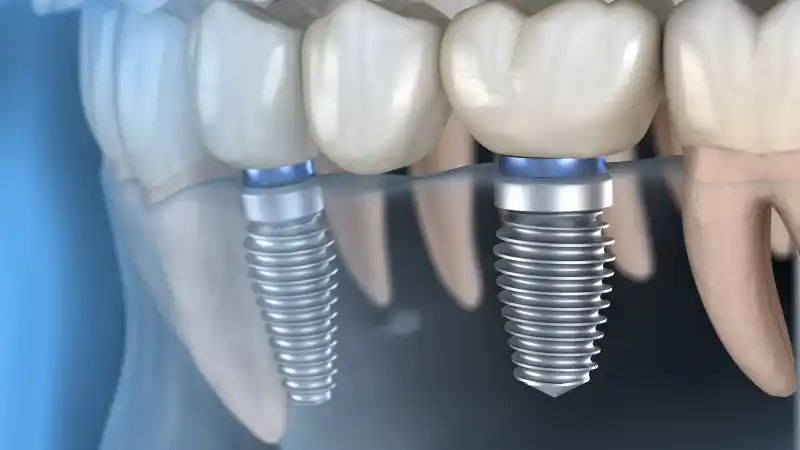
A dental implant is often talked about as a single thing, but it’s actually a three-part system designed to perfectly mimic a natural tooth: the titanium post that acts as the root, the abutment that connects it, and the custom crown that you see. Each component plays a different role, and understanding this is key to understanding the longevity of dental implants. While the post that integrates with your jawbone is designed to last a lifetime, the crown is subject to daily wear and tear. We’ll explain how these parts work together and what you can realistically expect from each, so you can feel fully confident in your decision.
Dental implants have revolutionized the field of restorative dentistry, providing a durable and natural-looking solution for individuals with missing teeth. If you’re considering dental implants, you may have questions about their long-term success and durability. How long can you expect your dental implants to last? In this article, we will delve into the topic of the longevity of dental implants, exploring the factors that contribute to their durability and what you can do to maximize their lifespan. By understanding what to expect in the long run, you can make informed decisions about your oral health and embrace the many benefits that dental implants offer.
-
Understanding Dental Implants
Before discussing the longevity of dental implants, let’s briefly understand what they are and how they work. Dental implants are artificial tooth roots made of biocompatible materials, typically titanium. These implants are surgically placed into the jawbone, where they fuse with the surrounding bone in a process called osseointegration. Once the implants have integrated, they provide a sturdy foundation for prosthetic teeth, such as crowns, bridges, or dentures, restoring both the appearance and function of natural teeth.
-
Factors Affecting Dental Implant Longevity
Several factors can influence the longevity of dental implants. Understanding these factors will help you set realistic expectations and take appropriate steps to maximize the lifespan of your implants:
What Are Dental Implants?
Before we talk about how long they last, let’s get clear on what they are. Think of a dental implant as a high-tech, artificial tooth root. It’s a small post, typically made from titanium, a material your body accepts easily. This post is surgically placed into your jawbone right where your missing tooth used to be. The real magic happens over the next few months as the implant naturally fuses with your jawbone. This process creates an incredibly strong and stable foundation, essentially becoming a permanent part of you. It’s this secure base that allows an implant to support a replacement tooth without affecting the teeth next to it, making it a standout solution in modern dentistry.
A complete dental implant actually has three parts. First is the implant itself—the titanium post that acts as the root. Second is the abutment, which is a small connector piece that attaches to the top of the implant and sits just above the gumline. Finally, there’s the custom-made crown, which is the visible, tooth-like part that is secured to the abutment. This three-part structure is designed to perfectly mimic the function and appearance of a natural tooth. When you get dental implants, you’re not just filling a gap; you’re restoring your smile with a solution that is built to feel secure and look completely natural, allowing you to eat, speak, and smile with total confidence.
Types of Dental Implants
Not all dental implants are created equal. The type of implant your dentist recommends will depend on your specific needs, the health of your jawbone, and your overall treatment plan. Think of it like this: you wouldn’t use the same tool for every job, and the same goes for restorative dentistry. The goal is always to find the perfect fit for your unique situation. The three main types of dental implants you’ll likely hear about are endosteal, subperiosteal, and mini dental implants. Each serves a distinct purpose, and understanding the differences can help you feel more confident as you discuss your options with a dental professional.
Endosteal Implants
Endosteal implants are the most common type used today. The name might sound technical, but the concept is straightforward: these implants are placed directly into your jawbone. During the procedure, a small, screw-like post, typically made of titanium, is surgically inserted to act as an artificial root. For this to be successful, you need to have a healthy and sufficient amount of jawbone for the post to fuse with. This fusion process, called osseointegration, is what makes the implant so incredibly strong and stable. Endosteal implants are the go-to solution for most patients seeking a permanent fix for one or more missing teeth.
Subperiosteal Implants
What if you don’t have enough healthy jawbone to support an endosteal implant? That’s where subperiosteal implants come in. Instead of being placed *in* the jawbone, these implants rest *on top* of the bone but underneath the gum tissue. A custom-made metal frame is fitted onto the jawbone, and posts attached to the frame protrude through the gums to hold the replacement teeth. While they were a popular alternative in the past, advancements in bone grafting procedures—which can rebuild the jawbone to support endosteal implants—have made subperiosteal implants less common. They remain a viable option for certain specific cases.
Mini Dental Implants (MDIs)
As the name suggests, mini dental implants are much smaller in diameter than traditional implants. They are often used in situations where a less invasive procedure is needed, primarily to stabilize a lower denture. Because of their smaller size, the placement process is simpler and often requires less healing time. MDIs can be a great solution for patients who may not be candidates for conventional implant surgery due to bone loss or other factors. They provide a significant improvement in denture stability, preventing that frustrating slipping and clicking when you talk or eat.
Understanding the Lifespan and Success Rates
When you’re considering a permanent solution like dental implants, one of the biggest questions is, “How long will they really last?” It’s a fair question—this is an investment in your health, your confidence, and your quality of life. The great news is that dental implants are designed for the long haul. Their durability is one of the primary reasons they have become the gold standard for replacing missing teeth. Unlike other options that may need to be replaced or adjusted every few years, dental implants can provide a lifetime of support when cared for properly. Their impressive longevity is backed by decades of research and countless successful patient outcomes.
How Long Do Implants Actually Last?
So, let’s talk numbers. On average, dental implants can last anywhere from 10 to 30 years. However, many people have their implants for a lifetime without any issues. The key is understanding that an “implant” has two main parts, and they wear differently. The titanium post that is surgically placed into your jawbone is designed to be a permanent fixture. Through osseointegration, it literally becomes part of your jaw. With good oral hygiene and regular dental check-ups, this post can easily last for the rest of your life. It’s the foundation, and it’s built to be incredibly resilient and durable.
The Implant Post vs. The Crown
While the implant post is meant to last a lifetime, the crown attached to it is a different story. The crown is the visible, tooth-shaped part that does all the chewing and grinding. Just like your natural teeth, it’s subject to daily wear and tear. According to Healthline, a dental crown typically lasts between 10 and 15 years before it may need to be replaced. This is completely normal and should be thought of as routine maintenance. Replacing a crown is a simple, non-invasive process that doesn’t affect the implant post secured in your jawbone at all.
A Look at Success and Failure Statistics
Dental implants are one of the most successful procedures in modern dentistry, which is a huge comfort when you’re making this decision. Extensive studies show that dental implants have a success rate of 90% to 95% over 10 years, with some research indicating cumulative survival rates of over 96% at the 15-year mark. These high success rates are a testament to the predictability and reliability of the treatment. Of course, success depends heavily on the skill of the dental team and the patient’s commitment to aftercare. Choosing an experienced specialist is crucial for ensuring the best possible outcome for your smile.
The Long-Term Value of Dental Implants
It’s true that dental implants often have a higher upfront cost compared to alternatives like bridges or dentures. However, it’s important to view them as a long-term investment in your oral health. Because the implant post is a permanent part of your jaw, you avoid the recurring costs of replacing or relining other dental prosthetics every 5 to 10 years. Over a lifetime, this can make implants a more cost-effective solution. Beyond the financial aspect, the value they add to your daily life is immeasurable. You can eat, speak, and smile with confidence, knowing your teeth are secure. If you’re curious about payment options, many clinics offer financing and insurance plans to make the investment more manageable.
How Your Oral Hygiene Routine Affects Implants
Maintaining excellent oral hygiene is crucial for the long-term success of dental implants. Proper brushing, flossing, and regular dental check-ups are essential to prevent gum disease and peri-implantitis, an infection around the implant. Good oral hygiene practices significantly reduce the risk of implant failure and contribute to their longevity.
Is Your Jawbone Healthy Enough for Implants?
Sufficient bone density and quality are vital for the stability and long-term success of dental implants. The jawbone needs to be healthy and capable of supporting the implants. If bone loss has occurred, bone grafting procedures may be necessary to augment the bone volume and ensure a solid foundation for the implants.
Why Your Bite Alignment Matters
Proper bite alignment and occlusion play a role in the longevity of dental implants. Excessive forces on the implants due to a misaligned bite or teeth grinding (bruxism) can lead to implant complications and potential failure. Your dentist may recommend orthodontic treatment or the use of a nightguard to protect the implants and ensure optimal bite alignment.
Lifestyle Choices That Impact Your Implants
Certain lifestyle factors can impact the longevity of dental implants. Smoking, for example, increases the risk of implant failure and peri-implantitis. Additionally, uncontrolled diabetes, poor nutrition, and certain medical conditions can compromise the success of dental implants. It is crucial to discuss these factors with your dentist and take appropriate measures to minimize any risks.
-
Long-Term Success Rates
Dental implants have an impressive long-term success rate. Numerous studies have reported success rates exceeding 95% over a period of 10 years or more. However, it’s important to note that success rates can vary depending on various factors, including the location of the implants (e.g., upper jaw vs. lower jaw), the patient’s overall health, and the skill and experience of the dental professional performing the procedure. Working with a qualified and experienced implant dentist significantly increases the likelihood of long-term success.
-
Proper Care and Maintenance
To maximize the longevity of your dental implants, it is essential to follow proper care and maintenance guidelines. Here are some tips to ensure the longevity of your dental implants:
Your Overall Health and Medical History
Your body is an interconnected system, and your oral health is a direct reflection of your overall well-being. Certain lifestyle habits and medical conditions can directly influence how well your dental implants heal and how long they last. For instance, smoking can restrict blood flow to the gums, which slows down the healing process and increases the risk of infection. Similarly, conditions like uncontrolled diabetes or poor nutrition can compromise your body’s ability to heal and integrate the implant successfully. It’s so important to have an open conversation with your dentist about your complete medical history. This allows them to create a holistic treatment plan that accounts for your unique health profile, setting your implants up for long-term success.
The Importance of Your Surgeon’s Experience
Placing a dental implant is a precise surgical procedure that requires a high level of skill and expertise. The long-term success of your implant is significantly tied to the experience of the professional performing the surgery. An experienced implant specialist has advanced training and has handled a wide variety of cases, from straightforward placements to more complex situations requiring bone grafts. They understand the nuances of jaw anatomy and can anticipate potential challenges. When choosing a provider, you’re not just paying for the implant; you’re investing in the surgeon’s expertise. We always encourage patients to learn about the credentials and experience of their dental team. A skilled team, like the specialists at Dental & Implant Centers of Colorado, ensures your procedure is planned and executed with the highest standard of care, which is crucial for a lasting result. You can meet our team of experts to see their qualifications for yourself.
How Implant Location Plays a Role
It might surprise you to learn that where an implant is placed in your mouth can affect its outcome. The jawbone isn’t uniform; for example, the bone in the upper jaw is typically less dense than in the lower jaw. This can sometimes make the implant integration process more challenging in the upper arch, especially in the back of the mouth. A skilled dentist will carefully evaluate the bone quality and quantity at the specific implant site using advanced imaging. Based on this assessment, they will tailor the treatment plan, which might include choosing a specific type of implant or recommending a procedure like a bone graft to ensure there is a solid foundation. This careful planning is key to ensuring that your dental implants have the best possible chance of lasting for decades, regardless of their location.
The Good News: Implants Can’t Get Cavities
Here’s a fantastic piece of news for anyone who has battled with tooth decay: dental implants can’t get cavities. It’s one of the most significant advantages of this modern tooth replacement solution. Unlike your natural teeth, which are susceptible to decay, your implant is crafted from biocompatible materials, usually titanium, which simply doesn’t break down from bacteria and acids in your mouth. This means you can say goodbye to worrying about fillings or root canals for that restored tooth. It’s a permanent solution designed to resist the common dental problems that affect natural enamel, giving you peace of mind and a durable, beautiful smile.
However, this incredible benefit doesn’t give you a pass on your daily oral hygiene routine. While the implant itself is immune to decay, the surrounding gum tissue and jawbone are not. As health experts point out, maintaining the health of this foundation is critical to prevent issues like gum disease or peri-implantitis, which can compromise the implant’s stability. Consistent brushing, flossing, and regular dental check-ups are what protect your investment and ensure your implant’s foundation remains strong and healthy for years, even decades, to come. Think of it as caring for the home your implant lives in.
Perfect Your Brushing and Flossing Technique
Brush your teeth at least twice a day with a soft-bristle toothbrush and fluoride toothpaste. Floss daily and use interdental brushes or water flossers to clean hard-to-reach areas around the implants.
Why You Shouldn’t Skip Dental Check-ups
Schedule regular check-ups with your dentist to monitor the health of your dental implants. Your dentist will perform professional cleanings, assess the integrity of the implants, and address any concerns promptly.
Habits to Avoid to Protect Your Implants
Avoid habits that can put excessive stress on your implants, such as biting on hard objects, chewing ice, or using your teeth as tools. Additionally, quit smoking if you are a smoker, as it can compromise the success and longevity of your dental implants.
Foods to Be Mindful Of
Your new dental implants are incredibly strong—after all, they’re designed to function just like natural teeth. However, just like your natural teeth, they aren’t invincible. It’s smart to be mindful of certain foods that can put unnecessary stress on your implants and the crowns attached to them. Think about very hard items like ice cubes, hard candies, or un-popped popcorn kernels, which can potentially cause damage. Sticky foods, such as caramel or taffy, can also be problematic as they can pull on the crown. While you don’t have to give up all your favorite treats, being cautious helps protect your investment and ensures your smile stays healthy for years to come. Our team always provides detailed guidance on how to care for your new dental implants, including personalized dietary recommendations.
Wear a Mouthguard During Sports
If you participate in contact sports or activities with a risk of dental trauma, wear a mouthguard to protect your implants and natural teeth from potential damage.
-
Signs of Potential Complications
While dental implants are generally a reliable and long-lasting solution, complications can arise. It’s important to be aware of the signs that may indicate an issue with your implants. Contact your dentist if you experience any of the following: a. Persistent pain or discomfort around the implant site. b. Swelling, redness, or tenderness in the gums surrounding the implant. c. Loosening or mobility of the implant. d. Changes in the bite or the way your implant-supported prosthetic teeth fit together. e. Unusual sensations, such as tingling or numbness in the mouth or lips. Early detection and prompt treatment of any potential complications can help preserve the longevity and success of your dental implants.
-
Advancements in Dental Implant Technology
The field of dental implantology continues to evolve, with ongoing advancements in implant materials, design, and techniques. These advancements contribute to improved long-term outcomes and the longevity of dental implants. By staying informed about the latest developments in implant dentistry, you can benefit from the most innovative and effective treatment options available.### Recognizing Signs of Infection While dental implants have an incredible success rate, it’s smart to know what to look for in case a problem arises. Being proactive about your oral health is the best way to protect your investment. Pay close attention to how your mouth feels and contact your dental team if you notice anything unusual. Key signs of a potential infection or issue include persistent pain or discomfort around the implant, gums that are swollen, red, or tender to the touch, or any feeling of looseness or movement in the implant itself. You should also be aware of changes in your bite or unusual sensations like tingling or numbness. Catching these issues early gives your dentist the best chance to address them successfully. ### Treating Early Gum Infections (Peri-implantitis) If you notice tenderness or swelling around your implant, you might be dealing with an early-stage gum infection known as peri-implantitis. The good news is that when this condition is identified early, before it causes significant bone loss, it is often treatable without removing the implant. The treatment typically involves a thorough, deep cleaning of the implant area to remove harmful bacteria, followed by decontamination of the implant surface. Your dentist may also prescribe antibiotics to help clear the infection completely. This is why regular check-ups and acting quickly on any warning signs are so important—they allow your dental team to intervene and protect the long-term health of your implant. ### What Happens if an Implant Fails? In the rare event that a dental implant fails, it’s important to know that you still have options. An implant might fail if it doesn’t properly fuse with the jawbone or if an infection becomes too severe to treat. If this happens, a skilled dentist or periodontist can remove the failed implant in a straightforward procedure. While losing an implant can be discouraging, it is often possible to place a new one. Sometimes, a bone graft may be needed to strengthen the site before a new implant can be placed, ensuring the foundation is solid for a successful second attempt. Your dentist will create a personalized plan to restore your smile and get your oral health back on track.
Making Your Dental Implants Last a Lifetime
Dental implants offer a remarkable solution for individuals with missing teeth, providing a durable and aesthetically pleasing restoration that can last for many years. Understanding the factors that influence the longevity of dental implants, practicing good oral hygiene, and following proper care and maintenance guidelines are essential for maximizing their lifespan. With proper care and regular dental check-ups, dental implants can provide a long-term, functional, and natural-looking replacement for missing teeth, allowing you to enjoy the benefits of a confident smile and improved oral health for years to come. Consult with a qualified implant dentist to discuss your specific needs and explore the possibilities of dental implants as a long-lasting solution for your dental restoration.
Frequently Asked Questions
So, will I need to replace the entire implant every 10-15 years? This is a great question, and the answer is almost certainly no. It’s helpful to think of your dental implant in two parts. The titanium post that acts as your new tooth root is designed to last a lifetime once it fully integrates with your jawbone. The part that may need replacing is the crown—the visible, tooth-like portion. Just like natural teeth, the crown endures daily chewing and can wear down over 10 to 15 years. Replacing a crown is a simple, non-surgical process that doesn’t disturb the permanent implant post beneath it.
If implants can’t get cavities, why is my cleaning routine so important? You’re right, the materials used for implants are immune to decay, which is a huge plus. However, the long-term success of your implant depends entirely on the health of the gums and bone surrounding it. Your natural tissues are still vulnerable to bacteria and gum disease. A consistent routine of brushing and flossing prevents plaque buildup around the implant, which could lead to an infection called peri-implantitis. This condition can damage the supportive bone and cause the implant to fail, so think of your oral hygiene as protecting the foundation that holds your implant securely in place.
What happens if the area around my implant gets infected? Is it a lost cause? Not at all, especially if you catch it early. If you notice any swelling, tenderness, or bleeding around your implant, it’s crucial to see your dentist right away. When an infection is addressed in its early stages, it can often be treated with a specialized deep cleaning around the implant and sometimes a course of antibiotics. This can resolve the issue without compromising the implant itself. This is exactly why regular dental check-ups are so important—they allow us to spot and handle potential problems before they become serious.
Are dental implants really a better long-term investment than a bridge or dentures? While implants can have a higher initial cost, they are often the most cost-effective solution over a lifetime. Bridges and dentures typically need to be replaced or refitted every 5 to 10 years, and those costs add up. Because the implant post is a permanent fixture, you avoid those recurring expenses. Beyond the financial aspect, implants provide unmatched stability and function that protect your jawbone from deteriorating. This preserves your facial structure and allows you to eat, speak, and smile with a level of confidence that other options simply can’t replicate.
Am I a good candidate for dental implants if I’ve had some bone loss? Having bone loss doesn’t automatically disqualify you from getting dental implants. In fact, it’s a very common situation that experienced dental teams are well-equipped to handle. If you don’t have enough bone to securely support an implant, a procedure called bone grafting can be performed. This process rebuilds and strengthens the area, creating a solid foundation for the implant to be placed successfully. The first step is always a thorough evaluation to determine the best and safest plan for your specific needs.
Key Takeaways
- The Implant Post Is Permanent, But the Crown Isn’t: The titanium post that integrates with your jaw is designed to last a lifetime. The visible crown, however, handles daily chewing and may need to be replaced every 10-15 years—a simple and routine maintenance step.
- Your Oral Hygiene Protects Your Investment: While an implant can’t get a cavity, the health of your surrounding gums and jawbone is essential for its stability. Consistent brushing, flossing, and regular check-ups are the best ways to prevent infection and ensure your implant has a strong foundation.
- Success Depends on Both the Surgeon and You: A successful outcome starts with the skill of an experienced dental team for proper placement. It’s maintained through your commitment to follow-up care, which allows your dentist to monitor the implant’s health and address potential issues early.
