




You’ve probably heard of titanium being used in everything from aerospace engineering to high-end sports equipment, but its most important role might be inside the human body. This remarkable metal is the primary material used for medical procedures like hip replacements and, most commonly, dental implants. This isn’t a random choice. Titanium has a unique ability to fuse directly with bone, a process that makes it incredibly stable and secure. Understanding why this material is the gold standard is the first step to feeling confident in your tooth replacement journey. Here, we’ll break down the science behind titanium implants and what makes them a trusted, long-lasting solution.
Why Is Titanium Used in Dental Implants?
Titanium is a widely used metal in the medical field, particularly for tooth restoration. Dental implants are predominantly made from titanium due to their biocompatibility and strength. One of the primary reasons for the use of titanium in dentistry is that it is non-allergenic and does not trigger an immune response. Unlike some other metals, titanium integrates seamlessly with the body, making it an excellent choice for medical applications. Titanium has been in use for decades, not only in dental implants but also in various other medical applications such as artificial hips, heart valves, and bone screws. Its strength, durability, and lightweight nature make it ideal for medical use.
A Brief History of Titanium in Dentistry
The story of titanium in dentistry began with a happy accident. In the 1950s, a Swedish doctor studying bone healing in rabbits discovered that the small titanium chambers he was using had completely fused with the bone. He couldn’t remove them without breaking the bone itself. This incredible process, called osseointegration, was a groundbreaking discovery. It revealed that the human body doesn’t reject titanium; it accepts it as a natural part. This finding paved the way for modern dental implants, which were first used in the 1960s. For decades, titanium has remained the top choice because it’s exceptionally strong, biocompatible, and boasts a success rate of over 95% in many long-term studies, making it a reliable and lasting solution for tooth replacement.
Why Choose Titanium Dental Implants?
Fuses Directly with Your Jawbone
Titanium has the unique ability to fuse with bone in a process known as osseointegration. This ensures that the implant becomes a natural part of the jawbone, providing long-term stability and durability.
Prevents Jawbone Loss
When you lose a tooth, the jawbone in that area no longer gets the stimulation it needs from the tooth root. Over time, this can cause the bone to deteriorate, which can change the shape of your face and affect your other teeth. This is where titanium implants step in to solve a bigger problem than just the gap in your smile. The titanium post acts as an artificial tooth root, and as it fuses with your jaw, it provides the same kind of stimulation your natural root did. This process is key to preventing the bone loss that typically follows tooth loss. By maintaining your jawbone’s integrity, dental implants help preserve your facial structure and provide a strong, stable foundation for your new tooth. It’s a solution that addresses not just the missing tooth, but the underlying health of your jaw as well.
Incredibly Strong, Yet Surprisingly Light
Despite being incredibly strong, titanium is lighter than gold alloys and other metals. This ensures that the implant is both durable and comfortable, reducing strain on the jawbone while maintaining a natural feel.
Less Sensitivity to Hot and Cold
Titanium has low thermal conductivity, meaning it does not transfer heat or cold easily. This helps reduce the risk of sensitivity or discomfort from extreme temperature changes, such as when drinking hot coffee or eating ice cream.
A Reliable, Long-Lasting Solution
With a success rate of approximately 95%, titanium dental implants are one of the most reliable long-term solutions for tooth restoration. With proper care, they can last a lifetime.
Exceptional Durability and Corrosion Resistance
Think about the daily workout your teeth get. Chewing, biting, and grinding put a lot of pressure on them. Titanium implants are built to handle all of it. They are incredibly strong, much like natural tooth roots, and are designed to last for a very long time. This strength means you can eat your favorite foods with confidence. Plus, titanium is highly resistant to corrosion, so it won’t rust or break down in your mouth over time. With the right care, a titanium dental implant isn’t just a temporary fix; it’s a permanent solution that can last for decades, and often for an entire lifetime.
Versatile for Different Dental Needs
Dental implants are not a one-size-fits-all solution, and that’s where titanium’s versatility really shines. These implants are available in various shapes and sizes, allowing your dentist to select the perfect fit for your specific jawbone structure and needs. Whether you are missing a single tooth, several teeth, or require a full mouth restoration, titanium implants provide a stable foundation. They are compatible with different types of restorations, like crowns and bridges, which gives your dental team the flexibility to create a truly personalized treatment plan. This adaptability ensures that the final result looks, feels, and functions just like your natural teeth, tailored specifically for your smile.
Titanium Implants vs. Other Tooth Replacement Options
When you’re missing a tooth, you have a few paths you can take to restore your smile. While titanium implants are a gold standard, it’s helpful to see how they compare to other common solutions. Understanding the key differences in function, longevity, and impact on your overall oral health can help you feel confident in your decision. Each option has its place, but implants offer unique benefits that often make them the preferred long-term choice for both patients and dentists. Let’s look at how they stack up against traditional bridges and dentures, as well as their ceramic counterparts.
Titanium Implants vs. Dental Bridges and Dentures
For a long time, dental bridges and dentures were the go-to solutions for missing teeth. A dental bridge literally “bridges” the gap by anchoring a false tooth to the healthy teeth on either side. The major drawback? This process requires grinding down those healthy neighboring teeth to fit crowns over them, permanently altering their structure. Dentures, while effective, are removable and can sometimes slip, making eating and speaking a challenge. They also don’t stimulate the jawbone, which can lead to bone loss over time.
Titanium implants, on the other hand, are a standalone solution. They are placed directly into the jawbone without impacting any of your other teeth. With an impressive success rate of around 95%, they are designed to function just like a natural tooth root, providing stability and preventing bone deterioration. This makes them a durable, permanent fix that feels and looks completely natural, allowing you to eat, speak, and smile without a second thought.
Titanium Implants vs. Ceramic (Zirconia) Implants
When it comes to implant materials, the main debate is between titanium and ceramic (often made of zirconia). Both are excellent, biocompatible materials that integrate well with your jawbone. Titanium has been the industry standard for decades, with a long and proven track record of success. Zirconia is a newer, metal-free alternative that has gained popularity for a few specific reasons. The best choice for you often comes down to your specific anatomy, the location of the missing tooth, and your personal preferences. Let’s break down the key differences.
Aesthetics and Gum Health
One of the main talking points for ceramic implants is their color. Because they are white, they eliminate the risk of a dark line appearing at the gumline. In some cases, especially for people with thin gum tissue or a tendency for gum recession, the dark gray color of a titanium implant might become slightly visible. This is typically only a concern for front teeth, where aesthetics are paramount. For most patients, however, a well-placed titanium implant is completely unnoticeable and blends seamlessly with their smile. A skilled implant specialist can assess your gum tissue and help you decide which material will give you the most natural-looking result.
Strength and Durability
When it comes to sheer strength, titanium is tough to beat. It’s incredibly resilient and has a slight flexibility that mimics a natural tooth root, allowing it to absorb the intense pressures of chewing and biting without issue. This material is known for its exceptional durability and can easily last for decades—often a lifetime—with proper care. Zirconia is also very strong, but it’s a more rigid and brittle material. While fractures are rare, titanium’s long-standing history and proven performance in millions of patients give it a clear edge in terms of long-term reliability and peace of mind.
Cost Considerations
Cost is always a practical factor in any major health decision. Generally, titanium implants are more affordable than their ceramic counterparts. The material itself is less expensive to source and manufacture, and since it’s been the standard for so long, the procedures are more established. The final price of any dental implant procedure will vary based on your individual needs, but you can typically expect to pay more for a zirconia implant. We believe that financial concerns shouldn’t stand in the way of a healthy smile, which is why we work with patients to explain all their options and help them understand their financing and insurance benefits.
Are Titanium Dental Implants Right for You?
Dental professionals often recommend titanium implants when a patient has missing teeth or requires an extraction due to various conditions, including:
- Severe tooth decay
- Infections affecting the root of the tooth
- Accidental injuries leading to tooth loss
- An alternative to dentures for better stability and comfort
- Periodontal (gum) disease causing tooth loss
Unlike dental crowns that are placed on top of an existing tooth, titanium implants are surgically inserted into the jawbone to replace the entire tooth structure. After healing, a crown is placed on top to restore function and appearance.
Health Factors for Implant Candidacy
Your overall health is a major factor in determining if titanium implants are the right choice for you. For an implant to be successful, you generally need to be in good general and oral health. This means having healthy gums and, most importantly, enough jawbone to support the implant. The implant needs a solid foundation to fuse with, and a strong jawbone provides just that. A thorough evaluation will always check these key areas first to ensure you’re set up for a successful, long-lasting result.
Certain health conditions and lifestyle habits can also affect the healing process. For example, uncontrolled diabetes can slow healing, and smoking is known to interfere with recovery after surgery. This doesn’t automatically disqualify you, but it’s something to discuss openly with your dental team. Knowing these risks helps you and your dentist create the best plan for your situation. This might involve coordinating with your doctor to ensure a condition is well-managed before your procedure. The goal is to ensure your new dental implant integrates properly for a healthy, stable smile that lasts for years.
What to Expect During the Implant Process
The dental implant process involves several steps to ensure a secure and long-lasting result.
Who Performs the Implant Procedure?
Getting a dental implant is a surgical procedure that requires a specialist’s touch. While some general dentists are trained to place implants, the procedure is typically performed by an oral surgeon or a periodontist. Oral surgeons specialize in surgeries of the jaw and face, making them uniquely qualified for implant placement. Periodontists, who are experts in gum and jawbone health, also have the advanced training needed to ensure the foundation for your new tooth is strong and healthy. The entire process is often a team effort between the surgical specialist who places the implant and a restorative dentist who designs and attaches the final crown. Having a multi-specialty team under one roof ensures every step of your journey is handled by a dedicated expert.
Step 1: Your Initial Consultation
A thorough examination, including X-rays and imaging tests, is conducted to determine if the patient is a suitable candidate for dental implants. Sufficient bone density is necessary for successful implantation.
Step 2: Placing the Titanium Implant
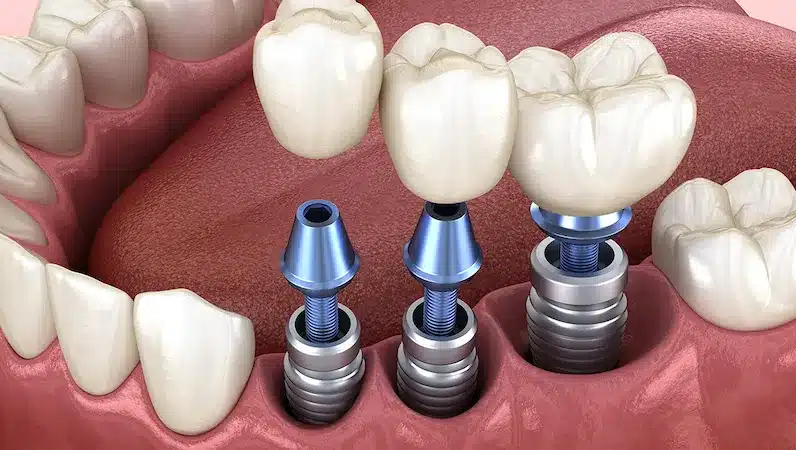
The titanium implant is surgically placed into the jawbone, where it acts as a post for the artificial tooth. This implant resembles a small screw and, over the next few months, fuses with the surrounding bone through osseointegration.
Step 3: Adding the Abutment
Once the implant has integrated with the bone, an abutment is placed on top of it. This serves as a connector between the implant and the final crown.
Step 4: Attaching Your New Crown
A custom-made crown is then placed on the abutment, completing the restoration. The crown is designed to match the natural teeth in both function and appearance. Post-surgery, patients receive care instructions similar to maintaining natural teeth. Most individuals can resume their daily activities within two to three days after surgery. 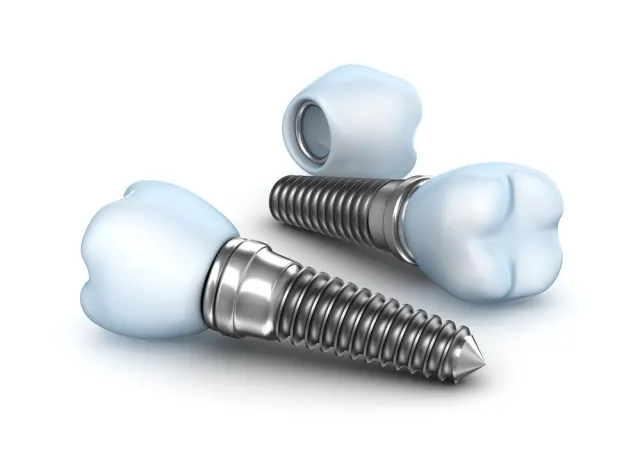
Understanding the Potential Risks of Titanium Implants
Although titanium implants have a high success rate, as with any surgical procedure, there are some risks involved.
The Possibility of a Metal Allergy
While rare, some individuals may be allergic to titanium. Those with a history of metal allergies should undergo testing before proceeding with the implant procedure.
Titanium Sensitivity and Overload
While titanium is overwhelmingly safe and biocompatible, a small number of people can experience sensitivity or an allergic reaction. This is rare, but it’s a possibility worth discussing with your dentist. In these instances, a reaction might show up as inflammation, discomfort, or even prevent the implant from properly fusing with your jawbone. If you have a known history of metal allergies, it’s crucial to share this information during your consultation. Your dental team can arrange for allergy testing before the procedure to confirm that titanium is the right choice for your body. It’s also interesting to note that titanium is found in many common products, like cosmetics and sunscreens, which can contribute to a person’s cumulative exposure over time, potentially leading to sensitivity in some individuals.
Risk of Infection at the Implant Site
Peri-implantitis, an infection around the implant site, can develop in some cases. Symptoms include redness, tenderness, and bleeding while brushing. Smokers and individuals with pre-existing gum disease are at higher risk.
Impact on Nearby Nerves or Teeth
During implant placement, nearby teeth, blood vessels, or nerves may be affected, causing pain, numbness, or tingling in the surrounding area.
Potential Sinus Issues with Upper Implants
When implants are placed in the upper jaw, there is a slight risk of them protruding into the sinus cavities, potentially causing headaches or facial pain. Temporary swelling, bruising, and mild pain are normal after implant surgery. These symptoms should subside within a few days. However, if discomfort worsens, a visit to the dental surgeon is necessary.
Electromagnetic Conductivity
Here’s a lesser-known property of titanium: it can conduct electromagnetic frequencies. In our tech-filled world, we’re constantly surrounded by signals from Wi-Fi and cell phones. Some research suggests that these frequencies can cause the titanium in an implant to heat up by a few degrees. While this is a very slight temperature change, it’s a factor to consider because it could potentially contribute to bone loss around the implant over time. Understanding every aspect of your dental health is key, which is why discussing all material properties is a standard part of the conversation when you’re exploring dental implants. Being fully informed helps you and your dentist make the best choice for your long-term oral health and the success of your restoration.
Find Expert Implant Care in Colorado
Dr. Dhawan has extensive experience in handling complex dental implant cases. With a deep understanding of the bones, skin, muscles, and nerves involved in the procedure, he takes every precaution to minimize risks. The professional team at Dental & Implant Centers Of Colorado is committed to providing exceptional care, ensuring that each patient leaves with a bright, confident smile.
Can You Have an MRI with Titanium Dental Implants?
Yes, titanium dental implants do not interfere with MRI scans. Although titanium is a metal, it is non-magnetic and does not pose a risk during MRI procedures. However, patients should always inform their healthcare providers about any implants before undergoing an MRI.
Ready to Restore Your Smile?
Titanium dental implants are one of the most reliable and durable solutions for tooth restoration. Their ability to integrate with the jawbone, combined with their strength and longevity, makes them a popular choice for patients seeking a permanent solution. If you have concerns about titanium implants or potential side effects, book an appointment with Dental & Implant Centers Of Colorado. Dr. Dhawan prioritizes patient education and ensures that every individual understands the benefits and possible risks before undergoing the procedure. At Dental & Implant Centers Of Colorado, we are dedicated to restoring smiles and improving oral health through expert care and advanced dental solutions. Book your consultation today at Dental & Implant Centers Of Colorado!
Frequently Asked Questions
How long does the entire dental implant process take? The timeline for a dental implant can vary quite a bit from person to person, but you can generally expect it to take several months. The longest part of the process is the healing period after the titanium post is placed. Your jawbone needs time to fuse with the implant, a process called osseointegration, which is essential for creating a strong foundation. This healing phase alone can take anywhere from three to six months before we can attach your final, custom-made crown.
Is getting a titanium dental implant painful? This is one of the most common concerns, and it’s completely understandable. The procedure itself is not painful because it’s performed with local anesthesia to completely numb the area. You can expect some discomfort, swelling, and bruising for a few days after the surgery, which is a normal part of healing. Most people find that this is easily managed with over-the-counter pain relievers and feels similar to other dental procedures.
How do I care for my new implant? Caring for a titanium implant is surprisingly straightforward and very similar to how you care for your natural teeth. You’ll need to brush and floss daily, paying close attention to the area around the implant to keep your gums healthy. Regular dental check-ups and cleanings are also essential. With consistent care, your implant is designed to last for many years, and for many people, it lasts a lifetime.
What happens if I don’t have enough jawbone for an implant? It’s true that a successful implant requires a certain amount of healthy jawbone for support. If you’ve been missing a tooth for a while, you may have experienced some bone loss in that area. However, this doesn’t automatically mean you can’t get an implant. Procedures like bone grafting can be used to rebuild the bone, creating a solid and stable foundation necessary for the implant to be successful.
Why can’t I just get a bridge or dentures instead? While bridges and dentures are valid options, a titanium implant offers unique long-term health benefits. A dental bridge requires altering the healthy teeth on either side of the gap, which we always prefer to avoid. Dentures can sometimes feel unstable and don’t address the underlying issue of jawbone loss. An implant is a standalone solution that functions like a natural tooth root, stimulating the jawbone to keep it strong and preserving the structure of your face.
Key Takeaways
- Titanium Fuses Directly with Your Jawbone: This natural bonding process provides a rock-solid foundation for your new tooth and is crucial for preventing the bone loss that occurs when a tooth is missing.
- Implants Protect Your Overall Oral Health: Unlike bridges that require altering healthy teeth or dentures that don’t support the jaw, an implant is a standalone solution that preserves your natural tooth structure and jawbone integrity.
- A Professional Evaluation Is the Essential First Step: Your suitability for a dental implant depends on factors like jawbone density and your general health, making a thorough consultation with an implant specialist necessary for a successful outcome.
