




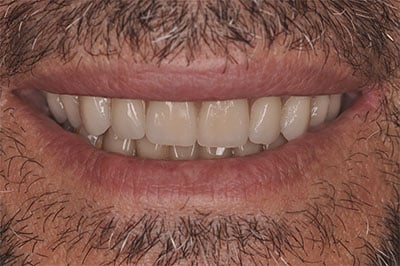
What makes a dental implant so much stronger and more permanent than other options? The answer lies in a natural process where the implant post fuses directly with your jawbone, becoming a permanent part of your body. This biological bond creates an incredibly stable foundation that allows your new tooth to feel and function just like the real thing.
No other method can replicate this root-like stability. It’s this unique integration that prevents bone loss and protects your oral health for the long term. Here, we’ll explore the science behind this remarkable solution for tooth replacement denver and why it’s the superior choice.
Dental implants at Dental & Implant Centers of Colorado provide the gold standard for tooth replacement. They are the ideal solution for replacing one or more missing teeth. We can offer you a permanent and aesthetic tooth replacement that will make you feel like you have your own tooth back again.
Dental implants in Denver – Dental & Implant Centers of Colorado Our in-house Prosthodontist Dr. Dhawan, uses advanced surgical techniques and the highest quality materials available, with the result being dental implants that look and feel natural and last for the long term. To see Dr. Dhawan, book your consultation today for Dental Implants at our Cherry Creek clinic.
Understanding Dental Implants
When you first hear about dental implants, it’s easy to think of them as just a replacement tooth. But they’re so much more than that. A dental implant is a sophisticated, multi-part structure designed to mimic the entire anatomy of a natural tooth, from root to crown.
This comprehensive approach is what makes them the strongest and most reliable solution for tooth replacement. Each component is carefully engineered to work with your body, ensuring durability, a natural appearance, and long-term oral health. Understanding how these parts come together helps clarify why implants are such a powerful and permanent solution for restoring your smile and confidence.
We focus on using high-quality materials and advanced techniques to ensure every part of your implant functions perfectly. The goal is to create a replacement that feels so natural you might forget it’s not your original tooth.
From the initial consultation to the final placement, our team ensures each step is handled with precision. This attention to detail is crucial for the implant’s success and your comfort. Let’s look at the three key components that make up a modern dental implant and how they work together to rebuild your smile from the ground up.
The Three Parts of a Dental Implant
A dental implant isn’t a single piece; it’s a system of three components working in harmony: the implant post, the abutment, and the restoration. Each part has a specific job, and together, they create a stable, functional, and beautiful replacement tooth. The success of the entire structure depends on how well these pieces are designed and placed.
Each component must meet strict criteria for biocompatibility and durability to ensure it integrates seamlessly with your body and withstands the daily pressures of chewing and speaking. This thoughtful engineering is what sets dental implants apart from other, more temporary solutions for missing teeth.
The Implant Post
The implant post is the foundation of the entire structure. It’s a small, screw-like post typically made of titanium, a material well-known for its ability to fuse with human bone. This post is surgically placed into your jawbone, where it acts as a replacement for the natural tooth root. Its primary role is to provide a strong, stable base for the rest of the restoration. The success of this component is critical for the long-term stability of your new tooth.
The Abutment
Once the implant post has fully integrated with your jawbone, the abutment is attached. Think of the abutment as a connector piece. It sits just above the gum line and serves as the bridge between the implant post hidden in your jaw and the visible crown. The abutment ensures that the final restoration is held securely in place, providing the stability needed for a confident bite and a seamless smile.
The Restoration
The restoration is the part of the implant that everyone sees—the new tooth itself. This is usually a custom-made crown designed to perfectly match the color, shape, and size of your surrounding natural teeth. The goal is to create a restoration that is not only functional for chewing but also blends in so well that it’s virtually indistinguishable from your other teeth. For patients exploring coverage options, dentures and Medicaid may help make this restorative process more accessible. This final piece completes the process, giving you a fully restored smile.
The Science of Osseointegration
The magic behind why dental implants are so successful lies in a natural process called osseointegration. This is a fancy term for the fusion of the implant post with your jawbone. Because implants are typically made from titanium, a biocompatible material, your body doesn’t recognize it as a foreign object.
Instead, the bone grows around and bonds directly to the implant surface, creating an incredibly strong and stable foundation. This biological bond is what allows the implant to function just like a natural tooth root, providing unmatched stability that other tooth replacement options simply can’t replicate.
This process is fundamental to the long-term success of your implant. Osseointegration doesn’t happen overnight; it takes a few months for the bone to fully integrate with the post. However, this healing period is a worthwhile investment in your oral health.
Once fusion is complete, the implant is strong enough to support a permanent restoration and withstand the forces of biting and chewing. The continuous research into improving osseointegration is what keeps advancing the reliability and longevity of modern dental treatments, making implants a predictable and highly effective solution for missing teeth.
Longevity and Success Rates of Dental Implants
One of the most common questions people have is, “How long do dental implants last?” The great news is that with proper care, they are designed to be a permanent solution. Studies show that the robust design of dental implants can give them a lifespan that often exceeds 20 to 30 years, making them an excellent option for permanent teeth replacement.
This longevity far surpasses other tooth replacement options like bridges or dentures, which often require replacement or adjustments over time. The key to this durability is maintaining good oral hygiene, including regular brushing, flossing, and dental check-ups, just as you would for your natural teeth.
The success rate for dental implants is also incredibly high. When placed by skilled professionals, such as the specialists on our team, success rates are approximately 95-98%. This impressive figure reflects the reliability of the procedure and the advanced technology we use.
The combination of a meticulous surgical process, high-quality materials, and the natural process of osseointegration results in a predictable and lasting outcome. You can see the life-changing results for yourself in our patient before and afters gallery, which showcases the beautiful, long-term smiles we help create.
Benefits of Dental Implants vs. Other Options
When you’re missing a tooth, you have a few different replacement options to consider. However, dental implants consistently stand out as the superior choice for a variety of reasons that go beyond just filling a gap. Unlike dentures or bridges, implants address both the aesthetic and functional consequences of tooth loss.
They are the only solution that replaces the entire tooth structure, including the root, which provides significant health benefits for your jaw and surrounding teeth. This comprehensive approach not only restores your smile but also protects your long-term oral health in a way that other options cannot.
Choosing a tooth replacement is a big decision, and it’s important to weigh the pros and cons of each method. While options like bridges and dentures can be effective in the short term, they often come with compromises that can affect your comfort, convenience, and even the health of your remaining teeth.
Dental implants, on the other hand, are designed to integrate seamlessly with your body, offering a permanent and hassle-free solution. They allow you to eat, speak, and smile with complete confidence, without the worry of slippage or future damage to your natural teeth.
Key Health Advantages of Implants
The benefits of dental implants extend far beyond a beautiful smile. Because they replace the tooth root, they provide crucial health advantages that other replacement options simply can’t offer. The most significant of these is the preservation of your jawbone.
When a tooth is lost, the bone that once supported it begins to deteriorate, which can lead to a sunken facial appearance and problems with your other teeth. Implants stimulate the jawbone just like a natural root, keeping it strong and healthy. This not only maintains your facial structure but also provides a solid foundation for your smile for years to come.
Preventing Jawbone Loss
When you lose a tooth, you also lose its root, which is responsible for stimulating the jawbone every time you chew. Without this stimulation, the bone begins to resorb, or shrink. This can alter the shape of your face and destabilize adjacent teeth.
Dental implants are the only tooth replacement solution that actively prevents this bone loss. The titanium post fuses with the jawbone, providing the necessary stimulation to keep it healthy and intact, preserving your natural facial contours.
Protecting Your Natural Teeth
Dental bridges, a common alternative for replacing a single missing tooth, require the dentist to grind down the healthy, adjacent teeth to place crowns that will support the bridge. This process permanently alters the structure of these teeth, making them more vulnerable to future decay and problems. Dental implants are a standalone solution. They are placed directly into the gap without impacting any of the surrounding teeth, preserving the integrity of your healthy, natural smile.
How Implants Compare to Alternatives
When evaluating your options, it’s helpful to see a direct comparison. While traditional methods like bridges and dentures have been used for decades, they come with functional and maintenance challenges that dental implants overcome. Implants are designed to be a permanent, integrated part of your mouth, offering a level of comfort and stability that removable or tooth-supported options can’t match. This difference becomes more apparent over time, as implant patients continue to enjoy a hassle-free smile while others may face ongoing adjustments, repairs, or replacements.
Dental Bridges
A dental bridge literally “bridges” the gap left by a missing tooth using the neighboring teeth as anchors. While this can be an effective way to restore your smile’s appearance, it places extra stress on the supporting teeth. As mentioned, these teeth must be permanently altered to fit the crowns, which can compromise their long-term health.
For high-quality solutions, a dental crowns Colorado dentist can provide expert care to ensure the best fit and durability. Unlike dental implants, bridges do not address the issue of jawbone loss, so the bone underneath the bridge will continue to deteriorate over time.
Traditional Dentures
Traditional dentures are removable appliances that rest on top of your gums. While they are often a more affordable initial option, they can come with significant drawbacks. Many people find that dentures slip or click while talking or eating, which can be uncomfortable and embarrassing. They can also cause sore spots on the gums and require messy adhesives to stay in place. Implants, by contrast, are securely anchored in your jaw, eliminating any movement and allowing you to eat all your favorite foods with confidence.
Types of Tooth Replacement Solutions
Dental implants are an incredibly versatile solution, capable of addressing everything from a single missing tooth to a full arch of missing teeth. This flexibility is one of their greatest strengths, as it allows your dental specialist to create a customized treatment plan that perfectly fits your unique needs.
Whether you lost a tooth due to an injury, decay, or gum disease, there is likely an implant-based solution that can restore your smile’s function and appearance. The type of solution recommended for you will depend on how many teeth are missing and the overall health of your jawbone.
At Dental & Implant Centers of Colorado, we specialize in a full range of implant solutions. Our prosthodontist, Dr. Dhawan, has extensive training in complex cases, ensuring you receive the highest level of care regardless of your situation. From replacing a single incisor to performing a full mouth reconstruction, our goal is to provide a stable, long-lasting, and natural-looking result.
We use state-of-the-art technology to plan and execute each procedure with precision, helping you achieve a smile that you can be proud of for a lifetime. Let’s explore the different ways implants can be used to restore your smile.
Single Tooth Replacement
If you are missing just one tooth, a single tooth implant is the ideal solution. This approach involves placing one implant post into the jawbone and topping it with a custom-made crown. The result is a replacement that looks, feels, and functions just like a natural tooth. A major advantage of this method is that it doesn’t require any alteration to your healthy neighboring teeth, which is a necessary step for placing a traditional dental bridge. It’s a conservative and highly effective way to restore your smile while preserving the health of your surrounding teeth for the long term.
Multiple Tooth Replacement
When you have several missing teeth in a row, you don’t necessarily need one implant for every single tooth. Instead, an implant-supported bridge can be an excellent solution. In this scenario, two or more implant posts are strategically placed in the jawbone to act as anchors for a bridge that spans the gap. This provides a fixed and stable restoration without needing to grind down healthy teeth for support. It’s a durable and cost-effective way to replace multiple teeth, restoring your ability to chew properly and smile with confidence.
Full Arch Replacement
For individuals missing all or most of their teeth in an upper or lower arch, a full arch replacement offers a life-changing solution. This treatment, often referred to as anchored dentures or full mouth implants, uses a series of four or more implants to secure a full denture. Unlike traditional removable dentures that can slip and cause discomfort, an implant-supported denture is locked firmly in place.
This provides incredible stability, allowing you to eat, speak, and laugh without worry. It restores nearly full chewing power and prevents the jawbone deterioration associated with complete tooth loss, offering a permanent and comfortable alternative to traditional dentures.
Your Dental Implant Process: A Step-by-Step Guide
Who is a Good Candidate for Dental Implants?
If you’re an adult with one or more missing teeth, there’s a strong chance you could be a great candidate for dental implants. The ideal person for this procedure is in good general health, has healthy gums, and, most importantly, has enough jawbone to securely anchor the implant post. Think of it like planting a tree—you need solid ground for it to take root and thrive.
Conditions like active gum disease or significant bone loss might need to be addressed first, but they don’t automatically rule you out. The key is to have a fully developed jawbone. The only way to know for certain if implants are the right path for you is to have a thorough evaluation with a dental professional who can assess your specific situation and health history.
Preparing for Your Implant Surgery
Your journey toward a new smile begins with a comprehensive consultation. During this initial visit, we’ll take a close look at your oral health, assess your gum condition, and measure your jawbone density to create a personalized treatment plan.
For some, this might involve preliminary steps like a bone graft to build up the jaw or treatment for gum disease to ensure a healthy foundation for the implant. It’s also important to be a non-smoker, as smoking can hinder the healing process. Our expert team will provide you with a clear set of instructions to follow before your surgery. Adhering to these guidelines, along with post-operative care, is crucial for ensuring the implant integrates successfully and you achieve the best possible long-term results.
1) Consultation
During your consultation at our clinic in Cherry Creek, our implant Prosthodontist Dr. Dhawan will carry out a thorough examination of your entire mouth including your teeth, jaws, gums, soft tissues, and your occlusion (how your teeth bite together). He will then assess the future Dental Implant site and take some measurements for the future tooth and the bone currently available.
This may include a 3D digital scan of your mouth instead of traditional impressions to plan the ideal position for the new tooth. He will take some x-rays of your jaw bone to measure the height of bone available for implant placement and to also identify the location of important structures (such as nerves and sinuses) within the jaw bone.
In some circumstances, it is also necessary to arrange a CBCT (3D) scan if space for the dental implant is minimal or limited by other structures and it is necessary to assess more accurately the proximity of the important structures and remaining bone in relation to the future Dental Implant. In some circumstances, a surgical guided stent is manufactured using your CBCT (3D) scan overlaid onto your intra-oral Trios scan to create the exact and ideal insertion and placement of the Dental Implant.
At this appointment, your surgeon will give you all the options for treatment and the advantages and disadvantages of each and you can have a detailed discussion about your treatment. Plans can also be made for a temporary tooth replacement so that you never have a visible gap through treatment.
2) Placement Surgery
On the day of surgery, we can arrange for you to watch a movie or listen to music or if you prefer we can provide you with oral or intravenous sedation so that you are completely relaxed throughout the surgery. The majority of our patients choose to have treatment without sedation as the procedure is completed very gently with Dr. Dhawan’s special techniques. Dr. Dhawan takes great effort to cause minimum disturbance to the surrounding tissues in your mouth which also helps you heal much quicker.
3) Abutments or Healing Caps
If a 2 step procedure was carried out, the Dental Implant will be exposed after the 10 week period and the healing caps or abutments will be attached in order to create a natural gum shape ready for the new tooth or teeth.
4) Crowns or Bridges
Digital scans are taken using the latest intraoral scanner instead of traditional impressions. This allows for the new Dental Implant Crown or in the case of multiple teeth the Dental Implant Bridge to be designed and manufactured.
Understanding the Full Timeline
Patience is a key part of the dental implant journey. Because the process involves true surgical healing and integration with your jawbone, it’s not something that can be rushed. The entire dental implant process can take anywhere from six to twelve months, and sometimes longer. This timeline depends heavily on your unique situation, such as whether you need a bone grafting procedure to build up jawbone density before the implant can be placed. During your initial consultation, we’ll map out a personalized timeline for you so you know exactly what to expect at every stage, ensuring you feel confident and informed from start to finish.
Potential Risks and Complications
While dental implants have an incredibly high success rate, it’s important to be aware of potential risks, as with any surgical procedure. Complications are rare but can include infection at the implant site, potential nerve damage, or sinus issues if an implant is placed in the upper jaw.
Choosing a highly experienced specialist, like our in-house Prosthodontist Dr. Dhawan, significantly minimizes these risks. His expertise in advanced surgical techniques ensures precision and care. We prioritize a sterile environment and provide detailed post-operative instructions to support a smooth healing process and help you achieve the best possible long-term outcome.
Cost of Dental Implants in Denver
One of the first questions most people have is about the cost. It’s true that dental implants are a significant investment in your oral health, but they are also a long-term solution that can last a lifetime with proper care. The price of dental implants in the Denver area can vary quite a bit because every patient’s needs are different. The final cost isn’t a one-size-fits-all number; it’s a reflection of a highly personalized treatment plan designed specifically for you. Think of it not as a simple purchase, but as a comprehensive medical procedure tailored to restore your smile’s function and appearance for years to come.
Factors That Influence the Final Cost
Several key elements determine the total investment for your dental implants. The number of implants you need is a primary factor—a single tooth replacement will naturally cost less than a full arch restoration. The type of materials used for the implant and crown also plays a role.
Additionally, preparatory work is often necessary to ensure the implant’s success. Procedures like tooth extractions or bone grafting to strengthen the jawbone are common and will be factored into your overall treatment plan. We provide a transparent breakdown of all associated costs during your consultation, so there are no surprises along the way.
Insurance and Financing Options
Figuring out how to pay for your treatment shouldn’t be an additional source of stress. Many dental insurance plans now offer partial coverage for dental implants, though the amount can vary. We highly recommend you check with your provider to fully understand your benefits. At Dental & Implant Centers of Colorado, we are committed to making this process as smooth as possible. Our team is here to help you understand your coverage and explore all available financing and insurance options. We work with various financing partners to create payment plans that fit your budget, ensuring you can get the care you need without delay.
Caring for Your New Dental Implants
Once your dental implant procedure is complete and your new smile is in place, the focus shifts to long-term care. Your new implants can last a lifetime, but their longevity depends on how well you look after them. The great news is that caring for them is straightforward and very similar to how you would care for your natural teeth. Establishing a consistent oral hygiene routine is the most important thing you can do to protect your investment and maintain your oral health. If you’re looking for accessible care, a Medicaid dentist near me can provide guidance and support to help keep your implants, gums, and surrounding teeth healthy and strong for decades.
Long-Term Care and Maintenance
Proper maintenance is essential for the success of your dental implants. This includes daily brushing and flossing to prevent plaque buildup around the implant site, just as you would for natural teeth. It’s also crucial to attend regular dental check-ups and professional cleanings every six months. These appointments allow us to monitor the health of your implants and gums and address any potential issues before they become serious. Avoiding habits that could damage the implants, such as chewing on ice or hard candy, will also help ensure your new smile stays beautiful and functional for life.
To find out more about our Denver Dental Implants, or to book an appointment at our dental clinic in Cherry Creek or Boulder for Dental Implants, get in touch with us by calling (720) 740-0696
Frequently Asked Questions
How painful is getting a dental implant?
This is one of the most common concerns, and the answer is usually a pleasant surprise. The placement surgery itself is done with local anesthesia, so you won’t feel any pain during the procedure. Our team prioritizes your comfort and also offers sedation options if you’re feeling anxious. Afterward, most people say the discomfort is very manageable—often less than a tooth extraction—and can be handled with over-the-counter pain relievers for a few days.
Why does the full dental implant process take several months to complete?
The timeline is all about ensuring a successful, permanent result. The most crucial phase is osseointegration, which is when your jawbone naturally fuses with the titanium implant post. This biological process creates that incredibly strong foundation, but it can’t be rushed. Giving your body the time it needs to heal and fully integrate the implant is what makes this solution so durable and reliable for the long term.
Will my new implant look and feel just like a natural tooth?
Absolutely. That’s the ultimate goal of the entire process. The implant post acts as a new root, providing unmatched stability, so you can eat and speak with confidence. The final restoration, which is the crown, is custom-designed to match the exact shade, shape, and size of your surrounding teeth. The result is a seamless replacement that blends in so well, you might even forget it’s not your original tooth.
What if I’ve been told I don’t have enough jawbone for an implant?
This doesn’t automatically mean you’re not a candidate. It’s common for the jawbone to shrink after a tooth has been missing for a while. In many cases, a procedure called bone grafting can be performed to rebuild the bone in that area, creating a solid and healthy foundation necessary for the implant post. A thorough consultation and 3D scan will help us determine if this is the right step to prepare you for a successful implant.
Are dental implants really worth the higher initial cost compared to bridges or dentures?
While implants are a bigger investment upfront, they are often the most cost-effective solution over a lifetime. Bridges and dentures typically need to be replaced or adjusted every 5 to 15 years, and those costs add up. Implants, on the other hand, are designed to be a permanent solution. They also protect you from future expenses related to jawbone loss and damage to adjacent teeth, making them a smarter investment in your long-term health and confidence.
Key Takeaways
- Implants Fuse with Your Body for Unmatched Stability: The true strength of a dental implant comes from osseointegration, the natural process where the titanium post bonds directly with your jawbone. This creates a permanent, root-like foundation that allows your new tooth to feel and function just like the real thing.
- Protect Your Existing Teeth and Jawbone: Unlike bridges that require grinding down healthy teeth, implants are a standalone solution that preserves your natural smile. They are also the only tooth replacement option that stimulates the jawbone, preventing the bone loss that can alter your facial structure over time.
- A Lasting Solution Requires Simple Care: With a success rate of over 95%, dental implants are a reliable, long-term investment in your health. After the initial healing process, maintaining your implant is as straightforward as caring for your natural teeth with daily brushing, flossing, and regular dental check-ups.
For more insights, updates, and expert tips, follow us on LinkedIn.
