




You’re investing a lot in your smile—time, money, and commitment. The last thing you want is for that investment to be compromised by preventable dental issues. When your braces finally come off, you deserve to see a perfectly straight and healthy smile, free from white spots, cavities, or gum inflammation.
Protecting your teeth during orthodontic treatment is just as important as the straightening process itself. This requires a more detailed approach to your daily oral care. We’ll walk you through the essential techniques and tools, showing you how to clean teeth with braces effectively to safeguard your oral health and ensure your final reveal is everything you’ve been waiting for.
Do you wear braces and struggle to keep them clean and maintain good oral hygiene? Or are you planning to get braces soon, and you’re concerned about how to keep your teeth clean and avoid unwanted dental issues? Living with braces can become challenging for people who are new to them. Even people who have been wearing braces for a long time face some dental issues and discomfort from time to time. Once your teeth get straightened by braces, the plaque is easier to reach between your teeth.
However, some food particles and plaque can accumulate and trap in the spaces between your teeth. This renders it essential to spend more effort and time on your oral care with wearing braces. Learn how to take care of your dental hygiene and clean your teeth thoroughly while wearing braces. You’ll also learn how to schedule a consultation at DICC if you’re not sure about the measures you need to take to maintain good oral health.
Why Do Braces Make Dental Care So Important?
Braces are used to straighten teeth and correct misshapen bites. This can be done by either moving the teeth with a series of wires and brackets or removing enough gum tissue so that the jaw bone moves, thus allowing the teeth to conform to their new positions. It is important to take extra care of your teeth when wearing braces because not only do you want them to look good — you want them to last. Braces can damage your gums if not taken care of properly. Gum tissue should be kept as healthy as possible to prevent any infection or disease from developing while wearing braces.
How to Clean Your Teeth with Braces: A 6-Step Guide
To make sure you maintain a good and healthy smile while wearing braces, you’ll need to take extra care of your teeth and incorporate the following six steps in your dental routine:
1. Brush After Every Meal
Brush and rinse your teeth after every meal. If you have braces, you will want to be extra careful about getting food caught in the wires. It may be tempting to rinse your mouth out with water after you eat, but this can cause anaerobic bacteria to grow in your mouth, leading to bad breath, tooth decay, and cavities. If you’re unsure about doing it the right way, you can plan a consultation at our dental centers at DICC, where our orthodontists will give you instructions on how to clean around your braces.
Follow the “3-3-3 Rule”
A great way to stay on track with your brushing is to follow the “3-3-3 rule.” It’s a simple memory trick that helps build a solid routine. The rule is easy: brush three times a day, for three minutes each time, and get a new toothbrush every three months. Brushing for a full three minutes is especially important with braces, as it gives you enough time to carefully clean around each bracket and wire without rushing. And swapping out your toothbrush regularly ensures the bristles are effective at removing plaque and not worn down. This simple guideline can make a huge difference in keeping your teeth healthy throughout your orthodontic treatment.
Carry a Dental Kit On-the-Go
Life gets busy, and you won’t always be home after a meal or snack. That’s why putting together a small, portable dental kit is a game-changer for anyone with braces. Pack a travel-sized toothbrush, a small tube of toothpaste, some floss or a floss threader, and interdental brushes (those tiny brushes are perfect for cleaning between brackets). Keep this kit in your backpack, purse, or car so you can quickly freshen up and dislodge any food particles after eating on the go. This proactive step helps prevent plaque buildup and keeps you feeling confident about your smile, no matter where your day takes you.
2. Pick a Soft-Bristled Toothbrush
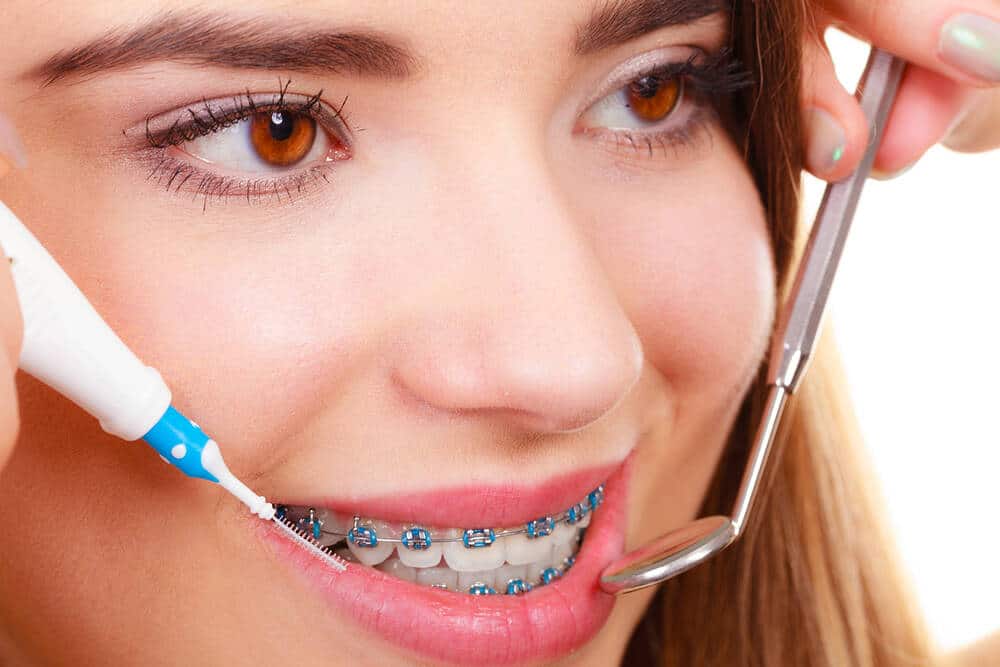
You should use a soft-bristled brush that is not too big or small for your mouth. A common mistake people make is using a toothbrush that is too big for their mouths. If you have trouble reaching every part of your mouth with a toothbrush due to braces, you can use an interdental cleaner instead. These are small brushes that fit between the braces and help clean the hard-to-reach places between the brackets.
Choose a Toothbrush Designed for Braces
When you have braces, your standard toothbrush might not be up to the task. The brackets and wires create all sorts of new places for plaque and food to hide, so you need a tool that can handle the job. Look for toothbrushes specifically designed for orthodontic care, which often have V-shaped bristles to clean around your hardware effectively. Electric toothbrushes can also be a fantastic choice, as many have specialized heads and built-in timers to ensure you’re brushing for the full two minutes. While they can make cleaning easier, remember that they aren’t a magic wand. You still need to use the proper technique to clean every surface. If you’re unsure which brush is right for you, ask your orthodontist for a recommendation during your next visit.
Replace Your Toothbrush Frequently
Your braces are working hard to straighten your teeth, but they’re also working hard on your toothbrush. The metal brackets and wires cause bristles to fray and wear down much faster than they would otherwise. A worn-out toothbrush can’t clean effectively, leaving plaque and food particles behind, which can lead to cavities and gum inflammation. That’s why it’s so important to get a new toothbrush or a new head for your electric brush more often than you’re used to. A good rule of thumb is to make the switch every one to two months. This simple habit is a key part of your overall oral hygiene and helps ensure that when your braces come off, you have a healthy, beautiful smile to show for it. Regular professional cleanings are also essential, so be sure to keep up with your dental appointments.
3. Give It Two Full Minutes
Clean each part of your mouth for 30 seconds each, upper and lower right sides, and upper and lower left sides. You should also clean your teeth’ inner and outer sides properly and set a timer for 2 minutes to ensure your teeth are cleaned thoroughly.
Start with a Pre-Brushing Rinse
Before you even put toothpaste on your brush, take a moment to rinse your mouth with plain water. Swishing it around for about 30 seconds works wonders to dislodge any larger food particles that have gotten stuck in your brackets and wires since your last meal. Think of it as a pre-wash for your teeth; it clears the way for your toothbrush and floss to do a more effective job of cleaning away plaque and smaller debris. It’s a quick, easy habit that makes the entire cleaning process smoother and more thorough, setting you up for a successful brushing session every time.
Use the Correct Brushing Angle
How you hold your toothbrush matters, especially with braces. For the most effective clean, hold your brush at a 45-degree angle to your teeth, with the bristles aimed toward your gum line. Use gentle, circular motions to clean along the gums, then adjust the angle to brush the tops and bottoms of your brackets. This specific angle ensures you’re not just cleaning the flat surface of your teeth but also getting into the critical area between your teeth and gums, where plaque often accumulates and can lead to inflammation if it’s not removed consistently.
Clean Around the Brackets
Your brackets and wires create lots of tiny nooks and crannies where plaque can hide, so you need to be meticulous. After cleaning along the gumline, focus on cleaning around each individual bracket. Brush the area above, below, and on the sides of every single one. Don’t forget to brush the inner and chewing surfaces of your teeth, too. Pay special attention to your back molars, as they are harder to see and reach, making them more susceptible to cavities. Thorough at-home care, paired with regular professional dental cleanings, is your best defense against decay.
Spit, Don’t Rinse Immediately After
Here’s a tip that might go against everything you’ve ever been taught about brushing: after you’re done, spit out the excess toothpaste foam, but don’t immediately rinse your mouth with water. Leaving a thin film of fluoride toothpaste on your teeth allows the fluoride to continue its work, strengthening your enamel and providing extra protection against cavities. Rinsing right away washes all that good stuff down the drain. Just spit out the excess foam and you’re good to go. It’s a small change that makes a big difference in your oral health.
Wait Before Brushing Acidic Foods
If you’ve just enjoyed an orange, a soda, or anything else acidic, hold off on brushing for about 30 minutes. Acidic foods and drinks temporarily soften your tooth enamel. If you brush while your enamel is in this vulnerable state, you can actually scrub away tiny particles of it, leading to permanent damage over time. Instead, rinse your mouth with water right after consuming something acidic to help neutralize the acid. Then, give your saliva about half an hour to work its magic and re-harden your enamel before you pick up your toothbrush.
4. Make Flossing a Daily Ritual
Flossing becomes as important for your teeth as brushing while wearing braces. But this part can be challenging too. When using regular floss, use a saw-like motion around your teeth to remove as much plaque as possible. Most of the time, regular flossing doesn’t provide good results, so our dental surgeons recommend using a water flosser. It cleans your teeth with a stream of water and is a quick and convenient way to floss your teeth.
Use Flossing Aids like Threaders and Waxed Floss
Let’s be honest, trying to weave regular floss through the wires and brackets of your braces can be frustrating. Thankfully, you don’t have to struggle. Specialized tools can make this essential part of your routine much easier. A floss threader, which is a small, flexible loop, is a game-changer. You simply thread your floss through the loop and then guide the threader under the main wire of your braces. This allows you to clean between your teeth and along the gumline effectively. To make the process even smoother, experts recommend using waxed floss. It’s less likely to shred or get caught on your brackets compared to unwaxed varieties, saving you a lot of hassle. Combining these simple aids will significantly improve your daily dental care and keep your smile healthy throughout your treatment.
5. Use Tools Designed for Braces
Several tools are available to help you clean your teeth and gums when you have braces. These tools can help you reach all areas of your mouth for thorough cleaning. Using interdental brushes is particularly helpful in cleaning between teeth where bristles can reach. The metal wire brush head has stiff nylon bristles that move around tightly spaced teeth. Another great tool is a water pick or oral irrigator. It uses pressurized water to remove bacteria and food particles between teeth and under the gum line. Waterpiks come with a variety of tips that are designed to fit the curves of your mouth.
Incorporate a Therapeutic Mouthwash
Think of mouthwash as the final, crucial step in your cleaning routine. With braces, your teeth have more hardware where plaque and bacteria can hide, making you more susceptible to cavities and gum irritation. Using a therapeutic mouthwash helps you rinse away any lingering debris and germs. An antibacterial mouthwash is great for fighting the germs that cause plaque and gingivitis, while a fluoride mouthwash works to strengthen your tooth enamel and protect against decay. Swishing for 30 to 60 seconds after brushing and flossing gives your mouth an extra layer of protection, ensuring your smile stays healthy throughout your orthodontic treatment.
Clean Your Tongue and Gums
A truly clean mouth goes beyond just your teeth. Your tongue and gums need attention, too, especially when you have braces. Your tongue can harbor a lot of bacteria, which not only causes bad breath but can also spread to your teeth and gums. You can easily clean your tongue by gently brushing it with your toothbrush or using a dedicated tongue scraper. Also, pay close attention to your gumline when you brush. Angle your toothbrush to gently clean where your gums and teeth meet to prevent inflammation. This simple habit makes a huge difference in your overall oral health and keeps your breath fresh.
6. Watch Out for Sticky Foods
Try your best to avoid foods that tend to stick to your teeth because it can get hard to remove them. Even if you religiously use good dental tools and techniques for your braces, avoiding something uncomfortable would be your best bet.
Know Which Foods to Avoid
When you have braces, your diet plays a huge role in keeping your teeth healthy and your orthodontic treatment on track. The brackets and wires create tiny spaces where food can easily get trapped, which can lead to plaque buildup, cavities, and gum disease if not cleaned properly. To make your life easier and protect your hardware, it’s best to steer clear of anything especially hard, sticky, chewy, or crunchy.
Think about foods like popcorn (those pesky hulls get stuck everywhere), hard candies, taffy, caramel, and hard-crusted bread. Even healthy foods like whole apples and raw carrots can be problematic, as biting into them can bend wires or pop a bracket off. Avoiding these foods helps prevent damage and makes your daily cleaning routine much more effective.
Learn How to Eat Problematic Foods Safely
Completely giving up some of your favorite foods isn’t always necessary, but you will need to change how you eat them. You can still enjoy crunchy fruits and vegetables; you just have to do a little prep work first. Instead of biting directly into a whole apple or a raw carrot, cut them into small, bite-sized pieces that you can chew easily with your back teeth. The same goes for corn on the cob—just slice the kernels off before you eat. For tougher meats or crusty breads, cut them into smaller chunks. These simple adjustments significantly reduce the risk of damaging your braces, ensuring your treatment stays on schedule. Taking these extra few minutes to prepare your food is a small price to pay for protecting your investment in a straighter, healthier smile and maintaining your overall dental health.
What Happens If You Don’t Clean Your Teeth Properly?
Braces are an amazing invention that helps correct crooked, crowded, or overlapping teeth. However, the wire and brackets that hold your braces in place can also get covered with bacteria and plaque. And if you have braces, you know how difficult it is to brush that area properly. Treating the areas around your braces with dental techniques and tools can help keep them clean and healthy. Since improper dental care can potentially lead to plaque buildup and gum disease, it’s important to incorporate good dental practices for your braces to avoid these complications and maintain a good smile.
Permanent White Spots
One of the biggest risks of neglecting your oral hygiene with braces is developing permanent white spots on your teeth. These spots, known as decalcification, are early signs of tooth decay that appear when plaque strips essential minerals from your tooth enamel. Because the area under the bracket is protected, these spots form around it, leaving a noticeable, discolored square on your tooth once the braces come off. Unfortunately, these marks are permanent and can detract from your newly straightened smile. Diligent cleaning is the only way to prevent these spots and ensure the final result is as beautiful and healthy as you imagined.
Longer Treatment Times
If the promise of a perfect smile isn’t enough motivation, consider this: poor oral hygiene can actually extend your treatment time. When plaque builds up, it can lead to inflamed, swollen gums and cavities. If these issues become severe, your orthodontist may need to pause your treatment to allow your mouth to heal or for you to see a dentist for fillings. This means more appointments, more discomfort, and more time wearing your braces. By keeping your teeth and gums healthy, you help your orthodontic treatment proceed smoothly and on schedule, getting you to the finish line faster.
The Importance of Professional Dental Cleanings
Even with the most meticulous at-home routine, the brackets and wires of your braces create countless tiny spaces where plaque and food particles can hide. This makes it nearly impossible to clean every surface of your teeth on your own.
That’s why regular professional dental cleanings are not just a suggestion—they’re a necessity when you have braces. A dental hygienist has the specialized tools and expertise to clean thoroughly around your brackets and under the wires, removing buildup that your toothbrush and floss just can’t reach. These cleanings are your best defense against cavities and gum disease during your orthodontic journey.
Scheduling these appointments every six months (or more frequently if your dentist recommends it) helps keep your teeth and gums healthy, which is crucial for your treatment to progress without complications. At Dental & Implant Centers of Colorado, we offer affordable dental cleanings and our team is experienced in working gently and effectively around all types of orthodontic appliances. We ensure you get a comprehensive cleaning that supports your orthodontist’s work and protects your investment in your smile, helping you achieve the best possible results.
Why You Still Need Your Dentist
While you’ll be seeing your orthodontist regularly, it’s important to remember that their focus is on straightening your teeth, not on your overall oral health. Your general dentist is your primary partner in preventing and treating issues like cavities and gum disease. The complex structure of braces makes your teeth more susceptible to these problems, so keeping up with your regular dental check-ups is more critical than ever. Think of your orthodontist and dentist as a team working together for your smile. Your dentist has the tools to spot early signs of trouble and provide the deep cleaning necessary to keep your teeth healthy enough for the braces to do their job effectively.
Ready for a Healthier Smile? Let’s Talk.
If you’re unsure where to start and want an expert to guide you throughout the dental care process, we make sure our orthodontists are always available to serve you. Our dental clinics in Cherry Creek, Boulder, and Broomfield use high-quality dental tools and employ safe techniques to deliver quality dental care. Plan your consultation with our dental experts today and receive comprehensive care where you’ll be guided at each step of the way!
Frequently Asked Questions
Is an electric toothbrush really better than a manual one for braces?
Honestly, the best toothbrush is the one you’ll use correctly and consistently. Both manual and electric toothbrushes can do a fantastic job. However, many people find electric toothbrushes make the process easier, thanks to built-in timers that ensure you brush long enough and specialized heads designed to clean around brackets. The most important thing isn’t the tool itself, but your technique and commitment to cleaning every surface thoroughly.
What should I do if I can’t brush my teeth right after a meal?
Life happens, and you won’t always have a toothbrush handy. If you find yourself in a spot where you can’t brush, the best thing you can do is swish your mouth vigorously with water for about 30 seconds. This helps dislodge food particles and rinse away sugars and acids until you can get to your toothbrush. This is exactly why keeping a small dental kit in your bag or car is such a great habit to build.
My gums are bleeding when I floss around my braces. Should I stop?
It might seem counterintuitive, but you should not stop flossing. Bleeding gums are usually a sign of inflammation caused by plaque buildup along the gumline. While your braces can make this area harder to clean, gentle and consistent flossing is exactly what’s needed to remove that plaque. As your gums get healthier, the bleeding should stop. If it continues for more than a week or two, it’s a good idea to check in with your dentist.
Can I just use a water flosser instead of traditional string floss?
A water flosser is an amazing tool for anyone with braces, but it shouldn’t completely replace string floss. Think of them as a team. The water flosser is fantastic for flushing out food particles from around your brackets and other hard-to-reach spots. However, string floss is still the most effective way to scrape sticky plaque from the surfaces between your teeth. For the best results, use both every day.
How do I prevent those permanent white spots I’ve heard about?
Those white spots, or decalcification, are essentially early-stage cavities caused by plaque sitting on your tooth enamel for too long. The single best way to prevent them is with a diligent cleaning routine. This means being meticulous about brushing after every meal, flossing daily to clean between your teeth, and never skipping your professional dental cleanings. It’s your consistency that protects your teeth and ensures your final smile is both straight and spotless.
Key Takeaways
- Adopt a Detailed Brushing Method: Cleaning with braces requires a specific technique. Brush after every meal using a soft-bristled brush at a 45-degree angle to clean the gumline, then adjust to carefully clean the surfaces above and below each bracket.
- Equip Yourself with Specialized Tools: A standard toothbrush and floss can’t do the job alone. Incorporate tools like floss threaders, interdental brushes, or a water flosser to effectively remove plaque and food from the hard-to-reach areas around your wires.
- Pair Smart Habits with Professional Care: Protect your investment by avoiding hard, sticky foods that can damage your hardware. It’s just as crucial to maintain your regular professional dental cleanings to prevent permanent white spots and ensure your treatment progresses smoothly.
