




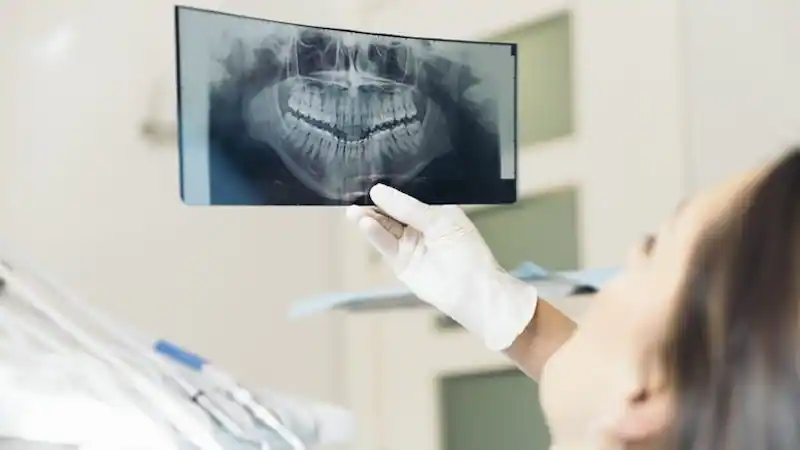
A dental implant needs a solid foundation to be successful, much like a house needs one to stand strong for decades. In dentistry, that foundation is your jawbone. When a tooth is lost, the bone that once supported it no longer gets the stimulation it needs and begins to shrink over time. This natural process leads many people to ask the critical question, what if I don’t have enough bone for a dental implant? The good news is that having low bone volume is not a disqualifier. Instead, it’s a problem that modern dental science is fully equipped to solve, ensuring your implant has the stable base it needs to last a lifetime.
A crucial prerequisite for dental implants is the presence of bone that is both dense and adequate in quantity. Researching dental implants can come as a surprise when discovering that bone is a crucial requirement. Sufficient bone density and quantity are necessary for successful dental implantation. Tooth loss can result in bone loss due to the absence of the constant pressure applied by healthy teeth. This pressure is necessary to maintain the bone’s strength and density. If the bone deteriorates too much, it may not be able to support dental implants, which require the same level of support as natural teeth. However, the need for a bone graft should not discourage you, as advancements in implant technology can address these issues and lead to successful dental implantation.
What If I Don’t Have Enough Bone for a Dental Implant?
Ideally, a bone graft would be performed at the same time as tooth loss, followed by implant installation after the graft has fully healed. Of course, in an ideal world, missing teeth and the need for dental implants would not exist. A bone graft involves adding bone to existing bone, which may be accomplished by the Dental Implant Surgeon using excess bone from another part of the patient’s body, cadaver bone, or bovine bone. Dental & Implant Centers of Colorado’s professionals take all necessary precautions to ensure the success of dental implant procedures, which boast a 95% success rate. In this article, we will delve into the various types of bone grafts. It’s important to note that bone grafts are a routine procedure and can typically be performed in a single session.
What Causes Insufficient Jaw Bone?
Understanding why you might not have enough jaw bone for a dental implant is the first step toward finding a solution. It’s not an uncommon issue, and the causes are often straightforward. When you lose a tooth, the jawbone that once supported it no longer receives the daily stimulation from chewing. Over time, this lack of activity causes the bone to resorb, or shrink. Think of it as a muscle that weakens from disuse. Several factors can accelerate this process or contribute to low bone density from the start. From oral health issues like gum disease to broader health conditions, the strength of your jaw is connected to your overall well-being. Recognizing the root cause helps your dental team create the most effective plan to rebuild that foundation for a successful implant.
Gum Disease and Infection
One of the most common culprits behind bone loss is advanced gum disease, or periodontitis. This condition involves a persistent bacterial infection that attacks the gums and the underlying bone structure supporting your teeth. As one clinic notes, “Infections, abscesses, or gum disease can cause bone loss.” Your body’s inflammatory response to the infection can inadvertently break down the very bone and connective tissues that hold your teeth in place. If left untreated, this can lead to significant deterioration of the jawbone, making it an unstable base for a dental implant. Treating the infection is always the first priority before considering any restorative procedures.
Tooth Decay and Jaw Injuries
Beyond infections, the simple act of losing a tooth can trigger bone loss. When a tooth is gone, the jawbone underneath it loses its purpose. As Edgartown Dental Group explains, “When you lose a tooth, the jawbone underneath can shrink because it’s no longer stimulated by chewing.” This process, known as atrophy, can begin almost immediately after an extraction or injury. A significant jaw injury can also directly damage the bone, leading to a loss of volume and density. In both cases, the result is the same: the bone recedes, creating a structural deficit that needs to be addressed before an implant can be securely placed.
Natural Anatomy and Health Factors
Sometimes, insufficient bone isn’t related to a past injury or infection but to your unique anatomy or overall health. Some people naturally have less bone mass in their jaw. Additionally, certain systemic health issues can impact bone density throughout your body, including your jaw. As one practice points out, factors like “osteoporosis, some medicines, your age or genes, smoking, drinking too much alcohol, or not getting enough calcium and vitamin D” can all contribute to weaker bone. This is why the expert team at Dental & Implant Centers of Colorado takes a holistic approach, considering your full medical history to understand the complete picture of your oral health.
Consequences of Placing Implants in Low Bone
Attempting to place a dental implant in a jaw with insufficient bone is like building a house on a shaky foundation—it’s destined for problems. The long-term success of an implant hinges on a process called osseointegration, where the implant post fuses directly with the surrounding bone. This fusion is what gives the implant its incredible strength and stability, allowing it to function just like a natural tooth root. If there isn’t enough healthy bone to create this bond, the entire procedure is put at risk. The consequences range from immediate implant failure to long-term functional and aesthetic issues, underscoring why addressing bone deficiency beforehand is not just recommended, but essential for a lasting, healthy smile.
Risk of Implant Failure
The most significant risk of placing an implant in low bone is outright failure. For an implant to be successful, it must achieve osseointegration, the direct fusion with the jawbone. Antelope Creek Family Dentistry puts it clearly: “If your jawbone isn’t strong enough, the implant might not stay in place and could fail.” Without adequate bone volume and density to grip onto, the implant post can become loose or may never integrate at all. This can lead to pain, infection, and the eventual need to remove the implant, forcing you to start the process all over again. Ensuring a solid foundation from the start is the best way to protect your investment and see the incredible results that successful implants provide.
Functional and Cosmetic Problems
Even if an implant in low bone doesn’t fail immediately, it can lead to serious functional and cosmetic issues down the road. Insufficient bone support can cause the implant to be placed at an improper angle, affecting your bite and how your teeth fit together. Aesthetically, significant bone loss can alter your facial structure, creating a sunken appearance. As Perfect Smile Spa notes, “Bone loss can affect the appearance of your smile, leading to gaps or uneven teeth.” This can compromise the natural look you’re trying to achieve, making the final restoration appear artificial. You can see how proper placement contributes to a natural look in our before and after gallery.
Delayed Treatment and Complications
Discovering you have insufficient bone means your treatment timeline will change. To create a stable foundation, a bone grafting procedure is often necessary to rebuild the jaw. This is a critical step, but it does add time to the overall process. As experts explain, “Bone grafting procedures may be necessary to build up sufficient bone before placing dental implants. This can delay the treatment process.” While it might feel like a setback, this preparatory step is crucial for avoiding the complications of implant failure. It ensures that when your implant is finally placed, it has the best possible chance of lasting a lifetime.
Understanding Your Bone Graft Options
In this section, we will cover the various types of bone grafts used in dental procedures.
What Is Ridge Preservation?
A ridge preservation bone graft involves grafting bone onto any areas of the bone ridge beneath the gums. This is commonly used in conjunction with dental implants to ensure that the bone ridge is sturdy and even for implant placement. At Dental & Implant Centers Of Colorado, we use a ridge preservation bone graft technique during dental implantation. Following the graft, we use the patient’s white blood cells to create a “membrane” that acts as an organic band-aid and promotes faster healing. 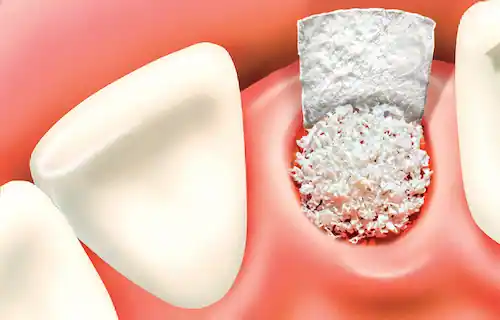
When Is a Sinus Lift Necessary?
A sinus lift is employed when there is insufficient bone on the top arch of the mouth. An opening is created beneath the cheekbone and into the sinus cavity, where bone is grafted to establish a solid structure for implant placement. This method necessitates a healing period of approximately 6-12 months before implants can be installed. An alternative to a sinus lift is the use of zygomatic implants, which have longer screws and can be utilized without the need for a sinus lift, thus eliminating the waiting period. Your surgeon will explain all options available, as well as recommend the best course of action for your specific case. 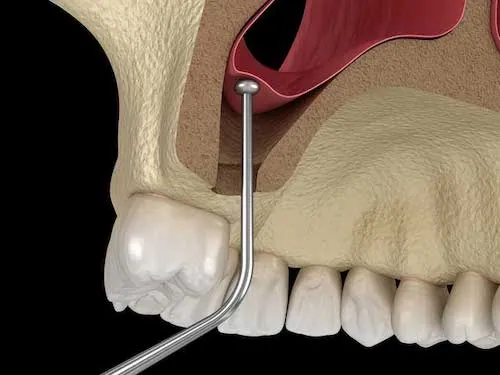
Bone Grafting Materials and Sources
When you hear “bone graft,” you might wonder where the new bone actually comes from. Surgeons have several safe and effective options, and the material chosen depends on your specific needs and situation. The goal is always the same: to provide a strong foundation for your future dental implants. Your dental team will discuss which material is best suited for your procedure, ensuring you feel comfortable and informed every step of the way. These materials act as a scaffold, encouraging your own body to generate new, healthy bone in the area where it’s needed most.
Autografts, Allografts, and Xenografts
The most common sources for bone grafting materials fall into three main categories. An autograft uses bone taken from your own body, often from another area of your jaw, chin, or even your hip. Because it’s your own tissue, it’s highly compatible. An allograft is bone sourced from a human donor, which is carefully screened, sterilized, and processed by a tissue bank to ensure it’s completely safe for use. Finally, a xenograft uses bone from an animal source, most commonly a cow. This bovine bone is also rigorously processed to make it safe and compatible, serving as an excellent framework for your own bone to grow into.
Alloplasts (Synthetic Materials)
In some cases, the best option isn’t bone at all, but a synthetic, man-made material. These are called alloplasts. They are typically made from calcium phosphates or other biocompatible materials designed to mimic the structure of natural bone. Alloplasts provide a reliable and predictable scaffold that your body can use to build new bone tissue. Because they are created in a lab, they eliminate the need for a second surgical site to harvest your own bone and remove any concerns associated with donor tissue. They are a fantastic example of how modern dental technology provides more options for successful outcomes.
Healing Time for Bone Grafts
Patience is key after a bone grafting procedure. While the initial healing of your gums and any stitches usually takes just one to two weeks, the real work is happening beneath the surface. The new bone material needs several months to fully integrate with your jawbone and become dense and strong enough to support a dental implant. This healing period is crucial for the long-term success of your implant. Rushing the process can compromise the foundation, so allowing your body the time it needs to heal properly ensures your implant will be stable and secure for years to come.
Alternative Implant and Surgical Options for Severe Bone Loss
If you’ve been told you don’t have enough bone for dental implants, don’t lose hope. It’s a common issue, and modern dentistry has developed incredible solutions that can help, even in cases of significant bone loss. While bone grafting is a highly effective and standard procedure, it’s not the only path forward. Several advanced implant types and surgical techniques are designed specifically for patients with insufficient jawbone, often reducing treatment time and the number of procedures required. Exploring these advanced dental solutions can open up possibilities you may not have known existed, putting a permanent, beautiful smile back within your reach.
Graft-Free Solutions
For many patients, the most exciting developments in implant dentistry are the graft-free solutions. These techniques are designed to work around areas of low bone volume by using specialized implants or placing them in a way that maximizes contact with the existing bone. This approach can often eliminate the need for a separate bone grafting surgery and the associated healing time, allowing you to get your new teeth faster. The team at Dental & Implant Centers of Colorado is experienced in these advanced methods and can determine if a graft-free solution is the right choice for your unique anatomy and goals.
All-on-4 Dental Implants
The All-on-4 treatment concept is a revolutionary approach for full-arch tooth replacement. Instead of using an implant for every missing tooth, this technique uses just four strategically placed implants to support an entire set of new teeth. The back implants are typically angled to engage more of the available bone, often avoiding the need for a sinus lift in the upper jaw. This method is a fantastic option for replacing all your teeth at once, offering quicker results with fewer surgeries and often at a lower overall cost compared to traditional full-mouth implant reconstructions. It provides a stable, functional, and beautiful set of fixed teeth.
Subperiosteal Implants
Subperiosteal implants are a unique solution for patients with severe jawbone deterioration. Unlike traditional implants that are placed *in* the jawbone, a subperiosteal implant consists of a custom-made metal framework that is placed *on top* of the jawbone but beneath the gum tissue. Posts protrude through the gums to hold the final restoration, such as a denture or bridge. This method completely bypasses the need for dense bone volume, making it a viable option when other types of implants aren’t possible. It’s a testament to how versatile implant technology has become in addressing even the most challenging dental situations.
Zygomatic Implants
For patients who lack sufficient bone in the upper jaw, zygomatic implants offer a brilliant graft-free alternative to a sinus lift. These are extra-long implants that are anchored in the zygoma, or cheekbone, which is a very dense and stable area of bone that doesn’t deteriorate like the jawbone. By using the cheekbone for support, your surgeon can secure a full arch of teeth without needing to perform a bone graft in the sinus area. This approach is less invasive than major grafting procedures and significantly speeds up the overall treatment timeline, allowing you to enjoy your new smile much sooner.
Other Surgical Procedures
Beyond grafting and specialized implants, surgeons have other techniques to physically manipulate the jawbone to create a suitable foundation for implants. These procedures are typically reserved for specific types of bone deficiencies, such as a jaw ridge that is too thin or not tall enough. While they may sound complex, they are well-established methods performed by skilled oral surgeons to solve specific anatomical challenges. These techniques demonstrate a commitment to finding a personalized solution for every patient, ensuring that almost anyone can be a candidate for the life-changing benefits of dental implants.
Ridge Expansion and Distraction Osteogenesis
When the jawbone isn’t wide enough to accommodate an implant, a surgeon can perform a ridge expansion. This procedure involves carefully splitting the bony ridge and packing graft material into the newly created space to widen it. In some cases, implants can be placed at the same time, while in others, a healing period is needed first. For issues with bone height, a technique called distraction osteogenesis can be used. This involves making a precise cut in the jawbone and attaching a device that slowly separates the two pieces over time. New bone grows into the gap, effectively making the jawbone taller.
Non-Implant Alternatives for Missing Teeth
While dental implants are considered the gold standard for replacing missing teeth, they aren’t the only option available. For various personal, medical, or financial reasons, some people may choose a different path. Traditional restorative dentistry offers reliable and aesthetically pleasing solutions that can restore your smile and ability to chew effectively. It’s important to understand all your choices so you can make a confident decision about your oral health. Discussing these alternatives with your dentist will help clarify which treatment best aligns with your lifestyle, budget, and long-term goals for your smile.
Dental Bridges
A dental bridge is a fixed, non-removable restoration that “bridges” the gap left by one or more missing teeth. It consists of one or more artificial teeth, called pontics, which are held in place by crowns attached to the natural teeth on either side of the gap. Bridges are custom-made to match the color and shape of your existing teeth, providing a seamless and natural-looking result. They are a durable and time-tested solution for restoring your smile’s appearance and function, preventing adjacent teeth from shifting out of position and helping you speak and chew properly again.
Partial and Full Dentures
Dentures are removable appliances designed to replace multiple missing teeth. A partial denture is used when some natural teeth remain, and it typically clasps onto them for support. A full denture is used to replace an entire arch of teeth in the upper or lower jaw. Modern dentures are crafted to look realistic and fit comfortably, restoring your facial structure and ability to eat a wider variety of foods. They are a cost-effective and non-invasive way to address extensive tooth loss, providing a functional and confident smile for those who may not be candidates for implants or bridges.
How to Know If You Have Bone Loss
Many individuals with missing teeth or those who have worn dentures for a prolonged period are likely to experience bone loss. In fact, dentures can even accelerate the process of bone loss. If you have been without teeth for over a year or wear dentures currently, it is probable that you have bone loss. However, the most reliable way to determine this is through a scan and precise measurements. At Dental & Implant Centers Of Colorado, our Dental Implant Specialists use advanced equipment to accurately measure and assess your needs during your consultation. You may request a voucher for a free consultation by filling out the form provided. It is crucial to note that too many people needlessly suffer from their condition, when they could opt for implants and experience a life-changing transformation. At Dental & Implant Centers Of Colorado we offer all kinds of dental implants. Our surgeons are highly trained and experienced, and they prioritize your surgery above all else. Regardless of whether you have been missing multiple teeth for an extended period or have recently noticed loose teeth, it is advisable to schedule a consultation as soon as possible. Bone loss may not necessarily disqualify you from receiving implants anymore, thanks to the advanced technology and exceptional surgeons at Dental & Implant Centers Of Colorado. We can effectively address your bone loss concerns.
Why You Shouldn’t Wait to Address Missing Teeth
Do not delay seeking treatment if you are experiencing pain from failed root canals or decaying teeth. In the past, dental implants were often viewed as a luxury only accessible to the wealthy, but with recent advancements, they have become more cost-effective, and there are now various financing options available. Investing in dental implants can significantly improve your quality of life and add precious years. Missing or broken teeth can impact every aspect of life, including diet and nutrition, which can ultimately affect lifespan. Although missing teeth may not seem like a major concern, taking a holistic approach reveals how significant an impact they can have on one’s overall health and well-being.
What to Expect from Your Dental Implant Procedure
After your consultation with a specialist at Dental & Implant Centers Of Colorado, you will receive a detailed treatment plan outlining the precise placement of your implants for optimal success. Before your surgery, your Dental Implant Surgeon will provide instructions on how long you should fast and what medications you should take. It is crucial to follow these guidelines to avoid postponing the surgery. The duration of surgery can range from two to eight hours depending on the complexity of your case. Following the surgery, you will require someone to drive you home as you will not be able to drive. At Dental & Implant Centers Of Colorado, you can eat soft foods right away, including hot dogs, hamburgers, and pasta, as long as they can be cut with a plastic spoon. We do not recommend liquid diets for our patients. You can read all the details about the whole implant process here. The permanent teeth in 24 hours program at Dental & Implant Centers Of Colorado offers more than just a beautiful smile. It also gives you the confidence to enjoy life to the fullest. With this program, you no longer have to worry about your teeth falling out when you laugh. You can taste your food again and savor the flavors of your favorite meals, like steak, raw veggies, pizza, and more. This program provides the freedom to eat what you like and smile without hesitation or embarrassment. You can laugh and enjoy every moment without worrying about your teeth.
Health Factors and Potential Risks
Your overall health plays a significant role in the success of your dental implants. Certain conditions can affect your body’s ability to heal, which is a cornerstone of the implant process. For instance, uncontrolled diabetes can slow down recovery, while smoking can reduce blood flow to the gums, potentially hindering the implant’s integration with your jawbone. However, it’s important to know that these factors don’t automatically disqualify you from getting implants. A thorough consultation will help your dental specialist understand your complete health profile and create a treatment plan that accounts for these variables, ensuring the best possible outcome for your new smile.
Peri-Implantitis
Just like natural teeth, dental implants require consistent care to stay healthy. One of the primary risks associated with poor oral hygiene is an infection called peri-implantitis. This condition is similar to gum disease and occurs when bacteria build up around the implant, leading to inflammation and potential damage to the surrounding bone. If left untreated, it can cause the implant to loosen and fail. The good news is that peri-implantitis is highly preventable. Diligent brushing, flossing, and regular dental check-ups are your best defense, keeping your implant secure and your mouth healthy for years to come.
Managing Post-Procedure Recovery
Patience is key during the recovery phase of a dental implant procedure, especially if a bone graft was involved. While the stitches in your gums will typically heal within one to two weeks, the new bone material needs several months to fully mature and become strong enough to support the final implant. During the initial weeks, it’s normal to experience some pain, swelling, and bruising in your jaw area. If bone was sourced from another part of your body, like your hip, you might feel some discomfort there as well. Your surgeon will provide detailed aftercare instructions to manage these symptoms and ensure your healing process is as smooth and comfortable as possible.
Long-Term Care for Dental Implants
One of the best things about dental implants is that they can last a lifetime with proper care. Think of maintaining your implant just as you would your natural teeth. This means establishing a solid daily routine of brushing twice a day and flossing at least once to prevent plaque buildup. Regular visits to your dentist are also crucial for professional cleanings and to ensure everything is functioning perfectly. It’s also wise to avoid chewing on extremely hard items like ice or hard candy and to consider a mouthguard if you play contact sports. These simple habits are all it takes to protect your investment and enjoy a healthy, confident smile for decades.
Choosing an Implant Specialist
The success of your dental implant journey heavily relies on the expertise of the professional you choose. This isn’t a standard dental procedure; it’s a specialized surgery that requires advanced training and a deep understanding of facial anatomy, bone biology, and prosthetic design. When you’re looking for a provider, it’s essential to find a dentist or surgeon with extensive experience and a proven track record in implantology, particularly if your case involves complexities like significant bone loss. Don’t hesitate to ask about their qualifications, how many implant procedures they’ve performed, and to see before-and-after photos of their work. A truly qualified specialist will be transparent and happy to share this information to build your confidence and trust.
The Importance of Experience in Complex Cases
While many dentists offer implants, not all have the specialized training required for more advanced procedures. Cases involving severe bone loss, for example, demand a higher level of surgical skill to perform bone grafts or utilize alternative implant techniques. An experienced implant specialist has encountered a wide range of clinical situations and knows how to adapt the treatment plan to your unique needs, ensuring a safe and predictable outcome. This is why choosing a dedicated implant center is so beneficial. The team at a practice like Dental & Implant Centers of Colorado focuses specifically on these types of transformative dental solutions, giving them the hands-on experience needed to handle even the most challenging cases with precision and care.
Understanding Implant Success Rates
When considering a significant investment in your health, you want to know it’s reliable. Fortunately, dental implants have an outstanding track record, boasting a success rate of over 95% for healthy individuals. This makes them one of the most predictable and successful procedures in modern dentistry. With proper long-term care, your implants are designed to last a lifetime. This stands in stark contrast to other tooth replacement options like dental bridges or dentures, which typically need to be replaced every 15 to 20 years. Hearing from others who have gone through the process can also be incredibly reassuring, which is why reading patient testimonials can provide valuable insight into the life-changing impact of a successful implant procedure.
Frequently Asked Questions
Does having low jawbone density automatically disqualify me from getting dental implants? Not at all. It’s actually a very common issue that we see and solve all the time. Think of it as needing to prepare the foundation before building a house. Modern procedures like bone grafting are designed specifically to rebuild your jawbone, creating the strong, stable base your new implant needs to last a lifetime. There are also advanced implant types that can work around areas of bone loss, so it’s definitely not a dealbreaker.
What is a bone graft really like, and is it a major surgery? A bone graft sounds more intimidating than it is. It’s a routine and highly successful procedure where a specialist adds bone material to your jaw to build it up. This is often done right in the dental office. The goal is simply to create a solid structure for the implant to fuse with. While it is a surgical step, it’s a very common part of the implant process that sets you up for a successful, long-term result.
How long does the entire implant process take if I need a bone graft? Adding a bone graft does extend the timeline, but it’s for a very good reason. After the graft is placed, your body needs time to integrate the new material and grow strong, new bone. This healing phase typically takes several months. While it requires patience, this step is what ensures your implant has the rock-solid foundation it needs to function properly for decades to come.
Are there options to get new teeth faster, even with bone loss? Yes, there are some incredible graft-free solutions available. Techniques like the All-on-4 treatment concept or zygomatic implants are specifically designed for situations with significant bone loss. They use longer, angled implants to anchor into the denser bone you already have, like your cheekbone. This often allows you to get a full set of fixed teeth without the extra time needed for a bone graft to heal.
How do I care for my dental implants to make sure they last? This is the best part—caring for your implants is surprisingly straightforward. You simply treat them like your natural teeth. A consistent routine of brushing twice a day, flossing daily, and keeping up with your regular dental check-ups is all it takes. With this simple maintenance, your dental implants are designed to last a lifetime, giving you a permanent and confident smile.
Key Takeaways
- Low bone volume doesn’t disqualify you from getting implants: It’s a common issue that can be effectively addressed. Procedures like bone grafting are specifically designed to rebuild your jaw, creating the strong foundation necessary for a successful implant.
- Bone grafting isn’t your only path forward: For significant bone loss, advanced graft-free solutions like All-on-4 and zygomatic implants offer excellent alternatives. These techniques can provide a stable result while potentially reducing your overall treatment time.
- The right specialist makes all the difference: The success of your procedure, especially in complex cases involving bone loss, depends heavily on your surgeon’s expertise. Prioritize choosing a provider with a proven track record and specialized experience in implant dentistry.
Related Articles
- The Implant Process — Dental & Implant Centers of Colorado
- Dental Implants In Denver • Dental & Implant Centers Of Colorado
- Dental Implants In Fort Collins • Dental Centers Of Colorado
- Full Mouth Implants — Dental & Implant Centers of Colorado
- Dental Implant FAQ — Dental & Implant Centers of Colorado
