





Your smile is one of the first things people notice, and feeling hesitant to share it can take a toll on your confidence. Hiding your smile in photos, covering your mouth when you laugh, or feeling self-conscious in conversations are experiences no one should have to go through. Restoring your smile is about more than just dental health; it’s about reclaiming your self-esteem and feeling free to express yourself fully. For many, Dental Implants are the key to achieving that freedom. They provide a seamless, natural-looking result that allows you to eat, speak, and smile without a second thought, empowering you to feel like yourself again.
A healthy and confident smile is not just about aesthetics; it plays a vital role in our overall well-being and quality of life. If you have missing teeth, you may experience difficulties with chewing, speaking, and self-esteem. Fortunately, dental implants offer a revolutionary solution that can enhance your oral health and significantly improve your quality of life. In this article, we will explore the numerous ways in which dental implants can positively impact your daily life, restoring functionality, confidence, and overall satisfaction.
One of the primary benefits of dental implants is their ability to restore chewing function. Unlike removable dentures, which may slide or shift during eating, dental implants provide a stable and secure foundation for chewing. With dental implants, you can once again enjoy your favorite foods without limitations. Whether it’s biting into a crisp apple or savoring a perfectly cooked steak, dental implants can restore your ability to chew comfortably and enjoy a varied and nutritious diet.
Missing teeth can affect your ability to speak clearly and confidently. Gaps in your smile can lead to speech impediments, such as slurred or mumbled speech. Dental implants fill those gaps, allowing you to articulate your words with precision. With dental implants, you can regain your natural speech patterns, feel more confident in social interactions, and express yourself clearly without any concerns about tooth-related speech issues.
The impact of missing teeth on self-esteem and confidence should not be underestimated. Individuals with gaps in their smile may feel self-conscious, avoid social situations, and even experience reduced self-confidence. Dental implants can help restore your self-esteem by providing a natural-looking and seamless smile. With dental implants, you can regain your confidence, smile freely, and feel comfortable in social and professional settings. 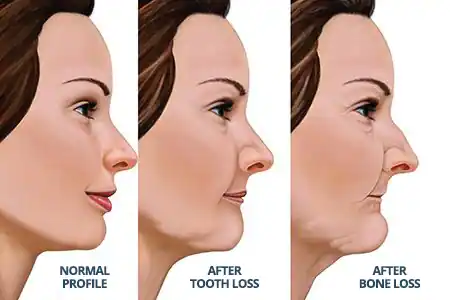
-
Long-Term Durability:
Dental implants are designed to be a permanent solution for tooth replacement. Unlike dentures or dental bridges that may require replacement or adjustment over time, dental implants can last a lifetime with proper care. This long-term durability eliminates the need for frequent dental visits for repair or replacement, saving you time, money, and potential discomfort in the future.
-
Preservation of Jawbone Health:
When a tooth is lost, the underlying jawbone may begin to deteriorate due to lack of stimulation. Dental implants address this concern by stimulating the jawbone through their integration into the bone structure. This stimulation helps preserve the natural shape and density of the jawbone, preventing further bone loss and maintaining a more youthful facial structure. By preserving jawbone health, dental implants provide long-term benefits for both oral health and overall facial aesthetics. 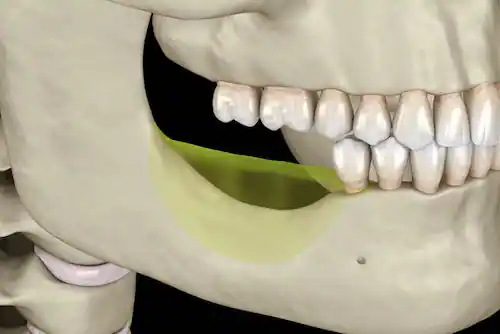
-
Convenience and Ease of Maintenance:
Unlike removable dentures, dental implants become a permanent part of your mouth. This means there is no need for messy adhesives or nightly removal and cleaning routines. Dental implants can be cared for just like natural teeth, through regular brushing, flossing, and routine dental check-ups. This convenience and ease of maintenance make dental implants a hassle-free solution for tooth replacement.
-
Improved Oral Health:
Dental implants not only replace missing teeth but also promote overall oral health. Unlike dental bridges, which require adjacent teeth to be modified, dental implants do not rely on neighboring teeth for support. This preservation of natural tooth structure improves oral hygiene access, allowing for easier cleaning and reducing the risk of future dental issues. With dental implants, you can maintain a healthier smile and enjoy improved oral health in the long run.
-
Improved Digestion and Nutritional Intake:
Missing teeth or ill-fitting dentures can make it challenging to chew food properly, leading to compromised digestion and limited nutritional intake. Dental implants restore your ability to chew effectively, allowing for better digestion and absorption of essential nutrients. With improved chewing function, you can enjoy a more varied and balanced diet, contributing to your overall health and well-being.
-
Enhanced Facial Appearance:
Missing teeth can cause facial sagging and a sunken-in appearance, giving the face an aged and prematurely worn-out look. Dental implants help maintain the natural shape of your face by preventing jawbone deterioration. By preserving the bone structure and supporting the facial tissues, dental implants contribute to a more youthful and rejuvenated facial appearance.
-
Increased Convenience and Comfort:
Unlike removable dentures, which can be uncomfortable and require regular adjustments, dental implants provide unparalleled convenience and comfort. Once the implants are placed and healed, they become a permanent part of your mouth. There’s no need to worry about slippage, discomfort, or the inconvenience of removing and cleaning dentures. Dental implants offer a seamless and hassle-free solution that allows you to go about your daily activities without interruption.
-
Improved Speech Clarity and Articulation:
Missing teeth can affect your ability to pronounce certain sounds correctly, leading to speech difficulties and reduced clarity. Dental implants fill the gaps, improving speech articulation and ensuring clearer, more confident communication. With dental implants, you can speak naturally and express yourself with ease, enhancing your interpersonal relationships and professional interactions.
-
Elimination of Social Embarrassment:
Living with missing teeth can cause embarrassment and self-consciousness, especially in social settings. Dental implants provide a permanent and aesthetically pleasing solution, eliminating the worry of gaps or ill-fitting dentures. By restoring a complete and beautiful smile, dental implants can help you feel more at ease in social situations, allowing you to engage fully and enjoy social interactions without feeling self-conscious.
-
Enhanced Dental Stability and Bite Alignment:
Missing teeth can lead to misalignment and instability in your bite, causing discomfort and potential issues with your jaw joint. Dental implants restore proper tooth alignment, improving the stability of your bite and reducing the strain on surrounding teeth. This can alleviate jaw pain, headaches, and temporomandibular joint (TMJ) disorders, resulting in greater comfort and a healthier overall bite.
-
Freedom to Smile and Laugh with Confidence:
Missing teeth can make you self-conscious about smiling or laughing freely, affecting your social interactions and overall enjoyment of life. Dental implants provide a natural-looking and aesthetically pleasing solution, allowing you to regain your confidence and freedom to smile and laugh without hesitation. With dental implants, you can feel comfortable and proud of your smile, enhancing your self-image and overall happiness. 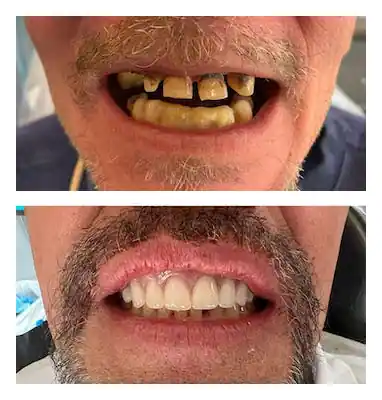
-
Long-Term Cost Savings:
While dental implants may have a higher upfront cost compared to other tooth replacement options, they offer long-term cost savings. Unlike dentures or bridges that may need to be replaced or repaired over time, dental implants are a permanent solution with a high success rate and excellent durability. By investing in dental implants, you can avoid ongoing expenses associated with maintenance, adjustments, and replacements, saving money in the long run.
Dental implants are a remarkable long-term investment in your oral health, but it’s natural to wonder about the specifics. What exactly are they made of, and what does the process involve? Understanding the fundamentals can help you feel more confident and prepared as you consider this life-changing solution. Let’s walk through the components, types, and procedures so you know exactly what to expect on your journey to a restored smile.
What Are Dental Implants?
Think of a dental implant as a complete replacement for a tooth, from the root up. Unlike dentures or bridges that sit on top of the gums, a dental implant is a surgical fixture that’s placed into your jawbone. According to the Mayo Clinic, this procedure replaces tooth roots with metal, screw-like posts and then attaches artificial teeth, or crowns, on top. This creates a strong, stable foundation that allows the new tooth to look, feel, and function just like a natural one. Because the implant fuses directly with your bone, it provides a permanent solution that prevents bone loss and keeps your smile healthy for years to come.
The Anatomy of a Dental Implant
A dental implant isn’t just one piece; it’s a system of three components working together to replicate a natural tooth. First is the implant itself—a small, titanium post that is surgically placed into the jawbone to serve as the new tooth root. The second part is the abutment, which is a connector piece that attaches to the top of the implant post, sitting just above the gumline. Finally, the restoration, which is typically a custom-made crown, is secured to the abutment. This crown is meticulously designed to match the color, shape, and size of your surrounding teeth, creating a seamless and natural-looking result.
Common Implant Materials: Titanium and Zirconium
The success of a dental implant relies heavily on the material it’s made from. The most common and trusted material is titanium, a biocompatible metal that has the unique ability to fuse directly with bone in a process called osseointegration. This creates an incredibly strong and durable foundation for your new tooth. For patients who may have metal allergies or sensitivities, zirconium is an excellent alternative. Zirconium is a type of ceramic that is also highly durable and biocompatible, offering a metal-free option that still delivers outstanding, long-lasting results. At Dental & Implant Centers of Colorado, we use only the highest quality, medical-grade materials to ensure your new smile is both beautiful and built to last.
Types of Dental Implants
Dental implant technology has evolved to address a wide range of patient needs, from replacing a single missing tooth to restoring an entire smile. There isn’t a single implant that works for everyone; the right choice depends on factors like your jawbone health, the number of teeth you’re missing, and your personal goals. Understanding the different types available can help you have a more informed conversation with your dentist about which solution is best for you. At our clinics in Cherry Creek, Boulder, and Broomfield, we specialize in creating personalized treatment plans using the most advanced dental implant solutions available. Let’s explore some of the most common options.
Endosteal Implants
Endosteal implants are the most frequently used type of dental implant. The name “endosteal” means “in the bone,” which is exactly where these implants are placed. During the procedure, a small, screw-shaped titanium post is surgically inserted directly into the jawbone, where it acts as an artificial root. Over the next few months, the implant fuses with the surrounding bone, creating a secure anchor for the final crown. This type of implant is ideal for patients who have a healthy, sufficient amount of jawbone to support it. It provides a reliable and long-lasting foundation for a single crown, a bridge, or even a full denture.
Subperiosteal Implants
For patients who may not have enough healthy jawbone to support an endosteal implant and don’t want to undergo a bone grafting procedure, subperiosteal implants offer a viable alternative. “Subperiosteal” means “on the bone.” Instead of being placed inside the jawbone, this type of implant consists of a metal frame that is fitted onto the jawbone just beneath the gum tissue. As the gums heal, the frame becomes fixed to the jawbone. Posts attached to the frame protrude through the gums, providing a secure base onto which the artificial teeth can be mounted. This method is less common but can be an effective solution in specific cases.
All-on-4® Dental Implants
The All-on-4® treatment concept is a revolutionary solution for individuals who have lost most or all of their teeth in an upper or lower arch. Instead of using an implant for every missing tooth, this technique uses just four strategically placed implants to support a full, permanent arch of teeth. Two implants are placed vertically in the front of the jaw, while two are placed at an angle in the back. This angulation often makes it possible to avoid the need for bone grafting, even in patients with some bone loss. The result is a stable, fully functional set of teeth that can often be placed in a single day.
A Solution for Full Arch Restoration
All-on-4® is more than just a dental procedure; it’s a complete smile transformation. This approach is specifically designed for full arch restoration, providing a permanent, fixed alternative to traditional removable dentures. Because the new teeth are anchored to just four implants, the treatment is often faster and more cost-effective than replacing each tooth with an individual implant. Patients can leave the office with a beautiful, functional set of temporary teeth on the same day as their surgery, allowing them to eat, speak, and smile with confidence while the implants fully integrate with their jawbone before the final restoration is placed.
Other Specialized Implants
Beyond the most common types, dental technology offers several specialized implants designed for unique clinical situations. These advanced options ensure that even patients with complex dental challenges, such as severe bone loss or a need for immediate results, can benefit from the stability and confidence of dental implants. These solutions showcase the versatility of modern implant dentistry and allow specialists to tailor treatment to very specific anatomical needs, providing predictable and successful outcomes where traditional implants might not be an option.
Zygomatic Implants
When there is significant bone loss in the upper jaw, traditional implants may not be feasible without extensive bone grafting. Zygomatic implants offer an innovative solution by bypassing the jawbone altogether. These implants are much longer than standard ones and are anchored in the zygoma, or cheekbone, which is very dense and provides excellent support. This advanced technique allows patients with severe upper jaw atrophy to receive a full arch of fixed teeth, often without the need for a sinus lift or bone grafts, simplifying the process and reducing overall treatment time.
Mini Dental Implants
Mini dental implants (MDIs) are about half the diameter of traditional implants and are often used in situations where a smaller implant is needed. Their most common application is to stabilize loose or ill-fitting lower dentures. The procedure to place MDIs is less invasive than for standard implants, and the healing time is typically much faster. While they aren’t strong enough to support a single crown for heavy chewing, they provide an excellent, affordable option for denture wearers looking to add significant stability and improve their comfort and confidence when eating and speaking.
Immediate Load (Same-Day) Implants
Immediate load implants, often called “teeth in a day,” allow for the placement of a temporary, fully functional tooth on the same day the implant post is surgically placed. This is an attractive option for patients who want to avoid the inconvenience of having a gap in their smile during the healing period. This procedure is only suitable for patients with sufficient jawbone density and stability to support the immediate pressure on the new implant. The temporary crown allows you to smile and eat comfortably while the implant fuses with your bone, after which a permanent crown is placed.
The Dental Implant Procedure: A Step-by-Step Guide
The idea of dental surgery can feel intimidating, but knowing what to expect can make the process much more comfortable. The dental implant procedure is a well-planned, multi-stage process designed to ensure a successful and lasting outcome. While every patient’s journey is unique, the core steps are generally the same. It begins with a thorough evaluation and ends with a beautiful, fully restored smile. At Dental & Implant Centers of Colorado, our team guides you through each phase, ensuring you are informed and comfortable from start to finish. Here’s a breakdown of what the typical dental implant process looks like.
Step 1: The Initial Consultation and Preparation
Your journey begins with a comprehensive consultation. This first appointment is all about gathering information and creating a personalized treatment plan tailored to your specific needs. It’s your opportunity to discuss your goals, ask questions, and understand all the options available to you. Our team will perform a detailed examination of your mouth, including your teeth, gums, and jawbone. This foundational step ensures that dental implants are the right choice for you and sets the stage for a successful procedure. We take the time to make sure you feel confident and clear about the path ahead before moving forward.
Comprehensive Exam and Medical History Review
During your initial consultation, we conduct a thorough dental exam. This includes taking X-rays and advanced 3D images of your mouth to get a clear picture of your jawbone density, nerve locations, and the overall health of your oral structures. We will also review your medical history to identify any conditions or medications that could affect the surgical process or healing. This detailed evaluation allows us to determine if you are a good candidate for implants and if any preparatory procedures, like bone grafting, might be needed to ensure the best possible outcome for your new smile.
Step 2: The Surgical Process
Once your personalized treatment plan is finalized, the next step is the surgical placement of the implant. This procedure is performed with precision and care by a dental specialist. The goal of this phase is to create a stable foundation for your future tooth by embedding the implant post into your jawbone. While it is a surgical procedure, modern techniques and anesthesia options make it a comfortable and manageable experience for most patients. Our team is focused on ensuring your safety and comfort throughout the entire process, from the moment you arrive until you are ready to go home.
Anesthesia and Comfort Options
Your comfort is our top priority during the surgical process. The implant placement is typically performed under local anesthesia, which completely numbs the area so you won’t feel any pain. For patients who experience dental anxiety, we also offer various sedation options to help you relax and feel at ease during the procedure. We will discuss these options with you beforehand to choose the one that best suits your comfort level. Our goal is to make your experience as stress-free and comfortable as possible while we work on restoring your smile.
Damaged Tooth Removal and Jawbone Preparation
Before the implant can be placed, any remaining part of the damaged or decayed tooth must be carefully removed. If the jawbone has lost density or volume where the tooth was missing, a bone grafting procedure may be necessary. This involves adding bone or bone-like material to the area to build it up, creating a solid and stable base for the implant. While this may add some time to the overall treatment plan, it is a critical step for ensuring the long-term success and stability of your dental implant.
Placing the Implant Post
After the site is prepared, the dental implant post is surgically placed into the jawbone. The surgeon will make a small incision in the gum to expose the bone, then use specialized instruments to create a space for the implant. The titanium post is then carefully inserted into the bone. Once it’s in place, a protective cover screw is sometimes placed on top, and the gum tissue is stitched closed over the implant. This protects the implant as it begins the crucial healing process of integrating with your jawbone.
Step 3: Healing and Final Restoration
After the implant is placed, the healing process begins. This is arguably the most critical phase of the entire procedure, as it’s when the implant becomes a permanent part of your jaw. Patience is key during this time, as your body needs several months to create a strong, biological bond with the implant post. Once this integration is complete, you’ll be ready for the final steps of receiving your beautiful new tooth. This final phase is when your smile transformation truly comes to life, as the visible, functional part of your new tooth is finally put into place.
Osseointegration: Fusing Bone to Implant
The magic behind dental implants is a natural process called osseointegration. This is where the living bone cells in your jaw grow around and fuse directly to the titanium implant, making it a permanent and stable part of your anatomy. This biological bond is what gives dental implants their incredible strength and durability. According to Mount Sinai, this healing process typically takes about three to six months. During this time, you’ll have a temporary restoration or a healing cap in place, allowing you to go about your daily life while the foundation for your new tooth solidifies.
Placing the Abutment and Crown
Once osseointegration is complete, you’ll return for a minor procedure to place the abutment. This is the connector piece that links the implant post to your new crown. To do this, the gum tissue over the implant is opened up, the abutment is attached, and the tissue is allowed to heal around it. After a few weeks, your gums will be ready for the final step. We will take impressions of your mouth to create your custom crown. When the crown is ready, it is securely attached to the abutment, completing your new tooth and revealing your fully restored, beautiful smile.
Your Team of Dental Experts
Successful dental implant treatment is a collaborative effort that often involves a team of highly skilled dental professionals. You will likely work with several specialists, each bringing their unique expertise to your care. This may include an oral surgeon or periodontist who performs the surgical placement of the implant, and a prosthodontist or general dentist who designs and fits your final crown or restoration. At Dental & Implant Centers of Colorado, our multi-specialty team works together under one roof, ensuring seamless communication and a cohesive treatment plan from your first consultation to your final smile reveal.
Are You a Good Candidate for Dental Implants?
While dental implants have a very high success rate, they aren’t the right solution for everyone. A successful outcome depends on certain health and anatomical factors. The ideal candidate is someone with good general and oral health who is committed to maintaining it. Determining your candidacy is the primary goal of the initial consultation. A thorough evaluation of your jawbone, gums, and overall health will help us decide if implants are a safe and effective option for you. If you’re not an ideal candidate right away, don’t worry—preparatory procedures like bone grafting can often make implant surgery possible.
Ideal Candidates for Implant Surgery
Generally, you might be a good candidate for dental implants if you meet a few key criteria. This includes having one or more missing teeth, a jawbone that has reached full growth, and sufficient bone density to secure the implants (or being able to have a bone graft). It’s also important to have healthy oral tissues without active gum disease. Good candidates are typically non-smokers and are free of health conditions that could interfere with bone healing. A commitment to excellent oral hygiene and regular dental visits is also essential for the long-term success of your implants.
Factors That May Affect Candidacy
Several factors could affect your eligibility for dental implants. Chronic illnesses such as uncontrolled diabetes or heart disease may interfere with healing after surgery. Patients who have received radiation therapy to the head or neck area may also need special consideration. Heavy smoking can inhibit healing and lower the success rate of implants. Additionally, significant bone loss in the jaw may require a bone grafting procedure before implants can be placed. It’s important to discuss your full medical history with your dentist to ensure the procedure is safe for you. We also offer flexible financing and insurance options to help make this transformative treatment accessible.
Understanding the Success Rate and Potential Risks
Deciding on any medical procedure means weighing the benefits against the potential risks. The good news is that dental implants have a very high success rate, and most procedures go smoothly without any issues. When an implant successfully fuses with the jawbone, it creates a durable foundation for your new tooth. Choosing a dental team with extensive experience in implantology is one of the best ways to ensure a positive outcome. An expert can properly assess your unique situation, use precise techniques, and guide you through the process to minimize complications and set you up for long-term success.
A High Rate of Success
Dental implants are widely considered one of the most reliable solutions for tooth replacement. The vast majority of implants integrate successfully with the jawbone in a process called osseointegration. According to the Mayo Clinic, most dental implants work well. In the rare event that an implant doesn’t fuse properly with the bone, it’s not the end of the road. The implant can typically be removed, the area allowed to heal, and another attempt can be made after a few months, often with great success.
Potential Risks and Complications
While complications are uncommon, it’s important to be aware of them. A thorough consultation with your dentist will cover your specific risk factors and the steps taken to prevent any issues. Open communication and following your post-operative instructions carefully are key to a smooth healing process. Most potential problems are minor and can be easily managed when addressed promptly by your dental team.
Infection and Damage to Surrounding Structures
Like any surgery, there is a small risk of infection at the implant site. Your dental team will provide strict hygiene protocols to follow after the procedure to keep the area clean and promote healing. There is also a slight possibility of injury to surrounding structures, such as adjacent teeth or blood vessels. However, with careful planning using advanced imaging technology, a skilled surgeon can map out the precise placement of the implant to avoid these areas entirely.
Nerve Damage and Sinus Issues
In some cases, placing an implant can lead to nerve damage, which might cause pain, numbness, or a tingling sensation in your natural teeth, gums, lips, or chin. Additionally, for implants placed in the upper jaw, there’s a risk of them protruding into one of your sinus cavities. These risks are significantly reduced when your procedure is performed by an experienced specialist who uses detailed 3D imaging to plan the surgery with extreme precision, ensuring the implant is placed safely and effectively.
Why Implants Sometimes Fail
Certain lifestyle habits and health conditions can impact the success of a dental implant. According to Mount Sinai, factors like smoking, uncontrolled diabetes, certain medications, or a history of radiation therapy to the head and neck can make integration less successful. Poor oral hygiene is another major contributor to implant failure. This is why a comprehensive medical history review during your initial consultation is so critical. It allows your dental team to determine if you are a good candidate and what steps are needed to ensure your implant thrives.
Recovery and Long-Term Care
After your implant surgery, the focus shifts to healing and caring for your new smile. The recovery process is typically straightforward, and following your dentist’s instructions is the best way to ensure a comfortable experience and the long-term health of your implant. Think of this period as an investment in the durability and function of your smile for years to come. Proper care from day one will help your implant last a lifetime, blending seamlessly with your natural teeth and restoring your confidence.
What to Expect After Surgery
It’s normal to experience some minor discomfort after the procedure. You can expect some swelling, bruising, and minor pain for a few days up to a week. Your dentist will provide specific instructions on managing this with pain relievers and cold compresses. Most people find they can return to their normal routine, including eating and talking, after about one week. During this time, sticking to soft foods and avoiding strenuous activity will help your body heal efficiently and effectively.
How to Care for Your Dental Implants
One of the best things about dental implants is that they don’t require a complicated maintenance routine. For the most part, you’ll care for them just as you would your natural teeth. Consistency is key. Establishing a solid daily oral hygiene habit will protect your investment, prevent complications like gum disease, and keep your entire mouth healthy. Your dental team will also show you the best techniques and tools to use for your specific restoration.
Daily Maintenance for Longevity
To keep your implants in top condition, you’ll need to brush and clean around them just like your natural teeth. The Mayo Clinic recommends using special tools like interdental brushes or water flossers that can get into the small spaces around the implant, crown, and gums. Regular brushing twice a day and cleaning between your teeth daily will prevent plaque buildup and keep the supporting gum tissue healthy, which is essential for the long-term stability of the implant.
Habits to Avoid
While dental implants are incredibly strong, they aren’t indestructible. It’s wise to avoid certain habits to protect both your implant and your natural teeth. Steer clear of chewing on very hard items like ice or hard candy, as this can damage the crown. It’s also a good idea to limit foods and drinks that can cause staining, such as tobacco and excessive caffeine. Treating your implant with the same care you give your natural teeth will ensure it continues to look and function beautifully.
Investing in Your Smile: The Cost of Dental Implants
Cost is understandably a significant factor for anyone considering dental implants. It’s helpful to view this procedure not as a short-term expense but as a long-term investment in your health, confidence, and quality of life. Unlike other tooth replacement options that may need to be repaired or replaced over time, a well-cared-for dental implant can last a lifetime. The final price can vary quite a bit from person to person, as each treatment plan is customized to meet specific needs and goals.
Average Cost for Single and Full-Arch Implants
The cost of dental implants can vary widely depending on your needs. A single dental implant typically costs between $3,000 and $5,000. For those needing to replace a full set of teeth, a solution like full-arch implants can range from $20,000 to $50,000 or more. While these numbers can seem high, they reflect the advanced materials, technology, and expert skill required for the procedure. A detailed consultation will provide you with a precise quote based on your individual treatment plan.
Factors That Influence the Final Price
Several factors contribute to the total cost of your dental implant treatment. The price can change based on the type of implant and restoration materials used, the complexity of the surgery, and whether you need any preparatory procedures. For example, if you’ve experienced bone loss in your jaw, you might need a bone graft to create a stable foundation for the implant, which would be an additional cost. Your dentist will provide a transparent breakdown of all associated fees during your consultation.
Navigating Financing and Insurance Options
Paying for dental implants is more manageable than many people think. Some dental insurance plans cover a portion of the cost, and it’s always worth checking with your provider to understand your benefits. Many dental offices also partner with third-party financing companies, like CareCredit, which offer payment plans to help spread the cost over time, often with low or no interest. At Dental & Implant Centers of Colorado, we are committed to making this life-changing treatment accessible and can help you explore all your financing and insurance options.
Is It Time to Consider Dental Implants?
The advantages of dental implants extend far beyond mere tooth replacement. From improved dental stability and bite alignment to the freedom to smile with confidence, dental implants offer transformative benefits that positively impact your quality of life. Moreover, dental implants provide long-term cost savings and eliminate the inconvenience and discomfort associated with removable dentures. If you have missing teeth, consult with a qualified dentist to explore the possibilities of dental implants and experience the profound improvements they can bring to your oral health, self-esteem, and overall well-being. Embrace the opportunity to reclaim a complete, functional, and beautiful smile that enhances your quality of life in numerous ways.
Frequently Asked Questions
How long does the entire dental implant process take from start to finish? The timeline for dental implants varies for each person, but you can generally expect the full process to take several months. After your initial consultation and any necessary prep work, the implant placement itself is a single appointment. The most important phase is the healing period that follows, which can last from three to six months. This is when your jawbone fuses with the implant to create a strong foundation. Once that’s complete, the final steps of placing the abutment and custom crown are relatively quick.
Is the dental implant procedure painful? Your comfort is a top priority, and the procedure itself should not be painful. We use local anesthesia to completely numb the area before we begin. It’s normal to feel some pressure, but not pain. For anyone who feels anxious about the process, we also offer sedation options to help you feel completely relaxed. Afterward, you can expect some mild soreness and swelling for a few days, which is typically managed easily with over-the-counter pain relievers.
What if I lost my tooth a long time ago? Can I still get an implant? Yes, it’s often possible to get an implant even if you lost the tooth years ago. The main consideration is the health of your jawbone. When a tooth is missing for a long time, the bone in that area can begin to shrink. During your consultation, we use 3D imaging to assess your bone density. If there isn’t enough bone to support an implant, a simple bone grafting procedure can be done to rebuild the area and create a solid foundation for a successful implant.
How are dental implants different from a dental bridge? The biggest difference is that a dental implant replaces the entire tooth, including the root, while a bridge only replaces the visible part of the tooth. A bridge is supported by the healthy teeth on either side of the gap, which requires grinding them down to fit crowns. An implant, on the other hand, is a standalone solution that is surgically placed into the jawbone. This makes it a more permanent and stable option that also helps preserve your jawbone and doesn’t impact your surrounding teeth.
With so many types of implants, how will I know which one is right for me? You don’t have to figure that out on your own—that’s what we’re here for. The best type of implant for you depends entirely on your unique situation, including how many teeth are missing, the health of your jawbone, and your overall goals. During your initial consultation, we’ll conduct a thorough exam and discuss all the possibilities. We will then recommend the specific solution, whether it’s a single implant or an option like All-on-4®, that will give you the best and most lasting result.
Key Takeaways
- Implants do more than just fill a gap: They are a complete tooth replacement that restores full chewing function and clear speech, while also preserving your jawbone to maintain your facial structure.
- The implant procedure is a carefully planned process: Your treatment will involve several key stages, including an initial consultation, the surgical placement of the implant post, and a healing period for the implant to fuse with your bone before the final crown is attached.
- Long-term success relies on simple, daily care: Think of your implant as a natural tooth. Consistent brushing and flossing are essential to keep the surrounding gums healthy and ensure your investment lasts a lifetime.
