




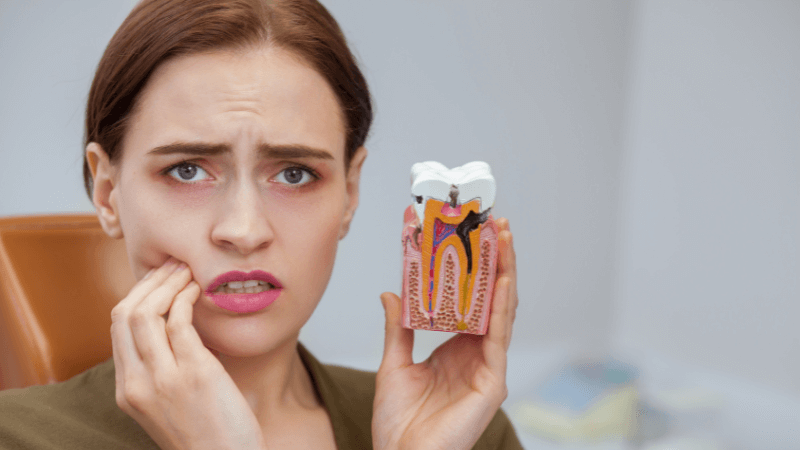
That moment of sharp pain or the crunch of a broken tooth can send your mind racing. One of the biggest questions people face is, “Is this bad enough to call someone right now?” It’s easy to downplay the situation, hoping it will just go away. But some dental issues require immediate attention to prevent more serious complications. This article is here to clear up the confusion. We will define what constitutes a true dental emergency, what can wait until morning, and how to confidently find the right professional for urgent dental care Denver CO residents can trust when every minute counts.
Emergencies don’t follow schedules. They can strike at any time, leaving you in need of urgent dental care. Whether it’s a severe toothache, a broken tooth, or any other dental emergency, knowing where to turn for immediate assistance is crucial. If you’re in Denver and facing a dental crisis, fret not! In this blog post, we’ll explore how to find an emergency dentist near you and what to expect when seeking urgent dental care.
Understanding Dental Emergencies
When sudden tooth pain strikes or you have an accident, it’s easy to feel overwhelmed and unsure of what to do next. The word “emergency” can send anyone into a panic, but not every dental issue requires a frantic, middle-of-the-night trip for care. Understanding the difference between a minor hiccup and a true crisis is the first step toward getting the right help at the right time. This knowledge can save you stress, time, and even a tooth. Let’s break down the different levels of dental problems so you can feel more in control and confident about your next move.
Defining Different Levels of Dental Problems
To make things clearer, dental problems can be sorted into a few different categories based on their severity and the urgency of treatment needed. Think of it like a triage system for your teeth. Knowing whether your situation is a true emergency, an urgent problem, or a non-urgent issue helps you decide the best course of action. This simple framework can guide you on whether you need to call for an immediate appointment, schedule one for the near future, or if you can manage the situation at home until your dentist’s regular business hours.
True Dental Emergencies
A true dental emergency involves serious injuries that need immediate professional care to save a tooth or prevent severe complications. This includes having a tooth completely knocked out, experiencing uncontrolled bleeding from your mouth, or noticing significant swelling in your face or jaw that seems to be getting worse. If a dental infection is accompanied by a high fever or makes you feel generally unwell, that’s another clear sign you need to seek help right away. These are the moments when you shouldn’t wait to call a dentist.
Urgent Dental Problems
Urgent dental problems are serious and require prompt attention, but they might not be immediately life-threatening. Think of severe tooth or facial pain that over-the-counter painkillers can’t touch. Other examples include an infection or swelling that isn’t spreading rapidly, mouth sores that haven’t healed after three weeks, or bleeding after a procedure that you’re struggling to stop at home. While you need to see a dentist soon, these situations are a step down from a true emergency. It’s important to call your dentist and explain your symptoms so they can fit you in as soon as possible.
Non-Urgent Dental Issues
Finally, there are non-urgent issues. These problems are definitely inconvenient and uncomfortable, but they don’t pose an immediate threat to your health. This category includes things like a lost filling, a chipped tooth that isn’t causing sharp pain, or a broken crown or denture. Toothaches that are manageable with painkillers also fall into this group. While you’ll still want to schedule an appointment to get these things fixed, you typically don’t need to rush in for same-day care. Just give your dental office a call to find the next available opening.
When to Visit an Emergency Dentist vs. the ER
When a dental crisis hits, your first instinct might be to head to the nearest hospital emergency room. However, for most dental-specific issues, this isn’t the best plan. Hospital ERs are equipped to handle general medical emergencies, but they rarely have dentists on staff. They can offer pain relief or antibiotics, but they can’t perform the necessary dental procedures to fix the root cause of the problem, like a root canal or an extraction. Your best bet is to contact an emergency dentist who has the specialized training and equipment to treat your tooth directly. This ensures you get the right care quickly and efficiently, saving you both time and a potential second trip.
How to Find an Emergency Dentist in Denver
When a dental emergency arises, the last thing you want to do is scramble to find a dentist who can help. It’s essential to have a plan in place beforehand. Here are some steps you can take to locate an emergency dentist near you in Denver: Online Search: Utilize search engines or specific dental directories online. You can search for phrases like “emergency dentist near me” or “urgent dental care in Denver” to find nearby options. Ask for Recommendations: Reach out to friends, family, or colleagues who live in Denver. They may have had experiences with emergency dentists and can provide valuable recommendations. Check Dental Associations: Websites of dental associations often have directories of member dentists, some of whom may offer emergency services. Call Dental Offices: Contact dental offices in your area and inquire about their emergency services. Some dentists may offer after-hours or emergency appointments.
Denver Emergency Dental Clinics to Know
To help you get started, here are a few well-known emergency dental clinics in the Denver area. While we at Dental & Implant Centers of Colorado are equipped to handle many urgent dental situations and provide comprehensive follow-up care, these clinics specialize in immediate, same-day treatment for acute problems. Having their information on hand can be a lifesaver when you need help right away. Think of this as your go-to list for those unexpected moments when you can’t wait for a regular appointment. It’s always better to be prepared, and knowing who to call can make a stressful situation much more manageable.
Urgent Dental of Denver
Urgent Dental of Denver focuses on providing same-day appointments for a range of pressing dental issues. If you’re dealing with a sudden, severe toothache, a cracked or broken tooth, or a tooth that’s been knocked out from an accident, they are set up to see you quickly. They also treat deep cavities and serious infections or abscesses that require immediate attention. Their entire model is built around addressing your pain and the underlying problem as soon as possible, helping you get the relief you need without a long and anxious wait.
Emergency Dental of Denver
Another great option is Emergency Dental of Denver, which handles a wide variety of urgent dental care needs. They can assist with everything from dental accidents and trauma to abscessed teeth that might require a root canal. If you’ve broken a dental appliance like a denture, lost a filling, or are experiencing a swollen jaw, their team is prepared to help. They also perform emergency tooth extractions when a tooth is beyond saving. This clinic is a solid resource for a broad spectrum of sudden dental problems you might encounter.
Denver Health
For severe dental emergencies, Denver Health’s Oral and Maxillofacial Surgery (OMFS) department is another key resource. They prioritize scheduling appointments quickly for individuals in significant pain, often within 24 hours. It’s important to note their process for after-hours care: if you’re experiencing extreme tooth pain when the clinic is closed, they advise going directly to Denver Health’s main emergency room for assessment and pain management. This makes them a crucial option, especially for those intense emergencies that happen outside of typical business hours.
What Makes a Great Emergency Dentist?
Not all dentists are equipped to handle emergencies. When choosing an emergency dentist in Denver, consider the following qualities: Accessibility: Look for a dentist who offers convenient hours, including evenings and weekends, to accommodate emergency cases. Experience: Opt for a dentist with experience in handling various dental emergencies, from severe toothaches to dental trauma. Emergency Facilities: Ensure that the dental office has the necessary equipment and facilities to address urgent dental issues promptly. Emergency Protocol: Inquire about the dentist’s emergency protocol and how quickly they can accommodate your needs in case of an emergency.
What Happens During an Emergency Dental Visit?
When you visit an emergency dentist, here’s what you can typically expect: Assessment: The dentist will evaluate your dental emergency, which may include X-rays to determine the extent of the problem. Immediate Treatment: Depending on the nature of your emergency, the dentist will provide immediate treatment to alleviate pain and address the issue temporarily. Follow-Up Care: After addressing the immediate concern, the dentist may recommend further treatment or follow-up appointments to ensure proper healing. Payment Options: Discuss payment options with the dental office, especially if you’re visiting as a new patient or if your insurance coverage differs for emergency services.### Common Treatments During an Urgent Visit When you arrive for an urgent visit, the dental team’s first priority is to get you comfortable and figure out what’s wrong. Emergency dentists are prepared to handle a wide range of issues. You can expect them to treat problems like persistent toothaches, deep cavities that have become painful, and serious infections or abscesses that need immediate attention. They also manage physical injuries, such as teeth that have been cracked, broken, or completely knocked out from an accident. If you have existing dental work that has failed, like a broken filling or a crown that has fallen off, an emergency dentist can provide a swift solution to protect your tooth and relieve any discomfort. The goal is to address the immediate problem and prevent it from getting worse. ### Pain Management and Sedation Let’s be honest: the thought of a dental procedure, especially an unexpected one, can be nerve-wracking. Pain is a major concern, but you can rest assured that managing it is a top priority during an emergency visit. Your dentist will not begin any treatment until you are completely comfortable. To ensure this, emergency dental offices typically use local anesthesia to numb the specific area they are working on, so you won’t feel any pain during the procedure. For patients who experience higher levels of anxiety, many clinics also provide options like oral sedatives to help you relax. The entire dental team is there to support you and make sure your experience is as stress-free as possible.
Cost and Insurance for Urgent Dental Care
Once the immediate shock of a dental emergency wears off, the next big question is usually, “How much is this going to cost?” It’s a completely valid concern. An unexpected dental bill is something no one wants to face, but it shouldn’t prevent you from getting the care you need. The good news is that emergency dental clinics understand this and have clear processes for handling costs and insurance. You won’t be left in the dark about expenses. Before any work begins, the team will walk you through the expected costs, what your insurance may cover, and the different payment options available to you. This transparency helps you make informed decisions without adding financial stress to an already difficult situation. ### Understanding the Cost of an Emergency Visit Many people worry that the “emergency” label comes with a higher price tag, but that’s usually not the case. The fee for an emergency exam is typically in the same range as a regular office visit. Any treatments you need, whether it’s a filling, a root canal, or a crown, will also cost about the same as they would during a planned appointment. You aren’t penalized for the urgency of your situation. The dental office will provide a clear breakdown of costs after your initial examination so you know exactly what to expect. This allows you to focus on your health instead of worrying about hidden fees. ### Using Dental Insurance If you have dental insurance, it can significantly reduce your out-of-pocket costs for an emergency visit. Most dental practices accept a wide variety of insurance plans and will help you understand your coverage. The office staff can typically file the claim on your behalf to make the process easier for you. It is important to know that some government plans like state Medicaid or Medicare may not be accepted at all private clinics, so it’s always a good idea to confirm beforehand. The team will always inform you of your estimated out-of-pocket expenses before they start any treatment, ensuring there are no surprises when it comes to the bill. ### Payment and Financing Options Even with insurance, you may have some out-of-pocket costs. To make urgent care accessible, most dental clinics offer flexible ways to pay. If you can’t cover the full amount upfront, many offices provide payment plans that allow you to break down the cost into manageable monthly installments. They also accept major credit cards, giving you another way to handle the expense. At Dental & Implant Centers of Colorado, we believe everyone deserves access to quality care, which is why we work with patients to find a solution that fits their budget. You can learn more about our financing and insurance options to see how we can help.
Be Prepared for Your Next Dental Emergency
Finding an emergency dentist near you in Denver is crucial for prompt and effective treatment during dental emergencies. By taking proactive steps to locate a reliable emergency dentist and understanding what to expect during an emergency visit, you can ensure that you’re prepared to handle unexpected dental issues with ease and confidence. Remember, in dental emergencies, time is of the essence, so don’t hesitate to seek help when needed.
Frequently Asked Questions
What’s the most important thing to do if my tooth gets knocked out? The first thing to do is call a dentist immediately, as time is critical. While you do that, handle the tooth carefully by the crown, not the root. If it’s dirty, you can rinse it gently with milk or water, but don’t scrub it. The best thing you can do is try to place it back in the socket and hold it there. If that isn’t possible, keep the tooth moist by putting it in a small container of milk until you can get to the dentist’s office.
I have a really bad toothache, but nothing is broken. Should I wait it out? You should never ignore severe, persistent tooth pain. A throbbing toothache is your body’s way of signaling that something is wrong, and it’s often a sign of a deep cavity or an infection. Waiting can allow the problem to become much more serious. It’s best to call a dentist and describe your symptoms so they can determine how quickly you need to be seen.
My tooth is chipped, but it doesn’t hurt. Do I still need to see a dentist right away? If a chipped tooth isn’t causing you pain and the edge isn’t sharp, it’s generally not considered a true emergency that requires a middle-of-the-night visit. However, you should still call your dentist to schedule an appointment as soon as you can. Leaving the chip untreated can weaken the tooth, making it more vulnerable to further damage or decay down the line.
Should I call my regular dentist first, or go straight to an emergency clinic? Your first call should always be to your regular dentist. Many dental offices reserve time in their schedules for patient emergencies or have an after-hours number that will direct you on what to do. They know your dental history and are in the best position to help. If you can’t reach them or they instruct you to go elsewhere, then an urgent care or emergency dental clinic is your next best step.
What if I don’t have dental insurance? Can I still get emergency care? Yes, you can and should still seek care. Don’t let the fear of cost prevent you from addressing a serious dental problem. Most dental offices, including emergency clinics, understand this concern and will work with you. They can discuss the costs upfront and often provide payment plans or financing options to make the treatment manageable for your budget. Your health is the priority.
Key Takeaways
- Know When It’s a True Emergency: Learn to distinguish between a crisis that requires immediate attention, like a knocked-out tooth or severe facial swelling, and an urgent problem, like a lost filling, that can be handled with a prompt appointment.
- Choose a Dentist Over the ER: For dental-specific problems, an emergency dentist is your best bet. Hospital ERs can offer pain relief but don’t have the specialized staff or equipment to treat the root cause, often leading to a second visit.
- Understand Your Payment Options Before Treatment: Don’t let fear of cost prevent you from getting care. Reputable clinics are transparent about pricing, will review your insurance coverage, and often provide financing options to make treatment manageable.
