




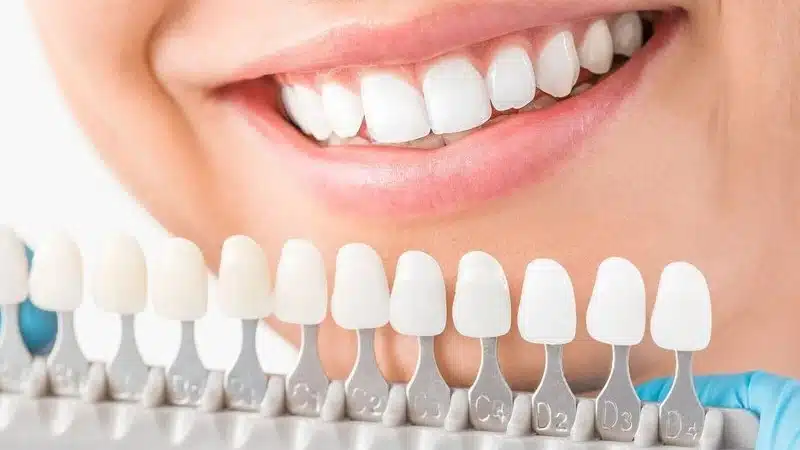
We often get asked, “Can I whiten my teeth if I have dental implants?” While the answer is technically yes, it comes with a very important catch. Whitening treatments are safe for your implant, but they will not change its color one bit. The materials used for crowns are designed to resist stains, which also means they resist bleaching agents. This simple fact changes the entire approach to whitening. Instead of asking if you can whiten, the better question is, “should I whiten my teeth before an implant?” We’ll explain why this timing is so critical for avoiding a two-toned smile.
Can You Whiten Teeth with Dental Implants?
Dental implants are a highly effective solution for restoring both the appearance and functionality of missing teeth. They provide a long-lasting, natural-looking replacement, but many patients wonder whether they can undergo teeth whitening treatments once they have implants. The short answer is yes, you can whiten your teeth even if you have dental implants. However, it is important to understand that while whitening treatments will affect your natural teeth, the implant itself, particularly the crown, will not change color. This can lead to a noticeable difference in shade between your natural teeth and the implant if not planned correctly.
Is Teeth Whitening Safe for Your Dental Implants?
The good news is that whitening treatments will not damage your dental implants. The materials used for implants, including titanium, porcelain, and ceramic, are highly durable and resistant to staining. These materials are chosen not only for their strength but also because they closely mimic the appearance of natural teeth. Unlike natural enamel, which is porous and can absorb stains or whitening agents, dental crowns are non-porous and do not respond to bleaching. As a result, while your natural teeth can be brightened, your dental implants will maintain their original color.
Are Whitening Gels Safe for Natural Teeth?
Yes, professional whitening gels are generally safe and effective for your natural teeth. They work by penetrating the porous outer layer of your enamel to break down stains, revealing a brighter smile underneath. However, this is where the difference between natural teeth and dental restorations becomes crucial. The crown of your dental implant is crafted from non-porous materials like porcelain or ceramic, which are designed to resist staining but also do not respond to whitening agents. This means that while your natural teeth get whiter, your implant crown will retain its original, carefully matched shade. This can create an uneven appearance, highlighting the importance of planning your whitening treatments with your dentist before getting an implant.
Why Implants and Natural Teeth Whiten Differently
Teeth whitening treatments work by using bleaching agents like hydrogen peroxide to break down stains on the surface of the tooth. Because natural teeth are porous, these bleaching agents penetrate the enamel and lighten the shade of the tooth. Dental implants, on the other hand, are made of materials that do not absorb bleaching agents. This means that no matter how strong the whitening treatment is, the implant will remain unchanged in color. If the implant is positioned toward the back of your mouth, any shade difference may not be noticeable. However, if the implant is in a visible location, such as the front of the mouth, the contrast between your whitened natural teeth and the unchanged implant crown could be obvious.
Your Game Plan for a Whiter Smile with Implants
Should I Whiten My Teeth Before an Implant?
If you are considering dental implants and also want a whiter smile, it is best to discuss your whitening goals with Dr. Dhawan before the implant procedure. One option is to whiten your natural teeth first, so that the final implant crown can be matched to the brighter shade of your teeth.
Start with a Professional Cleaning
Before you even think about whitening, the first step should always be a professional dental cleaning. Think of it as creating a clean canvas. Over time, a thin layer of plaque and surface stains builds up on your teeth, which can interfere with the whitening process and make it difficult to determine your teeth’s true shade. Scheduling an affordable dental cleaning removes this buildup, allowing the whitening agents to work more effectively and evenly across your natural teeth. This simple step ensures that we have a clear and accurate starting point for matching your future implant, setting you up for the best possible results.
The Importance of Color Matching
This is the most critical piece of the puzzle. The color of your dental implant crown is permanent. When our team designs your crown, we meticulously match it to the shade of your surrounding natural teeth. If your teeth are stained or yellowed at that time, your new crown will be made to match that exact color. Since the materials used in crowns are non-porous, they won’t respond to whitening treatments later on. If you decide to whiten your natural teeth after your implant is placed, you’ll end up with a noticeable mismatch. By whitening your teeth before the implant procedure, we can match the crown to your brightest, most desired shade, ensuring your final smile is seamless and beautifully uniform.
How to Whiten Teeth After Getting Implants
If you already have dental implants and decide to whiten your teeth, you have a few options:
- Replacing the implant crown: If your implant crown no longer matches your whitened teeth, you can have it replaced with a new crown that matches the brighter shade.
- Polishing the crown: Although whitening treatments will not work on implant crowns, a professional dental cleaning and polishing can sometimes help remove surface stains and improve the appearance of the crown.
Choosing the Right Whitening Method
Once you’ve decided to whiten your teeth before getting an implant, the next step is to pick the right method. There are a few different paths you can take, each with its own pros and cons. Your best choice will depend on your budget, how quickly you want to see results, and your desired shade. The main options fall into three categories: professional in-office treatments, professional take-home kits, and over-the-counter products. Understanding how each one works will help you and your dentist create a plan that aligns perfectly with your smile goals and your implant timeline, ensuring everything looks seamless in the end.
In-Office Professional Whitening
For the fastest and most dramatic results, nothing beats a professional in-office whitening treatment. When you have your teeth whitened at a dental office, you’re getting the most powerful and effective treatment available. A dentist can get your teeth to their whitest possible shade while ensuring your gums and mouth are protected throughout the process. This is a huge advantage, as it minimizes sensitivity and keeps your oral health in check. At Dental & Implant Centers of Colorado, we can perform this treatment in a single visit, making it a convenient and reliable way to achieve your ideal shade before we color-match your new dental implant crown.
Professional At-Home Kits
If you prefer the convenience of whitening on your own schedule but still want professional-grade results, a take-home kit from your dentist is an excellent choice. These kits include custom-fitted trays and a whitening gel that is much stronger than anything you can buy at the store. Your dentist provides clear instructions, making the process safe and effective. Because the trays are made just for you, the gel is applied evenly across your teeth for consistent results, which is crucial when you’re preparing for a new crown. It’s a great middle-ground option that combines professional oversight with at-home flexibility.
Over-the-Counter (OTC) Options
You’ve likely seen countless over-the-counter whitening products at the pharmacy, from whitening strips to special toothpastes. While these options are accessible and affordable, they come with some trade-offs. OTC products use a lower concentration of whitening agents, so they take much longer to work and may not achieve the same level of brightness as professional treatments. There’s also a higher risk of uneven results or gum irritation if the product isn’t applied correctly. For something as important as matching a permanent implant, relying on a professional for your whitening journey ensures a more predictable and uniform outcome for your overall smile.
How Long Does Whitening Take?
The time it takes to whiten your teeth really depends on your starting point. If your teeth are only slightly yellow, you might achieve your desired shade in about a week with a professional kit. However, if you have deeper, more significant stains—perhaps from years of coffee, tea, or smoking—the process could take a month or even longer to reach the final result. This is why planning ahead is so important. During your consultation, we can assess the current shade of your teeth and give you a realistic timeline, ensuring your whitening is complete before we design your permanent implant crown.
What About Old Fillings or Crowns?
Just like dental implants, other dental work such as old fillings, veneers, or existing crowns will not respond to teeth whitening agents. These materials are non-porous and color-matched at the time of their placement, so they won’t lighten along with your natural teeth. If you have older restorations that have yellowed or no longer match your smile, it’s best to address them as part of your whitening plan. The ideal strategy is to whiten your natural teeth first. Then, you can have the old fillings or crowns replaced to perfectly match your new, brighter shade, creating a cohesive and beautiful smile. The expert team at DICC can help coordinate this process for a seamless result.
How to Prevent Stains and Keep Your Smile Even
While dental implants do not stain, natural teeth can become discolored over time due to food, drinks, and lifestyle habits. To ensure that your natural teeth and implant crowns continue to blend seamlessly, it is important to take steps to prevent tooth staining.
Stain-Causing Foods and Drinks to Avoid
Certain foods and beverages are more likely to stain teeth. These include:
- Dark-colored beverages such as coffee, tea, and red wine
- Brightly colored foods such as berries, tomato sauce, and curry
- Sugary and acidic drinks like soda and sports drinks
Lifestyle Habits That Can Stain Your Teeth
One of the worst culprits for tooth discoloration is smoking. Tobacco products can cause deep stains on natural teeth and should be avoided. Brushing twice a day, flossing regularly, and rinsing your mouth with water after consuming staining foods or beverages can help maintain a brighter smile.
Maintaining Your Whitened Smile Long-Term
Beyond avoiding certain foods and drinks, the best way to keep your smile consistently bright is through a solid daily routine and regular professional care. Think of it as protecting the beautiful investment you’ve made in your smile. Diligent brushing and flossing are your first line of defense against new stains setting into your natural teeth. However, some surface stains are inevitable. That’s where we come in. Scheduling regular professional cleanings is essential for polishing away stubborn surface stains that your toothbrush can’t handle, helping your natural teeth stay perfectly matched to your implant. This simple partnership between your at-home care and our expert attention ensures your smile remains seamless and radiant for years to come.
Creating Your Personalized Whitening Plan
If your implant is older and seems whiter than your natural teeth, whitening may be a great choice to balance your smile. However, if you are concerned that whitening your teeth will make your implant crown look darker in comparison, you may still have options such as replacing or polishing the crown. Every patient’s smile is unique, and consulting with a professional is the best way to determine the most suitable teeth whitening and implant care plan for you.
Ready for a Brighter Smile? Schedule Your Consultation
Whether you are considering dental implants, teeth whitening, or both, Dr. Dhawan and the DICC team in Denver, Colorado, can help you achieve the bright and beautiful smile you desire. Schedule a consultation today to explore your options and develop a personalized treatment plan for your dental needs.
Frequently Asked Questions
What’s the most important thing to remember about whitening with dental implants? The biggest takeaway is that timing is everything. Your dental implant crown is created to match the color of your teeth at a specific moment, and that color is permanent. Since whitening treatments only work on natural teeth, the best strategy is to whiten your teeth before your implant procedure. This allows us to create a crown that matches your new, brighter shade, giving you a perfectly uniform smile from the start.
I already have an implant and want to whiten my teeth. What should I do? You still have great options. The most effective route is to whiten your natural teeth to your desired shade and then have your existing implant crown replaced with a new one that matches. If you’re looking for a less involved solution, regular professional cleanings can help remove surface stains from both your natural teeth and the crown, which can make a subtle but noticeable difference in the overall brightness and evenness of your smile.
How long after whitening my teeth can I get my implant crown made? This is a great question. We typically recommend waiting about two weeks after you’ve finished your whitening treatment before we take the final impression for your crown. This waiting period allows the color of your natural teeth to stabilize, ensuring that the shade we match for your permanent crown is accurate and will blend seamlessly for the long term.
Will whitening toothpastes or mouthwashes change the color of my implant? No, they won’t. Just like professional whitening gels, the agents in over-the-counter whitening products are not able to change the color of the non-porous material used for your implant crown. These products are safe to use and can help manage surface stains on your natural teeth, but they won’t affect the shade of your implant at all.
Is it safe to use at-home whitening kits before getting my implant? While at-home kits are generally safe, we strongly recommend a professional consultation before you begin any whitening process, especially when an implant is involved. A dentist can help you choose the most effective method and ensure the whitening is done evenly. Achieving a consistent and predictable shade is critical for us to create a crown that matches perfectly, and professional guidance is the best way to guarantee that result.
Key Takeaways
- Plan Your Whitening Before Your Implant Procedure: The most critical step for a seamless result is to whiten your natural teeth first. This allows your dentist to create a permanent implant crown that perfectly matches your new, brighter shade, preventing any color mismatch down the road.
- Understand That Dental Restorations Won’t Whiten: Whitening gels only work on porous natural enamel. Any existing dental work—including implants, crowns, and fillings—is made from non-porous materials that will not change color, making coordinated planning with your dentist essential.
- Keep Your Smile Uniform with Regular Cleanings: To maintain your even, bright smile long-term, combine diligent at-home care with routine professional cleanings. This helps polish away new surface stains from your natural teeth, ensuring they continue to match your implant beautifully.
Related Articles
- Should I Whiten My Teeth Before an Implant? Yes!
- Teeth Whitening Archives — Dental & Implant Centers of Colorado
- Dental implants Archives — Dental & Implant Centers of Colorado
- best full-mouth dental implants in Denver Archives — Dental & Implant Centers of Colorado
- The Implant Process — Dental & Implant Centers of Colorado
