




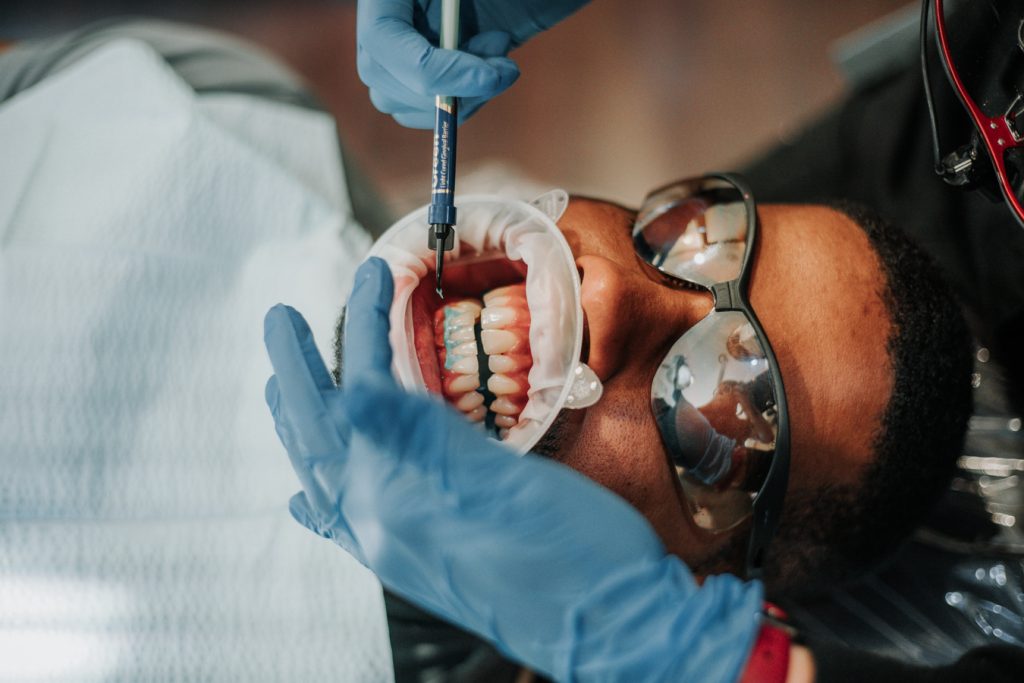
If you needed a complex heart procedure, you wouldn’t go to your general family doctor. You’d want a cardiologist—a specialist who has dedicated years to mastering that specific, intricate work. The same logic applies to your smile. A dental implant isn’t just a cosmetic fix; it’s a surgical procedure to place a medical device into your jawbone. While some general dentists are trained in the basics, specialists like oral surgeons and prosthodontists have years of advanced training. They handle complex cases every day. Before you choose a provider, it’s essential to understand this difference. Let’s explore why a dedicated Colorado implant dentist with specialized training is your best bet.
Dental implants prove to be a sure-footed and expensive form of restoration, especially when it comes to replacing a lost tooth. They can, however, only succeed greatly depending on the person doing the procedure. A specialist rather than a general dentist is an option that will go a long way in ensuring that a patient has now flashed a healthy and confident smile. Discussing why it is the most effective choice when it comes to providing Colorado dental implants, we will discuss the reasons why any specialist is someone to trust with something as serious as dental work.
The Complexity of Dental Implant Treatment
The Dental implants are not artificial teeth. These are posts made of titanium specifically to be inserted into the jawbone to leave just as natural roots. This exercise involves accuracy and excellent knowledge of the body of the mouth.
- Experts are also trained to cope with the nonlinear requirements of the complexity of implant surgery, including the assessment of bone density or the placement of the sinuses.
- Full-scale general dentists might learn the rudiments of the implant placement procedure, but specialists do an extra year of training in either oral surgery, periodontics, or prosthodontics.
- With this higher level of education, they are able to predict and be more accurate in the procedures they have to undertake.
The Three Parts of a Dental Implant
To really understand why a specialist’s touch matters, it helps to know what a dental implant actually is. It’s not just a fake tooth; it’s a sophisticated, three-part structure designed to mimic a natural tooth from root to crown. Each component requires a specific skill set to design, place, and finish correctly. Breaking it down makes the whole process feel much more manageable and highlights where true expertise comes into play. Let’s look at the anatomy of a modern dental implant.
The Implant Post
Think of the implant post as a new tooth root. According to Colorado Oral Surgery, “Dental implants are tiny titanium posts that are surgically placed into your jawbone where teeth are missing.” This post is the foundation for the entire restoration. It’s made of biocompatible titanium, which means your body accepts it and allows bone to fuse directly to it in a process called osseointegration. Placing this post requires incredible precision to avoid nerves and sinuses while ensuring it’s stable enough to support a new tooth for decades to come. This is a surgical procedure where an expert’s understanding of oral anatomy is absolutely critical.
The Abutment
Once the implant post has fully integrated with your jawbone, the next piece of the puzzle is the abutment. This small but mighty component acts as a connector. As experts explain, “Small connectors, called abutments, are then attached to the implants to hold the new teeth.” The abutment screws into the implant post and sits right at the gum line, providing a sturdy anchor point for the final restoration. Proper placement is key to ensuring the final tooth looks natural and functions correctly, without irritating the surrounding gum tissue. A specialist ensures the connection is secure and perfectly aligned for the next step.
The Restoration
The restoration is the part of the implant that you see—the part that looks and feels like a real tooth. Depending on your needs, this could be a single crown, a bridge, or even a full set of dentures. For a single missing tooth, the CU School of Dental Medicine notes, “a crown (a fake tooth cap) is put on the implant.” This piece is custom-made to match the color, shape, and size of your surrounding teeth, creating a seamless and natural-looking smile. A specialist, particularly a prosthodontist, has advanced training in crafting restorations that are not only beautiful but also perfectly functional for chewing and speaking.
The Dental Implant Placement Process
The journey to a new smile with dental implants is a carefully planned process with distinct phases. It’s not a one-and-done appointment, but rather a series of steps designed to ensure a successful, long-lasting outcome. From the initial conversation to the final placement of your new tooth, each stage is handled with precision and care. Understanding this process can help you feel more prepared and confident as you move forward. Here’s a look at what you can expect along the way.
Initial Consultation and Planning
Everything starts with a thorough consultation. This is where you and your dental team map out the entire treatment. At this stage, we use advanced imaging like 3D CT scans to assess your jawbone density and overall oral health. This allows us to create a precise surgical plan tailored just for you. It’s the perfect time to ask questions and discuss your goals. As the CU School of Dental Medicine suggests for those exploring their options, “If you think you might need an implant, you can schedule a free check-up.” Your initial consultation is the most important step in ensuring your treatment is a success from the very beginning.
Implant Placement and Healing
After planning, the next step is the surgical placement of the titanium implant post. This procedure is often quicker and more comfortable than people expect. Once the post is in place, your body begins the amazing process of osseointegration, where the jawbone fuses with the implant. This creates an incredibly strong and stable foundation. This healing phase is crucial for long-term success. According to Colorado Oral Surgery, “Implants usually need about 6 weeks to heal and bond with the bone before the new artificial teeth are attached.” During this time, you may have a temporary tooth so you never have to go without a smile.
Attaching the Final Restoration
Once the implant has fully healed and bonded with your jawbone, it’s time for the final step: attaching your beautiful new tooth. Your specialist will place the abutment, and then secure your custom-made crown, bridge, or denture. For many patients, the process is very efficient. As Colorado Oral Surgery notes, “For most people, only one surgery is needed to place the implants. Often, if a tooth needs to be pulled, the implant can be placed in the empty spot right away.” You’ll walk out of the office with a fully functional, natural-looking tooth that completes your smile and restores your confidence.
Who Are the Specialists Behind Dental Implants?
While some general dentists may offer implant services, the gold standard of care comes from a team of highly trained specialists. Think of it like building a custom home—you wouldn’t have the plumber frame the walls. Similarly, dental implant treatment involves distinct surgical and restorative phases, each requiring a master craftsperson. The three key players are oral surgeons, periodontists, and prosthodontists. Each brings a unique and deep-seated expertise to the table. At a multi-specialty practice like Dental & Implant Centers of Colorado, these experts often work together under one roof, providing a seamless and comprehensive experience from start to finish.
Oral Surgeons
Oral and maxillofacial surgeons are the surgical experts of the dental world. They complete years of hospital-based residency training after dental school, focusing on complex procedures involving the face, mouth, and jaw. As one source puts it, “Oral surgeons are experts in mouth surgery. They are often the ones who perform dental implant procedures, especially if you need a bone graft.” Their extensive training makes them uniquely qualified to handle even the most challenging cases, such as patients who require bone grafting to build up the jaw before an implant can be placed. Their deep knowledge of surgical techniques ensures the implant post is placed with the utmost precision and safety.
Periodontists
Periodontists are specialists who focus on the health of your gums and the bone that supports your teeth—the very foundation of a successful dental implant. They undergo several years of additional training after dental school to become experts in diagnosing and treating gum disease and placing dental implants. Their specialized knowledge is invaluable, as healthy gums and sufficient bone are non-negotiable for implant success. As noted by dental professionals, “Periodontists specialize in your gums and the bones that support your teeth. They are also very skilled at placing dental implants.” A periodontist ensures the implant’s foundation is healthy and stable for the long haul.
Prosthodontists
While surgeons and periodontists build the foundation, prosthodontists are the master architects who design the final restoration. They are experts in replacing missing teeth and restoring natural smiles. After dental school, they complete an intensive three-year program focused on creating crowns, bridges, and dentures that are both beautiful and highly functional. While general dentists can create crowns, a prosthodontist’s advanced training allows them to manage more complex cases and achieve superior aesthetic and functional results. They ensure your new tooth or teeth blend perfectly with your natural smile and provide a comfortable, effective bite.
The Team-Based Approach
The most successful implant treatments often come from a collaborative, team-based approach. This is where a practice with multiple specialists truly shines. Instead of being referred to different offices for each stage of treatment, you have a cohesive team working together on your case. An oral surgeon might place the implant, a periodontist might prepare the gums, and a prosthodontist will design the final crown. This ensures every aspect of your care is handled by a dedicated expert. At Dental & Implant Centers of Colorado, our team of specialists collaborates to create a personalized treatment plan because, ultimately, “The best person to choose for your dental implant procedure depends on your personal needs and comfort.”
Key Benefits of Specialist-Led Implant Treatment
Choosing a specialist for your dental implant isn’t just about the procedure itself; it’s about the long-term health and beauty of your smile. The benefits of specialist-led care extend far beyond the placement of a titanium post. A specialist’s deep understanding of facial anatomy, bone health, and dental aesthetics leads to outcomes that are not only more predictable but also healthier for your entire mouth. From preserving your facial structure to protecting your other teeth, the advantages are significant. Let’s explore some of the key benefits you can expect when you entrust your smile to an expert.
Preserving Jawbone and Facial Structure
When you lose a tooth, the jawbone in that area begins to shrink away due to lack of stimulation. This bone loss can lead to a sunken, aged appearance over time. Dental implants are the only tooth replacement option that actively prevents this. By fusing with the jawbone, they provide the stimulation needed to keep it strong and healthy. As Colorado Oral Surgery explains, implants “help keep your face looking young by preventing bone loss that happens when teeth are missing.” A specialist has the surgical skill to place the implant in a way that maximizes bone preservation, helping you maintain your natural facial contours for years to come.
Protecting Healthy Adjacent Teeth
Traditional tooth replacement options, like a dental bridge, require the teeth on either side of the gap to be ground down to support the restoration. This means sacrificing healthy tooth structure, which can make those teeth more vulnerable to decay or other problems down the road. Dental implants, on the other hand, are completely self-supporting. According to experts, “Unlike traditional bridges, implants don’t require grinding down healthy teeth next to the gap.” By choosing an implant placed by a specialist, you are not only restoring your missing tooth but also protecting the long-term health of your neighboring teeth.
Securing Dentures for Improved Stability
For those who wear dentures, the daily struggles with slipping, clicking, and messy adhesives are all too familiar. Dental implants offer a revolutionary solution by providing a secure anchor for a full or partial denture. This treatment, often called anchored dentures, eliminates movement and dramatically improves your ability to eat, speak, and smile with confidence. As one source highlights, implant-supported restorations “are much more stable and functional than removable partial dentures, which can be inconvenient and slip out.” A specialist can determine the optimal number and placement of implants to give your denture rock-solid stability and transform your quality of life.
Advanced Technology and Diagnostic Tools
Modern diagnostic and surgical equipment is available when working alongside a specialist.
- Cones-beam imaging, a 3-dimensional and computer-directed technique, is most often used by specialists with digital impressions to identify precisely where the implants are.
- These tools reduce risk and amplify treatment outcomes. For example, a detailed scanned picture can show how strong the jawbone is in vibrating the implants, or it may also require bone grafting.
- Patients can be assured that the treatment plan they are offered is founded on highly advanced technology and thorough planning.
Precision Placement Guidelines
When it comes to dental implants, success is measured in millimeters. It’s not enough to simply place an implant; it has to be positioned perfectly to integrate with your jawbone and support your new tooth for years to come. This is where a specialist’s expertise truly shines. They don’t just rely on experience; they follow established clinical guidelines that dictate the exact placement for optimal stability and longevity. These rules ensure your implant has the best possible environment to heal and function just like a natural tooth, providing a solid foundation for your smile.
The 3/2 Rule for Implant Success
One of the core principles specialists follow is the “3/2 rule.” It might sound technical, but it’s a straightforward guideline for ensuring your implant has enough healthy bone surrounding it to thrive. The rule states there should be at least 3 millimeters of bone above the implant and 2 millimeters of bone on each side. Think of it like planting a tree—you need enough soil around the roots for it to be strong and stable. Without this adequate bone support, an implant can become loose or even fail over time. Adhering to this standard is a non-negotiable part of the process for the expert team at DICC, as it’s fundamental to a successful, long-lasting outcome.
Using Different Implant Sizes for a Custom Fit
Your smile is unique, and your treatment plan should be too. Dental implants are not a one-size-fits-all solution, which is why specialists use various types and sizes to create a custom fit for your specific needs. Whether you’re replacing a single missing tooth with a crown, several teeth with a bridge, or a full arch of teeth, the implant strategy is tailored to you. A specialist will assess your jawbone and oral anatomy to select the right type of dental implant and restoration. If your jawbone isn’t quite dense enough to support an implant securely, they may recommend a bone graft first to build up the area, creating the ideal foundation for success.
Customised Treatment for Every Patient
Patients come in various forms, and dental implantations can never be uniform. A specialist realises the necessity of creating a program that suits a person’s needs. Age, oral health history, jawbone density, and other lifestyle habits are factors that contribute to the best course of action. The specialists design a solution for a patient who needs a single implant or full mouth dental implants based on both the medical needs of the oral cavity and the overall beauty. Such care results in improved outcomes, a natural look, and oral functioning.
Higher Success Rates with Specialists
The research statistics indicate that experts commonly record better success compared to general dentists in matters pertaining to implant processes. This is because the experts are well-exposed to tough cases that require hands-on experience.
- They will have the chance to heal problems like inadequate results in terms of supporting bones, gum disease, or ortho-nosological inequalities that may lead to complications.
- Experts perform implant procedures with utmost precision. They ensure that each minute detail of the process, such as placement and healing, is addressed.
- Such a commitment would increase durability and long-lasting patient satisfaction.
Expertise in Full Mouth Restorations
A combination of a number of teeth replaced as opposed to one is more difficult to undertake as a replacement. Full-arch restorations or full-mouth implants should be carefully planned so as to create a correct bite and stand well in balance. Experts are the best in this part since they understand how to blend functionality and beauty. Placing implants is not a full-mouth restoration procedure, which means that a prosthetic feels comfortable, looks natural, and enables one to eat and talk at the same time. It is because a specialist can attain all these objectives and reduce the chances of complications to a minimum.
Types of Implant Restorations
Okay, so we’ve established that seeing a specialist is the way to go. But what exactly are they restoring? Dental implants are incredibly versatile and can be used to replace a single tooth, several teeth, or even a full set. The final piece that looks and functions like a tooth is called the “restoration.” It’s the part that completes your smile and gets you back to eating and speaking with confidence. Depending on your specific situation, your specialist will recommend one of several types of restorations. Let’s walk through the most common options so you have a clear picture of what’s possible.
Single Crown Implants
If you’re missing just one tooth, a single crown implant is the most common and straightforward solution. Think of the implant itself as a tiny, super-strong titanium post that a specialist surgically places into your jawbone, right where the old tooth root used to be. It’s designed to act just like a natural root. Over a few months, your jawbone naturally grows around and fuses to this post, creating an incredibly stable foundation. Once everything is healed and solid, an abutment is attached to the post, and a custom-made crown—the part that looks exactly like a tooth—is secured on top. It’s a permanent fix that blends in seamlessly.
Implant-Supported Bridges
What if you have several missing teeth right next to each other? An implant-supported bridge is an excellent option here. Unlike a traditional bridge that requires grinding down healthy neighboring teeth to serve as anchors, this method uses dental implants instead, which is a huge plus for your long-term oral health. A specialist will place two or more implants into the jawbone to serve as the support posts for the bridge. The bridge, which is a series of connected crowns, is then attached securely to the implants. This approach not only fills the gap beautifully but also helps preserve the health of your remaining natural teeth and stimulates the jawbone to prevent bone loss.
Complete Dental Prostheses (Overdentures)
For those who need to replace all the teeth in their upper or lower jaw, a complete dental prosthesis offers a truly life-changing solution. This is where you’ll often hear terms like “overdentures” or full arch implants. Instead of relying on messy adhesives and the slipping you get with traditional dentures, these prostheses are anchored by a few strategically placed implants. There are two main types: removable and fixed. A removable overdenture securely snaps onto the implants, providing amazing stability for eating and speaking, but you can still take it out for easy cleaning. A fixed prosthesis is secured to the implants and can only be removed by your dentist, offering the most permanent and natural-feeling result.
Managing Complex Oral Conditions
Certain patients can develop high-level gum disease, bone loss, or chronic oral diseases. Such conditions can make implanting difficult, and in most instances, general dentists may refer patients to specialists. Experts can handle such gaps. They are also familiar with the operation of bone grafts, sinus lifts, and soft tissue grafting, which are sometimes required in advance before implant placement. Patients with challenging conditions cannot ignore the prerequisites of Colorado dental implants, which professionals handle.
Long-Term Care and Maintenance
Dental implants demand continuous treatment to keep them healthy and functional over many years.
- Experts are engaged to undertake the surgery and provide postoperative services.
- They also explain to patients how to embrace good oral health, ensure that they attend regular check-ups, and explain how their implants will be taken care of in the long run. This holistic philosophy makes the implants as durable as possible, which might take decades.
- As healthcare professionals gain trust in patients and leave their treatment to them, they will receive long-term benefits with little to no complications.
Comfort and Patient Experience
Dental implant surgery may also scare most patients, and even more so once they start experiencing dental phobia. The professionals are also trained to be technically competent, patient-sensitive, and caring. They can provide some means of sedation, explain the procedure clearly, and provide a tranquil setting to reduce anxiety.
Sedation Options for Your Comfort
Let’s be honest, the idea of dental surgery can be intimidating. Your comfort is just as important as the clinical outcome, and feeling relaxed can make the entire process smoother. This is where sedation dentistry comes in. It’s designed to help you feel at ease, whether you have mild anxiety or a more significant dental phobia. At Dental & Implant Centers of Colorado, our specialists are highly trained in administering sedation to ensure you have a positive and stress-free experience. We’ll walk you through your options, from local numbing agents to deeper relaxation methods, to find the right fit for your needs and your procedure.
Local Anesthesia
Local anesthesia is the foundation of a pain-free dental procedure. It’s a numbing medication applied directly to the treatment area, and it’s used in nearly every dental implant surgery. While you remain completely awake and aware of what’s happening, the targeted area will be entirely numb, so you won’t feel any pain. According to UT Dentistry, local anesthesia is a safe and effective way to manage discomfort during dental work. Think of it as the essential first step that ensures your physical comfort, allowing the specialist to work precisely and efficiently while you rest comfortably in the chair.
Nitrous Oxide (Laughing Gas)
If you feel a little anxious leading up to your appointment, nitrous oxide, also known as laughing gas, might be a great option for you. You simply inhale the gas through a small mask placed over your nose, and within minutes, you’ll feel a sense of calm and relaxation wash over you. As noted by Arcadia Perio, it’s one of the quickest-acting forms of dental sedation. One of the biggest benefits is that the effects wear off just as quickly once the mask is removed, meaning you can safely drive yourself home after your procedure.
IV Sedation
For patients with higher levels of dental anxiety or those undergoing longer, more complex treatments like full mouth dental implants, IV sedation offers a deeper level of relaxation. This type of sedation is administered directly into your bloodstream, allowing you to enter a state of “twilight sleep.” You’ll be conscious and able to respond to your dentist, but you’ll be so relaxed that you likely won’t remember much about the procedure afterward. This method provides a profound sense of calm, making it possible to complete extensive dental work in a single, comfortable visit.
Cost vs. Value of Choosing a Specialist
Not all patients will be willing to select a specialist because they believe they will pay more. The initial cost may be different, yet the actual advantage is the long-term results. Experts, in turn, provide more reliable outputs that reduce the chances of underachievement and reduce total expenditures in the long run. Patients are confident that they pay for their health, their confidence, and their lives when they have a qualified specialist. Not stressing over the fact that it has been adequately done is of much greater value than the short-term savings.
Understanding the Investment in Your Smile
Thinking about the cost of dental implants is a practical and important step. It’s helpful to see it not just as an expense, but as a true investment in your long-term health, confidence, and daily quality of life. The final price tag isn’t a one-size-fits-all number; it’s tailored to your specific situation. Several key factors influence the total cost, from the complexity of your procedure to the materials used. Understanding these elements can help you see the incredible value that comes with a permanent, beautiful smile. Plus, there are practical ways to make this transformative treatment fit within your budget.
Factors Influencing Implant Costs
The cost of your dental implants is determined by your unique needs. A major factor is the complexity of your case, including how many teeth are being replaced and the current condition of your jawbone. Some patients may need preliminary procedures, like a bone graft, to create a stable foundation for the implant. The quality of the materials, such as medical-grade titanium, also plays a role, ensuring your restoration is strong and durable for years to come. Finally, the expertise of the specialist is crucial. Working with a highly trained team ensures precision and care, which is essential for a successful and lasting outcome.
Financing and Insurance Options
Making your new smile a reality is more accessible than you might think. Many dental insurance plans provide some coverage for implant procedures, so it’s always a good idea to check with your provider to understand your specific benefits. Beyond insurance, our team is committed to making care affordable. We offer a variety of financing options that allow you to break down the cost into manageable monthly payments. By exploring these plans, you can comfortably fit this life-changing investment into your budget without delay. This approach allows you to focus on the long-term value of your health and confidence.
Why Specialists Make a Difference
When choosing between a specialist and a general dentist, expert knowledge, high technology, and experience help the specialists. The use of dental implants is lifelong, and patients should be given the utmost care. By leaving it to an expert, one is likely to raise the chances of success and make the therapy safe, comfortable, and dependent on individual needs. Whether it is a single implant or the Colorado dental implants of several teeth, the benefits of a specialist choice are difficult to deny. Conclusion Dental implants are very costly, both health-wise and confidence-wise. The selection of the appropriate professional is key to success. The specialists bring the expertise, technology, and skill necessary to produce optimum outcomes, whether you require a single implant or full mouth dental implants that would completely restore your teeth. Customers of DICC Colorado are assured of high-quality treatment supported by the years of special training and the desire to achieve excellence.
Frequently Asked Questions
My general dentist offers implants. Why is it so important to see a specialist? Think of it this way: while your family doctor can handle a wide range of health issues, you’d see a cardiologist for a heart condition. Dental implants are a surgical procedure that requires a deep understanding of jaw anatomy, bone health, and surgical techniques. Specialists like oral surgeons and prosthodontists have years of extra training focused specifically on these complex procedures. They handle challenging cases every day, which gives them the experience to ensure your implant is placed for optimal health, function, and long-term success.
What if I’ve been missing a tooth for a long time? Can I still get an implant? This is a very common situation, and in many cases, the answer is yes. When a tooth is missing for a while, the jawbone in that area can start to shrink. A specialist will use advanced 3D imaging to assess your bone density. If your bone isn’t substantial enough to support an implant, they have the expertise to perform a bone graft. This procedure rebuilds the foundation, creating a solid, healthy base for your new implant.
How long does the entire dental implant process take from start to finish? The timeline is unique to each person, but it generally happens in phases over several months. After your initial consultation and planning, the implant placement itself is a relatively quick surgical appointment. The most important phase is healing, which can take a few months as your jawbone fuses with the titanium post. Once that bond is solid, the final step of attaching your custom-made crown is straightforward. While it’s a process, the result is a permanent tooth that can last a lifetime.
I’m nervous about the surgery. What can I expect in terms of comfort and pain? It’s completely normal to feel anxious, and your comfort is a top priority. The procedure itself is not painful because the area will be completely numb with local anesthesia. Many people are surprised by how little discomfort they feel. For extra peace of mind, specialists are trained to offer sedation options, from nitrous oxide (laughing gas) to deeper IV sedation, which helps you feel deeply relaxed throughout the entire visit.
Are dental implants a better long-term investment than other options like bridges or dentures? While options like bridges or traditional dentures might have a lower upfront cost, dental implants are often the best value over a lifetime. Bridges require altering healthy adjacent teeth, and dentures need frequent relining or replacement. Implants are a standalone solution that preserves your natural teeth and stimulates your jawbone, preventing bone loss. With proper care, they are a permanent solution, making them a wise investment in your overall health and confidence.
Key Takeaways
- Prioritize Specialized Expertise for a Better Outcome: A dental implant is a medical device surgically placed in your jawbone. Choosing a specialist—like an oral surgeon or prosthodontist—means you’re getting an expert with years of advanced training dedicated to handling complex cases and ensuring your implant is placed safely and successfully.
- Look for a Cohesive Team for Seamless Care: The most successful implant treatments involve a team of specialists working together. A multi-specialty practice provides comprehensive care under one roof, so every step of your journey is handled by a dedicated expert without you having to visit multiple offices.
- Understand the Investment in Your Overall Health: Choosing a specialist is an investment in a lasting solution. Their precise work helps prevent jawbone loss, protects your healthy teeth from being ground down for bridges, and provides a stable foundation that can last a lifetime, ultimately offering greater value than a lower-cost, less reliable option.
Related Articles
- Dental Implant FAQ — Dental & Implant Centers of Colorado
- Dental Implants In Denver • Dental & Implant Centers Of Colorado
- Best Dental Implants Clinic in Denver| Dentist in Colorado
- Single Dental Implants — Dental & Implant Centers of Colorado
- Dental Implants In Fort Collins • Dental Centers Of Colorado
