




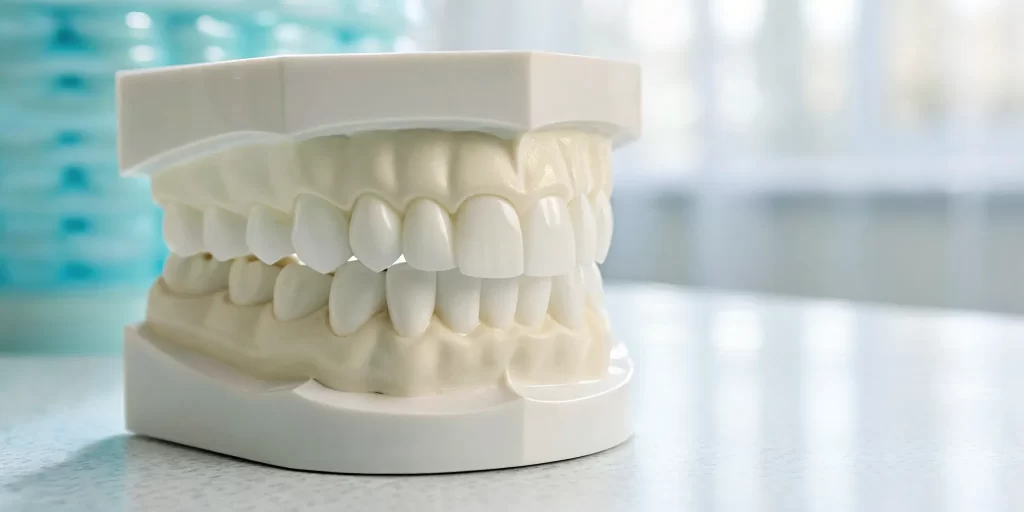
Let’s clear up a big myth about dental veneers: it’s not an all-or-nothing procedure. This misconception often leads people to wonder if they need to treat their entire mouth. The truth is much simpler. Creating a set of complete veneer teeth is about designing a seamless, beautiful smile with a conservative approach. A “full set” doesn’t mean every tooth. It refers to the number of veneers needed to create harmony across your visible smile. This article will explain how we tailor the treatment to you, ensuring a natural result you’ll love.
Key Takeaways
- Focus on your goals, not a magic number: The right amount of veneers is a personal decision based on the changes you want to see, whether it’s correcting a single tooth or transforming your entire visible smile.
- The process is a collaborative design partnership: You’ll work directly with your dentist to design a smile that matches your vision, from choosing the perfect shade and shape to approving the final look.
- Modern veneers are built to last: Today’s porcelain is incredibly strong and stain-resistant, designed to last 15 years or more with simple, everyday care like brushing and flossing.
What Are Dental Veneers?
If you’ve ever found yourself admiring a perfectly uniform, bright white smile, there’s a good chance you were looking at dental veneers. Think of them as very thin, custom-made shells designed to fit perfectly over the front surface of your teeth. Their purpose is purely cosmetic: to change the color, shape, size, or length of your teeth to give you the smile you’ve always wanted.
Veneers are typically crafted from porcelain or a composite resin material, and they are bonded directly to your natural teeth. This process allows your dentist to correct a wide range of aesthetic issues in a way that looks and feels completely natural. It’s a popular choice for people looking for a significant smile makeover without undergoing more extensive orthodontic work. At Dental & Implant Centers of Colorado, we see veneers as one of many cosmetic services that can help you feel more confident every time you smile. The entire process is a collaboration between you and your dentist to design a look that complements your facial features and meets your personal goals.
How Can Veneers Improve Your Smile?
Veneers are incredibly versatile and can address several common cosmetic concerns at once. Many people choose veneers to fix issues that professional whitening can’t, like deep stains or discoloration. They are also an excellent solution for repairing teeth that are chipped, broken, or worn down from grinding.
Beyond repairs, veneers can create a more uniform and symmetrical appearance. If you have small gaps between your teeth or if some teeth are slightly misshapen or uneven, veneers can close those spaces and create a beautifully straight, harmonious smile line. Essentially, they offer a way to get a complete smile refresh by correcting imperfections and creating a polished, consistent look across your most visible teeth.
Veneers vs. Dental Crowns: What’s the Difference?
While both veneers and dental crowns are fantastic restorative options that can improve the look of a tooth, they work in very different ways and solve different problems. It’s easy to get them confused because both can result in a beautiful, natural-looking tooth. However, the main distinction comes down to one key question: are we trying to improve the appearance of a healthy tooth, or do we need to repair and protect a damaged one? Understanding this difference is the first step in figuring out which solution is right for you, and it’s a conversation we always have with our patients to ensure we’re meeting their specific health and cosmetic goals.
Function: Cosmetic Enhancement vs. Structural Repair
Think of a veneer as a cosmetic makeover for your tooth. It’s a thin, custom-made shell that covers only the front surface, designed to hide things like chips, stains, or small gaps. According to the Cleveland Clinic, their main purpose is to improve how your smile looks, not necessarily to make the tooth stronger. Veneers are ideal when the underlying tooth is healthy but just needs an aesthetic touch-up. A dental crown, on the other hand, is a full-coverage restoration. It’s like a protective helmet that encases the entire tooth, restoring its shape, size, and strength. Crowns are the go-to solution when a tooth is badly damaged, cracked, or has extensive decay that a simple filling can’t fix. They provide the structural support needed to save the tooth while also improving its appearance.
Understanding Your Veneer Material Options
When you decide to get veneers, you’ll have two primary material options to discuss with your dentist: porcelain and composite resin. Porcelain veneers are the top-tier choice for a reason. They are incredibly strong, highly resistant to staining, and have a translucent quality that mimics the way natural teeth reflect light. This makes them look remarkably realistic and allows them to last for many years with proper care.
Composite resin veneers are made from a tooth-colored filling material that is applied directly to the tooth and sculpted into shape. They are generally more affordable than porcelain and the process can often be completed in a single appointment. However, they aren’t as durable and are more prone to staining over time, meaning they may need more frequent touch-ups. While veneers are fantastic for cosmetic fixes on existing teeth, for replacing a missing tooth entirely, a solution like dental implants provides a permanent, functional alternative.
Porcelain Veneers
Porcelain veneers are often considered the gold standard in cosmetic dentistry, and for good reason. Think of them as ultra-thin, custom-crafted shells that are bonded to the front of your teeth—almost like contact lenses for your smile. The porcelain material is incredibly strong and has a natural, light-reflecting quality that perfectly mimics the look of real tooth enamel. One of their biggest advantages is their durability and resistance to stains from things like coffee, tea, or red wine. With the right care, porcelain veneers can last anywhere from 10 to 25 years, making them a long-term investment in your confidence. The transformations you can see are often stunning, creating a bright and flawless smile that stands the test of time.
Composite Veneers
If you’re looking for a more budget-friendly or less invasive option, composite veneers are an excellent alternative. This technique uses a tooth-colored plastic resin that your dentist applies directly to your teeth, then sculpts and polishes to achieve the ideal shape and finish. Because the material is applied right in the chair, the entire process can often be completed in just one appointment. Composite veneers are a fantastic solution for correcting smaller cosmetic concerns, such as minor chips, small gaps, or slight discoloration. While they don’t offer the same longevity or stain resistance as porcelain—typically lasting between five and ten years—they deliver beautiful results and can be a great way to refresh your smile.
No-Prep and Removable Veneers
You may also come across terms like “no-prep” or “removable” veneers. No-prep veneers are a more conservative type of porcelain veneer that requires very little, if any, removal of your natural tooth enamel. However, it’s good to know that some minor tooth shaping is usually still needed to get a seamless fit. Removable veneers, also known as snap-on smiles, are temporary appliances that fit over your teeth and can be taken out. While they offer a quick cosmetic fix, they can feel bulky, interfere with eating and speaking, and lack long-term research. For a lasting, high-quality result, it’s always best to consult with an experienced dental team to explore the best permanent solution for your unique smile.
Alternatives to Dental Veneers
Veneers are a fantastic cosmetic solution, but they aren’t the only tool in the toolbox. Depending on your specific goals and the health of your teeth, another treatment might be a better fit. It’s all about finding the right path to your ideal smile, and sometimes that path doesn’t involve veneers at all. Exploring your options ensures you make a choice that feels right for you, your budget, and your long-term dental health. Let’s look at a few other popular ways to enhance your smile.
Composite Resin Bonding
Think of composite bonding as direct, hands-on artistry for your teeth. Instead of creating a shell in a lab, your dentist applies a tooth-colored resin directly onto your tooth and skillfully sculpts it to fix imperfections. This procedure is perfect for correcting minor issues like small chips, closing slight gaps, or covering discoloration on a single tooth. Because it’s less invasive than veneers, it preserves more of your natural tooth structure, and the entire process can often be completed in just one appointment, making it a convenient and cost-effective choice for a quick smile touch-up.
Teeth Whitening
If your main concern is the color of your teeth rather than their shape or alignment, professional teeth whitening might be all you need. Over time, things like coffee, tea, and wine can leave stains that at-home kits just can’t lift. A professional whitening treatment is a straightforward and highly effective way to erase years of discoloration and dramatically brighten your smile. It’s one of the simplest and most popular cosmetic dentistry services because it delivers noticeable results without altering your tooth structure, giving you a refreshed and more youthful appearance.
Dental Crowns
While veneers are designed to cover the front of a tooth for cosmetic purposes, a dental crown covers the entire tooth like a protective cap. Crowns are the go-to solution when a tooth is structurally compromised from extensive decay, a large filling, or a fracture. They restore the tooth’s original shape, size, and strength, allowing it to function properly again while also improving its appearance. Modern crowns are crafted from materials like porcelain that blend seamlessly with your natural teeth, so you don’t have to choose between strength and aesthetics—you get both.
How Many Veneers Make a “Full Set”?
When you hear the term “full set of veneers,” it’s easy to picture every single tooth being covered. But that’s usually not the case! A full set is all about creating a seamless, beautiful smile by focusing only on the teeth that are visible when you talk, laugh, and smile naturally. The goal is a complete transformation of your smile’s appearance, not a complete overhaul of every tooth in your mouth. The exact number is different for everyone and depends entirely on your unique smile.
Why Most Full Sets Cover 8-10 Upper Teeth
For most people, a full set of veneers means treating the upper front teeth. The standard number is typically between eight and ten veneers. Why this range? When you flash a big smile, these are the teeth that take center stage. Placing veneers on these teeth creates a uniform and bright appearance, effectively giving you a complete smile makeover. Covering this set of teeth is usually enough to address common concerns like discoloration, gaps, or chips, resulting in a balanced and aesthetically pleasing look that appears totally natural.
Do You Need Veneers on Your Lower Teeth Too?
While the upper teeth get most of the attention, the lower teeth are an important part of the conversation. The decision to get veneers on your bottom teeth really comes down to how much they show. If your lower teeth are prominent when you speak or smile, getting six to eight veneers on the bottom can create a more cohesive and harmonious result. During your consultation, we can assess your smile together to determine if treating both arches is the right choice for your cosmetic goals. The aim is always to create a smile that looks and feels like your own, just enhanced.
From the “Social Six” to a Complete Smile
You might hear dentists talk about the “Social Six,” which refers to the six most visible front teeth. For some people with a narrower smile, addressing just these six teeth is enough. However, most people show more than six teeth when they smile widely. That’s why the standard often extends to eight or even ten teeth to ensure the veneers blend seamlessly with your natural teeth and there isn’t an awkward transition. You can see examples of these beautiful transformations in our before and after gallery. Ultimately, a “full set” is tailored to you, ensuring every visible tooth contributes to your stunning new smile.
Finding Your Number: How Many Veneers Do You Need?
Deciding on the right number of veneers isn’t about hitting a magic number—it’s about creating a result that feels completely natural and personal to you. The final count depends on a mix of your unique smile, your cosmetic goals, and your budget. Think of it as a custom treatment plan designed just for you. Let’s walk through the key factors that will help you and your dentist determine the perfect number of veneers for your smile transformation.
How Wide Do You Smile?
The first step is to take a look at your smile’s natural reach. For most people, a big, genuine smile reveals anywhere from six to ten of the upper teeth. These are the teeth that frame your smile and make the biggest visual impact. A simple way to get a feel for this is to stand in front of a mirror and give your widest, most natural grin. Which teeth do you see? Are they the front four, six, or maybe eight? This gives you a great starting point for your consultation, helping you identify which teeth contribute most to the look you want to achieve.
What Are Your Personal Smile Goals?
What are you hoping to change about your smile? Your answer to this question is the most important guide. If you’re looking to correct a single chipped or discolored tooth, you might only need one or two veneers expertly matched to your surrounding teeth. However, if your goal is a total smile makeover—achieving a brighter, more uniform, and symmetrical look—you’ll likely consider a set of 8, 10, or even 12 veneers. The key is to define what a successful outcome looks like for you. Our team of experts is here to listen to your goals and help design a smile that brings you confidence.
Is Your Mouth Healthy Enough for Veneers?
Your existing dental health plays a big part in the treatment plan. Veneers are a fantastic cosmetic solution, but they need to be placed on a healthy foundation. If you have specific teeth with minor imperfections like stubborn stains, small gaps, or chips, you might only need to treat those few. For instance, if two of your front teeth are discolored, a pair of veneers can blend them seamlessly with the rest of your smile. Before moving forward, your dentist will ensure your teeth and gums are healthy and address any underlying issues, as part of our comprehensive dental services.
Who Isn’t a Good Candidate for Veneers?
While veneers are a great option for many, they aren’t the right fit for everyone. Certain factors can affect your candidacy, and it’s important to address them first to ensure a successful, long-lasting result.
Concerns like Tooth Decay or Gum Disease
Before we can focus on cosmetics, we have to prioritize health. Veneers need to be placed on a strong, healthy foundation, which means your natural teeth and gums must be in good shape. Placing a veneer over a tooth with untreated decay or active gum disease would simply trap the problem underneath, leading to more serious issues down the road. That’s why a thorough dental exam is always the first step. We’ll check for any underlying concerns and create a plan to resolve them. This ensures your smile is not only beautiful but also healthy from the inside out, setting your veneers up for long-term success with our comprehensive dental services.
Habits like Teeth Grinding (Bruxism)
Do you clench or grind your teeth, especially at night? This common habit, known as bruxism, can put a lot of stress on your teeth. While porcelain is incredibly durable, the intense pressure from grinding can chip, crack, or even dislodge your new veneers. This doesn’t automatically mean you can’t get them, but it does mean we need a plan to protect your investment. The most effective solution is a custom-fitted nightguard. Wearing it every night creates a protective barrier between your upper and lower teeth, absorbing the pressure and keeping your veneers safe. Our experienced team will make sure you have the right protection to ensure your beautiful new smile lasts for years to come.
Planning Your Veneer Budget
It’s important to be practical about the investment. Veneers are a durable and transformative cosmetic treatment, and the cost reflects the artistry and materials involved. Because of this, many people choose to place veneers only on their most visible teeth to achieve a major impact while managing costs. Starting with your “social six”—the six upper front teeth—is a popular and effective strategy. We believe everyone deserves a smile they love, which is why we offer a variety of financing and insurance options to help make your dream smile an accessible reality.
Getting Veneers: What to Expect from Start to Finish
Getting veneers is a multi-step journey, but it’s a collaborative and exciting one. Think of it less like a rigid procedure and more like a custom design project for your smile. From the initial chat to the final placement, our team is with you every step of the way to ensure your results are exactly what you envisioned. Here’s a breakdown of how we bring your new smile to life.
Step 1: The Consultation & Designing Your Smile
This first meeting is all about you and your goals. You’ll sit down with one of our cosmetic dentists for a smile evaluation, where we’ll chat about the changes you want to see. This is your chance to share your vision—do you want a brighter shade, a more uniform shape, or to close a small gap? We’ll listen carefully and assess your dental health to create a personalized treatment plan. Together, we’ll decide on the right number of veneers, the perfect shape, and the ideal shade to create a look that is both beautiful and completely natural for you.
Digital Smile Simulation
One of the most exciting parts of the design process is that you don’t have to guess what your new smile will look like. We use digital smile simulation technology to give you a realistic preview of your results before we even begin. Using photos and advanced software, we can create a digital mock-up showing you exactly how your smile could look with veneers. This allows you to see the potential transformation and make adjustments to the shape, size, and shade until it’s perfect. It’s a collaborative step that ensures we’re aligned on your vision and gives you complete confidence in the final outcome, much like the stunning results you can see in our before and after gallery.
Pre-Veneer Teeth Whitening
If you’re aiming for an overall brighter smile, it’s a good idea to whiten your teeth before getting veneers. Here’s why: porcelain veneers are matched to the color of your surrounding natural teeth, but the porcelain itself is stain-resistant and cannot be whitened later. By whitening your teeth first, you establish a new, brighter baseline shade. We can then craft your veneers to match this enhanced color, ensuring a seamless and uniformly brilliant smile. This step is especially important if you are only getting a few veneers, as it helps them blend in perfectly with the rest of your teeth for a completely natural look, which is a key part of our cosmetic dental services.
Step 2: Tooth Prep and Temporary Veneers
Once we have a plan, the next step is to prepare your teeth. To make sure your veneers fit seamlessly and don’t look bulky, we remove a tiny bit of enamel from the front surface of the teeth—usually less than a millimeter. It’s a very precise and conservative process. After your teeth are prepped, we’ll take molds that a specialized dental lab will use to craft your permanent veneers. Before you leave, we’ll place a set of temporary veneers to protect your teeth and give you a preview of your future smile while the final ones are being made.
Step 3: Bonding Your Permanent Veneers
This is the final and most exciting appointment. When your custom-made porcelain veneers arrive from the lab, we’ll have you come in for the placement. First, we’ll gently remove the temporaries and place the final veneers to check the fit, shape, and color. We take our time to ensure everything is perfect and that you absolutely love how they look. Once you give us the green light, we’ll permanently bond the veneers to your teeth, completing your incredible smile transformation. You’ll walk out of our office ready to share your new, confident smile with the world.
Partial vs. Full Set: Which Is Right for You?
Deciding between a partial set of veneers and a full set can feel like a major choice, and it is! This isn’t just about aesthetics; it’s about finding the perfect, lasting solution for your unique smile. The best path forward is always a collaborative one, built on a conversation between you and your dentist. Together, you’ll discuss your goals, your budget, and what’s clinically best for your teeth.
Whether you’re looking to correct a few minor imperfections on your front teeth or want that complete, camera-ready smile makeover, the treatment plan will be tailored specifically to you. There’s no one-size-fits-all answer. To help you prepare for that conversation, let’s walk through the key considerations. Understanding these factors will help you feel confident in your decision and work with your dentist to create a plan that delivers a smile you absolutely love.
When to Choose a Partial Set of Veneers
The first step is to get clear on what you want to achieve. Are you hoping to fix a single chipped tooth, or are you dreaming of a brighter, more uniform smile? The number of veneers you need is directly tied to your personal smile goals. For a complete transformation, most people choose to get veneers on their upper teeth—typically between eight and ten—as these are the most visible when you talk and smile. This approach creates a seamless, stunning new look. You can see some incredible smile transformations to get a better idea of what’s possible.
Deciding Factors Your Dentist Will Consider
Beyond your aesthetic goals, a few practical factors will shape your treatment plan. Your smile’s natural width plays a big role; if you have a wider smile, you may need more veneers to ensure a consistent and even appearance. Of course, your budget is another important consideration, as the total number of veneers will influence the overall cost. It’s helpful to remember that not everyone needs veneers on every tooth. The final decision is a personal one, based on your unique smile, the current condition of your teeth, and your financial comfort. We can explore all your financing and insurance options to find a plan that works for you.
The Pros and Cons of Complete Veneer Teeth
Deciding to get a full set of veneers is a big step, and it’s smart to weigh the benefits against the considerations. While veneers can create a stunning, uniform smile, they are also a significant commitment to your dental health and routine. Understanding both sides of the coin helps you make a choice that feels right for you and your goals. It’s all about having a clear picture of the process, the results, and the long-term care involved.
Pro: Get a Total Smile Makeover
The biggest advantage of getting a full set of veneers is, without a doubt, the dramatic and immediate change to your smile. This isn’t just about fixing one or two problem teeth; it’s a comprehensive aesthetic overhaul. A full set typically includes 8 to 10 of your upper front teeth—the ones most visible when you smile and talk. This allows for a consistent and beautifully balanced look. Veneers can correct a wide range of cosmetic concerns all at once, including deep stains that whitening can’t fix, small chips or cracks, minor gaps between teeth, and even the appearance of slightly crooked teeth. The result is a bright, straight, and completely revitalized smile you can see in our Before & Afters gallery.
Con: The Procedure is Irreversible
While veneers are a safe and common procedure, it’s important to be aware of the potential downsides. First, the process is irreversible. To ensure the veneers fit perfectly, a very thin layer of your natural tooth enamel is removed. This means you will always need to have veneers or another type of restoration on those teeth. Some people also experience temporary tooth sensitivity to hot and cold after the procedure. Most importantly, veneers should only be placed on healthy teeth. Covering up existing issues like decay or gum disease can lead to more significant problems down the road. That’s why a thorough dental exam is always the first step in our process.
Con: They Require Long-Term Maintenance
Veneers are an investment in your smile, and protecting that investment requires a commitment to excellent long-term care. They aren’t indestructible and need the same—if not better—care as your natural teeth. This means diligent daily brushing and flossing and regular dental check-ups and cleanings. You’ll also need to be mindful of certain habits, like biting your nails, chewing on ice, or using your teeth to open packages, as these can damage the porcelain. While veneers are incredibly durable and can last for many years, they are a financial commitment. We believe in being transparent about costs and can help you explore your financing and insurance options to make your dream smile a reality.
Your Veneer Questions, Answered
Thinking about veneers brings up a lot of questions, and that’s completely normal. It’s a big decision, and you deserve to have all the facts. Let’s walk through some of the most common questions we hear from patients to help you feel more confident about the process.
How Much Do Veneers Cost?
Let’s talk about the investment. The cost of veneers can vary quite a bit, typically ranging from $925 to $3,000 per tooth. This depends on the material you choose and the specific details of your smile design. Think of it as a long-term investment in your confidence and oral health. We understand that budget is a key part of the decision-making process. That’s why we’re transparent about costs and offer different financing and insurance options to help make your dream smile a reality. We can discuss a personalized estimate during your consultation.
Will My Veneers Look Natural?
This is a big one, and the answer is a resounding yes. Gone are the days of bulky, obviously fake-looking dental work. Modern veneers are true works of art. Each veneer is custom-crafted to match the unique shade, shape, and translucency of your natural teeth. Our expert dental team works with you to design a smile that complements your facial features, ensuring the final result is seamless and beautiful. The goal is for people to notice your stunning smile, not your dental work. You can see the incredible transformations for yourself in our gallery of patient results.
Does Getting Veneers Hurt?
Many people worry that getting veneers will be an uncomfortable experience, but most are pleasantly surprised by how smooth the process is. Your comfort is our top priority. Before we begin, we use a local anesthetic to completely numb the area, so you shouldn’t feel any pain during the tooth preparation or placement stages. You might experience some mild sensitivity for a day or two afterward as you adjust to your new smile, but this is temporary and easily managed. Our patients often tell us the minimal discomfort was more than worth it for the final outcome.
How Long Do Dental Veneers Last?
Veneers are a durable and long-lasting solution for perfecting your smile. With the right care, high-quality porcelain veneers can last anywhere from 10 to 15 years, and sometimes even up to 20. Their longevity really depends on how well you maintain them. The good news is that caring for them is simple—just treat them like your natural teeth. This means consistent brushing, flossing, and keeping up with your regular dental check-ups and cleanings. By following these simple steps, you can protect your investment and enjoy your beautiful smile for years to come.
Lifespan by Material: Porcelain vs. Composite
The material you and your dentist select is the single biggest factor in your veneers’ lifespan. Porcelain veneers are the gold standard for durability, typically lasting between 10 and 25 years, with most people enjoying them for about 15 to 18 years. This longevity comes from the material itself—porcelain is incredibly strong and highly resistant to staining, keeping your smile bright for years. Composite veneers, on the other hand, have a shorter lifespan of about 5 to 10 years. While they are a more affordable option, they are more susceptible to chipping and staining and usually need to be replaced or touched up around the seven-year mark to maintain their appearance.
Factors That Influence Longevity
Beyond the material, several key factors determine how long your veneers will last. It all starts with a healthy foundation; the natural teeth underneath must be free of decay and gum disease. The expertise of your dentist is also critical. The skill involved in preparing the teeth and bonding the veneers, along with the quality of the lab work, directly impacts their durability. This is why choosing an experienced dental team is so important. Finally, your daily habits play a huge role. Good oral hygiene, including brushing twice a day and flossing daily, is essential. If you grind your teeth, wearing a custom nightguard is a must—it can easily double the life of your veneers by protecting them from excess pressure.
Veneer Myths vs. Facts
Veneers are one of the most popular cosmetic dental treatments available, but they’re also one of the most misunderstood. A lot of myths and outdated information can make it hard to figure out if they’re the right choice for you. Let’s clear the air and separate fact from fiction so you can feel confident about your decision.
Myth: Veneers are fragile and break easily.
It’s easy to assume that something so thin would be fragile, but modern porcelain veneers are incredibly strong and resilient. The ceramic material is designed to mimic the strength and durability of natural tooth enamel. Once bonded to your teeth by an expert dentist, they become a reinforced part of your tooth structure. With proper care, just like you would give your natural teeth, your veneers can last for 15 years or even longer. This means you can continue to eat your favorite foods without worry. Of course, they aren’t indestructible—you should still avoid chewing on ice or using your teeth as tools—but they are built to withstand the pressures of everyday life.
Myth: Your natural teeth get shaved down.
This is probably the biggest fear people have about veneers, and it’s largely based on outdated procedures. The idea of having your teeth filed down to small nubs is simply not how modern veneers work. Today, the process is far more conservative. To ensure your veneers sit flush with your gumline and look completely natural, a very small amount of enamel—typically less than a millimeter, about the thickness of a contact lens—is gently buffed from the tooth’s surface. This minimal preparation creates the perfect surface for a strong, lasting bond. Our skilled team always prioritizes preserving as much of your natural tooth as possible.
Myth: You need veneers on every single tooth.
Veneers are not an all-or-nothing treatment. The goal is to create a beautiful, seamless smile, and that looks different for everyone. For some, that might mean a full set of 8 or 10 veneers to create a dramatic transformation. For many others, just one or two veneers are all that’s needed to correct a specific issue, like a chipped tooth, a stubborn stain, or a small gap. One of the best things about our cosmetic dental services is the ability to perfectly color-match a single veneer to your surrounding teeth. No one will be able to tell which tooth has the veneer and which doesn’t. The treatment plan is completely tailored to your unique smile goals.
What Is the Cost of a Full Set of Veneers?
Let’s talk about one of the most common questions we hear: what is the investment for a full set of veneers? The final cost can vary quite a bit, as every smile is unique and requires a personalized approach. Generally, you can expect the price to be calculated on a per-tooth basis, and the total depends on several factors we’ll cover below. While it’s a significant investment, it’s helpful to think of it as a long-term investment in your confidence and daily quality of life. A beautiful, functional smile that you love to share is priceless, and our goal is to make that a reality for you. We’ve seen firsthand how a transformed smile can positively impact every area of a person’s life.
The best way to get a clear and accurate number for your specific goals is to schedule a consultation with one of our dentists. During this visit, we’ll discuss exactly what you’re looking for, assess your dental health, and map out a complete treatment plan. This plan will include a detailed breakdown of all associated costs, so you’ll have a full picture before making any decisions. We believe in total transparency and are here to walk you through all the cosmetic and restorative services we offer to find the perfect fit for your smile and budget. There’s no pressure, just a clear conversation about your options.
Estimated Cost for a Full Set
So, what does a full set of veneers typically cost? Since veneers are priced per tooth—usually between $925 and $3,000—the total depends on how many you get. A common “full set” for a smile makeover involves eight to ten of the upper front teeth. Doing the math, this means a full set could range anywhere from about $7,400 to $30,000. This is a broad range because the final price is influenced by the material you choose (porcelain is a higher investment than composite) and the specific design of your new smile. We understand this is a significant decision, and we’re committed to making it manageable. We offer several financing and insurance options to help you fit your dream smile into your budget, ensuring you can move forward with confidence.
What Factors Into the Final Price?
Several key factors determine the total cost of your veneer treatment. First is the material you choose. Porcelain veneers typically cost more than composite resin because they are incredibly durable, stain-resistant, and offer the most natural, translucent appearance. The number of veneers you receive is another major factor—a full set of 8 to 10 veneers will naturally be a larger investment than just two or four. Finally, your current oral health plays a role. If any preparatory work is needed, like treating a cavity or gum inflammation, that will be addressed before we place your veneers. The expertise of our dental team ensures your veneers are crafted and placed with the highest level of precision for a flawless result.
The Long-Term Value of Porcelain Veneers
While the initial cost is a factor, it’s helpful to see porcelain veneers as a long-term investment in your smile and confidence. Modern veneers are incredibly durable, designed to last 15 years or more with simple daily care. They are crafted from a strong, stain-resistant material that holds its color and shape, meaning you won’t have to worry about frequent touch-ups or replacements like you might with other cosmetic options. This durability, combined with the comprehensive aesthetic change they provide, offers incredible value over time. You’re not just paying for a temporary fix; you’re investing in a lasting solution that can completely transform your smile and how you feel about it for years to come. Our goal is to provide cosmetic services that deliver both beautiful results and lasting peace of mind.
Can You Finance Veneers? What About Insurance?
A common question is whether dental insurance will cover veneers. In most cases, insurance providers classify veneers as a cosmetic procedure, which means they typically aren’t covered. However, there can be exceptions. If a veneer is needed to repair a chipped or broken tooth and restore its function, your plan might cover a portion of the cost. We can help you check your benefits to see what’s possible.
To make your dream smile more accessible, we offer flexible financing and insurance options. Our team is dedicated to helping you find a payment solution that fits comfortably within your budget. We partner with third-party financing companies that offer manageable monthly payment plans, often with little to no interest. We’ll go over all the details with you during your consultation so you can make an informed and confident decision.
Caring for Your New Veneers
Getting a new set of veneers is an exciting step toward the smile you’ve always wanted. To make sure that smile stays bright and beautiful for years to come, you’ll want to give your veneers the right care. The good news is that maintaining them isn’t complicated—it’s mostly about sticking to great oral hygiene habits and being mindful of a few things. Protecting your investment is straightforward, and with a solid routine, you can keep your veneers looking as good as the day they were placed. Proper care ensures the longevity of your veneers and supports the health of the underlying teeth and gums, which is the foundation of all our dental services.
Your Daily Care Routine
Your new cleaning routine will feel very familiar. To keep your veneers looking their best, you’ll want to brush twice a day and floss once a day, just as you would with your natural teeth. Use a soft-bristled toothbrush and a non-abrasive toothpaste to gently clean the surface without scratching the porcelain. While veneers themselves are resistant to cavities, the tooth underneath and the gumline around them are still vulnerable. Consistent brushing and flossing are your best defense against plaque buildup and gum disease, ensuring both your veneers and your natural smile stay healthy.
Using the Right Toothbrush and Toothpaste
When it comes to your tools, being selective makes all the difference. Always opt for a soft-bristled toothbrush. While it might seem like medium or hard bristles would provide a deeper clean, they can be too aggressive for both your veneers and your gums. Over time, harsh bristles can scratch the polished surface of the porcelain, making it appear dull and more prone to staining. They can also contribute to gum recession, which could expose the top edge of the veneer. A soft-bristled brush has all the power you need to effectively remove plaque without causing any harm. Think of it as polishing a fine piece of jewelry—gentleness is key to maintaining its shine and integrity for the long haul.
Just as important as your brush is the toothpaste you use with it. Many whitening toothpastes contain abrasive ingredients like baking soda or hydrated silica, which are great for scrubbing stains off natural enamel but can be damaging to porcelain. These gritty particles can create tiny scratches on the surface of your veneers, dulling their luster over time. Instead, look for a non-abrasive gel toothpaste. Your dentist can recommend specific brands that are safe for cosmetic work. Making this simple switch is a crucial part of protecting your investment and ensuring your smile stays radiant. It’s a small detail that supports the overall goal of our cosmetic dental services: beautiful, long-lasting results.
Foods and Habits to Avoid
Porcelain veneers are incredibly durable, but they aren’t indestructible. It’s wise to be careful with very hard foods, like ice, hard candy, or nuts, as they can potentially chip or damage your veneers. It’s also a good idea to break habits like biting your nails, chewing on pens, or using your teeth to open packages. While high-quality porcelain is very stain-resistant, the bonding agent used to secure them can be susceptible to staining over time. Rinsing your mouth with water after having coffee, tea, or red wine can help keep everything looking bright.
Protecting Your Investment
Veneers are a true investment in your smile, and like any valuable investment, they need protection. To get the most out of them for years to come, a commitment to excellent long-term care is key. This doesn’t mean a complicated new routine; it simply means treating them with the same, if not better, care than your natural teeth. Diligent daily brushing with a soft-bristled brush and consistent flossing are non-negotiable. Just as important are your regular dental check-ups and cleanings. These visits allow us to monitor the health of your veneers and the teeth beneath them, ensuring everything stays in top shape. Think of our team as your partners in maintaining the beautiful results of all our dental services.
Wear a Nightguard for Grinding
If you know or suspect that you grind your teeth at night—a condition called bruxism—a custom nightguard is an absolute must. The unconscious force from grinding can place extreme stress on your veneers, putting them at risk for chipping, cracking, or even coming loose. A professionally made nightguard acts as a protective cushion between your upper and lower teeth, absorbing the pressure and safeguarding your investment. It’s a simple, comfortable step that can dramatically extend the life of your veneers, sometimes even doubling it. Our expert team can create a nightguard that fits you perfectly, ensuring it’s effective and easy to wear while you sleep.
Use a Mouthguard for Sports
For anyone who is active in sports, protecting your smile is just as important as protecting any other part of your body. If you play contact sports like football, hockey, or martial arts, or even non-contact sports with a risk of impact like basketball or soccer, a mouthguard is essential. A sudden blow to the face can easily fracture a beautiful porcelain veneer. A custom-fitted mouthguard, made by your dentist, offers the best possible protection by absorbing and distributing the force of an impact. It’s a small piece of equipment that provides major peace of mind, safeguarding both your veneers and your natural teeth during any athletic activity. It’s a crucial part of maintaining any advanced dental work, including dental implants.
When to Call Your Dentist
Being proactive is key to the long-term success of your veneers. Identifying any potential issues early is vital, so it’s important to know when to give your dentist a call. If you notice a veneer feels loose, see a chip or crack, or experience any new or persistent sensitivity, don’t hesitate to reach out. You should also schedule a visit if your gums around the veneers appear red, swollen, or tender. If you experience any discomfort or suspect a problem, it’s always best to consult with our expert team. We can assess the situation and make sure a small issue doesn’t turn into a bigger one.
Warning Signs That a Veneer Needs Replacement
While veneers are built to last, they aren’t permanent. Knowing the signs of wear can help you address issues before they become bigger problems. If you notice any visible chips or cracks, it’s important to have them looked at, as even tiny fractures can allow bacteria to reach the tooth underneath. Another key indicator is discoloration that can’t be polished away, such as a dark line appearing along your gumline. Your veneer should always feel solid and stable; if one feels loose, it means the bond has weakened. Finally, new or unusual sensitivity to hot and cold could signal that something is wrong beneath the veneer. If you experience any of these signs, it’s time to schedule a visit to have your smile evaluated as part of our cosmetic dental services.
Related Articles
- Your Comprehensive Guide To Dental Veneers • DICC
- How Much Do Veneers Cost? A Complete Price Guide
- Differences between dentures and veneers • DICC Colorado
Frequently Asked Questions
Are veneers permanent? This is a great question because there are two parts to the answer. The process itself is considered permanent because a small amount of your natural tooth enamel is removed to ensure a perfect fit. This means the prepared teeth will always need to be covered by veneers or another type of restoration. However, the veneers themselves are not permanent. With excellent care, they can last for 10 to 15 years, or even longer, before they may need to be replaced.
How long does the entire veneer process take from start to finish? Typically, the entire journey takes about two to three weeks and involves a few key appointments. Your first visit is the consultation where we design your smile. The second appointment is for preparing your teeth and placing temporary veneers. About two weeks later, once your custom porcelain veneers are back from the dental lab, you’ll come in for your final appointment to have them permanently bonded to your teeth.
Can I still get cavities if I have veneers? Yes, you can. While the porcelain shell itself is immune to decay, the natural tooth underneath and along the gumline is still susceptible to cavities. This is why maintaining a consistent oral hygiene routine is so important. Brushing twice a day, flossing daily, and keeping up with your regular dental check-ups are the best ways to protect the health of your underlying teeth and ensure your beautiful smile lasts.
What if I only want to fix one or two teeth? That is absolutely an option. Veneers are a completely customizable treatment, not an all-or-nothing procedure. If you have a single chipped tooth or a couple of discolored teeth that you’d like to correct, we can design one or two veneers that blend seamlessly with your surrounding natural teeth. Our team is skilled at color-matching so that no one will be able to tell the difference.
Will I be able to choose the exact shade and shape of my new smile? Of course! The smile design process is a partnership between you and your dentist. During your consultation, we will discuss your aesthetic goals in detail. You’ll have the final say on the shape, size, and shade of your veneers. We use your input to create a look that complements your facial features and feels completely authentic to you, ensuring you absolutely love the final result.
