




A missing tooth is more than just a cosmetic issue. It can set off a chain reaction of oral health problems, starting with jawbone loss. When a tooth root is gone, the bone that once supported it begins to shrink, which can change your facial structure over time and affect neighboring teeth. This is where dental implants offer a unique and powerful advantage. They are the only tooth replacement option that stimulates and preserves your natural jawbone, protecting your long-term health. In this article, we’ll explore how implants work to prevent bone loss, why they don’t require altering healthy adjacent teeth, and how they provide a durable, lasting foundation for your smile. It’s a comprehensive solution that addresses the root of the problem.
Considering Dental Implants in Denver?
What Exactly is a Dental Implant?
If you’re exploring options for replacing a missing tooth, you’ve likely come across the term “dental implant.” So, what is it? At its core, a dental implant is a sophisticated replacement for a tooth’s root. According to the Mayo Clinic, it’s a metal post that is surgically placed into your jawbone, creating a sturdy foundation. An artificial tooth, known as a crown, is then attached to this post, giving you a complete, functional, and natural-looking tooth. Think of it as building a new tooth from the ground up, starting with a strong, permanent base. This structure is what sets implants apart from other tooth replacement options like bridges or dentures, as it mimics the anatomy of a natural tooth for unparalleled stability and function.
The Three Core Components of an Implant
Understanding how a dental implant works is much easier when you break it down into its three main parts. Each component has a specific job, and together, they create a seamless and durable replacement for a missing tooth. This isn’t just a single piece of hardware; it’s a complete system designed to integrate perfectly with your body. Knowing these parts—the implant post, the abutment, and the restoration—can help you feel more informed and confident as you discuss your options with a dental professional. Let’s look at what each piece does and how they work together to restore your smile.
The Implant Post
The implant post is the foundation of the entire structure. Described by the Cleveland Clinic as a small, threaded post, it is surgically placed directly into your jawbone where the original tooth’s root used to be. This post is typically made from titanium, a biocompatible material that your body accepts, allowing the bone to fuse with it over time. It acts as an artificial root, providing the strength and stability needed to support the new tooth. This is the part of the implant that you don’t see, but it’s the most critical piece for ensuring a secure, long-lasting result.
The Abutment
The abutment is the connector. Once the implant post has fully integrated with your jawbone, the abutment is attached to the top of it. This small but essential piece sits right at the gum line and acts as a bridge, linking the hidden implant post to the visible artificial tooth. Its primary function is to hold the final crown securely in place. Think of it as the vital link that transfers the strength of the implant post to the part of the tooth you use to chew and smile, ensuring everything stays connected and stable.
The Restoration (Crown)
The restoration is the part of the implant that everyone sees—the new tooth itself. This is typically a custom-made crown designed to perfectly match the color, shape, and size of your surrounding natural teeth. The goal is for the restoration to blend in so seamlessly that no one can tell it’s not your original tooth. It’s attached to the abutment and is crafted from durable materials like porcelain or ceramic to withstand the forces of biting and chewing. This final piece completes the process, restoring not only the function of your bite but also the aesthetics of your smile.
How Implants Become Part of Your Jaw: Osseointegration
The real magic behind a dental implant’s success is a biological process called osseointegration. This is where the jawbone grows around and fuses directly with the implant post. This process is what makes an implant feel and function just like a natural tooth root. According to the Cleveland Clinic, this fusion can take anywhere from three to nine months, and it’s the most critical step for ensuring the implant is stable and secure for the long haul. It’s a gradual process that creates an incredibly strong bond, turning the implant into a permanent part of your jaw. Having an experienced team is key to making sure this process goes smoothly, which is why the specialists at Dental & Implant Centers of Colorado focus on precision placement to facilitate optimal healing and integration.
Materials Used in Dental Implants
When it comes to the materials used for dental implants, safety and compatibility are top priorities. The vast majority of implants are made from titanium, a metal well-known for its strength and biocompatibility—meaning your body is highly unlikely to reject it. Some implants are also made from ceramic, which is another safe and effective option. Both materials are trusted by dental professionals and have a long track record of success. The choice between them often comes down to your specific clinical needs and your dentist’s recommendation. The important thing to know is that modern implants are crafted from high-quality, medical-grade materials designed to last for many years.
Key Benefits of Choosing Dental Implants
Deciding on a tooth replacement solution is a big step, and dental implants offer a host of benefits that go far beyond just filling a gap in your smile. They are widely considered the gold standard for tooth replacement because they are designed to replicate a natural tooth in almost every way. From restoring your ability to eat your favorite foods with confidence to preserving your long-term oral health, implants provide a comprehensive solution. Unlike other options, they address both the functional and aesthetic aspects of tooth loss. Exploring these key advantages can help you understand why so many people, including patients whose stories you can read in our testimonials, find them to be a life-changing investment in their health and well-being.
Function Just Like Natural Teeth
One of the most significant advantages of dental implants is that they look, feel, and function just like your natural teeth. Because the implant fuses with your jawbone, it provides a level of stability that other replacements can’t match. This means you can eat, speak, and smile without worrying about your tooth shifting or slipping. The Cleveland Clinic notes that implants can improve chewing and speech, allowing you to enjoy all your favorite foods and communicate clearly. This restoration of normal function can have a huge impact on your daily life, bringing back a sense of comfort and confidence that is often lost with a missing tooth.
Prevent Jawbone Loss
When you lose a tooth, the jawbone in that area no longer receives the stimulation it needs from the tooth’s root, and it can begin to deteriorate. This bone loss can affect your facial structure over time, leading to a sunken appearance. Dental implants are the only tooth replacement option that actively prevents this. As noted by Aspen Dental, implants help keep your jawbone strong by acting as an artificial tooth root and providing the necessary stimulation to maintain bone density. This not only supports the implant itself but also helps preserve the health of your jaw and the overall structure of your face.
Protect Your Healthy, Adjacent Teeth
Traditional dental bridges require the teeth on either side of a gap to be ground down so they can serve as anchors for the bridge. This means sacrificing the structure of perfectly healthy teeth. Dental implants, on the other hand, are a standalone solution. They are placed directly into the jawbone without impacting the neighboring teeth at all. The Mayo Clinic highlights that implants do not require altering adjacent teeth, making them a more conservative approach to tooth replacement. By choosing an implant, you are preserving the integrity of your healthy teeth and promoting better long-term oral health for your entire mouth.
A Durable, Long-Lasting Solution
Dental implants are designed to be a permanent solution for tooth loss. With proper care, including good brushing, flossing, and regular dental check-ups, they can last a lifetime. This durability makes them an excellent long-term investment in your oral health. While other options like bridges or dentures may need to be replaced every 5 to 15 years, a well-maintained implant can stay with you for decades. This reliability not only provides peace of mind but can also make them a more cost-effective choice over time. If you’re curious about the investment, our team can walk you through our financing and insurance options to find a plan that works for you.
What Are the 3 Phases of a Dental Implant?
Breaking Down the Implant Phases
- Dental Implant placement
- Putting in a post or other thing that sticks out of the gum.
- Putting on the last crown or implant
A Real-Life Example: Single Tooth Implant in Denver
- Appointment 1: Exam and planning of treatment
Appointment 2 – Implant placement
At appointment 3, after 10 to 14 days, the stitches will be taken out. At appointment 4, after 4 weeks, the site will be checked to make sure it is healing properly.
Appointment 5 (3-6 months) – If the implant was submerged at the time of insertion, it was exposed. Appointment 6 (1-3 weeks after exposure): Study models are made to record the exact location of the implant. - In fact, these models make an exact copy of the patient’s jaws with the implant in place. The dentist then orders the exact size of the fixture or post that will be attached to the implant and used to hold the restoration. This step could be done by the restorative dentist or surgeon.
- Before seeing the patient, the restorative dentist may look at the study models to figure out what’s going on. The shape of the post can be changed to stop the tooth from moving around in the mouth.
- Appointment 7: The post is permanently attached to the implant, the shape is adjusted, and a temporary crown is placed on the post.
- Appointment 8 (if needed): Take the last crown impression and send it to the lab.
- Appointment 9: Final crown is put in place and the bite is adjusted
In an ideal situation, the implant could be put in without cutting the gum. Instead, the jaw would be reached through a small punch hole. During surgery, a healing cap can be put on so that there is no need for a second surgery to expose the implant (Appointment 5). If surgery shows that there is less bone than expected, implant placement may have to be put off until more bone grows.
If you are looking for Dental Implants in Denver we offer a free consultation with our team of dental specialists and prosthodontists. Call today at (720) 923-6014.
Are You a Good Candidate for Dental Implants?
Thinking about dental implants is a big step, and one of the first questions on your mind is likely, “Is this the right choice for me?” The great news is that dental implants are a viable and lasting solution for many people. The key is to have a solid foundation to work with. Generally, the best candidates are those who are missing one or more teeth but have healthy gums and enough jawbone to support the implant post. This ensures the implant has a strong base to anchor to, giving you that permanent, secure feel you’re looking for. It’s all about creating a solution that brings back lasting comfort and confidence to your smile.
Who is an Ideal Candidate?
An ideal candidate for dental implants is someone in good general health who is committed to maintaining excellent oral hygiene. Having sufficient bone density in your jaw is crucial because the implant needs to fuse with the bone in a process called osseointegration. If you’ve been missing a tooth for a while, you might have experienced some bone loss, but don’t worry—procedures like bone grafting can often solve this. The best way to know for sure is to have a conversation with a dental professional who can assess your specific situation with imaging and a thorough exam.
Factors That May Affect Candidacy
While many people are great candidates, certain lifestyle habits and health conditions can influence your suitability for dental implants. For instance, uncontrolled chronic diseases like diabetes or heart disease may need to be managed before proceeding. According to the Mayo Clinic, smoking can also hinder the healing process and affect the long-term success of the implant. Similarly, if you’ve had radiation therapy to your head or neck, it’s something your dentist will need to evaluate. These factors don’t automatically rule you out, but they do mean a more detailed consultation is necessary to create a safe and effective treatment plan tailored just for you.
Understanding the Potential Risks
Just like any medical procedure, dental implant surgery comes with a set of potential risks. It’s important to be aware of them so you can make an informed decision. The good news is that complications are rare, and when they do occur, they are typically minor and treatable. The most common risks are associated with the surgery itself, such as infection at the implant site or potential injury to the surrounding structures. Choosing an experienced and skilled surgeon is the best way to minimize these risks. At Dental & Implant Centers of Colorado, our team of specialists has the expertise to handle your procedure with the utmost care, ensuring your safety and comfort are the top priorities.
Common Surgical Risks
During the implant placement, there’s a small chance of risks like infection where the implant is placed or damage to nearby teeth or blood vessels. While this sounds concerning, these issues are uncommon, especially when the procedure is performed by a seasoned professional. Your surgeon will use precise imaging and planning to map out the exact location for the implant, carefully avoiding adjacent tooth roots and nerves. Following post-operative care instructions, like keeping the area clean and taking prescribed antibiotics, is also crucial for preventing infection and ensuring a smooth healing process.
Nerve and Sinus Considerations
When placing implants in the upper jaw, there’s a possibility of protruding into one of your sinus cavities. For lower jaw implants, there’s a slight risk of nerve damage, which could cause temporary or permanent numbness, pain, or tingling in your natural teeth, gums, lips, or chin. These risks are minimized through careful planning with 3D imaging, which allows your surgeon to see the precise location of your nerves and sinuses. An experienced implant specialist will know how to work around these delicate structures to ensure a safe and successful outcome.
What Causes an Implant to Fail?
Implant failure, though rare, can happen. The most common reason is the failure of the implant to fuse properly with the jawbone, a condition known as failed osseointegration. The Mayo Clinic notes that smoking is a significant factor that can impede this process. If the bone doesn’t integrate, the implant won’t be stable enough to support a crown. In this case, the implant is removed, the area is allowed to heal, and you might be able to try again in about three months. Other causes can include infection, poor oral hygiene, or excessive pressure on the implant before it has fully healed.
What to Expect After Your Implant Procedure
After your implant surgery, your body will need some time to heal. Knowing what to expect can help you feel more prepared and comfortable during the recovery period. You’ll receive detailed post-operative instructions from your dental team, and following them closely is key to a smooth and speedy recovery. Most people find the recovery process to be much easier than they anticipated. The initial healing phase is relatively short, and any discomfort is typically manageable with over-the-counter pain relievers. Remember, this brief recovery period is a small step toward a permanent, beautiful new smile.
The Recovery Process
The first few days after surgery are when you’ll experience the most noticeable side effects as your body begins to heal. It’s important to rest and allow your body the time it needs to recover properly. You’ll have a follow-up appointment to check on your healing progress and remove any stitches if necessary. Over the next several months, the implant will fuse with your jawbone. While this is happening beneath the surface, you’ll be able to go about your daily life as usual. Patience is key, as this foundational healing is what makes your implant so strong and durable for the long term.
Common Side Effects
It’s completely normal to experience some minor side effects after your implant surgery. According to CareCredit, you can expect some swelling of your gums and face, minor bruising, some discomfort at the implant site, and slight bleeding. These symptoms are temporary and usually peak within the first couple of days before gradually subsiding. Most people feel well enough to return to work or their normal activities within a day or two. Using a cold compress on the outside of your cheek can help reduce swelling, and your dentist will advise you on the best way to manage any discomfort.
Dietary Guidelines
What you eat after your surgery plays a role in your recovery. For the first few days, it’s best to stick to a soft-food diet to avoid putting pressure on the new implant. Think smoothies, yogurt, soups, mashed potatoes, and scrambled eggs. Avoid anything hot, spicy, hard, or crunchy, as these can irritate the surgical site. It’s also important to stay hydrated by drinking plenty of water. As you start to feel better, you can gradually reintroduce more solid foods into your diet, listening to your body and avoiding chewing directly on the implant area until it’s fully healed.
Long-Term Care for Your Implants
One of the best things about dental implants is that they don’t require any complicated special care. You simply treat them like your natural teeth. This means maintaining a consistent oral hygiene routine of brushing twice a day and flossing daily. The Mayo Clinic emphasizes that keeping your implants, artificial teeth, and gums clean is essential for their longevity. Regular dental check-ups and cleanings are also crucial. These appointments allow your dentist to monitor the health of your implant and the surrounding tissues, ensuring everything stays in excellent condition for years to come.
Success Rates and Lifespan of Dental Implants
When considering a significant investment in your health and smile, you want to be sure it’s going to last. Dental implants stand out as one of the most reliable and long-lasting tooth replacement options available in modern dentistry. Their high success rate is backed by decades of research and clinical use, making them a trusted solution for patients and dentists worldwide. This predictability, combined with their natural look and feel, is why so many people choose implants to restore their smiles and confidence. The initial process requires some time and patience, but the payoff is a durable solution that can truly last a lifetime.
How Successful Are Dental Implants?
Dental implants have an impressive track record. According to research from sources like Aspen Dental, the success rate for dental implants is as high as 98%. This remarkable rate is due to the biocompatible nature of titanium, which allows the implant to fuse directly with the jawbone, creating an incredibly strong and stable foundation. Success depends on several factors, including the patient’s overall health, the skill of the surgeon, and diligent post-procedure care. By choosing a qualified specialist and committing to good oral hygiene, you can be confident in the outcome of your implant treatment.
How Long Do Implants Last?
With proper care and maintenance, a dental implant is designed to be a permanent solution. The implant post itself, which is anchored in your jawbone, can last a lifetime. The crown, or the artificial tooth attached to the implant, may need to be replaced due to normal wear and tear, typically after 10 to 15 years. However, by practicing excellent oral hygiene and attending regular dental check-ups, you can extend the life of your crown as well. Think of it as a lifelong investment in your oral health, function, and appearance.
Navigating the Cost of Dental Implants
The cost of dental implants is a significant consideration for most people, and it’s helpful to understand what goes into the final price. The total cost is not just for a single item but covers a multi-step, highly customized procedure. It includes the surgery, the implant post, the abutment (the connector piece), and the final crown or restoration. The price can also vary based on your specific needs, such as whether you require a bone graft or sinus lift to prepare your jaw for the implant. While the upfront cost is higher than other options, it’s important to view it as a long-term investment in your health and quality of life.
Understanding the Investment
The average cost for a single dental implant can range significantly, often from a couple of thousand dollars to several thousand, as noted by CareCredit. This variation depends on the complexity of your case, your geographic location, and the materials used. While this may seem like a high price, remember that implants prevent future dental problems, like shifting teeth and jawbone deterioration, which can lead to more costly procedures down the road. When you compare the longevity and benefits of an implant to other options, it often proves to be the most cost-effective solution over time.
Does Dental Insurance Cover Implants?
Navigating dental insurance can be tricky, and coverage for implants varies widely between plans. Many insurance providers still classify dental implants as a cosmetic procedure, which means they may not cover the cost. However, this is slowly changing, and some plans are beginning to offer partial coverage. It’s essential to check directly with your insurance provider to understand your specific benefits. Our team at DICC is experienced in this area and can help you review your policy to maximize any available coverage for your treatment.
Financing Options at DICC
We believe that financial considerations shouldn’t stand in the way of achieving a healthy, confident smile. At Dental & Implant Centers of Colorado, we are committed to making treatment accessible. We offer a variety of financing and insurance options to fit your budget. Our team can walk you through third-party financing plans, like CareCredit, which offer flexible payment schedules. During your consultation, we will provide a clear breakdown of all costs and work with you to find a financial solution that makes you feel comfortable and confident moving forward.
Types of Dental Implant Solutions
Dental implants are incredibly versatile and can be tailored to address a wide range of tooth loss scenarios, from a single missing tooth to a full mouth restoration. The right solution for you will depend on how many teeth are missing, the health of your jawbone, and your personal goals for your smile. Whether you need to replace a tooth lost in an accident or are looking for a stable alternative to traditional dentures, there is likely an implant-based solution that can restore both the function and aesthetics of your smile. Our specialists at DICC can help you explore the different services available to find the perfect fit.
Replacing a Single Tooth
If you’re missing just one tooth, a single dental implant is the gold standard for replacement. This solution involves placing one titanium post into the jawbone, which then acts as a new root. Once the post has integrated with the bone, a custom-made crown is attached to it. This approach is highly effective because it doesn’t require altering the adjacent healthy teeth, which is a necessary step for a traditional dental bridge. The result is a replacement tooth that looks, feels, and functions just like your natural teeth, blending seamlessly into your smile.
Replacing Multiple Teeth with an Implant-Supported Bridge
When you have several missing teeth in a row, an implant-supported bridge is an excellent option. Instead of placing an implant for every single missing tooth, this method uses two implants to anchor a bridge that spans the gap. The implants are placed on either side of the empty space, and a custom-made bridge containing multiple prosthetic teeth is secured to them. This provides a strong, stable restoration that prevents the need to grind down healthy neighboring teeth for support, preserving your natural tooth structure while effectively filling the gap.
Full Mouth Solutions: Anchored Dentures and Full Arch Implants
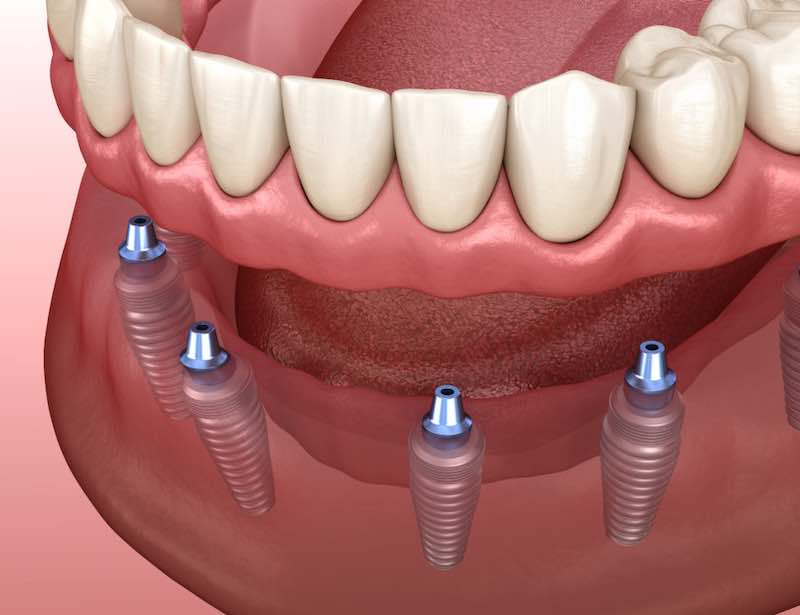
For those missing most or all of their teeth, full mouth implant solutions can be life-changing. Anchored dentures, also known as overdentures, use a small number of implants (typically two to four) to secure a removable denture. This provides significantly more stability than traditional dentures, eliminating slipping and improving chewing ability. For a permanent solution, full arch implants (like All-on-4®) use four or more implants to support a full, fixed bridge of teeth. This option offers the ultimate in stability and function, allowing you to eat, speak, and smile with complete confidence.
Alternatives to Dental Implants
While dental implants are often the ideal solution, they may not be the right choice for everyone. It’s always good to be aware of the alternatives so you can have a well-rounded discussion with your dentist about what’s best for your unique situation. Traditional options like dentures and bridges have been used for many years to replace missing teeth and can still be effective solutions depending on your health, budget, and personal preferences. Understanding the pros and cons of each can help you make a confident decision about your oral health.
Traditional Dentures
Traditional full or partial dentures are removable appliances that replace missing teeth. They are typically more affordable upfront than implants and don’t require surgery. However, they can sometimes feel bulky or slip while eating or speaking, which can be a source of discomfort and embarrassment. Over time, because they don’t stimulate the jawbone, you can experience bone loss, which may cause the fit of the denture to change. While they restore the appearance of a full smile, they don’t offer the same level of function or stability as implant-supported options.
Dental Bridges
A traditional dental bridge is a fixed restoration used to replace one or more missing teeth by “bridging” the gap. It consists of one or more prosthetic teeth held in place by crowns that are cemented onto the healthy teeth on either side of the space. Bridges are a reliable and aesthetically pleasing option, but their main drawback is that they require the alteration of healthy adjacent teeth to place the supporting crowns. This can make those teeth more vulnerable to future problems. Unlike implants, bridges also do not address the issue of bone loss in the jaw beneath the missing tooth.
Frequently Asked Questions
How long does the entire dental implant process take from start to finish? The timeline for a dental implant can vary quite a bit from person to person, typically ranging from three to nine months. The most important phase is osseointegration, where your jawbone fuses with the implant post. This healing period is what takes the most time, but it’s also what creates that incredibly strong foundation. Your specific treatment plan, including whether you need any preparatory procedures like a bone graft, will determine your exact schedule.
Is getting a dental implant painful? This is one of the most common concerns, and it’s completely understandable. Your comfort is a top priority during the procedure, and your surgeon will use local anesthesia to make sure the area is completely numb. Most people report feeling pressure but not pain during the placement. Afterward, it’s normal to have some soreness and swelling, but this is usually manageable with over-the-counter pain medication and is similar to what you might feel after other dental work.
What if I lost my tooth a long time ago? Can I still get an implant? Yes, it’s often possible to get an implant even if you lost your tooth years ago. The main consideration is the amount of jawbone you have left, as the bone can shrink over time without a tooth root to support it. If you’ve experienced some bone loss, a procedure called a bone graft can be done to rebuild the area, creating a solid foundation for the implant to be placed successfully.
How do I take care of my dental implant once it’s done? Caring for your implant is surprisingly straightforward because you treat it just like your natural teeth. There are no special creams or adhesives required. A consistent routine of brushing twice a day, flossing daily, and keeping up with your regular dental check-ups and cleanings is all it takes to keep your implant and the surrounding gums healthy for a lifetime.
Why is it better to see a specialist for my dental implant? While some general dentists place implants, a specialist has advanced training and performs these procedures routinely. This experience is invaluable for handling complex cases, ensuring precise placement, and minimizing risks. Specialists are experts in managing the surgical and healing phases, which gives you the best possible chance for a successful, long-lasting result.
Key Takeaways
- Preserve Your Jawbone and Healthy Teeth: Dental implants are the only solution that mimics a natural tooth root, which stimulates your jaw to prevent bone loss. Unlike bridges, they are a standalone fix that doesn’t require altering healthy neighboring teeth.
- Regain Natural Function and Confidence: Because an implant fuses directly with your bone, it becomes a stable and permanent part of your mouth. This allows you to eat, speak, and smile without the worry of slipping or discomfort that can come with other replacements.
- Invest in a Lifelong Solution: With proper care, the implant post itself is designed to last a lifetime. This durability makes it a reliable and often more cost-effective choice for your long-term health compared to options that require frequent replacement.
