




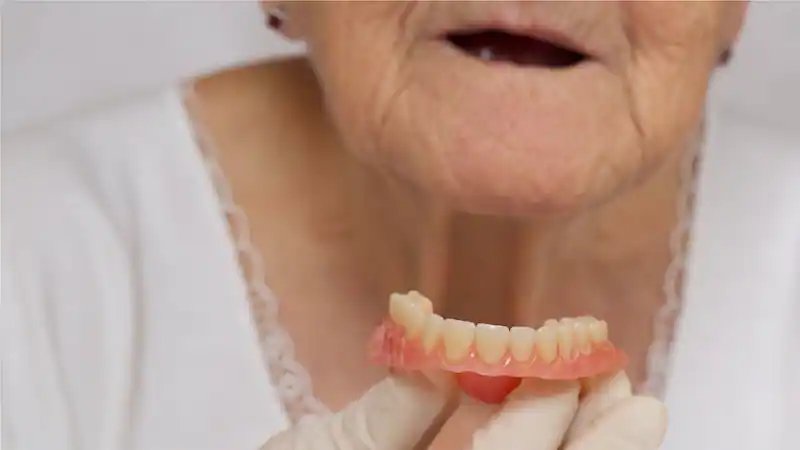
Your smile is about so much more than just teeth; it’s about enjoying your favorite meals, speaking clearly, and feeling confident in social situations. When tooth loss occurs, finding a solution that truly restores your quality of life is the ultimate goal. While dentures for seniors have long been a common fix, they often come with compromises that can affect daily living—from slipping while you talk to limiting your diet. This guide is for anyone who wants more than just a replacement. We’ll explore the realities of living with dentures and introduce advanced options designed to feel and function just like natural teeth.
Given that dentures have their own set of challenges, we do not suggest them as the top choice for tooth replacement. Therefore, what alternatives are available?
Are Dentures the Right Choice for Seniors?
An alternative way to phrase this question would be “Which tooth replacement option enables you to consume healthy protein and vegetables with the least amount of difficulties?” Not all responses are clear-cut. Several variables vary among individuals, and these must be taken into account when answering questions, particularly those pertaining to one’s health. This is especially true when dealing with elderly individuals. Therefore, it is critical to cover all bases while replacing their missing teeth with dentures. Simply assuming that dentures are acceptable without evaluating the advantages and disadvantages is not enough. Let us reiterate it once more: there is no definitive answer. Hence, we will equip you with the necessary knowledge to make a more informed choice. Let’s begin with the fundamentals. Dentures are prosthetic devices that are removable and crafted from a rigid plastic material. They are employed to replace missing teeth and can remain in place inside the mouth by resting on the gum and bone tissues. Additionally, there is a layer of saliva between the device and the gums that creates suction. Generally, the more significant the surface area the denture covers, the more suction it generates. 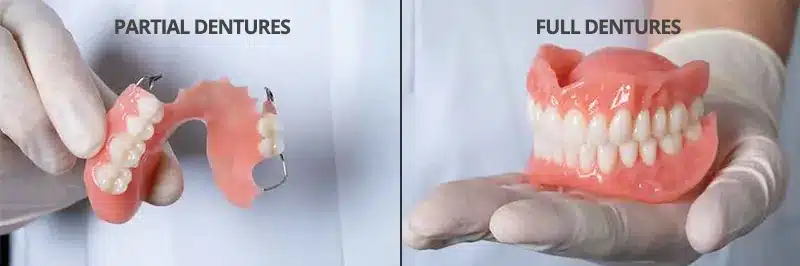
Why Tooth Replacement Becomes Necessary
Common Causes of Tooth Loss
It’s a part of life that our bodies change over time, and our teeth are no exception. After decades of chewing, crunching, and sipping on our favorite foods and drinks, teeth naturally wear down. Another major reason for tooth loss, especially as we get older, is gum disease. This condition becomes more common with age and can weaken the support structures for your teeth. Of course, other factors like unexpected injuries or severe decay can also lead to missing teeth. Whatever the cause, it’s a common issue that many people face, and understanding why it happens is the first step toward finding a solution that restores your smile and function.
Understanding the Statistics
If you’re dealing with tooth loss, you are far from alone. It might feel isolating, but the numbers show it’s a widespread experience. In fact, by the time they reach age 65, nearly one in five adults have lost all of their teeth. This statistic isn’t meant to be alarming; instead, it highlights just how common this health issue is. Because so many people go through this, dental professionals have developed excellent methods for tooth replacement over the years. The great news is that you have more effective and natural-looking dental solutions available to you now than ever before, ensuring you can find a path back to a healthy, confident smile.
The Positive Impact of Dentures
Restoring Facial Appearance and Confidence
Beyond just chewing, a full set of teeth plays a huge role in your appearance and how you feel about yourself. When teeth are missing, it can cause the lower part of your face to look sunken, which can age your appearance. Dentures help fill out your facial profile, restoring a more natural and youthful look. The impact on confidence is just as significant. Feeling good about your smile can change how you interact with the world, making it easier to laugh freely and speak with others. While older versions may have looked and felt artificial, modern dentures are designed to be much more comfortable and look incredibly natural, helping you regain the smile you remember. Seeing the transformations is often the most powerful proof.
Understanding the Different Types of Dentures
When you hear the word “dentures,” you might picture a single, specific thing. But there are actually several types, each designed for different situations. Understanding these options is the first step in figuring out what might work for you. The main goal is always to restore function and appearance, but the way each type achieves this can vary quite a bit. Some are fully removable and rest on your gums, while others use modern technology to anchor themselves in place for a more secure fit. Let’s look at the most common types you’ll encounter when discussing tooth replacement with your dentist.
Conventional Full and Partial Dentures
These are what most people think of as traditional dentures. A full denture is used to replace all the teeth in either your upper or lower jaw, and it sits directly on your gums. In some cases, these can be placed shortly after teeth are removed, but often your dentist will recommend waiting 8 to 12 weeks for your gums to fully heal. If you still have some healthy natural teeth, a partial denture might be the solution. This device typically uses a metal framework that attaches to your existing teeth, which helps hold the replacement teeth securely in place and prevents them from shifting around while you talk or eat.
Immediate Dentures
Immediate dentures offer a temporary solution that bridges the gap between tooth extraction and receiving your permanent dentures. As the name suggests, they are made in advance and placed in your mouth on the same day your teeth are removed. The primary benefit is that you don’t have to go without teeth while your gums are healing. However, because your gums and bone will change shape as they heal, immediate dentures will require adjustments over time to maintain a proper fit. They are a great short-term option but are eventually replaced by a more permanent solution once your mouth has fully healed.
Overdentures and Snap-In Dentures
For those seeking more stability than traditional dentures can offer, overdentures are an excellent modern alternative. These are removable dentures that snap onto dental implants, which are small titanium posts surgically placed in your jawbone. This connection provides incredible security, eliminating the slipping and shifting that can happen with conventional dentures. You get the confidence that comes with implants while still having the ability to remove the denture for easy cleaning. This option is a fantastic middle ground, offering a significant improvement in comfort, function, and peace of mind for daily life.
The Process of Getting Dentures
Getting dentures is a multi-step process that requires patience and collaboration with your dental team. It’s not a one-and-done appointment; it’s a journey toward restoring your smile. The process is carefully planned to ensure your new teeth are not only functional but also look natural and feel as comfortable as possible. From the initial measurements to the final adjustments, each stage is crucial for a successful outcome. Typically, you can expect to visit the dentist around four or five times from start to finish, as your custom appliance is crafted and perfected just for you.
From First Impression to Final Fitting
The journey begins when your dentist takes a precise mold, or impression, of your mouth. This impression is used to create a model, which serves as the blueprint for your new teeth. You’ll work with your dentist to select the ideal shape, size, and color for your teeth to ensure they complement your facial features and look natural. The model is then sent to a dental lab where skilled technicians create a wax version of the gums and set the resin teeth. This wax-up allows you to try it in and request any final adjustments before the permanent denture is fabricated, ensuring the final product meets your expectations.
Adjusting to Life with New Dentures
Once you receive your final dentures, there will be an adjustment period. It’s completely normal for them to feel a bit strange or bulky at first. Your mouth needs time to adapt to this new appliance. When you first start eating with them, it’s best to stick to soft foods and avoid anything particularly sharp, tough, or sticky. Cutting your food into smaller pieces can also make chewing much easier as you get used to the sensation. Over time, eating will become more natural, but it’s a gradual process that requires a little patience as your muscles and gums get accustomed to the change.
Learning to Eat and Speak Again
Beyond just eating, dentures play a significant role in restoring your facial structure and confidence. Tooth loss can cause cheeks to appear sunken, and dentures help fill out your face for a more youthful appearance. Speaking might also feel different initially, and practicing reading aloud can help you get used to forming words with your new teeth. Proper care is essential for the longevity of your dentures and your oral health. You should brush them at least once a day with a soft-bristled brush and a non-abrasive cleaner to prevent damage and remove food particles and plaque.
Upper Dentures: The Good and The Bad
The upper denture encompasses the entire roof of the mouth and, as a result, possesses a considerably larger surface area. This feature is beneficial for elderly individuals who often encounter fewer difficulties in keeping their upper dentures in place. However, although this may appear appealing, covering the entire upper palate with the denture can impair the ability to taste food. Furthermore, as the upper denture is not secured by anything, it increases the possibility of awkward moments similar to those seen on ABC’s Funniest Home Videos.
The Common Challenges of Lower Dentures
A well-fitted lower denture can provide an opposing force that permits one to chew food to some extent. Nevertheless, various studies have indicated that, on average, individuals with dentures have only one-fifth of their natural biting force, which can impose an unanticipated limitation on the types of food they can consume. Moreover, because the bottom jaw has less coverage, denture wearers typically experience more difficulties with the lower denture than the upper one. Even with a generous amount of denture adhesive, issues may still emerge.
What to Know Before Choosing Dentures
Your Daily Denture Care Routine
Maintaining dentures requires a daily commitment. They must be removed every night and meticulously cleaned. After removal, rinse them with warm or hot water, clean with a proper denture cleaner, and rinse again with cool water before storing them in cool water.
The Correct Way to Clean Your Dentures
Properly cleaning your dentures is a non-negotiable daily task. Think of it as your new oral hygiene routine. You’ll need to brush them at least once a day with a soft-bristled brush designed for dentures to avoid scratching the material. After meals, it’s a good idea to rinse them to remove any food particles. For the overnight soak, always use cool or lukewarm water, as hot water can actually warp the plastic and ruin the fit. If you use a denture cleaning solution, be sure to rinse the dentures thoroughly before placing them back in your mouth, as those chemicals are not meant to be ingested. This daily upkeep is essential for keeping your dentures fresh and functional.
Maintaining Oral Health Without Teeth
Even if you have a full set of dentures, your overall oral health still needs attention. It’s a common misconception that if you don’t have natural teeth, you can skip brushing your mouth. Your gums, tongue, and the roof of your mouth can still accumulate bacteria, which can lead to bad breath and infections. Gently brushing these areas with a soft toothbrush every morning before you put in your dentures and every night after you take them out is crucial. This stimulates circulation in your tissues and removes plaque, keeping your mouth healthy and creating a clean surface for your dentures to rest on. It’s a simple step that makes a big difference in your comfort and health.
Health Risks of Improper Wear
While it might seem easier to just leave your dentures in overnight, it’s a habit worth breaking. Your gums need time to rest and recover from the pressure of wearing dentures all day. More importantly, research has shown a connection between sleeping with dentures and an increased risk of pneumonia, particularly in older adults. This is because bacteria can build up on the dentures and be inhaled into the lungs during sleep. Consistently removing and cleaning them is the best way to protect your overall health. For those who find this daily routine cumbersome, it might be worth exploring more permanent solutions like dental implants, which function just like natural teeth.
Handle With Care: Why Dentures Break
Dentures can easily break or crack if dropped onto a hard surface or while eating hard food. Hence, it is crucial to handle them with steady hands while removing, cleaning, and inserting them, and to pay attention while eating harder foods.
Why Your Dentures Need Regular Check-ups
Dentures necessitate maintenance and follow-up appointments with a dental care provider. Continual speech issues or difficulty eating hard-to-chew foods are signs of a poor fit that cannot be ignored. Comfort should also be considered, and if meat is left on the lunch plate consistently, then a readjustment might be necessary.
How Long Do Dentures Last?
When you’re considering dentures, one of the most practical questions is about their longevity. Generally, you can expect a set of dentures to last between five and ten years. This lifespan isn’t set in stone, though; it depends heavily on a few key factors. The quality of the materials used, how diligently you follow your daily care routine, and the natural changes that occur in your mouth all play a role. Over time, your jawbone and gums will change shape, which can cause your dentures to become loose and less effective. Considering that a traditional set can represent a significant investment, understanding that they will likely need to be replaced within a decade is a crucial part of making an informed decision about your tooth replacement options.
The Hidden Risk: Dentures and Bone Loss
Dentures accelerate bone loss in the mouth, which is already a concern for the elderly. Atrophy of the bone occurs wherever natural teeth roots are absent. Denture wearers may have to undergo multiple refits due to this vicious cycle. There are various issues associated with dentures, and we do not consider them to be the optimal choice for replacing missing teeth. Thus, what alternative options are available?
The Financial Side of Dentures
Beyond the physical fit and daily maintenance, the financial investment is a major factor when considering dentures. Understanding the costs, what insurance might cover, and where to find assistance can make the decision-making process much clearer. It’s important to look at not just the initial price tag, but the long-term value and expenses associated with any tooth replacement option. Let’s break down what you can expect financially when exploring dentures as a solution for missing teeth.
Estimated Costs for Dentures
The cost of dentures can vary quite a bit based on the materials used and the specific type you need. Generally, you can expect traditional, removable full dentures to cost anywhere from $1,600 to $3,000 for either an upper or lower set. This initial price typically covers the creation and fitting of the prosthetic. However, it’s important to remember that this isn’t always a one-time expense. Over the years, you may have additional costs for relining, repairs, or even complete replacements as the shape of your jaw changes. This is a key difference when comparing them to more permanent solutions.
Are Dentures a More Affordable Option?
At first glance, dentures often appear to be the most budget-friendly choice for replacing a full set of teeth, especially when compared to the upfront cost of dental implants. This initial affordability is a significant reason why many people choose them. However, it’s wise to consider the total cost over a lifetime. Because dentures don’t stimulate the jawbone, the bone will continue to shrink, requiring denture adjustments and eventual replacements. When you factor in the recurring costs of adhesives, cleaning solutions, and new sets every five to ten years, the long-term expense can add up. Exploring different financing and insurance options can often make a more permanent, stable solution more accessible than you might think.
Navigating Insurance Coverage for Dentures
Dental insurance can certainly help offset the cost of dentures, but coverage is rarely 100%. Most insurance plans classify dentures as a “major” procedure, and they might cover a percentage of the cost, typically around 50%, after you’ve met your deductible. Every plan is different, so your first step should be to review your policy documents or call your provider to ask specifically about coverage for prosthodontics. Be sure to ask about your annual maximum, as this is the total amount your plan will pay for dental care in a benefit year. Our team is always happy to help you understand and maximize your benefits.
Medicare and Denture Coverage
This is a critical point for many seniors: Original Medicare (Part A and Part B) does not cover most dental care, including dentures. According to official guidelines, it won’t pay for routine exams, cleanings, or tooth replacements. Some Medicare Advantage Plans (Part C), which are offered by private companies, may include dental benefits as part of their package. If you have a Medicare Advantage Plan, you’ll need to check your specific plan’s summary of benefits to see if dentures are covered and what your out-of-pocket costs would be.
Financial Assistance and Low-Cost Programs
If you don’t have dental insurance or your coverage is limited, the cost of dentures can feel like a significant hurdle. The good news is that several programs and organizations exist to help make dental care more affordable. These resources are often aimed at helping specific populations, such as low-income adults, seniors, or individuals with disabilities, gain access to the dental work they need to restore their health and confidence. Finding these programs may require a bit of research, but the support they provide can be invaluable.
Community and Non-Profit Resources
A great place to start your search for assistance is with your local health department. They can often provide information on community dental clinics or non-profit organizations in your area that offer services on a sliding fee scale based on your income. Additionally, dental schools can be an excellent resource for high-quality, lower-cost care. There, dental students perform procedures under the close supervision of experienced, licensed dentists. According to various resource guides, these institutions can make essential treatments like dentures much more attainable.
Denture Replacement Options for Seniors
Let’s explore some options.
What About Partial Dentures?
Unlike full dentures, partial dentures are designed to replace only a few missing teeth and are anchored to healthy adjacent teeth. However, they still require nightly removal and cleaning, and carry the same concerns as full dentures.
Could a Fixed Bridge Be Your Solution?
A bridge can replace one or more adjacent teeth, but requires the teeth on either side to be filed down for crowns. The false teeth are then attached to the crowns, or can be held in place by an implant. However, if the supporting teeth become unhealthy, the bridge may fail.
Dental Implants: A Permanent Solution
Implants are a more durable and long-lasting option, requiring surgery to anchor a post into the jawbone. This mimics the tooth root and prevents bone loss, allowing for normal eating and minimal maintenance. Implants can be partial or full and tend to last a lifetime. Dental & Implant Centers Of Colorado offers a unique solution for tooth replacement. Unlike standard implants, our implants provide patients with a new permanent set of teeth anchored to dental implants within just 24 hours, eliminating the need for temporary acrylic teeth. These teeth are fixed in and do not come out unless seen by a dental implant provider. This is particularly beneficial for elderly patients who are good candidates as they can walk in on a Tuesday and walk out on Wednesday with a fully functioning, healthy smile that allows them to eat real food. 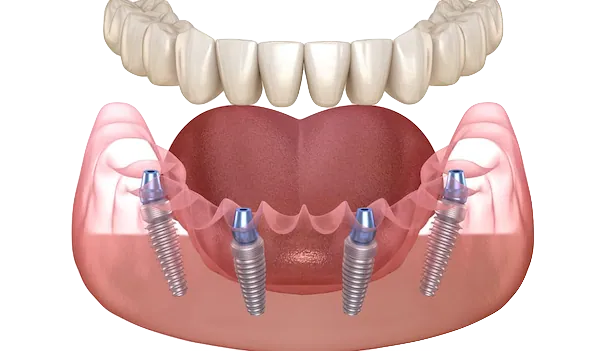
Find the Best Tooth Replacement for You
As an elderly patient, there are risks associated with dentures. However, Dental & Implant Centers Of Colorado offers a permanent solution that eliminates these problems. We believe that everyone deserves to smile and eat their favorite foods without worry or pain. If you’re considering teeth replacement options, our team is here to help. We can provide you with education and guidance to find the best path forward. Contact us today to schedule a free consultation.
Frequently Asked Questions
Why should I consider dental implants instead of traditional dentures? The biggest difference comes down to stability and long-term health. Dental implants are anchored directly into your jawbone, which prevents the bone loss that naturally occurs when teeth are missing. This means they won’t slip or shift while you’re talking or eating. This security allows you to enjoy all your favorite foods without worry and care for your new teeth just by brushing and flossing, offering a solution that truly feels and functions like the real thing.
Will dentures ever feel completely natural? There is always an adjustment period when you first get dentures, and your mouth will need time to adapt. While modern dentures are crafted to be comfortable and look natural, they are a removable appliance that rests on your gums. Because they aren’t secured in your jawbone, they won’t provide the same biting force or sensation as your original teeth. Many people adapt well, but they will always feel different from natural teeth or a permanent solution like implants.
Are dentures really the most affordable choice in the long run? While the initial price for traditional dentures is often lower than for implants, it’s important to think about the total cost over your lifetime. Dentures typically need to be replaced every five to ten years as your jaw changes shape. You’ll also have recurring expenses for adhesives, cleaning solutions, and professional adjustments. Dental implants are a larger investment upfront, but since they are designed to last a lifetime with proper care, they can be the more predictable and valuable financial choice over time.
Am I too old to be a good candidate for dental implants? Your age is not the most important factor when determining if you’re a good candidate for dental implants; your overall health is. Many people in their 70s, 80s, and even 90s successfully receive dental implants and enjoy a significantly improved quality of life. A thorough consultation with a dental professional will determine if implants are a safe and effective option for your specific health situation.
What is the biggest difference in daily care between dentures and implants? The daily routine is quite different. Dentures require a specific care regimen that involves removing them every night for a thorough cleaning and soaking. You also need to clean your gums and mouth separately. In contrast, a permanent solution like implant-supported teeth is much simpler. You care for them exactly as you would natural teeth—with regular brushing and flossing, no removal or special soaking required.
Key Takeaways
- Weigh the daily realities of dentures: While they can restore your smile, traditional dentures require a strict daily cleaning routine, can limit your diet, and don’t prevent the jawbone loss that causes their fit to change over time.
- Look beyond the initial price tag: Dentures may seem like the most affordable choice upfront, but consider the long-term expenses of adhesives, cleaning solutions, repairs, and eventual replacements, which can add up significantly.
- Explore implant-based options for a permanent solution: Dental implants function like natural teeth by preserving your jawbone, restoring full chewing power, and eliminating the daily instability and maintenance that come with removable dentures.
