




Enjoying a crisp apple, laughing out loud with friends, or speaking confidently in a meeting—these are the simple moments that make up a full life. For many denture wearers, however, these moments can be filled with hesitation and worry. The fear of dentures slipping or clicking can hold you back from truly being yourself. If this sounds familiar, you’re probably looking for a solution that offers more freedom and stability. The key question to ask is, what are the benefits of switching from dentures to implants in Denver, CO? This guide will walk you through how implants can restore not just your smile, but also your ability to eat, speak, and socialize with complete, unwavering confidence.
Do you have numerous missing teeth and don’t know how to fix them? Well, you can always benefit from implant-supported dentures. Dental implants have helped thousands of patients around the world restore their perfect smile. While earlier dentists used to suggest traditional dental restoration methods, they came with a lot of drawbacks. As the field of dentistry evolved, dental implants were introduced, offering a superior alternative to traditional dentures. Dental implants in Denver can provide several benefits, like proper oral function, durability, and longevity. While conventional dentures require minor adjustments as the jaw form changes, advanced implant-supported dentures, being removable and cleanable, are easier for users. They are dentures supported and held in place by the implants placed in the jawbone. In this blog, we will take a look at the benefits that they have to offer, compared to the ordinary ones:
What Exactly Are Dental Implants?
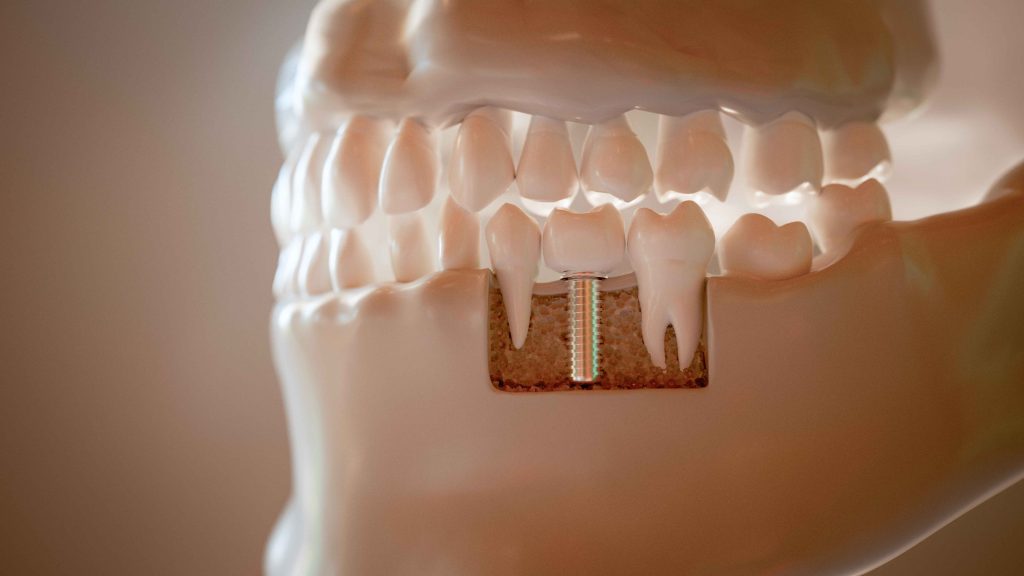
If you’re exploring ways to replace a missing tooth, you’ve likely heard about dental implants. But what are they, really? Think of a dental implant as a new, artificial tooth root. It’s a small, screw-like post, typically made of titanium, that a dental specialist surgically places into your jawbone. This post acts as a sturdy anchor for a replacement tooth. Over a few months, a fascinating process called osseointegration occurs, where your natural bone fuses with the implant, creating an incredibly strong and stable foundation. Once this bond is solid, a custom-made crown, bridge, or denture can be attached, giving you a replacement that looks, feels, and functions just like a natural tooth.
This modern approach is a permanent solution that goes far beyond just filling a gap in your smile. Unlike other options that may sit on the gums or rely on neighboring teeth for support, dental implants become a part of your jaw. This integration is key to their success and longevity, offering a durable and reliable fix for missing teeth. With an impressive success rate of around 95-98%, they are a trusted and effective treatment for restoring both your smile and your confidence. The result is a seamless replacement that allows you to eat, speak, and laugh without a second thought.
The Anatomy of an Implant: Root and Crown
A complete dental implant has three main parts that work together to mimic a natural tooth. First is the implant itself—the titanium post that is placed in your jawbone and serves as the artificial root. The second part is the abutment, which is a small connector piece that attaches to the top of the implant post, sitting just above the gum line. The abutment acts as the bridge between the implant root and your new tooth. Finally, there’s the restoration, which is the visible part of the tooth. This could be a single crown, a dental bridge for multiple teeth, or even a full denture, all custom-crafted to match the color and shape of your surrounding teeth for a natural look.
Titanium: A Biocompatible Material
The secret to the high success rate of dental implants lies in the material: titanium. This metal is uniquely biocompatible, meaning your body accepts it without causing an allergic reaction or rejection. When the titanium post is placed, your jawbone naturally grows around and fuses to it, creating that rock-solid connection. This process not only secures the implant but also makes it incredibly durable. Another fantastic benefit of titanium is that it’s immune to decay. While you still need to maintain good oral hygiene to keep your gums healthy, you’ll never have to worry about your implant getting a cavity.
A Cavity-Proof Solution for a Healthy Mouth
One of the most significant long-term advantages of dental implants is their resistance to cavities. Since the implant and crown are made from artificial materials like titanium and porcelain, they cannot decay like natural teeth. This makes them a wonderfully low-maintenance and durable solution for tooth replacement. However, it’s important to remember that “cavity-proof” doesn’t mean “maintenance-free.” The health of your surrounding gums is crucial for the implant’s longevity. Regular brushing, flossing, and professional cleanings are still essential to prevent gum disease, which can compromise the bone supporting the implant. By caring for your gums, you ensure your implant remains a healthy, permanent part of your smile.
The Hidden Costs of a Missing Tooth
Losing a tooth is more than just an aesthetic issue; it sets off a chain reaction that can affect your entire mouth and even your facial structure. When a tooth is gone, the teeth next to the gap often start to drift into the empty space. This shifting can throw your bite out of alignment, making it harder to chew properly and leading to uneven wear on your other teeth. It can also create new, hard-to-clean spaces where food particles and plaque can accumulate, increasing your risk for cavities and gum disease. Over time, these changes in your bite can strain your jaw muscles, potentially causing chronic pain or TMJ disorders.
Shifting Teeth and Bite Problems
Think of your teeth as a team of supportive neighbors. When one moves out, the others tend to lean in to fill the void. A missing tooth leaves a gap that your other teeth will naturally try to close. This movement can cause a cascade of alignment issues, turning a once-straight smile crooked. As your bite changes, you might find yourself chewing differently, which can put stress on your jaw joint. This can lead to headaches, facial pain, and difficulty opening and closing your mouth. Addressing a missing tooth promptly with a solution like a dental implant prevents this domino effect, keeping your bite stable and your smile healthy.
Jawbone Loss and Facial Changes
Your jawbone needs stimulation from your tooth roots to maintain its density and shape. When you lose a tooth, the bone in that area no longer receives this stimulation and begins to deteriorate, a process called resorption. This bone loss can weaken the support for surrounding teeth and, over time, alter the shape of your face. As the jawbone shrinks, it can lead to a sunken-in look around the mouth and chin, making you appear older than you are. Dental implants are the only tooth replacement option that replaces the tooth root, providing the necessary stimulation to preserve your jawbone and maintain your natural facial contours.
How Implants Compare to Other Tooth Replacement Options
When you’re missing a tooth, you have several replacement options, but they aren’t all created equal. Traditional methods like dentures and bridges have been used for decades, but dental implants offer a modern solution with distinct advantages in terms of function, comfort, and long-term oral health. While dentures rest on the gums and bridges rely on adjacent teeth for support, implants are anchored directly into the jawbone, creating a stable and self-sufficient replacement. Understanding the key differences can help you make an informed decision about which of the dental services is the best fit for your lifestyle and health goals.
Traditional Dentures vs. Implants
Traditional dentures are removable appliances that rest on your gums, often held in place with a dental adhesive. While they are a non-invasive and often more affordable initial option, they come with drawbacks. Dentures can slip or click while you’re eating or talking, which can be uncomfortable and embarrassing. They also don’t stimulate the jawbone, leading to the bone loss we discussed earlier. In contrast, implants are a fixed, permanent solution. Because they are fused with your jawbone, they won’t move or slip, allowing you to eat, speak, and smile with complete confidence. They feel and function just like your natural teeth.
Restoring Chewing Power
One of the biggest complaints from denture-wearers is a significant loss of chewing power. Because dentures rest on the gums, they can’t provide the same biting force as natural teeth, forcing many people to give up their favorite foods like steak, nuts, or crunchy apples. Dental implants, however, restore nearly 100% of your natural chewing ability. Since they are anchored securely in your jaw, you can enjoy all the foods you love without worry or hesitation. This not only improves your quality of life but also allows for a more varied and nutritious diet.
Comfort and Stability
Comfort is another area where implants shine. Traditional dentures can cause sore spots on the gums from rubbing and pressure. They also require messy adhesives to stay in place and must be removed for cleaning. Implants eliminate all of these inconveniences. Since they are a permanent part of your mouth, they feel completely natural—no rubbing, no slipping, and no special cleaning routines beyond regular brushing and flossing. You can simply forget they’re even there and go about your day with a stable, comfortable, and confident smile.
Dental Bridges vs. Implants
A dental bridge is another common way to replace one or more missing teeth. It literally “bridges” the gap by using the teeth on either side of the space as anchors for a false tooth, or pontic. To place a bridge, the dentist must grind down the adjacent healthy teeth to fit them with crowns, which then hold the bridge in place. While effective at filling a gap, this process permanently alters healthy tooth structure. An implant, on the other hand, is a standalone solution that doesn’t involve or damage any of your other teeth, making it a more conservative and health-focused approach.
Preserving Healthy Adjacent Teeth
The primary advantage of an implant over a bridge is the preservation of your healthy teeth. A bridge requires sacrificing the enamel of two perfectly good teeth to act as supports. This can weaken them and make them more susceptible to decay or other problems down the road. Because a dental implant is placed directly into the jawbone without touching the neighboring teeth, it protects your overall oral health. It’s a solution that solves the problem of the missing tooth without creating potential new problems for the healthy ones around it.
Removable Partial Dentures vs. Implants
A removable partial denture is often used when several teeth are missing in one area. It typically consists of replacement teeth attached to a gum-colored plastic base, sometimes connected by a metal framework that holds the denture in place. Like full dentures, partials can be unstable, affect your speech, and make eating certain foods difficult. They also need to be removed for cleaning. Implants offer a far more stable and permanent solution. Instead of a removable appliance, implant-supported bridges or crowns can be used to restore multiple missing teeth, providing a fixed solution that feels and functions like your natural smile.
Versatile Solutions with Dental Implants
One of the greatest strengths of dental implants is their incredible versatility. They aren’t a one-size-fits-all solution; rather, they can be tailored to address a wide range of tooth loss scenarios. Whether you’re missing a single tooth from an injury, several teeth in a row, or even all of your teeth in an entire arch, there is an implant-based solution that can restore your smile. This flexibility allows dentists to create a personalized treatment plan that meets your specific needs, providing a durable, functional, and beautiful outcome. The results can be truly life-changing, as you can see in our patients’ before and after photos.
Replacing a Single Missing Tooth
If you’re missing just one tooth, a single dental implant is the gold standard for replacement. The process involves placing one implant post into the jawbone and topping it with a custom-made dental crown. This standalone solution is ideal because it doesn’t require altering the adjacent healthy teeth, as a traditional bridge would. The final result blends seamlessly with your natural teeth in color, shape, and function. You can brush and floss it just like the rest of your teeth, making it a simple, durable, and aesthetically pleasing way to restore your complete smile.
Supporting a Dental Bridge for Multiple Teeth
When you have several missing teeth in a row, an implant-supported bridge is an excellent option. Instead of using your natural teeth as anchors, two or more implants are placed in the jawbone to support a custom bridge. This approach provides outstanding stability and function without having to grind down healthy teeth. It also helps preserve the jawbone in the area of the missing teeth, preventing bone loss. An implant-supported bridge offers a fixed, reliable solution that restores your ability to chew properly and gives you a full, confident smile without the hassle of a removable partial denture.
Full Arch Restorations
For individuals missing all or most of their teeth in the upper or lower jaw, full arch restorations with dental implants can be transformative. This treatment, often referred to as anchored dentures or full mouth implants, uses a strategic number of implants (typically four to six) to secure a full, permanent denture. This provides the stability and function of natural teeth, eliminating the slipping, discomfort, and dietary restrictions associated with traditional dentures. Patients can once again eat their favorite foods, speak clearly, and smile with confidence, dramatically improving their overall quality of life.
The Dental Implant Journey: Process and Candidacy
Deciding to get dental implants is a big step, and it’s natural to have questions about the process. The journey to a new smile is a collaborative one between you and your dental team. It begins with determining if you are a good candidate and creating a personalized treatment plan tailored to your unique situation. The process is meticulous and phased to ensure the best possible outcome, from the initial consultation all the way through to the placement of your final restoration. Understanding each step can help you feel more prepared and confident as you move forward with restoring your smile.
Are You a Good Candidate for Dental Implants?
Most people who are healthy enough for a routine dental procedure, like an extraction, are also good candidates for dental implants. However, there are a few key factors that your dentist will evaluate. Ideal candidates have healthy gums and sufficient jawbone density to support the implant. Chronic illnesses like diabetes or heart disease, as well as smoking, may affect healing and will need to be discussed with your dentist. A thorough evaluation with the experienced team at Dental & Implant Centers of Colorado will determine if implants are the right choice for you.
The Importance of Jawbone Health
Sufficient jawbone is the cornerstone of a successful dental implant. The bone needs to be dense and wide enough to securely anchor the implant post. If you’ve been missing a tooth for a while, you may have experienced some bone loss in that area. During your consultation, your dentist will use advanced imaging to assess the quantity and quality of your jawbone. If your bone isn’t sufficient, don’t worry—it doesn’t automatically disqualify you. There are procedures available to rebuild the bone and create a solid foundation for your future implant.
Evaluating Your Overall Health
Your overall health plays a significant role in your candidacy for dental implants. Because the procedure involves surgery and a healing period, it’s important that your body is able to handle it. Uncontrolled chronic conditions, such as diabetes, can impair healing and increase the risk of implant failure. Similarly, heavy smoking can restrict blood flow to the gums, slowing down the healing process. Being open and honest about your medical history and lifestyle habits will allow your dental team to create the safest and most effective treatment plan for you.
The Implant Process from Start to Finish
The dental implant process is typically completed in several phases over a few months. It starts with a comprehensive consultation, followed by the implant placement surgery. After the surgery, there is a healing period of several months to allow the implant to fuse with your jawbone. Once osseointegration is complete, the abutment is attached, and finally, your custom-made crown, bridge, or denture is secured in place. While it requires patience, this carefully phased approach is what ensures the long-term stability and success of your new tooth.
Initial Consultation and 3D Imaging
Your journey begins with an in-depth consultation. During this visit, your dentist will conduct a thorough examination of your mouth, review your medical history, and take advanced 3D images, like a cone-beam computed tomography (CBCT) scan. This detailed imaging allows the team to get a precise view of your jawbone, nerve pathways, and surrounding structures. It is essential for accurately planning the implant placement, ensuring the procedure is as safe, predictable, and successful as possible. This is also your opportunity to ask questions and discuss your goals for your new smile.
Solutions for Insufficient Bone: Grafting and Sinus Lifts
If your 3D scan reveals that you don’t have enough bone to support an implant, there are effective solutions available. A bone graft is a procedure where bone material (either from your own body, a donor, or a synthetic source) is added to your jaw to build it up. For implants in the upper back jaw, a sinus lift may be necessary. This procedure involves lifting the sinus membrane and placing a bone graft underneath to create enough height for the implant. These techniques have made it possible for many more people to become successful candidates for dental implants.
Understanding the Healing Timeline
Patience is key during the dental implant process. After the implant post is placed, it needs time to heal and integrate with your jawbone. This osseointegration process typically takes anywhere from three to six months. The exact timeline depends on several factors, including your body’s healing capacity and the location of the implant. During this time, you may be fitted with a temporary restoration. While it might seem like a long wait, this healing period is the most critical phase for ensuring your implant has a strong, stable foundation that will last for decades.
Potential Risks and How We Mitigate Them
Like any surgical procedure, dental implant placement carries some potential risks, such as infection, injury to surrounding structures, or nerve damage. However, with a success rate of over 95%, these complications are rare, especially when the procedure is performed by an experienced specialist. At Dental & Implant Centers of Colorado, we mitigate these risks through meticulous planning using 3D imaging, employing sterile surgical techniques, and providing clear post-operative care instructions. We monitor your healing closely to catch and address any potential issues early, ensuring your treatment is as safe and smooth as possible.
Managing Expectations and Anxiety
It’s completely normal to feel anxious about dental surgery. We want you to feel comfortable and confident throughout your treatment. We take the time to explain every step of the process, so you know exactly what to expect. We also discuss sedation options to help you relax during the procedure. It’s also important to have realistic expectations about the timeline and outcome. While the process takes time, the result is a permanent, natural-feeling tooth. We also offer various financing and insurance options to help make this life-changing treatment accessible and manageable for your budget.
Natural Look and Feel
Dental implants Denver give your smile that appearance and functionality that you get with natural teeth. Unlike traditional dentures that tend to look artificial, the implants blend seamlessly with your existing teeth, giving you that natural and authentic look that you cannot even tell them apart from your natural teeth. Additionally, they are comfortable and offer the familiar experience of your real teeth, in terms of both feel and function.
Durability and Longevity
Dental implants are known for their longevity and robustness. While the traditional dentures often require readjustment and replacement over time, the implants are designed to last long and can guarantee the same finish for years. With proper care, they often last a lifetime. This longevity makes the dental implants a reliable and affordable solution for people seeking permanent tooth replacement.
A Long-Lasting Investment in Your Health
Choosing a tooth replacement option is a big decision, and it’s helpful to think of it as an investment in your long-term health and quality of life. While options like traditional dentures might seem less expensive upfront, they often need adjustments and replacements over the years. Dental implants, on the other hand, are designed for permanence. Because they are fused directly to your jawbone, they provide a stable and robust foundation that, with the right care, can last a lifetime. This makes them a truly reliable and often more cost-effective solution over time, giving you a permanent fix that lets you eat, speak, and smile with total confidence for years to come.
Comparing Lifespans: Implants, Bridges, and Dentures
When you look at the numbers, the durability of dental implants becomes even clearer. While every patient is different, typical lifespans for common tooth replacement options vary significantly. Dentures generally last between five to 10 years before they need to be replaced. A dental bridge might last a bit longer, typically from five to 15 years. Dental implants stand out with a lifespan that can reach 25 years or even a lifetime. This remarkable longevity means you spend less time and money on future dental work and more time simply enjoying your healthy, functional smile without worry.
Success Rates of Over 95%
It’s completely normal to want assurance that a procedure will be successful, and dental implants have an outstanding track record. Studies show that when placed by a skilled professional, dental implants have a success rate of over 95%. This high rate of success is a testament to the precision and predictability of the treatment. Of course, the outcome depends heavily on the expertise of the dental team performing the procedure. Choosing an experienced team, like the specialists you can meet at Dental & Implant Centers of Colorado, ensures your implant is placed correctly, setting you up for a successful and lasting result.
Caring for Your Dental Implants
One of the best things about dental implants is that they don’t require a complicated or specialized maintenance routine. You can essentially care for them just as you would your natural teeth. While the implant itself can’t get a cavity, the health of your gums around it is crucial for its long-term success. A consistent daily hygiene routine is all it takes to keep your implant and the surrounding tissue healthy. This means you won’t need any special adhesives, soaking solutions, or extra steps—just the simple, familiar habits of brushing and flossing that are already part of a healthy lifestyle.
Daily Hygiene and Professional Cleanings
To ensure your implant lasts a lifetime, stick to a simple but effective care plan. Brush your teeth twice a day and be sure to floss daily, paying special attention to the area around the implant to keep your gums healthy. Many people find a water flosser is a great tool for cleaning around an implant. Just as important as your at-home care are your regular professional cleanings and check-ups. These dental services allow your dentist to monitor the implant and the health of your gums, catching any potential issues before they become problems. Maintaining these simple habits is the key to protecting your investment and enjoying your beautiful smile for decades.
Preservation of Jawbone Structure
The best dental implants in Denver are not only considered an effective solution for tooth replacement for their longevity, but also for their ability to preserve your jawbone structure. When you lose a tooth, the underlying bone is likely to undergo some deterioration over time. Dental implants can help you counteract this damage by seamlessly integrating with the jawbone. Additionally, it helps provide stimulation that prevents bone loss, which is mainly associated with ordinary dentures. By ensuring optimal maintenance of your facial aesthetics, you also enhance your overall oral health.
Improved Speech and Eating Abilities
You will also experience enhanced speech clarity and eating abilities with the best dental implants in Denver. Unlike traditional dentures, which are prone to slipping or clicking during speech, the dental implants remain securely anchored to your jawbone, leading to increased confidence during your speech. Moreover, the stability that dental implants offer provides a more natural and efficient chewing process, eliminating uncomfortable restrictions on the types of food you can eat.
Long-term cost-effectiveness
It is normal to feel that dental implants are too costly compared to traditional dentures. However, their long-term effectiveness and value outweigh the initial investment. With conventional dentures frequently requiring periodic relining, adjustments, or complete replacement due to the change in jaw structure and worn-out material, the recurring cost of replacement and maintenance can add up significantly. On the other hand, implant-supported dentures can be a long-term solution that requires proper care and routine dental maintenance. They are durable and can last a lifetime, making your investment cost-effective in the long run.
Financing Your Dental Implants
While the long-term benefits of dental implants are clear, the initial investment is an important consideration. It’s helpful to think of implants not just as a dental procedure, but as a lasting investment in your health, confidence, and quality of life. The good news is that there are several ways to make this transformative treatment fit into your budget. Understanding your financial options is the first step toward restoring your smile without financial stress. At Dental & Implant Centers of Colorado, we believe that quality dental care should be accessible, and we’re committed to helping you find a solution that works for you.
Exploring Payment and Insurance Options at DICC
Many people are surprised to find that their dental insurance may cover a portion of their dental implant procedure. Depending on your specific plan, coverage can vary, but it’s always worth investigating. The world of insurance benefits can be complex, which is why our team is here to help you make sense of your policy and maximize your coverage. We can file claims on your behalf and provide you with a clear estimate of any out-of-pocket costs before treatment begins. Exploring your financing and insurance options with our knowledgeable staff can give you the clarity you need to move forward with confidence.
Beyond insurance, we offer several other ways to manage the cost of your care. Many of our patients take advantage of flexible payment plans, which break down the total cost into manageable monthly payments. You can also use funds from a Health Savings Account (HSA) or Flexible Spending Account (FSA) to pay for your dental implants with pre-tax dollars. For additional flexibility, we partner with third-party financing companies like CareCredit and LendingClub, which offer specialized healthcare loans. Our goal is to work with you to create a financial plan that makes your new smile a reality.
Enhanced Confidence and Self-Esteem
Dental implants can restore your complete, functional smile, which helps boost your confidence and self-esteem. While loose or ill-fitted dentures can impair your speaking ability, leading to slurred words or distracting clicking sounds during conversation, implants offer enhanced confidence, eliminating any form of embarrassment in social settings. When you have those implants, you will not have to worry about them slipping or clicking during communications. This further improves your overall oral health, enabling you to socialize, speak, and smile with confidence in any situation. Conclusion If you want to say goodbye to impaired speech or slurred words during conversations, you must say hello to dental implants. They not only improve your smile but can also genuinely enhance your overall dental health. So, if you’re considering tooth replacement options, go for dental implants, which are affordable and come with a natural appearance and enhanced functionality.
Frequently Asked Questions
How long does the entire dental implant process take from start to finish? The journey to a new implant is a phased process that typically spans several months. It’s not a one-day fix because the most important step is giving your body time to heal. After your initial consultation and the implant placement surgery, we wait for the magic of osseointegration to happen—that’s when your jawbone fuses with the titanium post. This healing period can take anywhere from three to six months, but it’s what creates that incredibly strong foundation. Once that bond is solid, we can move on to placing the final crown.
Will getting a dental implant be painful? It’s completely understandable to worry about discomfort. The implant placement itself is a surgical procedure, but it’s performed with effective local anesthesia, so you won’t feel pain during the appointment. Afterward, it’s normal to experience some soreness and swelling, much like you would with other dental work. Most people find that any discomfort is easily managed with over-the-counter pain relievers and subsides within a few days. We’ll give you detailed after-care instructions to ensure your recovery is as smooth and comfortable as possible.
What if I’ve been told I don’t have enough jawbone for an implant? This is a common concern, especially if you’ve been missing a tooth for a long time, but it doesn’t automatically rule you out. Modern dentistry offers amazing solutions to rebuild and strengthen your jaw. Procedures like bone grafting can add volume and density right where it’s needed, creating a solid and stable foundation for an implant. During your consultation, we use 3D imaging to get a clear picture of your bone structure and determine if a preparatory step like a bone graft is the right path for you.
How do I care for my new dental implant? One of the best parts about a dental implant is how simple it is to maintain. You can essentially care for it just like you do your natural teeth. There are no special soaking solutions or messy adhesives required. A consistent routine of twice-daily brushing, daily flossing, and attending your regular professional cleanings is all it takes to keep the implant and the surrounding gums healthy. This straightforward care is key to ensuring your implant lasts for decades to come.
Are dental implants worth the investment compared to cheaper options like dentures? While implants have a higher initial cost, it’s helpful to see them as a long-term investment in your health and quality of life. Dentures and bridges often need to be adjusted or completely replaced every 5 to 15 years, and those costs add up over time. Dental implants, on the other hand, are designed to be a permanent solution that can last a lifetime with proper care. They also protect your health by preventing jawbone loss and keeping adjacent teeth from shifting, saving you from more complex and costly issues down the road.
Key Takeaways
- Protect Your Jawbone and Facial Structure: Dental implants are the only tooth replacement option that fuses with your jaw, acting like a natural root. This process prevents the bone loss that can alter your face shape and cause surrounding teeth to shift.
- Regain Full Chewing Power and Confidence: Implants restore nearly all of your natural chewing ability, so you can enjoy your favorite foods without hesitation. Since they are permanently fixed, you can speak and smile freely, without the slipping or discomfort common with removable dentures.
- Choose a Solution That’s Built to Last: While dentures and bridges often need replacement, dental implants are designed for permanence and can last a lifetime with proper care. This durability makes them a reliable and often more cost-effective investment in your long-term health.
