




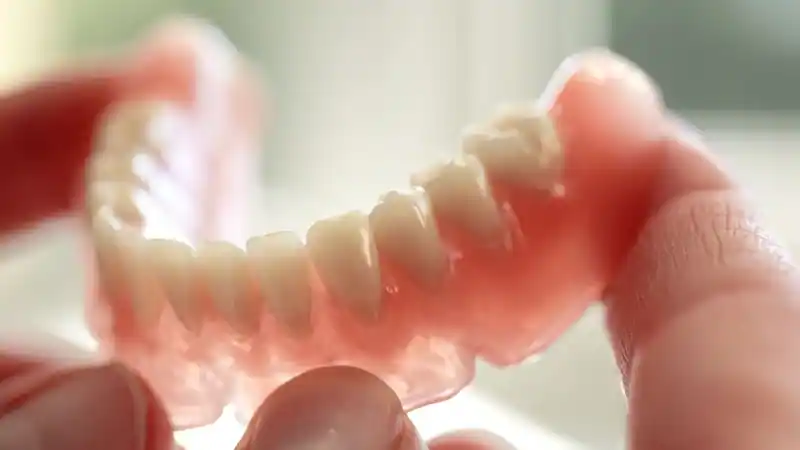
You can get dentures to replace your missing lower teeth—many people do. But it’s a choice with consequences that are rarely discussed upfront. The truth is, bottom dentures are notoriously unstable. They rest on a small ridge of gum tissue and are constantly being dislodged by your tongue and cheek muscles. This leads to a frustrating cycle of using messy adhesives and still worrying about your teeth slipping out of place. More importantly, this solution does nothing to stop the jawbone loss that occurs after teeth are removed. Before you commit, it’s vital to understand the full picture and learn about alternatives that offer true stability and long-term health benefits.
Certainly! Replacing your lower teeth with dentures is a viable option. While we do not endorse it as a good idea, we acknowledge its possibility. It is important to note that choices have consequences, which can often lead to unpleasant life lessons. Opting for dentures for your lower teeth is not an exception and may have consequences that must be considered.
Getting Bottom Dentures Only: Is It a Good Idea?
Indeed, it is possible to get dentures to replace your lower teeth, as we have seen with many people before. While we do not necessarily endorse this option, it is still a possibility to consider. It’s important to remember that our choices have consequences, and some consequences can be harsher than others. Getting dentures for your lower teeth, for example, can lead to various consequences. Firstly, if you opt for dentures, you will lose all of your natural lower teeth, which can be problematic. We do not suggest keeping only a few natural teeth to function. However, it is important to consider the effects of removing all lower teeth and replacing them with dentures. One significant impact is on your jawbone. The roots of your natural teeth are connected to the jawbone, and when you chew, the pressure from the chewing is transmitted through the roots to the jawbone, stimulating the bone cells to regenerate. As a result, the physical act of chewing with natural teeth can strengthen the jawbone and promote its health. However, if you are missing your natural teeth, it can lead to several problems. Without the pressure from the roots, the bone cells are no longer stimulated, leading to a process called resorption. Resorption occurs when healthy bone cells are reabsorbed by the bloodstream, depriving the bones of the nutrients they require to function. As a result, the jawbone’s life cycle begins to move in reverse, and the bone atrophies when cells are no longer regenerated to increase its strength.
What Are Bottom Dentures?
When we talk about bottom dentures, we’re referring to a removable prosthetic designed to replace missing teeth in your lower jaw. Think of it as a custom-made appliance that rests on your gums, aiming to restore both function and appearance. Unlike your natural teeth, which are anchored into the jawbone, a traditional lower denture simply sits on the gum ridge. This fundamental difference is why they can sometimes feel less stable than upper dentures, as there’s no palate to create suction and the tongue is constantly moving against it. Understanding this structure is the first step in figuring out if this is the right path for you, or if exploring more permanent dental solutions might better suit your long-term goals.
The Anatomy of a Modern Denture
Today’s bottom dentures are crafted to look surprisingly natural. The artificial teeth are typically made from materials like acrylic or porcelain, carefully selected to match the shade of any remaining natural teeth for a seamless look. These teeth are set into a pink, gum-colored base made of acrylic, which is designed to mimic the appearance of your real gums. The goal is to create a prosthetic that not only functions well but also blends in so you can feel confident in your smile. The fit is crucial, especially for a lower denture, as it relies on the precise shape of your jaw ridge to stay in place during everyday activities like talking and eating.
Key Benefits of Replacing Lower Teeth
The primary goal of replacing missing lower teeth is to improve your quality of life. A well-fitting denture can give you back a full smile, which often helps people feel more confident in social situations. Functionally, they are designed to help you eat a wider variety of foods and speak more clearly than you could with missing teeth. Beyond the mouth, replacing lower teeth provides crucial support for your facial structure. Without teeth, the lower part of the face can begin to sag or look sunken, which can make you appear older. A denture helps maintain that structure, supporting your cheeks and lips for a more youthful profile.
The Process of Getting Dentures
Getting fitted for bottom dentures is a multi-step process that requires patience and collaboration with your dental team. It’s not a one-and-done appointment; instead, it’s a journey toward creating a comfortable and functional prosthetic. The process begins with a thorough examination to assess the health of your gums and jawbone and to determine if any remaining teeth need to be extracted. From there, your dentist will walk you through the specific steps, from taking initial molds to the final fitting. It’s important to communicate openly throughout this process to ensure the end result meets your expectations and provides the best possible fit for your unique mouth.
From Impression to Final Fitting
The journey starts with a visit to take impressions of your lower jaw. These molds are incredibly detailed and serve as the blueprint for your custom denture. A dental lab then uses these impressions to create your prosthetic, often using advanced techniques like 3D printing to ensure precision. You’ll likely have a “try-in” appointment where a wax model of the denture is placed in your mouth to check the bite, fit, and appearance before the final version is made. Once the permanent denture is ready, you’ll have a final fitting. During this appointment, your dentist will make any necessary adjustments to ensure it feels as comfortable as possible and doesn’t create sore spots on your gums.
The Adjustment Period: What to Expect
Receiving your new bottom dentures is just the beginning. It’s completely normal for them to feel a bit strange or bulky at first. Your mouth is an incredibly sensitive area, and it needs time to adapt to this new appliance. Most people find they get used to their dentures within a few weeks, but this adjustment period varies for everyone. You might notice increased saliva flow, some initial difficulty speaking certain words, or minor discomfort as your gums get used to the pressure. Practicing speaking and starting with soft foods can help ease the transition. Regular follow-up visits are also key to addressing any persistent issues and making sure your denture fits properly as your mouth heals and adapts.
Types of Bottom Dentures and Their Costs
When considering bottom dentures, it’s helpful to know that there isn’t just one type. The right option for you will depend on how many teeth are missing and your overall oral health. The main categories are complete and partial dentures, but within those, you’ll find variations in materials that affect both the feel and the price. Understanding these differences is key to making an informed decision. Furthermore, while traditional dentures are a common choice, it’s also worth discussing options like anchored dentures with your dentist, as they can offer significantly more stability by connecting to dental implants.
Complete vs. Partial Dentures
The distinction between complete and partial dentures is straightforward. Complete dentures are used when all of the teeth in the lower jaw are missing. This option provides a full row of artificial teeth set in a gum-colored base that rests directly on your gums. On the other hand, a partial denture is used when you still have some healthy natural teeth remaining. It fills in the gaps left by missing teeth and usually has clasps that attach to your existing teeth for support. This not only completes your smile but also prevents your remaining teeth from shifting out of position over time.
Denture Materials and What They Mean for You
The materials used to make your dentures play a big role in their appearance, durability, and comfort. As mentioned, the artificial teeth are typically crafted from either acrylic or porcelain. Porcelain teeth are known for being very durable and having a lifelike appearance that closely mimics natural tooth enamel. Acrylic teeth are often more affordable and lighter, which some people find more comfortable, but they may wear down more quickly. The base is almost always made from a sturdy, colored acrylic designed to look like your natural gum tissue. Discussing the pros and cons of each material with your dental provider will help you choose the best option for your budget and lifestyle.
How Much Do Bottom Dentures Cost?
The cost of bottom dentures can vary widely based on the type of denture you choose, the materials used, and the complexity of your case. Generally, a complete conventional denture will have a different price point than a partial denture. With proper care, a set of dentures can last between five and seven years. However, your mouth changes over time—the jawbone can shrink and the gums can recede—so you will likely need adjustments or a replacement sooner. It’s important to factor in the long-term costs of maintenance, repairs, and eventual replacement. Many dental offices offer financing and insurance options to help manage the expense and make treatment more accessible.
How Lower Dentures Affect Your Jawbone
When you have dentures, you no longer have teeth that are connected to roots that stimulate the jawbone. As a result, there is nothing to encourage your jawbone to produce new bone cells or maintain its strength and health, causing your entire jaw to begin to atrophy. Dentures cannot stimulate the bone, causing it to shrink over time. This bone loss can lead to a host of issues, including sagging skin, as the skin relies on the bone structure for support. 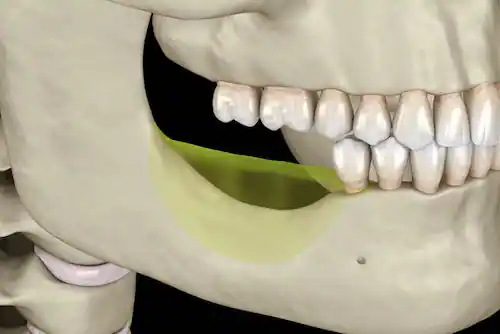
The Long-Term Risk: Future Implant Eligibility
That jawbone shrinkage we just discussed does more than alter your facial structure; it can severely limit your future tooth replacement options. Many people view dentures as a temporary fix, planning to upgrade to a more permanent solution like dental implants down the road. The problem is, waiting too long can close that door permanently. Dental implants need a solid foundation of healthy jawbone to integrate properly and provide stability. As your jawbone continues to deteriorate from wearing dentures, it can shrink to a point where there simply isn’t enough bone left to support an implant. This means the choice you make today could prevent you from accessing the most secure and natural-feeling tooth replacement solution in the future.
Why Do Bottom Dentures Keep Slipping?
Many people choose to pull their teeth and get dentures with the expectation that they will function just as well as their natural teeth did. However, this is not always the case. Bottom dentures in particular can be frustrating because they tend to shift and move around, relying on gravity and weakened cheek muscles to stay in place. While gravity may not be a concern for most people, the reliance on weak muscles can be a problem. Your cheek muscles may be weaker as you age, which makes it harder for them to hold the dentures in place. If you want your dentures to stay put, you’ll need to exercise your cheek muscles. Using denture adhesive may also be helpful, but it’s not a long-term solution. However, if your lower dentures no longer fit properly due to bone atrophy, no amount of adhesive will keep them in place. The bone loss in your jaw can cause your dentures to become loose and uncomfortable over time. Additionally, your dentures were designed to fit your original mouth shape, which can become a problem as your jawbone shrinks. However, as your jawbone continues to shrink over time, your dentures become more and more ill-fitting because they were made to fit your original mouth shape. This means that you may need to have them relined multiple times to maintain a good fit, and even then, eventually you may run out of bone for them to sit on altogether. In summary, while it may seem like a good idea to replace your bottom teeth with dentures, it’s important to be aware of the long-term challenges and adjustments that come with it, as well as the potential for ill-fitting dentures down the road.
Beyond Bone Loss: Other Causes of Poor Fit
While jawbone atrophy is the main reason for a poor fit over time, it’s not the only factor. If your new dentures feel loose right away, something else is likely going on. Lower dentures are notoriously tricky because they don’t have a large surface like the roof of your mouth to create suction. Instead, they rest on the gum ridge, which offers much less stability. Simple wear and tear can also change the shape of your dentures, causing them to fit less snugly than they used to. It’s a frustrating experience, but understanding the mechanics can help you find the right solution instead of just reaching for more adhesive.
Non-Implant Solutions for Loose Dentures
If your dentures are slipping, your first step should be to see your dentist. They can assess the fit and recommend a solution. One common temporary fix is a reline, where your dentist adds new material to the base of the denture to make it conform to the current shape of your gums. This can improve the fit for a while, but it doesn’t stop the underlying bone loss. If your dentures are several years old or significantly worn, it might be time for a completely new set. While these options can help in the short term, they are often just delaying the inevitable need for a more stable, long-term solution.
Caring for Your Dentures for Longevity
No matter what type of denture you have, proper care is essential for its longevity and your oral health. Think of it like any other medical device—it needs regular maintenance to function correctly and safely. Neglecting your dentures can lead to bad breath, gum irritation, and infections. It can also shorten the lifespan of the dentures themselves, forcing you to pay for replacements sooner than expected. Establishing a simple daily routine and keeping up with dental appointments will protect your investment and keep your smile healthy and comfortable for years to come.
Daily Cleaning and Maintenance
To keep your dentures in top shape, you’ll want to create a consistent cleaning routine. Clean them every day using a soft-bristled brush and a cleaner specifically designed for dentures—regular toothpaste is too abrasive and can cause damage. It’s also a good idea to rinse them after every meal to wash away food particles. Just as important are your regular dental check-ups. Your dentist needs to examine your gums and check the fit of your dentures, as your jaw will continue to change over time. These visits allow for necessary adjustments to prevent discomfort and ensure your oral health is on track.
How Long Do Dentures Last?
With diligent care, a set of dentures typically lasts between five and seven years. However, this isn’t a hard and fast rule. Because your mouth is constantly changing, especially with the bone loss that occurs after teeth are removed, you will likely need adjustments or relines long before you need a full replacement. It’s important to view dentures not as a one-time fix but as an ongoing part of your dental health journey. This reality is what leads many people to seek a more permanent and stable alternative that addresses the root cause of the problem.
Understanding Dental Implants for Lower Dentures
If you’re tired of the slipping, discomfort, and constant adjustments that come with traditional lower dentures, dental implants are the modern solution you’ve been looking for. Implants are small, medical-grade titanium posts that are surgically placed into your jawbone. They function just like natural tooth roots, creating a strong and stable foundation. Once healed, these posts can securely anchor a custom-made denture, preventing any movement. This not only restores your confidence to eat, speak, and smile but also stimulates the jawbone, helping to halt the bone loss process that makes traditional dentures so problematic.
Who Is a Good Candidate for Dental Implants?
Most adults who are missing their lower teeth and are in good general health are potential candidates for dental implants. The ideal candidate has sufficient jawbone density to support the implant, maintains good oral hygiene, and is a non-smoker (or is willing to quit during the healing process). But don’t worry if you’ve already experienced some bone loss—a bone graft procedure can often rebuild the necessary foundation. The only way to know for sure if implants are right for you is to have a consultation. Our expert team can evaluate your specific situation and map out a personalized treatment plan.
Types of Implant-Supported Dentures
When it comes to securing your dentures with implants, you have options. The two main categories are removable and fixed, and the best choice depends on your lifestyle, budget, and dental health. Both provide a massive upgrade in stability and function compared to traditional dentures. During your consultation, we can walk you through the pros and cons of each, helping you make an informed decision that feels right for you. Let’s look at how each one works.
Removable Implant Overdentures
A removable implant-supported overdenture is a popular choice that balances stability with convenience. This type of denture is designed to snap securely onto two to four dental implants. It stays firmly in place all day, so you don’t have to worry about it slipping while you eat or talk. At night, you can easily unsnap it for cleaning. This option is an excellent and affordable way to get the security of implants while maintaining a familiar cleaning routine.
Fixed Implant Dentures
For the ultimate in stability and a feel that’s closest to natural teeth, a fixed implant denture is the top-tier solution. Often referred to as an “All-on-4” denture, this restoration is permanently attached to four or more implants and can only be removed by your dentist. You care for it just like you would natural teeth—by brushing and flossing. Many people forget they even have a denture because it looks, feels, and functions so naturally, offering a truly life-changing restoration of their smile.
The Standard Implant Process and Healing Time
The journey to a stable, implant-supported smile is a multi-step process that prioritizes a successful, long-lasting outcome. It begins with a thorough consultation and planning phase. Next is the surgical procedure to place the titanium implants into your jawbone. Then comes the most important part: healing. Over the next three to six months, a process called osseointegration occurs, where your jawbone fuses directly with the implants, creating an incredibly strong bond. Once this foundation is solid, your beautiful, custom-made denture is securely attached to the implants.
How Much Do Implant Dentures Cost?
The cost of implant-supported dentures varies depending on the type you choose and the number of implants required. A removable overdenture supported by two implants can range from $3,000 to $8,000. A fixed, full-arch denture like the All-on-4 solution is a more significant investment, typically costing between $15,000 and $30,000 or more. We understand this is a major decision, and we believe everyone deserves a smile they love. That’s why we offer a variety of financing and insurance options to help make this transformative treatment accessible and affordable for our patients.
A Better, More Permanent Solution for Bottom Teeth
After discussing what to avoid, let’s focus on what you can do to replace your damaged or unhealthy bottom teeth. A promising solution is full mouth dental implants, and in particular, at Dental & Implant Centers Of Colorado. 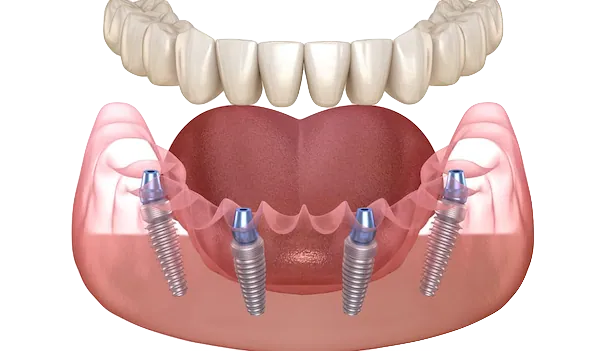
Ready to Discuss Your Options?
While dentures for your bottom teeth may appear to be a practical choice, there is a lot of conflicting information on the internet. The internet may provide many reliable resources, but it also contains directions on how to crochet your shoes. As a result, we advise you to contact our team before making any decisions concerning dentures. Our specialists can offer you personalized guidance and answer all your inquiries to help you make an informed decision on replacing your teeth.
Frequently Asked Questions
Why are bottom dentures so much harder to wear than top ones? It really comes down to anatomy. An upper denture uses the roof of your mouth to create suction, which helps hold it securely in place. A lower denture doesn’t have that advantage. It simply rests on a small ridge of gum tissue, and your tongue and cheek muscles are constantly moving and pushing against it, which is why it tends to slip and feel unstable.
I thought dentures were a permanent fix. Why do they need to be replaced so often? This is a common misconception. The issue isn’t the denture itself wearing out, but rather your jaw changing underneath it. Without natural tooth roots to stimulate it, your jawbone begins to shrink. Your denture was made to fit the original shape of your jaw, so as the bone changes, the fit becomes progressively worse, leading to the need for relines and eventually a full replacement.
If I get dentures now, can I just switch to dental implants later on? While it’s sometimes possible, waiting can create significant hurdles. Dental implants require a solid foundation of jawbone to be successful. Since traditional dentures accelerate bone loss, you may find that by the time you’re ready for implants, there isn’t enough healthy bone left to support them without first undergoing additional procedures like a bone graft.
Are implant-supported dentures difficult to take care of? Not at all. The care routine is very manageable and depends on the type you choose. If you have a removable overdenture that snaps onto the implants, you simply take it out at night for cleaning. If you opt for a fixed denture that stays in permanently, you care for it just like you would natural teeth with regular brushing and flossing.
My current bottom dentures are already loose. Is more adhesive my only option? Adhesive is really just a temporary patch for a bigger problem. While it might help for a few hours, it doesn’t address the reason your dentures are loose—an improper fit, likely due to bone loss. Your best bet is to schedule a visit with your dentist. They can assess the situation and discuss more stable, long-term solutions, like using dental implants to anchor your denture securely in place.
Key Takeaways
- Lower dentures lack stability: They rest on a small gum ridge and are easily dislodged by your tongue, which means you’ll likely struggle with a poor fit, discomfort, and the hassle of adhesives.
- Dentures accelerate jawbone deterioration: Choosing dentures means you lose the tooth roots that keep your jawbone healthy. This leads to bone shrinkage, a changing face shape, and may prevent you from being a candidate for implants later on.
- Dental implants provide a true long-term fix: By fusing with your jawbone, implants create a permanent anchor for your new teeth. This stops bone loss and gives you the freedom to eat, speak, and smile with complete confidence.
