




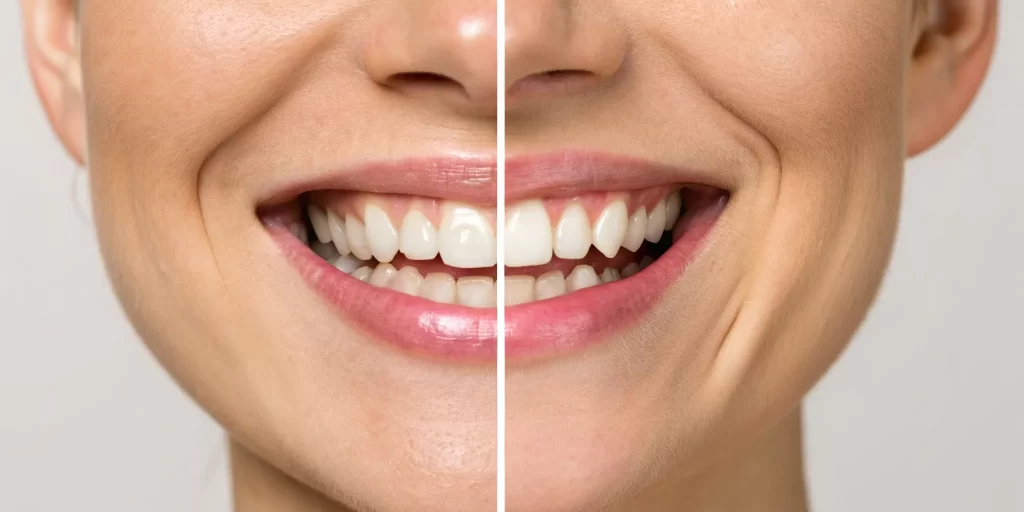
Making a big investment in your health means you deserve total transparency. The dental implant images you see online are a clinic’s visual promise of the quality they deliver. But how can you be sure that promise is genuine? It’s a fair question, and one you should be asking. Thankfully, you don’t need to be a photo expert to spot the difference between a real patient’s results and a generic stock image. I’ll show you a few simple techniques, like using a reverse image search, to help you verify what you see and make a decision with confidence.
Key Takeaways
- Implants Rebuild Your Smile from the Foundation Up: Unlike other options, a dental implant acts as a new tooth root, fusing with your jawbone to create a permanent and stable base for a natural-looking crown.
- The Results Go Beyond Aesthetics: While you’ll get a beautiful, seamless smile, the real transformation comes from regaining full function—allowing you to eat, speak, and laugh without a second thought.
- Your Treatment Plan is Entirely Unique: The cost, timeline, and type of implant solution are all tailored to your specific needs, which is why a professional consultation is the essential first step to understanding your options.
Dental Implants 101: How Do They Actually Work?
If you’re dealing with a missing tooth or several, you’ve probably heard about dental implants. But what exactly are they? Think of a dental implant as a brand-new, super-strong root for a replacement tooth. It’s a small, screw-like post, typically made of biocompatible titanium, that is surgically placed into your jawbone right where your missing tooth used to be. This isn’t just a cosmetic fix; it’s a foundational one that supports your long-term oral health.
Once the implant is in place, it begins to fuse with your natural bone in a remarkable process called osseointegration. This creates an incredibly sturdy base, mimicking the function of a natural tooth root. A custom-made crown, which looks and feels just like a real tooth, is then attached to this post. The end result is a permanent, stable tooth that won’t slip or shift, allowing you to eat, speak, and smile with total confidence. It’s the closest you can get to growing a new tooth, providing a long-term solution that also helps preserve your jawbone and prevent the facial sagging that can happen with bone loss.
Why People Need Dental Implants
Losing a tooth can feel isolating, but it’s a surprisingly common experience that happens for many different reasons. The good news is that you don’t have to live with the gap in your smile. Dental implants are widely considered the gold standard for replacing missing teeth because they address the problem at its root—literally. Unlike dentures or bridges that sit on top of the gums, an implant integrates with your jawbone, providing a permanent foundation that prevents bone loss and keeps your facial structure intact. This means you not only get a beautiful, natural-looking tooth but also restore full function for eating and speaking, which is a huge confidence win. It’s a comprehensive solution that supports your overall oral health for the long haul.
Common Causes of Tooth Loss
Tooth loss isn’t just about aging; it can happen to anyone at any stage of life. One of the most frequent culprits is severe tooth decay, where a cavity grows too large to be repaired with a filling or crown. Another common reason is advanced gum disease (periodontitis), which attacks the bone and tissues supporting your teeth, causing them to loosen and fall out. Sometimes, a tooth can be lost due to a sudden accident or injury—a sports mishap or an unexpected fall. Even a previously treated tooth can become a problem if a root canal fails down the line. Whatever the cause, the important thing to remember is that there are effective and lasting solutions available to restore your smile.
What to Expect During Your Implant Procedure
It’s natural to wonder what the process actually involves. Your journey starts with a consultation where we map out a personalized treatment plan. The first step is placing the titanium implant into your jawbone. After this, your jaw needs time to heal and fuse with the implant, creating that solid foundation. This healing period is crucial for long-term success. Once you’re healed, we attach a small connector piece called an abutment. The final step is securing your new, custom-made crown to the abutment, completing your smile. Our team at DICC will guide you through every stage, ensuring you feel comfortable and informed from start to finish.
The Role of 3D Imaging in Planning
Before any work begins, we need a crystal-clear picture of what’s going on beneath the surface. This is where 3D imaging, specifically a Cone Beam Computed Tomography (CBCT) scan, comes in. Think of it as a detailed, three-dimensional map of your jaw. This advanced scan allows our dental team to see the precise location of nerves, sinuses, and the exact density and shape of your jawbone. This isn’t about guesswork; it’s about precision. By visualizing these critical structures, we can create a personalized treatment plan that is perfectly tailored to your unique anatomy, ensuring the implant is placed in the ideal spot for maximum stability and safety.
Placing the Implant and Temporary Crown
With a detailed surgical plan in hand, the next step is the placement of the implant. Thanks to the precision of 3D imaging, this procedure is remarkably accurate. The titanium post is gently placed into the jawbone in the exact location determined during the planning phase. This meticulous approach minimizes surprises and supports a smoother procedure. In many cases, we can place a temporary crown on the same day. This isn’t the final tooth, but it allows you to leave our office with a complete-looking smile. It protects the site while the implant begins the important process of fusing with your bone, so you can feel confident while you heal.
Working with Dental Specialists
Achieving the best results often requires a team effort. Dental implant treatment frequently involves collaboration between different dental experts, such as an oral surgeon who places the implant and a prosthodontist who designs and fits the final crown. The 3D images serve as a universal blueprint, allowing all specialists to be on the same page and contribute their expertise to your care. At a multi-specialty practice like DICC, this collaboration is seamless. Having a dedicated team of specialists working together under one roof ensures every aspect of your treatment is coordinated, from initial planning to the final placement of your beautiful new tooth.
Breaking Down the 3 Parts of a Dental Implant
A dental implant isn’t just one piece; it’s a three-part system designed to work together seamlessly. First is the implant itself—the titanium post that acts as the artificial root in your jaw. Next is the abutment, which is a small connector that attaches to the top of the implant and sits just above the gumline. Think of it as the bridge between the root and the tooth. Finally, there’s the crown, which is the visible, tooth-shaped cap that is custom-crafted to match the color and shape of your surrounding teeth. This clever, three-part structure is what makes dental implants so stable, functional, and natural-looking.
Crown Materials: Porcelain and Ceramic
Let’s talk about the crown—the part of the implant that everyone sees. The material used here is a big deal for both looks and function. Two of the most common choices are porcelain and ceramic. Porcelain crowns are true artists when it comes to aesthetics. They masterfully replicate the natural look and translucency of your real teeth, which is why they’re often the top pick for front teeth. Ceramic crowns, however, give you a great mix of strength and appearance. They are incredibly durable and resistant to chipping, making them a solid, versatile option for any tooth, front or back. Deciding between them isn’t a one-size-fits-all situation; it really comes down to the tooth’s location and what matters most to you. During your consultation, we can go over the specifics to find the perfect fit for your new smile.
See the Transformation: Dental Implant Before & After Images
Words can only explain so much. Sometimes, you just need to see the results for yourself. That’s where before and after photos come in. These images are one of the best ways to understand the incredible impact dental implants can have, not just on a smile, but on a person’s entire facial appearance and confidence. By looking through a gallery of real patient stories, you can see the transformations firsthand. Our Before & Afters page showcases the work we do, helping you visualize what’s possible and answer some of the questions you might have about your own potential results.
What Results Can You *Really* Expect from Dental Implants?
Deciding to get dental implants is a big step, and it’s natural to wonder what life will be like afterward. Beyond just filling a space, implants are designed to completely restore your smile’s function and appearance. The results are about more than just teeth; they’re about regaining confidence, enjoying food without a second thought, and feeling comfortable in your own skin. From the moment you see your new smile in the mirror to the simple joy of biting into an apple, the changes can be truly life-altering. Let’s look at the specific results you can anticipate on your journey.
The Aesthetic Benefits of a New Smile
One of the most immediate and exciting results of dental implants is the dramatic visual improvement. Implants are crafted to perfectly match your natural teeth, closing gaps and creating a seamless, beautiful smile you’ll be proud to share. This isn’t just about aesthetics; it’s about restoring the facial structure that can be lost with missing teeth, giving you a more youthful appearance. Seeing the change for the first time can be an emotional and powerful experience. We encourage you to look through galleries of real patient transformations to see the incredible difference implants can make. It’s the best way to visualize what’s possible for your own smile.
Eat, Speak, and Smile with Confidence Again
While a beautiful smile is a fantastic outcome, the functional improvements are just as significant. Dental implants are anchored securely in your jawbone, meaning they won’t slip or shift like dentures can. This stability allows you to eat your favorite foods—from steak to corn on the cob—with complete confidence. You can also speak and laugh without worrying about your teeth moving out of place. Because they function just like natural teeth, they eliminate the discomfort and hassle often associated with other tooth replacement options. It’s all about getting back to the simple, everyday activities you enjoy, without limitations.
A Major Advantage Over Traditional Bridges
When considering how to replace a missing tooth, many people think of traditional bridges. While they can fill a gap, they come with a significant trade-off. To secure a bridge, the healthy teeth on either side of the space must be filed down to support the new restoration. Dental implants, however, are a standalone solution. They are placed directly into the jawbone without altering or damaging any of your surrounding healthy teeth. Furthermore, implants help maintain the integrity of your jaw. When a tooth is lost, the underlying bone can begin to shrink. Because an implant fuses with the bone, it provides the stimulation needed to keep your jaw strong and healthy, a benefit that other tooth replacement options simply can’t offer.
Why Implants Can’t Get Cavities
Here’s a benefit you might not have considered: dental implants are completely immune to cavities. Because the implant post and the crown are made from biocompatible materials like titanium and porcelain, there’s no organic tooth enamel for decay-causing bacteria to attack. This makes them an incredibly durable and reliable long-term solution. While the teeth supporting a bridge can still get cavities, an implant itself cannot. Of course, this doesn’t mean you can skip your oral hygiene routine. It’s still crucial to brush and floss to keep your gums healthy and ensure the long-term success of your dental implant, which, with proper care, can last a lifetime.
A Natural-Looking Smile That’s Built to Last
Modern dental implants are designed to be completely indistinguishable from your natural teeth. Each crown is custom-made to match the precise shade, shape, and size of the surrounding teeth, ensuring a flawless blend. But their natural quality goes beyond appearance. Implants are made from biocompatible materials like titanium that fuse with your jawbone, creating a durable foundation that can last a lifetime with proper care. This long-term reliability makes them an excellent investment in your oral health and overall well-being. You get a solution that not only looks real but is built to stand the test of time.
What’s the Timeline for Your New Smile?
Your journey to a new smile is a carefully planned process, not an overnight fix. It begins with a consultation to map out your personalized treatment plan. After the implant is placed, there is a healing period where the implant integrates with your jawbone—a crucial step for long-term success. While the full transformation takes time, the final result is well worth the wait. Our expert dental team is here to guide you through every stage, ensuring you are comfortable and informed from start to finish. We’ll outline your specific timeline so you know exactly what to expect as you move toward your beautiful, permanent smile.
The Osseointegration and Healing Phase
After your implant is placed, the most fascinating part of the process begins. This is the healing phase, where a natural biological process called osseointegration takes place. It sounds technical, but it simply means that the biocompatible titanium post begins to fuse directly with your jawbone. This creates an incredibly strong and stable foundation, essentially becoming a new, permanent root for your replacement tooth. This fusion is what makes dental implants so successful and durable, allowing them to function just like natural teeth. While this step requires patience as your body heals, it’s the crucial foundation for a smile that is built to last a lifetime.
Are Those Dental Implant Images Legit? Here’s How to Tell
When you’re considering a significant investment in your health and confidence, like dental implants, you want to see proof of the results. Before and after photos are powerful tools that show you what’s possible, helping you visualize your own future smile. But it’s smart to approach them with a healthy dose of skepticism. In a world of filters and easy photo editing, how can you be sure the incredible transformations you see are genuine? It’s a valid question, and one that’s important to ask as you research your options for something so personal.
The good news is that you don’t need to be a digital forensics expert to spot the difference between a real patient photo and a generic stock image. By learning what to look for, you can feel more confident in your research and, ultimately, in the provider you choose. A reputable dental practice will be proud to showcase their actual work and will have a robust gallery of real patient outcomes because they stand behind their results. They understand that trust is built on transparency. So, let’s walk through a few straightforward tips to help you verify the photos you see online and ensure you’re looking at authentic, achievable results from a team you can count on.
Run a Quick Reverse Image Search
One of the quickest ways to check a photo’s origin is with a reverse image search. This simple tool helps you find where else an image appears online. If you’re using the Chrome browser, you can just right-click on a photo and select “Search Google for image.” The results will show you every other website where that same photo is posted. If you see the same “before and after” shot on dozens of different dental websites across the country, it’s likely a stock photo. The goal is to verify the original source and confirm the photo belongs to the practice you’re researching.
Spot the Telltale Signs of Photo Editing
While professional photographers often make small adjustments to lighting and color, heavy-handed editing can be a red flag. Train your eye to look for tell-tale signs of manipulation. Do the shadows and lighting look natural? Is the skin around the mouth overly smooth or blurry, as if it’s been airbrushed? Inconsistent focus or strange lines around the teeth and gums can also indicate that an image has been altered. Authentic photos of dental work should look like they were taken in a real-world clinical setting. Learning how to evaluate images for these small details can help you spot photos that promise unrealistic results.
Is the Source Credible? What to Look For
A stunning photo is only as trustworthy as the practice that shares it. Instead of just focusing on the image, take a look at the entire website. Is it a professional, well-established practice with a physical address in your area? Do they have a page where you can meet the team of doctors and staff? Reputable clinics are transparent about who they are and the work they do. Look for patient testimonials and reviews on third-party sites. A credible source will have a consistent and professional online presence that goes far beyond a single impressive photo.
Understanding and Identifying Implant Failures
It’s important to know that dental implants have an incredibly high success rate, but like any medical procedure, it’s smart to be aware of potential issues. While failure is rare, recognizing the early signs of a problem can make all the difference. The most common red flags are persistent pain or discomfort around the implant site, swelling or inflammation of the gums, or any feeling of looseness or movement. Your implant should feel just as solid as a natural tooth. If it feels wobbly, that’s your cue to call your dentist right away. These issues can sometimes arise from infection, insufficient bone density, or lifestyle factors, which is why following your post-procedure care instructions and maintaining excellent oral hygiene are so crucial for long-term success.
Where to Find Real Patient Photos
The best sign of a skilled and experienced implant dentist is an extensive gallery of their own patients. A practice that consistently delivers great results will be eager to show them off. Look for a dedicated Before & Afters section on their website that features dozens of real people. Authentic galleries often show patients from different angles and in various lighting conditions. You’ll see a consistent quality of work across many different cases, which demonstrates the dentist’s skill and artistry. A large, diverse gallery of real patient results is one of the strongest indicators of a trustworthy practice.
Different Implants, Different Results: What to Know
When you look at before and after photos, you’re seeing the final result of a personalized treatment plan. The type of implant a person receives depends entirely on their unique situation—from their bone health to the number of teeth they need to replace. Understanding the different types of dental implants can help you see why one person’s transformation looks different from another’s and what might be possible for your own smile.
Traditional vs. Mini Implants: What’s the Difference?
You might hear about different sizes of implants, and the distinction is important. Traditional implants, which are typically 3-6 millimeters in diameter, are the gold standard for replacing missing teeth. Their size allows them to integrate securely with the jawbone, creating a durable foundation that can last a lifetime. Mini implants are much smaller, usually just 2-3 millimeters wide. While they can sometimes be used to help stabilize dentures, they generally don’t offer the same long-term strength and stability as their traditional counterparts for supporting a permanent crown. For a lasting, single-tooth solution, a traditional implant is almost always the recommended choice.
Implant Sizes for Different Needs
The size of a dental implant isn’t chosen at random; it’s a precise decision based on your unique anatomy and the specific tooth being replaced. For example, a molar in the back of your mouth endures a lot more chewing force than a front incisor, so it often requires a wider, more robust implant to provide the necessary support. Conversely, if there’s limited space between existing teeth or less available jawbone, a narrower implant might be the perfect solution. This is where a detailed consultation is so important. Using advanced imaging, your dentist can measure the exact dimensions of your jawbone and select the ideal implant size to ensure a secure fit and a successful, long-term outcome. The goal is always to create a stable foundation for your new tooth, and choosing the right size is a critical step in that process.
The All-on-4 Difference: A Full Smile Makeover
For those facing extensive tooth loss, the All-on-4 treatment concept is truly life-changing. This innovative approach uses just four strategically placed implants to support a full arch of beautiful, permanent teeth. Because the implants are angled to take advantage of the densest areas of your jaw, All-on-4 is an excellent option for individuals who have experienced some bone loss and may not be candidates for traditional implants without a bone graft. This procedure is often more efficient and cost-effective than replacing each tooth individually, providing a complete smile restoration that allows you to eat, speak, and smile with renewed confidence.
Exploring All-on-5 and All-on-6 Options
While All-on-4 is a fantastic solution for many, your treatment plan is always tailored to your specific needs. This is where All-on-5 and All-on-6 options come into play. As the names suggest, these procedures use five or six implants, respectively, to secure a full arch of teeth. The primary benefit of adding more implants is increased stability and a more even distribution of pressure when you bite and chew. For patients with sufficient jawbone density, an All-on-6 approach can provide an incredibly robust foundation, potentially extending the longevity of your new smile. Choosing the right implant solution isn’t a decision you have to make alone; it’s determined by a thorough professional evaluation of your jaw health to ensure the best possible long-term outcome.
Single Implant vs. Full Arch: Comparing the Results
The goal of any implant is to restore function and aesthetics, but the scale of the transformation varies. A single-tooth implant is a masterpiece of subtlety; it’s designed to blend so perfectly with your natural teeth that no one can tell it’s there. The focus is on matching the color, shape, and alignment of the surrounding teeth. In contrast, a full arch restoration is a complete smile makeover. It replaces an entire upper or lower set of teeth, giving us the opportunity to design a brand-new, fully customized smile that is both beautiful and functional. Both approaches deliver stunning, natural-looking results, but a full arch replacement offers a more comprehensive transformation.
Replacing Multiple Teeth with Implant-Supported Bridges
What if you’re missing more than one tooth in a row? Placing an individual implant for each one isn’t always the most practical solution. This is where an implant-supported bridge comes in. Instead of relying on adjacent natural teeth for support like a traditional bridge, this modern approach uses a few strategically placed dental implants to anchor a custom-made bridge that spans the gap. This method provides incredible stability and strength, restoring your ability to chew properly while also preventing the remaining natural teeth from shifting. The result is a seamless, functional restoration that looks and feels completely natural, blending perfectly with the rest of your smile.
Are You a Good Candidate for Dental Implants?
The best candidates for dental implants are generally people in good overall health with healthy gums. For traditional implants, having sufficient jawbone density is key to ensuring the implant can fuse properly. However, even if you’ve experienced bone loss, you may still be a great candidate for procedures like All-on-4, which are specifically designed for these situations. The only way to know for sure what solution is right for you is to have a thorough evaluation. Our expert team can assess your oral health, discuss your goals, and create a personalized plan to restore your smile.
How to Choose the Right Implant Dentist
Choosing to get dental implants is a major decision, and finding the right dentist is just as important as the procedure itself. This isn’t just about a single appointment; it’s about finding a trusted partner for your long-term oral health. The right dentist will not only have the technical skill to deliver beautiful, lasting results but will also make you feel comfortable, heard, and confident throughout the entire process. You deserve a team that is transparent about their work and dedicated to your well-being. Taking the time to research your options and look for specific signs of quality and experience will ensure you place your trust in the right hands.
Look for a Dentist’s Credentials
A beautiful photo of a new smile is only as reliable as the practice that created it. Before you get too focused on the final result, take a step back and look at the clinic’s entire online presence. A reputable practice will be completely transparent about who they are and the work they do. Does their website look professional? Do they have a physical address in your area? Most importantly, do they have a page where you can meet the team of doctors and staff? A clinic that is proud of its experts will be eager to introduce them to you, showcasing their experience and qualifications. This transparency is a key indicator that you’re dealing with an established and trustworthy practice.
Finding a Qualified Dentist in Your Area
The strongest evidence of a dentist’s skill is their own portfolio of work. A practice that consistently achieves excellent outcomes will be excited to show them off. Look for a dedicated gallery on their website that features dozens of real patient results. An extensive collection of photos demonstrates a high level of experience across many different cases. Beyond the clinic’s own website, look for patient testimonials and reviews on third-party sites to get an unbiased perspective. A credible practice will have a consistent and professional online presence that extends far beyond a single impressive photo, giving you a complete picture of their quality and patient care.
How Much Do Dental Implants Cost?
Let’s talk about one of the biggest questions on everyone’s mind: the cost. The price of dental implants isn’t a one-size-fits-all number because every smile is unique. Think of it as a long-term investment in your health, confidence, and quality of life. While the initial cost is higher than other tooth replacement options like dentures or bridges, implants are designed to last a lifetime with proper care, which often makes them the most cost-effective solution over time.
The total investment depends on your specific needs, the complexity of your case, and the treatment plan you and your dentist create together. It’s about finding a permanent solution that restores your smile and function, not just a temporary fix. We believe in being completely transparent about pricing, so your treatment plan will include a detailed breakdown of all associated costs. This way, you can make an informed decision without any surprises.
Breaking Down the Cost of Dental Implants
Several key elements contribute to the total cost of your dental implant procedure. The number of implants you need is the most significant factor—a single tooth replacement will naturally cost less than a full arch restoration. The type of materials used for the implant and the final crown also play a role. Additionally, some patients may require preparatory procedures, like a bone graft to ensure the jaw is strong enough to support the implant, which can add to the overall cost. Finally, the expertise of your dental team is a crucial part of the investment, ensuring your procedure is handled with the highest level of skill and care for a lasting result.
Financing Your New Smile: What Are Your Options?
We understand that restoring your smile is a significant investment, and we’re committed to making it manageable. You shouldn’t have to put your health and confidence on hold because of financial concerns. That’s why we offer a variety of financing and insurance options to fit your budget. Our team can help you understand your insurance benefits and file claims on your behalf. For any out-of-pocket costs, we partner with third-party financing companies to provide flexible payment plans, some with low or no interest. Our goal is to help you get the care you need without the financial stress, allowing you to focus on the exciting transformation ahead.
Why Your First Step Should Be a Free Consultation
Your first consultation is one of the most important steps in the entire process. This is your opportunity to sit down with our team, discuss your goals, and ask every question you have in a relaxed, no-pressure environment. During this visit, we’ll perform a thorough examination, which may include 3D imaging, to assess your oral health and determine if you’re a good candidate for implants. Based on this evaluation, we can create a personalized treatment plan and provide you with a clear, detailed cost estimate. This initial meeting is all about empowering you with information so you can feel completely confident in your decision to move forward.
Making a Smart Investment in Your Smile
When considering the cost of dental implants, it’s helpful to think about value rather than just the price tag. Choosing a highly experienced and reputable clinic means you’re investing in a higher standard of care, advanced technology, and a team dedicated to achieving the best possible outcome. Our expert dentists specialize in implantology, ensuring your procedure is performed with precision and artistry. This expertise minimizes the risk of complications and leads to a beautiful, natural-looking smile that can last a lifetime. The peace of mind that comes from knowing you’re in skilled hands is an invaluable part of your investment in your long-term health and happiness.
Related Articles
- All-on-4 Teeth in a Day Cost: A Complete Guide
- All on 4 Dental Implants Cost: What to Expect
- How Much Do 4 Teeth Implants Cost?
- All on 4 Dental Implants: A New Smile in One Day
- All-on-4 Dental Implants: A Complete Guide
Frequently Asked Questions
Does getting a dental implant hurt? This is easily the most common question I hear, and it’s a completely valid concern. The procedure itself is not painful because the area will be fully numbed with local anesthesia. You’ll feel some pressure, but not pain. Afterward, it’s normal to experience some discomfort and swelling, similar to other dental procedures. Most people find that over-the-counter pain relievers are enough to manage it, and we’ll give you specific instructions to ensure your recovery is as smooth and comfortable as possible.
How long do dental implants really last, and how do I care for them? With proper care, dental implants are designed to be a permanent solution that can last a lifetime. The great news is that caring for them is straightforward and very similar to how you care for your natural teeth. This means consistent brushing, daily flossing, and keeping up with your regular dental check-ups and cleanings. Think of your implant as a natural part of your smile that needs the same attention to stay healthy for the long haul.
From start to finish, how long does the entire dental implant process take? The full timeline varies from person to person because it’s tailored to your specific healing process. Generally, you can expect the journey to take several months. After the implant post is placed, it needs time to fuse with your jawbone—a critical healing phase that can take a few months. Once that foundation is solid, we can move on to placing the final crown. We’ll map out your personal timeline during your consultation so you know exactly what to expect every step of the way.
What if I’ve been told I don’t have enough bone for an implant? Hearing you don’t have enough bone can feel discouraging, but it doesn’t automatically rule you out as a candidate. Modern dentistry offers incredible solutions for this exact situation. Procedures like bone grafting can rebuild the jaw to create a strong foundation for an implant. Additionally, treatments like the All-on-4 are specifically designed to work for people who have experienced bone loss. The best first step is a thorough consultation to see which of these advanced options is right for you.
Will my dental insurance cover the cost of implants? Insurance coverage for dental implants can be tricky, as it really depends on your specific plan. Some plans cover a portion of the cost, while others may not. Our team is very experienced in this area and will help you understand your benefits and submit all the necessary paperwork to maximize your coverage. For any remaining balance, we offer flexible financing plans to help make your new smile a reality without the financial strain.
