




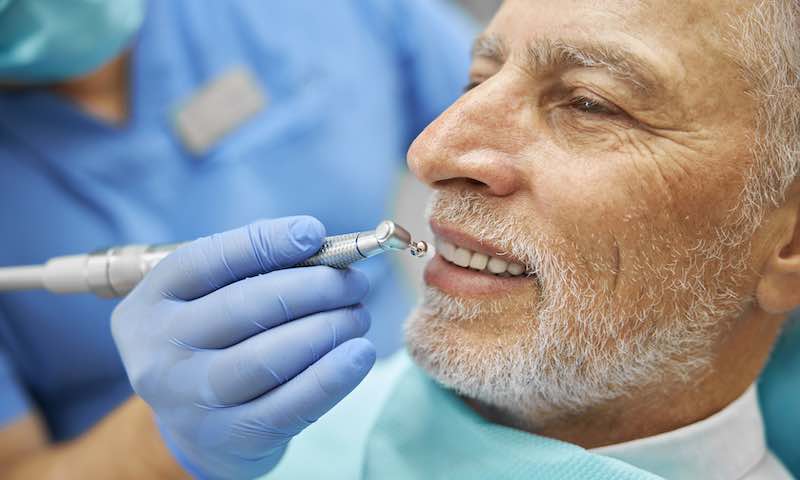
When a tooth is lost, the empty space isn’t static. The neighboring teeth naturally start to shift and tilt into the gap, disrupting your bite alignment. Below the surface, your jawbone begins to deteriorate without the tooth root to keep it strong. This is why seeking treatment is about more than just aesthetics; it’s about preventing a chain reaction of future dental problems. A high-quality missing tooth replacement service doesn’t just fill a gap—it restores function and protects the long-term health of your entire mouth. Here, we’ll explore the solutions that can stop these issues before they progress.
Are Dental Implants in Denver the Right Choice for You?
The Unseen Consequences of a Missing Tooth
Losing a tooth can feel like a major setback, impacting everything from your smile to your self-confidence. But the consequences often extend far beyond what you see in the mirror. A single missing tooth can trigger a cascade of changes within your mouth, affecting your bite, your jawbone, and even your overall health in ways you might not expect. Understanding these hidden effects is the first step toward making an informed decision about your health and exploring the best solutions to restore your smile. It’s not just about filling a gap; it’s about protecting your long-term oral and systemic well-being for years to come.
Why Tooth Loss is More Common Than You Think
If you’re navigating life with a missing tooth, it’s easy to feel isolated. The truth, however, is that adult tooth loss is an incredibly common experience. It’s not always the result of an accident; often, it stems from factors like gum disease or decay that develop over time. According to research from AARP, most adults have at least three missing or decayed teeth by age 64, and about a third of those over 65 have lost six or more. So, if you find yourself hiding your smile, please know you are far from alone. More importantly, know that there are effective, modern solutions available to help you regain your confidence and oral health.
How a Missing Tooth Affects Your Overall Health
A missing tooth is much more than just a cosmetic issue. While the change to your smile is often the most immediate concern, the consequences run much deeper, affecting your daily life and long-term health. Simple activities like chewing your favorite foods or speaking clearly can become challenging. This can impact your nutrition and even your confidence in social situations. It’s important to understand that the empty space left behind isn’t static; it sets off a chain reaction of changes in your mouth and body. Addressing a missing tooth is a crucial step in maintaining not just your oral health, but your overall well-being, and our team offers a range of comprehensive services to help you do just that.
Jawbone Deterioration and Shifting Teeth
One of the most significant hidden consequences of tooth loss happens below the gumline. Your natural tooth roots play a vital role in stimulating your jawbone, keeping it strong and dense. When a tooth is lost, that stimulation disappears, and the bone in that area begins to deteriorate. Over time, this bone loss can alter the structure of your face, leading to a sunken appearance. Furthermore, the neighboring teeth will naturally start to shift and tilt into the empty space, disrupting your bite alignment. This can cause problems with chewing, jaw pain, and excessive wear on your remaining teeth. This is why dental implants are often considered the gold standard for tooth replacement—they are the only solution that replaces the tooth root, preserving your jawbone for years to come.
Links to Systemic Health Issues
The health of your mouth is directly connected to the health of your entire body. The leading causes of adult tooth loss are gum disease and advanced tooth decay, both of which involve chronic bacterial infections. If left untreated, the bacteria from your mouth can enter your bloodstream and contribute to serious systemic health problems. Studies have shown clear links between poor oral health and an increased risk for conditions like heart disease, stroke, and diabetes. Therefore, replacing a missing tooth is not just about restoring your smile; it’s a proactive measure to protect your overall health. By seeking treatment, you are taking a critical step toward reducing harmful inflammation and supporting your body’s long-term wellness.
How Do Dental Implants Replace Missing Teeth?
Small titanium posts, dental implants are surgically implanted into the jawbone to replace missing teeth. The biocompatibility of the implants allows them to eventually fuse with the jawbone and become an integral part of the structure. Replacement teeth can be anchored to dental implants in the same way that natural teeth are anchored to their roots, providing a secure and natural-feeling bite. Replacement of one or more missing teeth with a crown, bridge, or denture secured to one or more implants is possible. Only dental implants can restore missing teeth to their full form and function, making them the gold standard in tooth replacement.
Are You a Candidate for Dental Implants?
Thinking about dental implants is an exciting step toward restoring your smile, but it’s natural to wonder if they’re the right fit for you. While implants are a highly effective and popular solution for missing teeth, candidacy depends on a few key factors. The most critical element for a successful implant is the health and density of your jawbone. An implant needs a strong, solid foundation to anchor into, much like a post needs firm ground to stand tall. Without sufficient bone structure, the implant won’t be stable enough to function as a new tooth root.
During your initial consultation, your dental team will assess your overall oral health, including your gums and existing teeth, and take detailed images of your jaw. This evaluation helps determine if you have enough bone volume to support an implant right away. Don’t worry if you’ve had a missing tooth for a while; it’s common for the jawbone to lose some density over time. The great news is that even if your jawbone isn’t currently ideal for an implant, there are advanced procedures available to prepare it, making this life-changing solution accessible to more people than ever before.
The Importance of a Healthy Jawbone
So, why is the jawbone so crucial? The magic of a dental implant lies in its ability to fuse directly with the bone in a process called osseointegration. A titanium post, which acts as the new tooth root, is placed into your jaw. Over several months, your bone naturally grows around and bonds with the post, creating an incredibly strong and permanent foundation. This fusion is what allows an implant to look, feel, and function just like a natural tooth. It provides the stability needed to chew your favorite foods with confidence and prevents the shifting of surrounding teeth.
If your jawbone lacks the necessary height or width, this integration process can’t happen correctly, putting the long-term success of the implant at risk. A healthy jawbone ensures your new tooth will be secure for years to come. That’s why a thorough evaluation is the first and most important step on your journey to a new smile. At Dental & Implant Centers of Colorado, our team specializes in creating personalized treatment plans to ensure your jaw is perfectly prepared for a successful outcome.
Bone Grafting and Sinus Lifts Explained
If your dentist determines your jawbone needs a little help, there’s no need to be discouraged. Procedures like bone grafting and sinus lifts are commonly used to build up the bone, creating the ideal conditions for an implant. A bone graft is a straightforward procedure where bone material is added to your jaw to increase its volume. According to Harvard Health, after a graft, you’ll need several months for it to heal and create a solid base for the implant.
For implants in the upper jaw near your sinuses, a sinus lift might be recommended. This procedure involves gently lifting the sinus membrane and placing bone material underneath it. This adds the necessary bone height between your jaw and sinuses, ensuring there is plenty of room for the dental implant post. Think of these treatments not as setbacks, but as essential steps that pave the way for a durable, long-lasting restoration that will completely renew your smile and confidence.
What to Expect at Your First Dental Implant Consultation
The first step in getting implants is having surgery to insert titanium posts into the jawbone if it is determined that you are a good candidate for them. After your mouth has fully healed from the surgery, you’ll come back to DICC so we can create and install brand new, custom restorations. Examine the details below and give us a call if you still have questions about dental implants in Denver. When compared to traditional dentures or dental bridges, dental implants in Denver, CO offer many advantages. In fact, they can restore the full root and crown of a tooth, something no other tooth replacement method can do. Millions of people in the United States already have permanent smiles thanks to dental implants, and it’s estimated that over 500,000 are placed annually. Consider the following advantages, and give us a call if you’d like to join the ranks of those who can finally smile with confidence.
Exploring All Your Tooth Replacement Options
While dental implants are often considered the top-tier solution, they aren’t the only path to a complete smile. Understanding all your options is the first step toward making a confident decision for your health and happiness. Depending on how many teeth are missing, your budget, and your long-term goals, another solution might be a better fit for you right now. From bridges that span a gap to modern dentures that offer a comfortable fit, there’s a wide range of treatments available. Let’s walk through the most common alternatives to see how they stack up and what they can offer.
Dental Bridges: Bridging the Gap
Think of a dental bridge as a way to literally “bridge” the gap left by one or more missing teeth. It’s a fixed solution, meaning it’s cemented in place and doesn’t come out. A bridge is typically made of artificial teeth, called pontics, that are held in place by crowns attached to the natural teeth on either side of the gap. This is a reliable and often more affordable way to restore your bite and prevent neighboring teeth from shifting out of place. The process is less invasive than implant surgery and can often be completed in just a couple of visits, making it a popular choice for many people.
Traditional vs. Maryland Bridges
When you hear “dental bridge,” you’re likely thinking of a traditional bridge. This type requires the teeth adjacent to the gap—called abutment teeth—to be reshaped and fitted with crowns to support the bridge. It’s a very strong and durable option. A more conservative alternative is the Maryland bridge. Instead of using crowns, a Maryland bridge has a metal or porcelain framework that is bonded to the back of the abutment teeth. This means less alteration of your healthy teeth, but it’s generally only suitable for replacing front teeth, as it’s not strong enough to withstand the chewing forces in the back of the mouth.
Dentures: Removable Solutions
Dentures are a time-tested and cost-effective way to replace missing teeth, offering a non-surgical path to a restored smile. Unlike fixed options, dentures are removable, which allows for easy cleaning and gives your gums a rest at night. Modern dentures are custom-made to fit the unique contours of your mouth, making them more comfortable and natural-looking than ever before. They are an excellent choice for people who are missing several teeth or even all of their teeth and are looking for a solution that is both functional and budget-friendly. They help support facial muscles and can make eating and speaking much easier.
Full vs. Partial Dentures
Your specific needs will determine whether a full or partial denture is right for you. If you’re missing all of your teeth in either the upper or lower arch (or both), a full denture is the solution. It rests directly on your gums and is designed to replace an entire set of teeth. On the other hand, if you still have some healthy natural teeth remaining, a partial denture is used. It fills in the spaces left by missing teeth and usually attaches to your natural teeth with small clasps, preventing them from shifting and completing your smile.
Hybrid Solutions: The Best of Both Worlds
What if you could combine the stability of dental implants with the broad coverage of a bridge or denture? That’s exactly what hybrid solutions do. These advanced treatments use a few strategically placed dental implants to anchor a larger restoration, providing a secure fit that eliminates the slipping and discomfort sometimes associated with traditional dentures. This approach also helps preserve your jawbone, which is a key benefit of implants. It’s an ideal middle ground for those who want more stability than a removable appliance without needing an individual implant for every single missing tooth.
Implant-Supported Bridges
An implant-supported bridge works just like a traditional one, but instead of being attached to your natural teeth, it’s anchored securely to dental implants. This is a fantastic option when you have several missing teeth in a row. Because the bridge is supported by implants, it doesn’t put any strain on your remaining healthy teeth. It also provides stimulation to the jawbone, helping to prevent bone loss and maintain your facial structure. The result is a permanent, stable, and natural-feeling restoration that allows you to eat, speak, and smile with complete confidence.
Overdentures (Snap-On Dentures)
Overdentures, often called snap-on dentures, are a game-changer for denture wearers. This solution involves placing a small number of dental implants in the jaw, which are fitted with special attachments that connect to the denture. The denture then “snaps” securely onto the implants, providing incredible stability and eliminating the need for messy adhesives. You get the security of implants while still being able to remove the denture for easy cleaning. It’s a popular choice that significantly improves chewing ability and comfort compared to traditional dentures.
Specific Implant Techniques Offered at DICC
Here at Dental & Implant Centers of Colorado, we specialize in providing advanced, tailored implant solutions that fit your unique situation. We understand that every smile is different, which is why we offer a range of cutting-edge techniques designed to deliver the best possible results. Our team is experienced in complex cases and uses the latest technology to restore full function and aesthetics. Whether you need to replace a full arch of teeth or have limited bone structure, we have specialized services to help you achieve a permanent, beautiful smile.
All-on-4® Dental Implants
The All-on-4® treatment concept is a revolutionary full-arch restoration that allows us to replace all of your upper or lower teeth using just four strategically placed dental implants. Two implants are placed vertically in the front, while the two in the back are tilted to maximize contact with available bone. This technique often eliminates the need for bone grafting, making it a quicker and more cost-effective solution for patients with significant tooth loss. On the same day as the surgery, you can leave our office with a beautiful, functional set of temporary teeth, with the final restoration placed after healing is complete.
Mini Dental Implants
Mini dental implants are a smaller-diameter version of traditional implants, typically less than 3 millimeters wide. Their smaller size makes them an ideal solution for patients who may not have enough jawbone density to support full-sized implants and wish to avoid a bone grafting procedure. They are often used to stabilize a lower denture, providing a significant improvement in fit and comfort with a less invasive procedure. The placement of mini dental implants is quicker and involves a shorter recovery time, offering a more immediate and affordable path to a stable smile.
Understanding the Costs of Tooth Replacement
The cost of replacing missing teeth can vary widely based on the solution you choose, the complexity of your case, and your geographic location. While it’s an important investment in your long-term health and confidence, it’s natural to have questions about the price tag. A single dental implant, for example, involves multiple components and procedures, from the implant post itself to the abutment and final crown. Simpler options like dentures are generally more affordable upfront. Understanding the typical cost ranges can help you plan and discuss the best financial path forward with your dental provider.
Typical Cost for Common Procedures
To give you a general idea, a single dental implant procedure can cost between $3,000 and $4,500 from start to finish, according to research from AARP. A fixed dental bridge might range from $1,000 to $5,000 per tooth it replaces, depending on the materials used. Removable partial dentures are often one of the most budget-friendly options, typically costing between $695 and $1,200. These figures are just estimates, and the best way to get an accurate price for your specific needs is to schedule a consultation for a personalized treatment plan.
Single Tooth Implant Costs
When you’re looking at the cost of a single tooth implant, it’s important to remember that the price typically covers the entire process. This includes the surgical placement of the titanium post, the abutment (the connector piece), and the custom-made crown that becomes your new tooth. While the initial investment may be higher than other options, dental implants are designed to last a lifetime with proper care, which can make them a more cost-effective solution over the long run compared to bridges or dentures that may need to be replaced every 5 to 15 years.
Dental Bridge Costs
The cost of a dental bridge is influenced by several factors, including the number of teeth being replaced and the materials used to make the bridge, such as porcelain, zirconia, or metal alloys. A bridge replacing a single tooth will naturally cost less than one spanning a gap of three or four teeth. While a bridge can be a more affordable upfront choice than an implant, it’s important to consider that it may need replacement down the road. Additionally, the procedure requires altering adjacent healthy teeth, which is a factor to discuss with your dentist.
Denture Costs
Dentures are widely recognized as one of the most affordable ways to replace multiple missing teeth. The cost will depend on whether you need a full or partial denture and the quality of the materials used. A basic set will be less expensive, while premium, custom-fit dentures made with more natural-looking materials will have a higher price point. While they are a great budget-friendly option, traditional dentures do not prevent jawbone loss and may require periodic adjustments or replacements as the shape of your mouth changes over time.
Navigating Dental Insurance and Financing
Figuring out the financial side of dental work can feel overwhelming, but there are many ways to make your treatment manageable. Most dental insurance plans offer some level of coverage for restorative procedures, though the specifics can vary greatly from one plan to another. It’s also worth noting that standard Medicare typically does not cover most dental care, including implants or dentures. The key is to understand your benefits and explore all available payment options, from in-house financing to third-party lenders, to find a solution that fits your budget.
Does Insurance Cover Tooth Replacement?
Many dental insurance plans do provide coverage for tooth replacement options like bridges and dentures. They often cover a percentage of the cost, usually around 50%, after you’ve met your deductible. Coverage for dental implants has become more common, but some plans still classify them as a cosmetic procedure. It’s crucial to contact your insurance provider directly to get a clear understanding of your specific benefits. Our team at DICC is also happy to help you verify your coverage and submit claims to ensure you maximize your benefits.
Affordable Care Options
We believe that everyone deserves a healthy, confident smile, and finances shouldn’t be a barrier to receiving high-quality care. At Dental & Implant Centers of Colorado, we are committed to making treatment accessible. We accept a wide range of insurance plans and also offer flexible financing options to help you manage the cost of your procedure. By visiting our financing and insurance page, you can learn more about third-party lenders like CareCredit, which offer low- or no-interest payment plans. Our team will work with you to create a financial plan that fits comfortably within your budget.
Preventing Future Tooth Loss
While we have incredible technology to replace missing teeth, the best strategy is always prevention. The great news is that most of the common dental problems that lead to tooth loss—like severe decay and gum disease—are largely preventable. According to AARP, an estimated 90-95% of these issues can be avoided with consistent, proactive care. Taking control of your oral health not only saves your natural teeth but also saves you time, money, and discomfort in the long run. It all comes down to building simple, healthy habits into your daily routine.
The Power of Proactive Dental Care
Proactive dental care is about more than just reacting to problems as they arise; it’s about stopping them before they even start. This means partnering with your dental team to monitor your oral health and address any potential issues when they are small and easy to manage. Regular professional cleanings are a cornerstone of this approach, as they remove the hardened plaque (tartar) that you can’t get rid of at home. These visits also give your dentist a chance to screen for early signs of trouble, like cavities or gum inflammation, ensuring your smile stays healthy for years to come.
Simple Habits for a Healthy Smile
Maintaining a healthy smile doesn’t require a complicated routine. It’s all about consistency with a few key habits. Make sure you’re brushing your teeth thoroughly for two minutes, twice a day, using a fluoride toothpaste. Don’t forget to floss at least once a day to clean the tight spaces between your teeth where your brush can’t reach. Finally, schedule regular checkups and cleanings with your dentist. These simple steps are your best defense against decay and gum disease, helping you keep your natural teeth for a lifetime.
Frequently Asked Questions
I’ve had a missing tooth for a long time. Is it too late to get a dental implant? It’s a common concern, but the answer is almost always no, it’s not too late. While it’s true that the jawbone begins to lose density after a tooth is lost, modern dentistry offers incredible solutions. Procedures like bone grafting can rebuild the bone in that area, creating a strong and healthy foundation needed for a successful implant. The first step is always a consultation to assess your specific situation, but please don’t assume you’re out of options just because some time has passed.
How do I decide which tooth replacement option is right for me? Choosing the best solution really comes down to your unique circumstances, including your overall health, budget, and long-term goals. Dental implants are fantastic for preserving jawbone health and offering a permanent feel, while a bridge can be a faster, non-surgical solution. Dentures offer a removable and often more affordable way to replace multiple teeth. The best way to make a confident choice is to have a conversation with a dental professional who can walk you through the pros and cons as they apply directly to you.
Is the dental implant procedure painful? This is probably the most common question we hear, and it’s completely understandable to be worried about discomfort. The surgery itself is performed with effective local anesthesia, so you won’t feel pain during the procedure. Afterward, you can expect some soreness and swelling, similar to what you might experience after other dental work. Most people find that this is easily managed with over-the-counter pain relievers and that they’re back to their normal routine within a day or two.
How long does the entire dental implant process usually take? Getting a dental implant is a multi-step process that requires some patience, but the permanent result is well worth it. After the titanium post is placed in your jaw, it needs several months to fully integrate with the bone. This healing period is the most critical part of the process and ensures your implant is incredibly strong. Once that fusion is complete, you’ll return to have your permanent, custom-made crown attached. The total timeline can vary, but it often spans from three to six months.
How do I care for my new dental implant? One of the best things about a dental implant is how easy it is to maintain. You simply care for it the same way you would your natural teeth. There are no special solutions or adhesives required. A consistent routine of brushing twice a day, flossing daily, and keeping up with your regular dental checkups and cleanings is all it takes to keep your implant and the surrounding gums healthy for a lifetime.
Key Takeaways
- Act on Tooth Loss to Protect Your Health: A missing tooth is more than a cosmetic issue; it triggers a chain reaction of jawbone loss and shifting teeth that can lead to more complex dental problems over time.
- Dental Implants Preserve Your Jawbone: While bridges and dentures are effective options for restoring your bite, only dental implants replace the tooth root to provide a permanent foundation that protects your long-term facial structure.
- A Healthy Jawbone is Key to Success: Your candidacy for implants depends on bone density, but don’t be discouraged if you’re not an immediate fit—procedures like bone grafting can create the strong foundation needed for a lasting result.
