




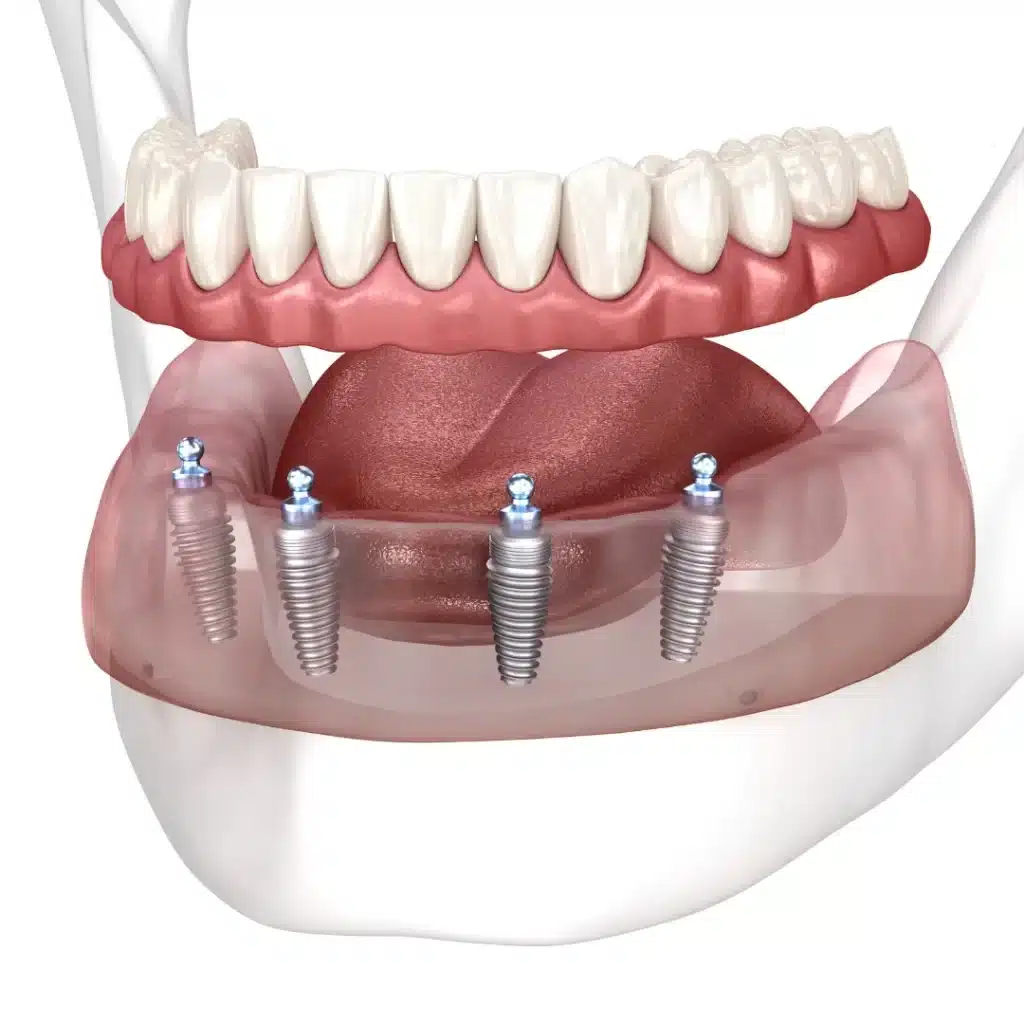
For years, dentures were the primary solution for replacing multiple missing teeth. While they restore the look of a smile, they often come with daily hassles like slipping, adhesives, and cleaning routines. Dental implants offer a fundamentally different approach. Instead of resting on your gums, an implant is securely anchored into your jawbone, becoming a permanent part of you. This fusion provides incredible stability and helps preserve your facial structure by preventing bone loss. For those seeking a permanent fix, a full mouth dental implant provides a secure, comfortable, and natural-feeling alternative. This article will compare these two options, covering the key differences in stability, maintenance, and long-term oral health.
Did you know that a smile makeover can transform your features at any age? A smile is not just a facial expression; it reflects your confidence and personality. While there are many factors, from genetics to accidents to aging and lifestyle choices, that tend to affect your teeth and smile, cosmetic dentistry can alleviate all such causes, improving and enhancing the appearance of your smile. There is a range of treatments, from teeth whitening to veneers, all aimed at improving the look of your teeth, regardless of age. Whether you are a teenager or someone in their senior years, with full mouth dental implants in Denver, you can get a smile makeover that fits your wants and goals. Cosmetic dentistry can transform your look with a smile makeover, which builds confidence and shows you how to age gracefully. In this blog post, we’ll discuss the different options for a smile makeover for various age groups and other cosmetic dentistry solutions for different life stages.
Teen Smile Makeovers: Building Confidence
Teenagers often face issues such as misaligned teeth and discoloration, which can make them underconfident at the most vital stage. Here’s what a smile makeover with full mouth dental implants in Colorado can do for teenagers:
- Orthodontics: For orthodontic correction, traditional metal braces or clear guides like Invisalign can help correct alignment issues, straighten teeth that are not in the right place, fix bite problems, and ensure a beautiful smile.
- Teeth Whitening: This is a popular choice among young adults looking forward to getting rid of stains and brightening their teeth. Since teens tend to eat a lot of sugary and acidic food, they often discolor their teeth, which can only be fixed by a professional tooth-whitening service.
- Dental Bonding: If you have minor dental problems like chipped teeth, dental bonding is a non-invasive way to fix that, helping your smile look better. During these important years, which shape a young person’s confidence, these treatments can be beneficial for boosting confidence while improving overall oral health.
- Cavities and Fillings: If you are a teenager who has cavities due to eating habits, you must get these treatments done to take care of the cavities before they worsen and cause more problems like pain and discomfort.
Who is a Good Candidate for Dental Implants?
Dental implants are an incredible, long-term solution for replacing missing teeth and restoring your smile. They look, feel, and function just like natural teeth. But are they the right choice for everyone? The truth is, certain factors make someone an ideal candidate for this procedure. Your overall health, the condition of your gums, and the structure of your jaw all play a part in the success of an implant. The best way to determine your eligibility is to have a conversation with a dental expert who can assess your specific situation. A thorough dental implant consultation will give you a clear picture of your options and help you make an informed decision about your smile’s future.
Why Jawbone Maturity is Essential
Think of a dental implant as a new tree you’re planting. For it to grow strong and last for years, it needs solid ground to anchor its roots. In the same way, a dental implant needs a strong, stable foundation in your jaw. This is why one of the first requirements is a fully developed jawbone. As noted by the Mayo Clinic, this ensures the implant can properly fuse with the bone in a process called osseointegration. If the jaw is still growing, as it is in most teenagers, the position of the implant could shift over time, leading to complications. Ensuring your jawbone is mature provides that stable base needed for a successful, lifelong implant.
General Health and Gum Condition Requirements
Beyond a mature jaw, your general and oral health are key. Healthy gums are a must, as they create a tight seal around the implant, protecting it from infection. You also need enough healthy bone to support the implant post. If you’ve experienced bone loss, don’t worry—procedures like bone grafting can often rebuild the area to make it suitable for an implant. Your overall health matters, too. The FDA points out that conditions that affect bone healing, like uncontrolled diabetes, can pose risks. Similarly, smoking can hinder the healing process and impact the long-term success of your implant. Being open about your health history with your dentist helps them create the safest and most effective treatment plan for you.
Adult Smile Makeovers: Balancing Aesthetics and Functionality
Adults in their 30s and 40s often seek cosmetic improvements to maintain a youthful appearance and build a professional image when on the verge of advancing in their careers. In Denver, Colorado, advanced dental implant solutions are helping patients regain lasting confidence with aesthetic teeth appearance and healthy, natural functioning, addressing damage that has occurred over time. The procedure for adults includes:
- Porcelain Veneers: Porcelain veneers help cover chips, cracks, and discoloration, hiding a range of dental problems and making a visible difference in how your teeth look.
- Dental Implants: If you are an adult missing a tooth, dental implants are the easiest way to fix that permanently, restoring the function and appearance of your teeth.
- Teeth Straightening: Clear aligners or standard braces are mostly preferred for straightening misaligned teeth, making your smile look better and making it easier to consume food.
- Tooth-Coloured Fillings: For adults, replacing old metal fillings with tooth-coloured fillings can transform their smile, making them look better.
What is a Mouth Dental Implant?
When you’re missing a tooth, it can feel like there’s a huge gap in your smile and your confidence. That’s where dental implants come in. Think of a dental implant as a complete, permanent replacement for a lost tooth, from root to crown. According to the Mayo Clinic, they are essentially metal posts that act as artificial tooth roots. A sturdy, natural-looking artificial tooth, called a crown, is then securely placed on top of that post. The end result looks, feels, and functions just like a real tooth, allowing you to eat, speak, and smile without a second thought. It’s a durable, long-term solution designed to blend seamlessly with your existing teeth.
The Three Core Components: Implant, Abutment, and Crown
A dental implant isn’t just one piece; it’s a sophisticated system made of three core parts working together. First is the implant itself—a small, screw-like post typically made of titanium that is placed into your jawbone to serve as the new tooth root. Next is the abutment, which is a connector piece that attaches to the top of the implant and sits just above the gumline. Its job is to hold the new tooth securely in place. Finally, there’s the crown, which is the visible part of the replacement. This is the custom-made artificial tooth designed to perfectly match the color, shape, and size of your natural teeth, giving you a complete and beautiful smile.
The Dental Implant Procedure Explained
The journey to getting a dental implant is a carefully planned process that unfolds over several months. It’s not a one-day fix, and that’s because the procedure is designed for permanence and stability. Much of the timeline is dedicated to healing, specifically allowing your jawbone to grow around and fuse with the implant post. This creates an incredibly strong foundation for your new tooth. While it requires patience, this multi-step approach ensures your implant will be a lasting part of your smile. At Dental & Implant Centers of Colorado, our team guides you through every stage, making sure you’re comfortable and informed from your initial consultation to the final placement of your beautiful new tooth.
Initial Consultation and Jawbone Preparation
Your first step is a comprehensive consultation. During this visit, we’ll conduct a full dental exam, take detailed X-rays, and review your medical history to ensure you’re a good candidate for the procedure. A key factor for success is having enough healthy jawbone to support the implant. If your bone isn’t quite thick or strong enough, don’t worry—that doesn’t mean you’re out of options. A procedure called bone grafting might be recommended. This involves adding bone material to your jaw to create a more solid base for the implant, setting you up for a successful and lasting outcome.
Surgical Placement and Osseointegration
Once your jaw is ready, the next step is the surgical placement of the implant post. This titanium post is carefully inserted into your jawbone where the missing tooth’s root used to be. After this, the most important healing phase begins: osseointegration. This is the natural process where your jawbone gradually grows around and fuses directly with the implant. This fusion is what makes dental implants so incredibly strong and stable—it essentially becomes a part of your jaw. This healing period can take several months, but it’s the critical step that ensures your implant has a rock-solid foundation for life.
Attaching the Final Restoration
After the osseointegration process is complete and your implant is firmly anchored in your jawbone, you’re ready for the final step. You’ll return to our office to have the abutment attached to the implant post. Once that’s in place, we take impressions of your mouth to create your permanent, custom-made crown. This crown is meticulously crafted to match the color and shape of your surrounding teeth for a flawless, natural look. Once it’s ready, we secure it to the abutment, completing your smile restoration. You can see the incredible transformations in our before and after gallery.
Detailed Benefits of Dental Implants
Choosing dental implants is about more than just filling a space in your smile; it’s about restoring your quality of life. Unlike other tooth replacement options, implants are designed to replicate the entire structure of a natural tooth, from the root up. This provides unmatched stability and function, allowing you to live without the worries that often come with missing teeth or less permanent solutions. The benefits extend beyond aesthetics, positively impacting your ability to eat your favorite foods, speak with clarity, and maintain your long-term oral health. It’s a comprehensive solution that helps you feel confident and comfortable in your everyday life.
Restoring Full Chewing Power
One of the most significant advantages of dental implants is the ability to eat without restriction. Because the implant fuses with your jawbone, it provides a level of stability that other replacements like dentures simply can’t match. This means you can bite into an apple, chew a steak, or enjoy crunchy vegetables with complete confidence, just as you would with your natural teeth. You won’t have to worry about your tooth slipping or feeling unstable while you eat. This restoration of full chewing power not only lets you enjoy your favorite foods again but also supports better digestion and overall nutrition.
Improving Speech and Supporting Facial Structure
Missing teeth can do more than just affect your smile; they can alter the way you speak and even change the shape of your face. Gaps can cause you to mumble or lisp, while the lack of a tooth root can lead to bone loss in the jaw. Over time, this bone deterioration can cause your facial features to sag, making you appear older. Dental implants solve both problems. They fill the gap to help you speak clearly and naturally, and the implant post stimulates the jawbone, preventing bone loss and preserving your natural facial contours for a more youthful appearance.
A Cavity-Proof Tooth Replacement
Here’s a benefit you’ll definitely appreciate: the materials used to make dental implants, specifically the crown, cannot decay. This means you’ll never have to worry about getting a cavity in your replacement tooth. While the implant itself is cavity-proof, it’s still crucial to maintain excellent oral hygiene. Brushing, flossing, and regular dental check-ups are essential for keeping your surrounding gums and teeth healthy. Healthy gums are vital for the long-term success of your implant, so consistent care is key to ensuring your new smile lasts a lifetime.
Dental Implants vs. Traditional Dentures
When considering options for missing teeth, many people weigh dental implants against traditional dentures. While both can restore the appearance of a full smile, they function very differently. Dentures are a removable appliance that rests on top of your gums, whereas dental implants are a permanent solution that is surgically integrated with your jawbone. This fundamental difference impacts everything from stability and comfort to long-term oral health. Understanding these key distinctions can help you make an informed decision about which solution is the right fit for your lifestyle and health goals.
Comparing Stability and Bone Health
The biggest advantage implants have over dentures is their relationship with your jawbone. A dental implant acts like a natural tooth root, stimulating the bone and preventing it from deteriorating. This process helps maintain your facial structure over time. In contrast, dentures sit on the gums and don’t provide any stimulation to the jawbone beneath. This can lead to gradual bone loss, causing the jaw to shrink. As a result, dentures can become loose over time, requiring frequent adjustments and adhesives to stay in place, while implants remain securely fixed.
Differences in Lifespan and Maintenance
Dental implants are built for the long haul. With proper care, the titanium implant post can last a lifetime, making it a permanent solution. Traditional dentures, on the other hand, typically need to be replaced every five to seven years due to wear and the changing shape of your jaw. Maintenance is also simpler with implants—you just brush and floss them like your natural teeth. Dentures require a more involved routine, including removal for daily cleaning, soaking, and the use of special adhesives, which can be a daily inconvenience for many people.
Understanding the Cost of Dental Implants
It’s true that dental implants are a significant investment in your oral health, and the cost is an important factor for anyone considering the procedure. The price can vary widely because every patient’s situation is unique. Unlike a standard procedure with a fixed price, the cost of a dental implant is tailored to your specific needs, from the current state of your oral health to the final look you want to achieve. Thinking of it as a long-term investment can be helpful, as their durability often makes them more cost-effective over time compared to other options that require frequent replacement.
A Breakdown of a Single Implant’s Cost
The total cost for a single dental implant, including the post, abutment, and crown, can range anywhere from $1,500 to $6,500. This wide range reflects the many variables that go into the procedure. For example, the type of material used for the crown, the complexity of the placement, and the specific technology involved can all influence the final price. During your consultation, you will receive a detailed and transparent breakdown of all the anticipated costs so you can understand exactly what the investment covers and make a decision that feels right for you.
Factors That Influence the Final Price
Several key factors determine the final cost of your dental implant treatment. The number of implants you need is the most obvious one, but other procedures may also be required. For instance, if you need a tooth extracted before the implant is placed or require a bone graft to build up your jawbone, these will add to the overall cost. The type of final restoration—whether it’s a single crown or a bridge supporting multiple teeth—also plays a role. At Dental & Implant Centers of Colorado, we help you explore all your financing and insurance options to make your new smile as accessible as possible.
Senior Smile Makeovers: Aging Gracefully
Seniors face various dental challenges, from tooth loss to gum issues. Typical treatments for seniors or middle-aged adults include:
- Dental Implants: Dental implants can be a permanent solution for seniors with missing teeth, giving them stability and stopping bone loss in the jaw.
- Gum Contouring: As your gums recede, your teeth look longer and less appealing. Gum shaping helps reshape your gumline, making it look younger again.
- Teeth Whitening: To make your smile look younger and dazzling, you can get teeth whitening, which helps get rid of stains caused by drinking tea and coffee.
- Partial or Full Dentures: For people who have lost many teeth due to accidents or aging, full mouth dental implants in Colorado can fix the problem, making it look natural and comfortable.
Conclusion If you’re considering full mouth dental implants in Denver, Colorado, DICC offers advanced solutions to restore comfort, function, and the confident smile you deserve.
Types of Implant Restorations
When you think of dental implants, you might picture a single replacement tooth. But the technology is incredibly versatile, offering solutions for everything from one missing tooth to a full smile reconstruction. The right choice for you depends on your specific needs, budget, and lifestyle. Your dentist will walk you through the options, but they generally fall into two main categories: fixed restorations that stay in your mouth permanently and removable ones that you can take out for cleaning. Both are designed to look and feel natural, giving you a secure and confident smile.
Fixed (Non-Removable) Options
For a truly permanent solution, fixed restorations are the gold standard. Full mouth dental implants replace all your teeth with a custom-made bridge that is securely anchored to titanium posts in your jawbone. These posts act just like natural tooth roots, providing incredible stability. You never have to worry about them slipping or coming out. You simply brush and care for them just like you would your natural teeth, enjoying a smile that feels completely your own.
Removable Overdentures
If you like the idea of a denture but want more security, a removable overdenture is an excellent choice. This option, often called an anchored denture, involves a custom denture that snaps securely onto dental implants. This design prevents the slipping and discomfort common with traditional dentures. You get the stability of implants when you’re eating and talking, plus the convenience of being able to remove the denture for easy and thorough cleaning each night.
Longevity and Success Rate
One of the biggest advantages of dental implants is their durability. Unlike other tooth replacement options that may need to be replaced every 5 to 15 years, implants are built to last. They are a long-term investment in your oral health and overall quality of life. The high success rate is a testament to decades of dental innovation, but that success also depends on you. Proper care and choosing an experienced dental team are crucial factors in making sure your new smile lasts a lifetime.
How Long Dental Implants Can Last
With proper care and regular dental checkups, your dental implants are designed to be a permanent part of your smile. Studies have shown they can last for 25 years or even a lifetime. The titanium post fuses with your jawbone in a process called osseointegration, creating a rock-solid foundation that mimics a natural tooth root. While the crown or bridge attached to the implant may eventually need replacement due to normal wear and tear, the implant post itself is incredibly resilient.
Factors Contributing to a High Success Rate
Dental implants have an impressive success rate of around 98%. This success is due to precise surgical techniques and the biocompatible nature of titanium. However, certain factors can affect the outcome. Smoking, for example, can hinder the healing process and increase the risk of implant failure. Similarly, uncontrolled chronic conditions like diabetes or a compromised immune system can impact success. That’s why a thorough evaluation with an experienced team is the first step to ensure you’re a great candidate for the procedure.
Aftercare and Maintenance for Your Implants
Caring for your dental implants is just as important as the surgery itself. Think of it as protecting your investment. The good news is that implant maintenance isn’t complicated; in many ways, it’s very similar to caring for natural teeth. A consistent daily routine combined with professional oversight will keep your implants, gums, and surrounding teeth healthy for years to come. Your dental team will give you a detailed plan, ensuring you have all the tools and knowledge you need for long-term success.
Daily Cleaning and Care Routine
Your dentist will provide specific instructions for cleaning, and it’s vital to follow them carefully. Just like with natural teeth, plaque can build up around implants, potentially leading to gum issues. A solid daily routine should include brushing twice a day with a soft-bristled toothbrush and cleaning between the implants daily with tools like a water flosser or special implant-friendly floss. Keeping the implant site and surrounding teeth clean is the most important thing you can do for its long-term health.
The Importance of Regular Dental Checkups
Even though your implant can’t get a cavity, regular dental checkups are non-negotiable. These appointments allow your dentist to monitor the health of your gums and the integrity of the implant and its restoration. Professional cleanings remove any hardened plaque that you can’t get at home. The expert team at DICC will make sure everything looks great and functions perfectly, catching any potential issues before they become problems.
Potential Risks and Safety Information
Like any surgical procedure, dental implant placement comes with potential risks. However, when performed by a skilled and experienced professional, complications are rare. Being well-informed is the best way to feel confident and prepared. A thorough consultation is essential, where your dentist will review your medical history, take detailed scans of your mouth, and discuss every aspect of the procedure with you. This ensures the treatment plan is tailored specifically to your health and anatomy for the safest possible outcome.
Understanding Surgical Risks
While uncommon, potential issues during surgery can include injury to surrounding tissues, such as nearby natural teeth or blood vessels. There is also a very small risk of nerve damage or jawbone fracture. Choosing a specialist with extensive experience in placing implants significantly minimizes these risks. They use advanced imaging and precise techniques to plan the surgery meticulously, ensuring the implant is placed safely and accurately, away from sensitive structures.
Health Conditions and Implant Viability
Being a good candidate for dental implant services depends on a few key factors. Ideally, your jawbone should be fully grown, and you should have enough healthy bone to secure the implant. If you’ve experienced bone loss, a bone graft can often solve the problem. Healthy gums are also essential. Your dentist will evaluate your overall health to ensure you can heal properly from the procedure, making it a safe and viable option for restoring your smile.
Frequently Asked Questions
How painful is getting a dental implant? This is one of the most common questions, and the answer is usually a pleasant surprise. The procedure itself is done with local anesthesia, so you won’t feel any pain during the placement. Afterward, most people say the discomfort is very manageable—often less than what you’d feel after a tooth extraction. Any soreness can typically be handled with over-the-counter pain relievers and should fade within a few days.
I’ve worn dentures for years. Can I still switch to dental implants? Absolutely. Many people who have worn dentures for a long time choose to switch to implants for better stability and comfort. Because dentures don’t stimulate the jawbone, you may have experienced some bone loss. If that’s the case, a bone grafting procedure can often be done to build a strong foundation for the implants. This is a very common path to a more permanent and secure smile.
Is there an age limit for getting dental implants? There isn’t an upper age limit for dental implants. As long as you are in good general health, you can be a candidate well into your senior years. For younger patients, the main requirement is that the jawbone has finished growing, which usually happens in the late teens for girls and early twenties for guys. The key factors are your overall health and bone structure, not your age.
How long does the entire dental implant process take from start to finish? The full process requires some patience, typically taking several months from the initial consultation to the final crown placement. The longest part of the journey is the healing phase, called osseointegration, where the implant fuses with your jawbone. This step is essential for creating that strong, permanent foundation and can last anywhere from three to six months. While it’s not a quick fix, the lasting result is well worth the wait.
Will my dental implant look and feel like a real tooth? Yes, that’s the goal and one of the biggest benefits. The final crown is custom-made to match the exact color, shape, and size of your surrounding teeth for a seamless blend. Functionally, because the implant is anchored into your jawbone just like a natural root, it feels incredibly stable. You’ll be able to eat, speak, and smile with complete confidence, and most people forget they even have an implant.
Key Takeaways
- Implants rebuild your tooth from the root up: Unlike dentures that simply rest on your gums, a dental implant is a permanent post anchored in your jawbone, which preserves your facial structure and restores your ability to eat with confidence.
- Your health is the foundation for success: The best candidates for dental implants have a fully developed jawbone and healthy gums. A thorough consultation is the first step to confirm if implants are a safe and effective option for your specific situation.
- The process is a journey to a permanent result: Getting a dental implant happens in stages over several months. This timeline is essential because it allows your jawbone to fuse with the implant, creating a rock-solid base for a smile that can last a lifetime.
