




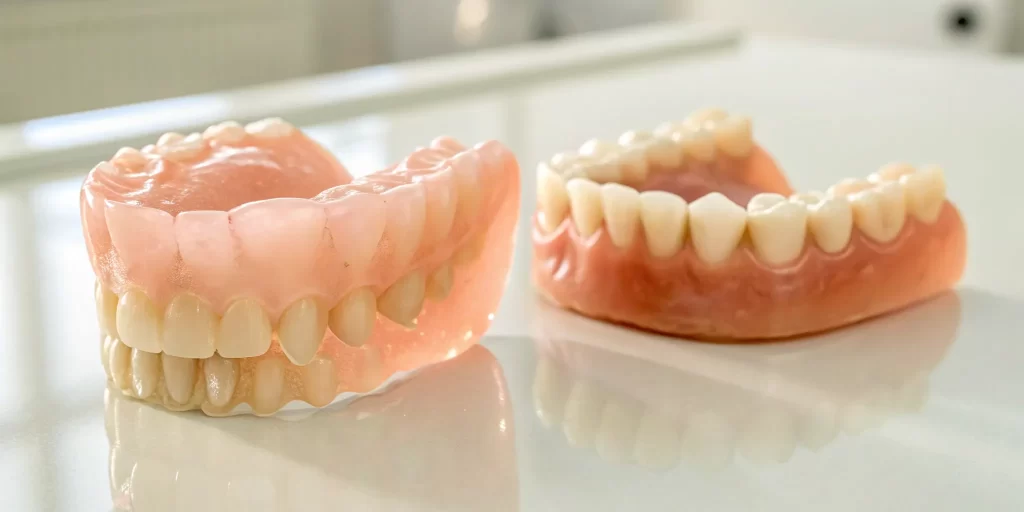
Let’s be honest: the word “dentures” might bring to mind outdated images of bulky, unnatural-looking teeth. But modern dentistry has completely transformed what’s possible. Today’s dentures are custom-crafted works of art, designed to look, feel, and function just like natural teeth. The best way to see this evolution for yourself is by looking at pictures of dentures before and after. These galleries bust old myths by showcasing smiles that are vibrant, comfortable, and completely seamless. They are proof that you don’t have to settle for anything less than a beautiful, confident smile. By examining these transformations, you can see the incredible results modern materials and expert craftsmanship can achieve, helping you move forward with excitement instead of apprehension.
Key Takeaways
- Analyze Before-and-Afters Like an Expert: Look past the smile and check for consistent lighting and angles in a dentist’s photo gallery. This transparency is a sign of quality work and helps you set realistic expectations for your own results.
- A Great Result is a Team Effort: A successful transformation is a collaboration. It combines your dentist’s skill, high-quality materials, a perfect fit, and your own commitment to the adjustment period and long-term care.
- Focus on Fit and Function, Not Just Looks: Modern dentures are custom-designed to match your facial structure for a natural appearance and comfortable function. A proper fit is the key to avoiding discomfort and confidently eating, speaking, and smiling.
See the Change: Why Denture Before-and-Afters Matter
Making the decision to get dentures is a big step, and it’s completely normal to wonder what your new smile will look like. While descriptions and diagrams are helpful, nothing tells the story quite like a photograph. Before-and-after photos are powerful tools that show you real, tangible results. They cut through the clinical jargon and let you see the life-changing impact of high-quality dental work with your own eyes.
Think of a dental gallery as a portfolio of possibilities. It helps you visualize how different denture solutions address specific issues, from a few missing teeth to a complete smile restoration. Seeing these transformations can build your confidence and excitement for the journey ahead. It’s proof that you’re not just fixing a dental problem—you’re investing in a smile you can feel proud of. By looking at a provider’s past work, you can get a clear sense of their skill, artistry, and the quality of care you can expect to receive.
Your Denture Options
The word “dentures” might bring a single image to mind, but today’s options are incredibly diverse and tailored to your specific needs. Modern dentures are designed to look natural, fit comfortably, and restore function to your bite. Whether you need to replace a few missing teeth or require a full set, there’s a solution for you. The main types include full dentures for an entire arch, partial dentures that clip into place around your existing teeth, and implant-supported dentures that offer superior stability. Each of our dental services is designed to give you a secure, confident smile.
How Photos Help You Decide
A picture is worth a thousand words, especially when it comes to your smile. Before-and-after photos are one of the best ways to understand how dentures can improve not just your smile, but your overall dental health. These images show how custom dentures can resolve a wide range of issues, including broken or infected teeth, significant tooth loss, and problems caused by old, ill-fitting dental work. When you browse a before-and-after gallery, you can see real patient outcomes and find examples that might look similar to your own situation, making the final result feel much more achievable.
Setting Realistic Expectations
While it’s exciting to see dramatic transformations, it’s also important to set realistic expectations for your own results. Before-and-after photos are a great tool for this. They show you what’s possible with modern materials that closely mimic the look and feel of natural teeth. At the same time, they help you understand that every smile is unique. Your final look will be customized to fit your facial structure, jawline, and personal preferences. A good gallery showcases a variety of outcomes, giving you a balanced perspective on what your new smile can look like.
Full vs. Partial Dentures: What to Look For in Photos
When you start looking at denture transformations, you’ll notice they fall into a few different categories. Understanding the type of denture you’re seeing will help you evaluate the photos and see what’s possible for your own smile.
Full Dentures: A Complete Smile Transformation
When you’re missing all the teeth on your upper or lower arch, full dentures offer a way to restore your entire smile. As you browse through before-and-after photos, you’ll see how they can resolve a wide range of issues, from widespread decay and gum disease to replacing old, worn-out dentures. Look for a natural-looking gum line that complements the patient’s smile, not one that looks artificial or bulky. The teeth themselves should be sized and shaped to fit the person’s facial structure, creating a balanced and harmonious appearance. A great set of full dentures doesn’t just change a smile; it can support the cheeks and lips, giving the entire face a more youthful and complete look.
Partial Dentures: Filling in the Gaps
If you still have some healthy, natural teeth, a partial denture is designed to fill in the spaces left by missing ones. The key to a successful partial is how well it blends in. When you examine photos, pay close attention to the color and shape of the denture teeth—they should be a near-perfect match to the surrounding natural teeth. A high-quality partial denture is practically invisible. Also, look at how it attaches. While some have small metal clasps, modern designs often use more discreet, flexible materials. The goal is for the appliance to seamlessly integrate, restoring your bite and completing your smile without drawing attention to itself. Our team offers a variety of dental services to find the perfect fit for you.
Implant-Supported vs. Traditional Dentures
You’ll also see photos of smiles restored with implant-supported dentures. Unlike traditional dentures that rest on the gums, these are anchored to a few strategically placed dental implants. This creates an incredibly stable and secure foundation. While you can’t see the implants in a photo, you can see the results. Look for a smile that appears solid and permanent, with no hint of looseness. The denture should fit snugly against the gums for a comfortable, natural look. Because implants help preserve your jawbone, patients often maintain their facial structure better over time. This added security means you can eat, speak, and laugh with total confidence, knowing your smile is firmly in place.
How to Analyze Denture Before-and-After Photos
Looking at a gallery of before-and-after photos can feel a bit like a magic show. But you’re not looking for magic—you’re looking for skill, artistry, and results you can trust. Knowing what to look for helps you see past the dramatic reveals and focus on the quality of the work itself. A discerning eye is your best tool when evaluating a potential dentist. By carefully examining their past work, you can get a clear picture of the kind of results you can expect for your own smile.
Signs of High-Quality Work
The best before-and-after photos are all about consistency. Look for images taken with similar lighting, camera angles, and patient positioning. When these elements are the same, you can be sure that the incredible transformation you’re seeing is due to the dental work, not clever photography. This consistency shows that the dental practice is transparent and confident in their results. It means they aren’t trying to use shadows or different angles to exaggerate the outcome. A great gallery, like our own before-and-afters, will present clear, honest comparisons that let the quality of the dentures speak for itself. This attention to detail in photos often reflects the same care they put into their dental work.
Red Flags to Watch For
Just as there are signs of quality, there are also red flags that should make you pause. Be cautious if you see photos with dramatic shifts in lighting—a dark, shadowy “before” photo and a bright, glowing “after” can create an illusion of a better result. Similarly, watch out for different camera angles or head positions that might hide certain aspects of the work. Heavily edited or low-resolution photos are another warning sign, as they can obscure the fine details of the dentures and gums. A provider should be proud to show off their work in a clear, straightforward way, without relying on photographic tricks to make their results look better than they are.
Why Good Photography Matters
You might think professional photography is just for marketing, but it’s actually a sign of a practice’s commitment to accuracy and quality. High-quality, standardized photos are essential for representing the results of any dental procedure honestly. When a dentist takes the time to ensure patients are positioned the same way in every shot, it provides a much clearer and more reliable comparison. This practice shows respect for potential patients by giving them the tools to make an informed decision. It demonstrates a level of professionalism and pride in their work that extends to all of their dental services. Good photos aren’t just about looking good; they’re about being truthful.
How to Spot a Realistic Result
A successful denture transformation should look natural, not artificial. Modern dentures are crafted from advanced materials designed to mimic the look and feel of real teeth. When you’re looking at photos, check to see if the dentures fit the person’s face. Do they look like they belong? A great dentist designs dentures to match the patient’s original tooth shape, size, and color, creating a smile that is both beautiful and believable. Steer clear of results that look too perfect or like a “one-size-fits-all” solution. The goal is a smile that restores your confidence and looks like it has always been yours.
How Photos Help You Choose the Right Dentist
Choosing a dentist for a significant procedure like getting dentures is a big decision. You want someone with the right skills, experience, and an artistic eye to create a smile that looks and feels natural. While testimonials and consultations are important, before-and-after photos offer a unique and honest look into a dentist’s work. They are your best tool for seeing what’s possible and finding a provider whose results align with your goals.
Think of a photo gallery as a portfolio. It’s a visual resume that showcases a dentist’s capabilities, from handling complex cases to achieving subtle, natural-looking enhancements. By reviewing these photos, you can move past the descriptions on a website and see the actual outcomes for real patients. This helps you find a team you can trust to restore not just your smile, but your confidence, too. These images cut through the marketing language and provide tangible proof of a dentist’s craftsmanship. They allow you to assess the aesthetic quality of their work and determine if their style is a good fit for you before you even step into the office. It’s an empowering step in your research that puts you in control of your decision-making process.
Judge a Provider by Their Results
When it comes to dental work, results speak for themselves. Before-and-after photos are direct visual evidence of a dentist’s skill and ability to transform a person’s smile. A reputable provider will be proud to showcase a gallery of successful transformations because it demonstrates their expertise across a variety of cases. As you browse these images, you get a clear sense of their work quality. Do the new smiles look natural? Do they complement the patient’s face? A robust portfolio shows that the dentist has a track record of success and can handle different patient needs, giving you confidence in their ability to deliver the results you’re looking for.
See Different Treatment Styles
Every patient is unique, and so is every smile. Reviewing a photo gallery allows you to see the different denture options a practice offers and how they look on real people. You can compare the appearance of full dentures, partials, and implant-supported dentures to see which style might be right for you. This is especially helpful because modern dentures are far from one-size-fits-all. Seeing the range of designs helps you find a treatment that matches your personal aesthetic. It’s your chance to see if a dentist’s artistic style aligns with your vision for your own smile, ensuring you’ll be happy with the final outcome.
Look for Consistent, Quality Outcomes
As you look at photos, pay attention to the details. High-quality galleries often use consistent lighting and camera angles to give you an honest representation of the work. This isn’t about judging their photography skills; it’s about transparency. When the “before” and “after” shots are taken under similar conditions, you can trust that the results are accurate. Consistency across multiple patient photos is also a great sign. It shows that the experts behind the work can reliably produce excellent results time and time again. This level of detail and consistency in their photo gallery often reflects the same care and precision they bring to their dental practice.
Busting Denture Myths with Before-and-After Photos
When you think of dentures, what comes to mind? If it’s a clunky, unnatural-looking set of teeth sitting in a glass, it’s time for an update. Modern dentistry has completely changed the game, and today’s dentures are nothing like the ones your grandparents had. So many of the old stories you’ve heard are just that—stories.
The best way to see the truth is with your own eyes. Before-and-after photos don’t just show a new smile; they reveal the incredible artistry and technology behind modern dentures. Let’s clear up some of the most common misconceptions and see how a well-crafted set of dentures can truly transform a smile.
Myth: Dentures Always Look Fake
This is probably the biggest myth out there, and it’s one we love to bust. The idea that dentures are easy to spot comes from outdated technology. Today, dentures are crafted from advanced materials that mimic the translucency and texture of natural tooth enamel. Each tooth is individually characterized to match the subtle variations of a real smile. Our team works meticulously to design dentures that complement your facial structure, skin tone, and even your personality. The result is a smile that is virtually indistinguishable from natural teeth. Just look at our before-and-after gallery—the proof is in the pictures.
Myth: Dentures Are Uncomfortable
A comfortable denture is all about the fit. Discomfort is almost always a sign of a poor-fitting appliance, not an issue with dentures themselves. Our process involves precise measurements and impressions to create a custom fit that rests securely and comfortably against your gums. For those seeking the highest level of stability, implant-supported dentures anchor directly to your jaw, eliminating any chance of slipping or rubbing. While there’s a brief adjustment period as you get used to them, modern dentures are designed for all-day comfort, allowing you to eat, talk, and smile with total confidence.
Myth: Dentures Are Only for Older People
Tooth loss can happen at any age for a variety of reasons, from injury to illness to genetics. Believing you’re “too young” for dentures can keep you from a solution that restores your confidence and oral health. We create beautiful, life-like dentures for patients of all ages. Modern designs are discreet, comfortable, and easy to maintain, making them a practical choice for anyone looking to complete their smile. Getting dentures isn’t about age; it’s about choosing to reclaim your quality of life. Our patient testimonials feature people from all walks of life who have found renewed confidence with their new smiles.
See How Dentures Can Improve Speech and Eating
Beyond aesthetics, dentures play a crucial role in restoring function. Gaps from missing teeth can make it difficult to pronounce certain words and can severely limit your diet. A well-made set of dentures provides the structure and support your tongue and lips need for clear speech. They also restore your chewing ability, allowing you to enjoy a wider variety of nutritious and delicious foods you may have been avoiding. This isn’t just about looking better—it’s about living better. High-quality dental solutions are designed to improve your overall health and daily experience.
What Affects Your Denture Transformation?
When you look at stunning before-and-after photos, it’s easy to focus on the final smile. But a successful denture transformation is about more than just the teeth themselves. It’s a highly personalized process where several key factors come together to create a result that looks natural, feels comfortable, and functions beautifully. Your final outcome depends on a partnership between your dental team’s expertise and your own unique anatomy and commitment to the process.
Understanding these elements helps you appreciate the craftsmanship behind a great set of dentures and sets you up for a successful experience. From the materials used to the custom fit, every detail matters. Let’s walk through the four main components that influence your final result, so you know exactly what contributes to a life-changing new smile.
Your Unique Facial Structure
A truly great set of dentures is designed just for you, complementing your specific facial features. This isn’t a one-size-fits-all solution. Our dental team takes a holistic approach, considering your jawline, lip support, and the natural contours of your face. The goal is to create a smile that looks like it has always been yours. We carefully match the shape, size, and color of the denture teeth to your original smile and what looks most natural for you now. This artistic touch is what separates standard dentures from a custom-crafted smile that restores your confidence and facial harmony.
The Quality of Denture Materials
The materials used to make your dentures have a huge impact on their appearance, comfort, and durability. Gone are the days of obviously fake-looking teeth. Modern dentures are made from advanced acrylics and resins that closely mimic the translucency and texture of natural tooth enamel and gum tissue. High-quality materials not only look more realistic but also stand up better to daily wear and tear. When you invest in premium dental solutions, you’re choosing a smile that is built to last, feel comfortable, and look virtually indistinguishable from natural teeth.
The Importance of a Perfect Fit
A perfect fit is the cornerstone of a successful denture experience. It’s about much more than just avoiding sore spots; a secure, custom fit allows you to eat, speak, and laugh with total confidence. Ill-fitting dentures can slip, click, or cause irritation, making daily life uncomfortable. Our process involves taking precise impressions and making meticulous adjustments to ensure your dentures sit snugly and securely against your gums. For those seeking even greater stability, anchored dentures offer a solution that locks your smile in place, providing unparalleled function and peace of mind.
Your Personal Healing Process
Your role in the transformation is just as important as ours. Adjusting to new dentures takes a little time and patience. Your mouth needs to get used to the new appliance, and your commitment to the process makes all the difference. Following aftercare instructions, such as starting with softer foods and practicing speaking, can speed up the adjustment period. Your gums and jaw may also change slightly as they heal, which is why follow-up visits are so important. These appointments allow us to make minor adjustments, ensuring your dentures remain comfortable and functional for the long haul.
What Is the Denture Process Like?
Getting dentures is a journey, not a single appointment. It’s a collaborative process between you and your dental team to create a smile that looks great and feels comfortable. While every patient’s path is unique, the process generally follows a few key stages. Understanding these steps can help you feel more prepared and confident as you move toward your new smile. From the first conversation to the final fitting, each phase is designed to ensure your dentures are a perfect match for you.
Step 1: Your Consultation and Plan
Everything starts with a conversation. Your first appointment is a chance for us to get to know you, understand your goals, and assess your oral health. During this consultation, we’ll determine if dentures are the right dental restoration for you and discuss all the available services that could meet your needs, from partials to implant-supported options. This is your time to ask questions and share any concerns. We’ll take impressions and measurements to create a personalized treatment plan that maps out every step, ensuring you know exactly what to expect.
Step 2: Fittings and Adjustments
Creating dentures that fit perfectly is both an art and a science. Ill-fitting dentures can cause sore spots and discomfort, so we take the time to get it right. Using the impressions from your first visit, we’ll create a wax model of your dentures for you to try on. This allows us to make precise adjustments to the fit, shape, and color before the final set is made. We’ll work with you through one or more fitting appointments to ensure your new teeth feel secure and function effectively, giving you a comfortable and natural-looking bite.
Step 3: Your Final Smile Reveal
This is the moment you’ve been waiting for. Once your final dentures have been crafted, you’ll come in for your delivery appointment. We’ll place your new dentures, making any last-minute minor adjustments to ensure a perfect fit. Modern dentures are made with advanced materials that closely mimic the look and feel of natural teeth, so your result should be a beautiful, confident smile. Seeing the transformation is incredibly rewarding, and you can see the kind of results our patients achieve in our before-and-after gallery.
What to Expect as You Adjust
Adjusting to new dentures takes a little time and patience. In the first few weeks, you might notice increased saliva flow or minor soreness as your mouth gets used to the appliance. To ease the transition, try eating softer foods and cutting them into small pieces. It’s also important to give your mouth a rest by removing your dentures for a few hours each day, especially while you sleep. Remember to clean them daily to keep them in great condition. We’re here to support you, so don’t hesitate to call if you need any further adjustments for comfort.
The Cost of Dentures: What to Expect
Understanding the financial side of getting dentures is a huge part of the process. We know that cost is a major consideration, and you deserve a clear picture of what to expect. The price of dentures isn’t one-size-fits-all; it depends on the type of denture you need, the materials used, and your specific treatment plan. Think of it as an investment in your health, confidence, and quality of life. The good news is that there are many ways to make this investment manageable, from using insurance benefits to flexible payment options. Let’s break down the costs so you can feel prepared and confident moving forward.
Breaking Down the Cost by Denture Type
The type of denture you choose is the biggest factor in determining the final cost. Traditional full dentures, for example, can cost around $1,800 on average. If you’re looking for a more permanent and stable solution, anchored dentures that are supported by dental implants will be a larger investment. According to healthcare cost resources, implant-supported dentures can range from about $3,000 to over $10,000, depending on how many implants are needed and the complexity of your case. During your consultation, we’ll go over all your options and provide a detailed cost estimate tailored to your specific needs, ensuring there are no surprises.
Using Insurance and Payment Plans
You don’t have to figure out the financial details alone. Most dental insurance plans cover a portion of the cost of dentures, often around 50%. Of course, every plan is different, so the first step is to check your specific benefits and coverage. Our team is here to help you make sense of your policy and maximize your benefits. For any remaining out-of-pocket costs, we offer payment plans that allow you to spread the expense over time. Our goal is to make your treatment accessible, and you can find more information on our financing and insurance page.
Exploring Your Financing Options
If you don’t have dental insurance or if your plan doesn’t cover everything, there are still plenty of ways to make your new smile affordable. Many patients use third-party financing options, which function like a loan for your dental care, often with low or no interest for a promotional period. These plans break down the total cost into low monthly payments that can easily fit into your budget. We believe that financial concerns shouldn’t stand in the way of getting the care you need. We can discuss all available financing options with you during your visit to find a solution that works for you.
How to Make Your New Smile Last
Your new dentures are a significant investment in your health and confidence, and taking care of them is simpler than you might think. With a few easy habits, you can ensure they stay comfortable, functional, and beautiful for years to come. Think of it as a partnership: you handle the daily upkeep, and we’ll be here for the professional tune-ups. This approach protects your dentures and maintains your overall oral health, so you can keep enjoying the benefits of your renewed smile. Let’s walk through the best ways to make that amazing transformation last.
Your Daily Care Routine
A solid daily routine is the foundation of long-lasting dentures. Just because they aren’t natural teeth doesn’t mean they can skip a cleaning. Every day, you’ll need to clean both your dentures and your mouth. Before putting your dentures in, gently brush your gums, tongue, and the roof of your mouth with a soft-bristled brush to remove plaque and stimulate circulation. Your dentures also need a daily brushing with a soft brush and a non-abrasive denture cleanser to keep them fresh. At night, let them soak in an approved solution for several hours to disinfect them and keep them from drying out. This simple routine is your best defense against stains and bacteria.
Why Regular Check-ups Matter
It’s a common misconception that getting dentures means you can say goodbye to the dentist’s chair. In reality, regular visits are more important than ever. Your mouth is constantly changing, and these subtle shifts in your gums and jawbone can affect how your dentures fit over time. During a check-up, our team will examine the fit of your dentures, check for any pressure points, and inspect your gums to ensure everything is healthy. These appointments help us catch small issues before they become big problems, ensuring your smile remains comfortable and functional for the long haul.
Protecting Your Investment
Your dentures are crafted to be durable, but they aren’t indestructible. Handling them with care is crucial. A great tip is to always clean them over a folded towel or a sink filled with water—this provides a soft landing just in case they slip. It’s also important to give your mouth a rest. We recommend removing your dentures for at least a few hours each day to allow your gum tissues to relax and recover. If you ever feel they’re a bit loose between appointments, a small amount of denture adhesive can provide extra stability. These small habits go a long way in protecting your investment.
Know When to See Your Dentist
While it takes a little time to get used to new dentures, you shouldn’t have to live with ongoing discomfort. Your dentures are designed to fit snugly and feel secure. If you start to notice they’re feeling loose, are rubbing uncomfortably, or are causing sore spots on your gums, it’s time to schedule a visit. Ignoring these signs can lead to irritation and other oral health issues. Please don’t try to adjust them yourself. Our professional dental services include precise adjustments and relines to restore that perfect, comfortable fit and get you back to smiling with complete confidence.
Related Articles
- Does Medicaid Cover Partial Dentures? A 2025 Guide
- Dentures Archives — Dental & Implant Centers of Colorado
- Dentures vs Implants: The Ultimate Pros & Cons
- Dentures and partials: understanding their differences • DICC
Frequently Asked Questions
How long will it take to get used to my new dentures? Adjusting to new dentures is a gradual process that’s a little different for everyone. You can expect a transition period of a few weeks as your mouth and muscles learn how to hold the dentures in place, speak clearly, and chew effectively. It’s common to experience some minor soreness or increased saliva at first, but these things typically fade as you adapt. Following your aftercare instructions and attending follow-up appointments for adjustments will make the process much smoother.
Will I be able to eat my favorite foods with dentures? Yes, a well-fitting set of dentures is designed to restore your ability to chew and enjoy a varied diet. We recommend starting with softer foods cut into small pieces to get comfortable. As you build confidence, you can gradually reintroduce tougher or chewier foods. For those who want the most security, implant-supported dentures provide incredible stability that allows you to eat virtually anything without worry.
What makes a set of dentures look natural instead of fake? A natural-looking smile is all about artistry and customization. It starts with using high-quality materials that mimic the subtle translucency and texture of real tooth enamel. Beyond that, a skilled dental team will design your dentures to complement your unique facial structure, jawline, and skin tone. The teeth are carefully shaped and sized to look like they belong to you, avoiding a generic or “too perfect” appearance.
Why do some dentures fit better than others? A perfect, comfortable fit is the result of a precise and personalized process. It begins with taking meticulous impressions of your mouth and involves several try-in appointments to make sure the bite and feel are just right before the final denture is created. Over time, your jaw can change, which is why regular check-ups are important for making small adjustments or relining the denture to maintain that snug, secure fit.
How often will I need to replace my dentures? With excellent daily care and regular dental visits, a quality set of dentures can last for many years, often between five and ten. Over time, daily use causes natural wear, and the shape of your jaw and gums will continue to change. These factors can affect the fit and function of your appliance. During your check-ups, we can assess the condition of your dentures and let you know when it’s time for a reline or a replacement to keep your smile healthy and comfortable.
