




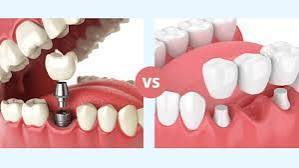
If you went for a checkup and your dentist told you about bone loss, you most likely ended up with even more questions than answers. Does it mean that you can’t get any implants? Should you first undergo an operation for another operation? Calm down; bone loss happens to many people, but it doesn’t necessarily block your way to a perfect smile.
The truth is that bone grafting gets recommended far more often than it actually needs to be performed. Modern implant planning has changed a lot in the last decade, and there are now several ways to work with the bone you already have.
What Bone Loss Actually Looks Like in Your Jaw
When a tooth goes missing, the jawbone underneath it starts to shrink. Without a tooth root to stimulate it, that bone resorbs over time, sometimes within the first year.
This is not something you feel happening. It shows up gradually, in a loosening denture, a shifting bite, or a slightly sunken look near the cheeks and lips.
The rate of resorption depends on how the tooth was lost, how long ago, and whether gum disease played a role. A tooth pulled last year behaves very differently than one missing for a decade.
According to the National Institute of Dental and Craniofacial Research, tooth loss and the bone changes that follow are widespread among adults, especially those over 65. It is a normal part of aging, not a personal failing, and it is manageable with the right plan.
Quick tip:
If it has been more than two years since a tooth was extracted and never replaced, ask specifically for a 3D scan rather than a standard X-ray. Flat images can make bone loss look worse, or hide it, in ways a volumetric scan will not.
Why Grafting Gets Suggested So Often
A bone graft adds volume and density to an area of the jaw so it can support an implant post. It is a well established, predictable procedure, which is exactly why many dentists default to recommending it.
Grafting makes sense when:
- The bone is too thin or short to anchor an implant securely
- A tooth has been missing for several years without replacement
- Gum disease has caused significant structural damage
- The implant is going in a highly visible front tooth area where bone shape affects the final look
In these situations, a graft protects the long term success of the implant. It is not a setback. It is a foundation step.
Think of it less like an extra surgery and more like reinforcing a foundation before building on top of it. Skipping a graft when it is genuinely needed does not save time in the long run. It usually means a higher chance of the implant loosening years down the road.
When You Can Often Skip It
Here is where a lot of patients are surprised. Grafting is not automatic just because bone loss shows up on a scan. Several approaches were developed specifically to work around reduced bone volume.
Shorter or angled implants. Newer implant designs can be placed at angles that reach denser bone elsewhere in the jaw, avoiding the thin areas entirely.
All-on-4 dental implants. This approach uses four strategically angled implants to support a full arch of replacement teeth, often using existing bone in the front of the jaw where density tends to hold up better.
Zygomatic implants. For more advanced bone loss in the upper jaw, longer implants anchored in the cheekbone can bypass grafting completely.
Full mouth dental implants planned with 3D imaging can sometimes be placed strategically around the areas of greatest bone loss rather than through them.
A quick way to picture the decision:
| Situation | Typical Approach | Grafting Usually Needed? |
| Single missing tooth, recent, healthy bone | Standard implant | No |
| Missing tooth for years, moderate resorption | Standard or angled implant | Sometimes |
| Full arch missing, some bone remaining | All-on-4 style approach | Rarely |
| Severe upper jaw bone loss | Zygomatic implants | No |
| Active gum disease with bone damage | Graft, then implant | Yes |
How Your Team Actually Decides
The honest answer only comes from imaging, not guesswork. A 3D CBCT scan measures the exact height, width, and density of your jawbone in the specific spot an implant would go.
An implant specialist reviews that scan alongside your medical history, bite pattern, and goals for the final result. Two patients with similar looking X-rays can end up with completely different treatment plans once the 3D data comes in.
A Common Patient Scenario
Consider someone who lost a lower molar eight years ago and has worn a partial denture ever since. A general X-ray shows visible bone shrinkage, and their previous dentist mentioned grafting.
A 3D scan tells a more complete story. It often reveals that while the top of the ridge has narrowed, there is still enough dense bone deeper down to place a slightly longer, narrower implant with no graft at all. That single imaging step can change months of planning.
Questions Worth Asking Before You Agree to a Graft
It is reasonable to ask for a second opinion before committing to any surgery, grafting included. A few questions tend to clarify things quickly.
- Was this recommendation based on a 3D scan or a flat X-ray?
- What specifically about my bone shape rules out a graftless approach?
- How would the timeline and cost change without the graft?
- Is there an angled or shorter implant option that fits my case?
A confident answer to each of these is a good sign you are working with someone who has actually mapped out your case, not applied a one size fits all protocol.
What Recovery Looks Like Either Way
If a graft is needed, expect three to six months of healing before the implant post goes in, since new bone needs time to integrate. Swelling and mild soreness for the first few days is normal, and most people return to work within a day or two.
If you skip the graft, dental implant surgery itself is often the only major step, followed by a few months for the implant to fuse with existing bone before the final restoration is attached.
Either path is manageable. Neither one should be rushed, since the healing time is what makes the end result stable for years.
Most patients describe the first week as milder than they expected, especially compared to the tooth extraction that may have come before it. Over the counter pain relief and soft foods usually cover the entire recovery window.
Choosing Between Implants and Other Options
Bone loss can also affect how well traditional dentures fit, since the ridge they rest on keeps changing shape. That is part of why so many patients eventually look at implants or implant-supported replacement teeth as a more stable long term option.
If your bone loss is moderate, anchored replacement teeth can restore chewing function without the slipping and adjustments that come with a removable option. If a dental emergency brought you in for a broken or infected tooth, an emergency dentist in Golden, CO can stabilize the immediate problem while you take time to plan the permanent fix properly
Ready to Find Out Where You Stand
The only real way to know whether you need a graft is a proper scan and a conversation with someone who reads them every day. Guessing from an old X-ray or a general dentist’s quick glance often leads to unnecessary anxiety.
If bone loss has made you assume implants are not possible, it is worth scheduling a consultation before ruling anything out. A short scan can replace months of uncertainty with a clear, personalized plan.
FAQs
Does bone loss mean I automatically need a graft before dental implants?
No. Many patients with mild to moderate bone loss qualify for implants using angled placement, shorter implants, or full arch techniques that work around thinner areas.
How long does a bone graft take to heal before implants can be placed?
Most grafts require three to six months to completely heal; however, it all depends on the size of the graft and how quickly you heal.
Will dentures cause more bone loss?
Yes. Traditional removable teeth rest on the gum and do not stimulate the bone the way a tooth root does, so the ridge can continue to shrink underneath them.
Is All-on-4 a good option for someone who already has significant bone loss?
Often, yes. This full arch technique was specifically developed to work with limited bone by anchoring implants in denser areMost grafts need three to six months to fully integrate, though this varies based on the size of the graft and your individual healing rate.
What happens during the consultation to determine if I need a graft?
You will typically get a 3D scan, a review of your dental and medical history, and a clear explanation of which implant approach fits your bone structure.
