




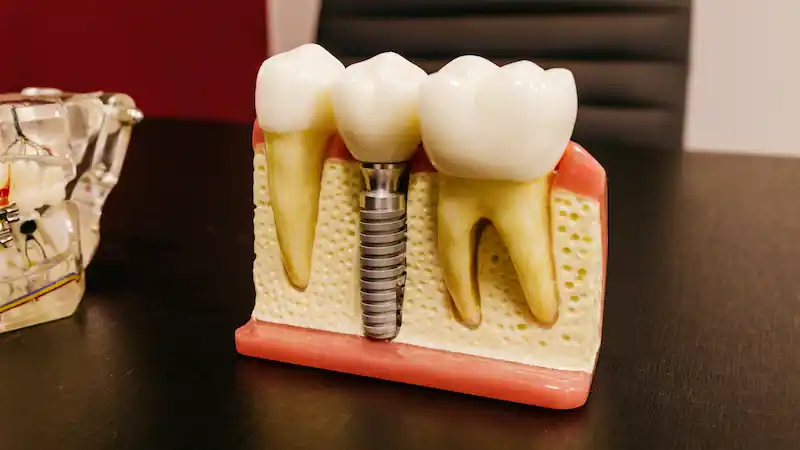
When you lose a tooth, it affects more than just your smile—it impacts your overall oral health. The gap left behind can cause surrounding teeth to shift and can even lead to bone loss in your jaw over time. That’s why choosing a replacement option is such a critical decision. You need a solution that doesn’t just fill the space, but actively supports your health. This is where dental implants truly stand out. They are the only tooth replacement option that fuses with your jawbone, preserving its structure and protecting your healthy adjacent teeth. Let’s explore the health benefits that make them a true investment in your long-term well-being.
So, What Are Dental Implants?
If you’re exploring options for replacing missing teeth, you might have wondered about dental implants and their suitability for you. Dental implants are artificial tooth roots that serve as a permanent foundation for fixed replacement teeth. They have gained popularity as a long-term solution for individuals with missing teeth, failing teeth, or ongoing dental issues, surpassing dentures, bridges, and crowns. Dental implants are favored due to their ability to resemble, feel, and function like natural teeth, setting a new standard in tooth replacement. So, what makes dental implants feel entirely comfortable and secure? Dentists utilize a titanium implant fixture that gradually bonds with the living bone cells of the jaw. This fusion creates a robust and durable anchor for your new teeth, eliminating concerns about slippage or movement, which can occur with dentures. Dental implants also allow for hassle-free eating, as there are no restrictions, no need for frequent repairs, and no more worries about smiling confidently and openly.
Dental Implants by the Numbers
Sometimes, seeing the numbers can really put things into perspective. If you’re considering dental implants, you’re in good company—over 3 million are placed in the United States every single year. A big reason for their popularity is their incredible longevity. With good brushing, flossing, and regular check-ups, dental implants can last a lifetime, making them a truly permanent solution. Unlike dentures or bridges, they don’t slip, make noise, or cause bone damage. Instead, they offer a strong, lasting foundation for your new teeth. The total cost can vary depending on your specific needs, like the type of implant or if you need extra treatments. It’s always a good idea to explore your financing and insurance options to understand the investment in your long-term oral health.
How a Dental Implant Works
When a tooth is lost due to injury or disease, it can lead to various complications such as rapid bone loss, speech impairments, and discomfort while chewing. However, replacing the lost tooth with a dental implant offers a significant improvement in both the patient’s quality of life and overall health. A dental implant system typically consists of the dental implant body and the dental implant abutment. Additionally, an abutment fixation screw may also be included. The dental implant body is surgically inserted into the jawbone, serving as a replacement for the root of the missing tooth. The dental implant abutment, usually connected to the implant body by an abutment fixation screw, extends through the gums into the mouth to provide support for the artificial teeth that are attached to it.
The Dental Implant Procedure: A Step-by-Step Guide
Thinking about the dental implant process can feel a bit overwhelming, but it’s actually a well-planned series of steps designed for a lasting, successful outcome. Knowing what to expect can make the entire experience feel much more manageable. The journey to a new smile is a collaborative effort between you and your dental team, and it all starts with a conversation. From there, each phase is carefully managed to ensure your new tooth looks, feels, and functions just like a natural one. Let’s walk through the typical stages of the dental implant procedure so you can feel confident and prepared.
Initial Consultation and Preparation
Your first step is a thorough consultation. This is where you and your dentist confirm that implants are the right choice for you. Expect a complete dental exam, which includes X-rays and 3D imaging to get a clear picture of your jawbone and oral structures. It’s also the time to discuss your medical history, so be sure to share any health conditions or medications you’re taking. Based on this comprehensive evaluation, a personalized treatment plan is created just for you. This initial meeting is a great opportunity to ask questions and get to know the dental professionals who will be guiding you through the process, ensuring you feel comfortable from day one.
The Multi-Stage Surgical Process
The dental implant procedure is typically done in stages to allow for proper healing. The entire process can take several months, but this timeline is key to creating a strong foundation for your new tooth. The first surgical step involves placing the titanium implant post directly into your jawbone, where it will act as the new tooth root. If a damaged tooth needs to be removed, that will happen first. In some cases, if your jawbone isn’t thick enough, a bone grafting procedure may be needed to create a more solid base. This multi-step approach ensures the final result is stable and secure for years to come.
Healing and Osseointegration
After the implant post is placed, the most important phase begins: healing. During this time, a remarkable process called osseointegration occurs. This is when your jawbone naturally grows around and fuses with the titanium implant, creating an incredibly strong and permanent bond. This fusion is what makes dental implants so durable and reliable. Osseointegration can take anywhere from three to nine months, and while it requires patience, this healing period is essential for the long-term success of your implant. It ensures your new tooth will have the same stability as a natural one, allowing you to eat, speak, and smile with complete confidence.
Placing the Abutment and Crown
Once osseointegration is complete and your implant is securely fused with your jawbone, you’re ready for the final steps. You’ll return to the office to have a small connector piece, called an abutment, attached to the top of the implant post. This abutment sits just above the gumline and serves as the base for your new artificial tooth. After your gums have had a little time to heal around the abutment, your dentist will take impressions to create your custom crown. This crown is meticulously designed to match the color, shape, and size of your surrounding teeth, resulting in a seamless and natural-looking smile you’ll be proud to show off.
Managing Comfort During and After the Procedure
It’s completely normal to have questions about comfort during and after the implant procedure. You can rest assured that you won’t feel pain during the surgery itself, as your dentist will use local anesthesia to completely numb the area. Following the procedure, it’s common to experience some mild discomfort, bruising, and swelling, but this is temporary and easily managed. Most people find that over-the-counter pain relievers are enough to handle any soreness. Your dental team will provide you with detailed aftercare instructions to ensure your recovery is as smooth and comfortable as possible, supporting you every step of the way with comprehensive dental services.
Can Implants Replace One Tooth or Many?
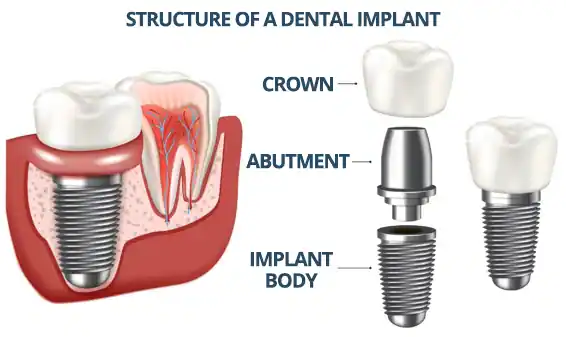
Dental implants typically consist of three main components:
- The implant: This screw-like structure acts as an artificial tooth root, securely attaching to your jawbone for a permanent foundation.
- The abutment: It is a connector that is both permanent and removable by your dentist. The abutment provides support and holds a single tooth or a set of teeth in place.
- The crown (or prosthetic tooth): This is the visible part of the tooth replacement. Usually made of durable materials like zirconium or porcelain, the crown is designed to offer both strength and an aesthetically pleasing appearance.
 Dental implants are versatile and can be used to replace a single tooth, multiple teeth, or even an entire upper or lower set of teeth. If you require a full arch restoration, you may be an ideal candidate for the full mouth teeth replacement treatment. In this procedure, four implants are placed, and a complete set of teeth is attached, earning its name as an “all teeth, only four implants” approach. As dental implants have become the preferred choice for permanent teeth replacement, the Dental & Implant Centers Of Colorado approach has gained popularity as the preferred model for dental implant treatment. Dental & Implant Centers Of Colorado provides a comprehensive solution with a team of experts working together under one roof. With an onsite lab fully equipped for the task, Dental & Implant Centers Of Colorado is dedicated to building beautiful smiles that cater to the specific needs of their patients. One team, one cost, one location—this is the true advantage of choosing dental implants from Dental & Implant Centers Of Colorado.
Exploring Your Dental Implant Options
Replacing a Full Arch of Teeth
For patients seeking to replace an entire upper or lower set of teeth, full mouth implants provide a comprehensive solution. An oral surgeon will strategically place four implants and then attach a complete arch of teeth, giving this procedure its name. This approach offers a complete restoration for both functionality and aesthetics. 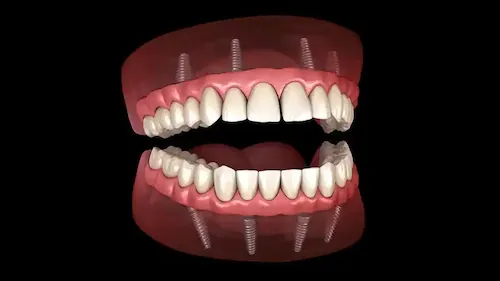
Replacing Several Missing Teeth
In cases where a patient is missing multiple teeth but still has healthy gums and surrounding teeth, multiple implants are an ideal choice. With this option, two fixtures are implanted, and crowns are attached, allowing the preservation of the natural teeth. It should be noted that the suitability of multiple implants varies for each individual, and in some cases, a full mouth or arch procedure may be preferred even if only a few teeth are missing.
Replacing a Single Missing Tooth
If you have lost a single tooth due to an accident or periodontal disease, a dental implant can effectively replace that tooth. The result is a replacement tooth that closely matches the appearance and functionality of your natural teeth. This option provides a seamless solution for restoring a single missing tooth. Regardless of the specific dental implant option chosen, it is important to consult with a dental professional to determine the most suitable treatment plan based on individual circumstances and oral health. 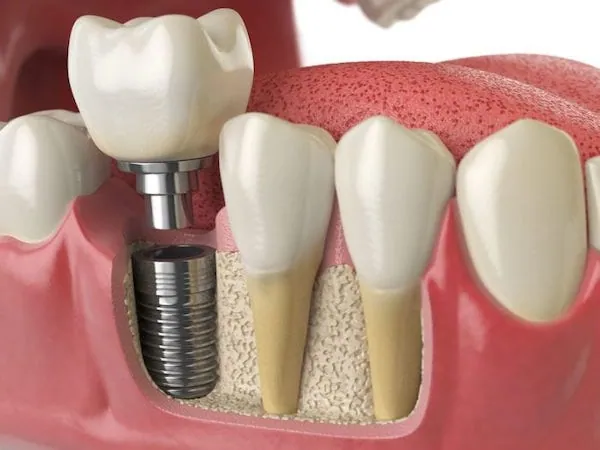
Types of Implants: Endosteal, Subperiosteal, and Mini
Just as there are different solutions for different dental needs, there are a few types of dental implants your surgeon might recommend. The most common is the endosteal implant. Think of it as a tiny, screw-like post, usually made of titanium, that is placed directly into your jawbone. Over time, your bone naturally fuses with the implant, creating an incredibly strong and stable foundation for a replacement tooth or denture. This is the go-to option for most patients and what people typically picture when they think of a dental implant.
Sometimes, a patient may not have enough healthy jawbone to support an endosteal implant. In these cases, a subperiosteal implant might be a better fit. Instead of going into the jawbone, this type of implant rests on top of the bone but underneath the gum tissue. It consists of a metal frame that holds the prosthetic teeth. It’s a great alternative for those who can’t or don’t wish to undergo a bone grafting procedure. Finally, there are mini implants, which are much smaller in diameter. They are often used to stabilize a lower denture or for smaller tooth replacements where a full-sized implant isn’t necessary.
Understanding the Cost of Dental Implants
Let’s talk about one of the most common questions we hear: “How much do dental implants cost?” The truth is, there isn’t a single price tag. The total investment in your new smile depends on your unique situation. Think of it like building a custom piece of furniture—the final cost is influenced by the materials, the complexity of the design, and the amount of prep work required. Your dental implant journey is highly personalized, so the cost will be, too. The final price reflects the specifics of your treatment plan, which is designed to give you the best possible outcome.
Several key elements contribute to the overall cost. The type of implant you receive, the number of teeth being replaced, and the materials used for your new crown all play a role. Additionally, some patients may need preparatory procedures, like a bone graft to ensure the jaw is strong enough to support the implant, or a sinus lift to create adequate space. At Dental & Implant Centers of Colorado, we believe in full transparency. We’ll walk you through every aspect of your treatment plan and provide a clear breakdown of costs during your consultation. We also offer various financing and insurance options to help make your dream smile an accessible reality.
Factors That Influence the Final Cost
The complexity of your procedure is a primary factor in determining the final cost. A straightforward single-tooth implant will naturally have a different price point than a full-arch restoration that replaces an entire set of teeth. Your oral health also plays a significant role. If you require treatments like a bone graft to build up jawbone density or a sinus lift to make room for an implant in the upper jaw, these necessary steps will be factored into the total investment. These procedures are crucial for ensuring the long-term success and stability of your implants, creating a solid foundation for your new smile.
The materials used for your final restoration—the crown, bridge, or denture that attaches to the implant—also affect the cost. High-quality materials like zirconium or porcelain are chosen for their durability and natural appearance, ensuring your new teeth look and feel great for years to come. Finally, the expertise of your dental team is part of the investment. Choosing a specialized clinic like ours means you have a team of experts collaborating on your care, from surgery to restoration, all under one roof. This integrated approach ensures a seamless process and predictable, high-quality results.
Implant Types and Average Costs
To give you a general idea, it’s helpful to look at the average costs associated with different implant types. Keep in mind these are ballpark figures, and a personal consultation is the only way to get a precise quote. Endosteal implants, the most common type, typically range from $3,000 to $5,000 per implant. This cost usually covers the implant post itself. Subperiosteal implants, which are used less frequently and for more complex cases, can range from $4,000 to $6,000 per implant due to the custom framework required.
Mini dental implants are the most affordable option, generally costing between $500 and $1,500 per implant. Their lower cost reflects their smaller size and less invasive placement procedure, making them a popular choice for stabilizing dentures. It’s important to remember that these estimates often don’t include the abutment (the connector piece) or the final crown. When you’re planning for the cost, be sure to account for every component of the restoration to get a complete picture of your investment in a lasting, confident smile.
Who is a Good Candidate for Dental Implants?
One of the best things about dental implants is that a wide range of people can be great candidates. Generally, if you’re a healthy adult with one or more missing teeth, implants could be an excellent solution for you. There’s no upper age limit, so whether you’re in your 30s or your 80s, you can still benefit from the stability and confidence that implants provide. The main requirements revolve around your oral and overall health. You’ll need to have healthy gums and enough jawbone to anchor the implant securely.
Even if you’ve experienced some bone loss—a common issue after losing a tooth—you may still be a candidate. Procedures like bone grafting can rebuild the necessary foundation to make implant placement possible. The first step is always a thorough consultation. A dental professional will evaluate your oral health, take detailed scans of your jaw, and discuss your health history to determine if implants are the right choice for you. The expert team at DICC is here to guide you through this process and answer all your questions, ensuring you feel comfortable and informed every step of the way.
Characteristics of an Ideal Candidate
So, what does an ideal candidate for dental implants look like? It starts with having one or more missing teeth and a jawbone that has finished growing, which is why implants are typically recommended for adults. One of the most critical factors is having enough bone in your jaw to secure the implant. If you’ve recently lost a tooth, you likely have sufficient bone, but if the tooth has been missing for a while, a bone graft might be needed to create a solid base. Healthy oral tissues are also a must, meaning your gums should be free from periodontal disease.
Beyond the physical requirements, a good candidate is someone committed to the process. Dental implant placement is a multi-step journey that can take several months from start to finish, so patience is key. You should also be dedicated to maintaining excellent oral hygiene after the procedure to ensure the long-term health of your implant and surrounding teeth. If you check these boxes, you’re likely on the right track to successfully restoring your smile with a solution that looks, feels, and functions just like natural teeth.
Conditions That May Affect Eligibility
While many people are eligible for dental implants, certain health conditions and lifestyle habits can affect your candidacy. It’s important to be upfront with your dentist about your full health history to ensure the best outcome. For example, smoking or vaping can significantly hinder the healing process and reduce the success rate of the implant fusing with your jawbone. Your dentist will likely recommend quitting before you begin the implant process. Similarly, uncontrolled chronic conditions, such as diabetes or certain autoimmune diseases, can interfere with healing and increase the risk of complications.
Active gum disease or extensive tooth decay will also need to be treated before you can move forward with implant surgery. A healthy mouth is the best environment for a successful implant. Poor oral hygiene can also be a barrier, as maintaining the health of your implant requires diligent care. The goal isn’t to exclude people, but rather to make sure you are set up for success. Many of these issues can be addressed with proper treatment, clearing the way for you to become an excellent candidate for a life-changing dental implant.
Are Dental Implants a Safe Choice?
Ensuring the safety of dental implant systems involves rigorous evaluations based on international consensus standards and regulations. Here are the key ways dental implants are assessed for safety:
-
Compliance with Standards
Dental implant systems are designed and manufactured to adhere to the international consensus standards established by organizations like the International Organization for Standardization (ISO) or ASTM International. These standards outline the criteria for safe materials and manufacturing processes. Most commonly used materials include titanium or zirconium oxide, which have well-known safety profiles. Occasionally, other materials such as gold alloys, cobalt-based alloys, titanium alloys, or ceramics may also be utilized.
-
Biocompatibility Testing
As part of the evaluation process, dental implant systems undergo comprehensive biocompatibility testing. This testing ensures that the materials used in the system do not cause complications such as irritation or allergic reactions when they come into contact with bodily tissues. By demonstrating biocompatibility, the dental implant system can be deemed safe for implantation in individuals.
-
FDA Approval
In the United States, dental implant system manufacturers must seek approval from the Food and Drug Administration (FDA) before marketing their products. To obtain approval, manufacturers must provide evidence that their dental implant systems are as safe and effective as the ones already available in the market.
Through adherence to international standards, biocompatibility testing, and regulatory approvals, the safety of dental implant systems is thoroughly evaluated to ensure patient well-being and minimize any potential risks.
Preparing for Your Dental Implant Procedure
When considering dental implants, it is crucial to consult with your dental provider to discuss potential benefits, risks, and whether you are a suitable candidate for the procedure.
What to Discuss with Your Dentist
- Overall Health: Your general health plays a vital role in determining your candidacy for dental implants, the duration of the healing process, and the long-term stability of the implant.
- Brand and Model: Inquire about the specific brand and model of the dental implant system being used and make a note of this information for your records.
- Smoking: It’s important to note that smoking can negatively impact the healing process and reduce the long-term success of the implant. If you smoke, discuss this with your dental provider for appropriate guidance.
- Healing Process: The healing process for the implant body may take several months or longer. During this time, a temporary abutment will typically be in place of the final tooth restoration.
Caring for Your New Dental Implant
- Oral Hygiene: Adhere to the oral hygiene instructions provided by your dental provider. Regular and thorough cleaning of the implant and surrounding teeth is crucial for the long-term success of the implant.
- Regular Dental Visits: Schedule regular visits with your dental provider for follow-up appointments and maintenance of your dental implants.
- Concerns or Discomfort: If you experience any looseness or pain around the implant area, it is important to promptly inform your dental provider.
Remember, open communication with your dental provider and diligent oral care are key to ensuring the success and longevity of your dental implant.
Potential Risks and Complications
Like any medical procedure, dental implant surgery comes with potential risks. Understanding these possibilities is a key part of making an informed decision about your health. The good news is that complications are rare, and choosing a highly skilled and experienced team significantly minimizes these risks. An expert dental team will conduct a thorough evaluation to ensure you’re a good candidate and will use precise techniques throughout the process to prioritize your safety and achieve the best possible outcome. This careful approach ensures that while it’s important to be aware of potential issues, you can move forward with confidence, knowing you are in capable hands.
Surgical Risks
The surgical phase of the implant process is where the foundation for your new smile is laid. While the procedure has a very high success rate, there are a few immediate risks to be aware of. These are issues that can occur during the surgery itself. Your surgeon will discuss these with you beforehand and explain the specific measures they take to prevent them, ensuring you feel comfortable and confident before moving forward with your treatment. This transparency is a hallmark of quality care and helps build a trusting relationship between you and your dental provider from the very beginning.
Damage to Surrounding Structures
During the placement of the implant, there is a small risk of damage to the structures surrounding the surgical site. This can include nearby natural teeth or blood vessels. A skilled surgeon uses detailed imaging and careful planning to map out the precise location for the implant, which helps protect these adjacent areas. This meticulous approach is standard practice for ensuring the safety and integrity of your entire mouth during the procedure, turning a potential risk into a highly unlikely event through expert preparation.
Sinus Problems
If you are receiving implants in your upper jaw, there is a possibility of the implant protruding into your sinus cavities. This can lead to sinus problems if not handled correctly. Experienced dental professionals take great care in assessing the amount of bone in the upper jaw and may recommend a sinus lift procedure to create more space and support for the implant. This proactive step effectively prevents this complication from occurring by ensuring the implant has a solid, secure base away from the delicate sinus area.
Infection
Infection at the implant site is a potential risk associated with any surgical procedure. Your dental team will provide you with strict post-operative care instructions to keep the area clean and promote proper healing. Following these guidelines carefully, along with taking any prescribed antibiotics, is the best way to prevent infection and ensure your recovery is smooth and successful. Your diligence in aftercare is a crucial part of the team effort to achieve a fantastic, long-lasting result.
Post-Surgical Risks
Once the surgery is complete, your body begins the important process of healing and integrating the implant. During this phase, a few other risks can emerge. These are typically related to the healing process and your body’s response to the implant. Consistent follow-up care and open communication with your dental provider are essential for monitoring your progress and addressing any concerns that may arise after your procedure. This ongoing partnership ensures that your journey to a new smile is supported every step of the way.
Implant Failure
In rare cases, an implant may not properly fuse with the jawbone, a process known as osseointegration. This can cause the implant to become loose, often due to a local infection in the surrounding bone and gums or excessive pressure on the implant too soon. Proper oral hygiene and attending all your follow-up appointments are critical for preventing implant failure. This ensures your new dental implant has a strong, stable foundation for years to come, allowing it to function just like a natural tooth.
Important Patient Safety Information
Your role in the success of your dental implant doesn’t end when you leave the clinic. Being proactive about your health and knowledgeable about your treatment can make a significant difference. Think of it as being an active partner in your own care. Here are a few key pieces of information to keep in mind to ensure your long-term safety and the longevity of your implant, helping you protect your investment in your smile and overall health.
Allergic Reactions
Most dental implants are made from titanium, a biocompatible material that works well for the vast majority of people. However, in very rare instances, a person might have an allergy to titanium. If you have known metal allergies, be sure to discuss this with your dentist during your consultation. Alternative materials, such as ceramic implants, are available to ensure a safe and successful outcome for every patient, regardless of sensitivities.
MRI and X-ray Considerations
It’s important to remember that you have a dental implant when undergoing other medical imaging. Always inform your doctors and technicians that you have a dental implant before you get an MRI or X-ray. While generally safe, the implant can sometimes affect the quality of these images, and letting the medical staff know ahead of time allows them to make any necessary adjustments to get a clear and accurate picture of your health.
Know Your Implant Details
Being an informed patient is always a good idea. Ask your dentist for the specific brand and model of the implant system they use for your procedure. Keeping this information in your personal health records can be incredibly helpful if you ever need dental work in the future or move to a new area and see a different provider. It empowers you with knowledge about your own treatment history.
More Than a Smile: The Health Benefits of Dental Implants
If you are struggling with dental issues and are searching for a satisfactory solution, dental implants offered at Dental & Implant Centers Of Colorado may be the right choice for you. In addition to the cosmetic benefits, dental implants provide significant health advantages. Did you know that dental implants can help prevent bone loss in the jaw? When a tooth is lost, natural bone erosion begins, which can lead to the loss of other teeth and a “sunken” appearance in facial features. Dental implants integrate with the bone, providing stimulation that prevents deterioration of the jawbone. This helps maintain a more youthful facial structure, boosts self-confidence, and promotes better oral health. Furthermore, dental implants can contribute to overall health improvement. With strong and fully functional teeth, patients can expand their diets and enjoy healthier foods like nuts and fruits. Another crucial aspect to consider is the longevity of dental implants. With proper care, they can last a lifetime, making them an excellent long-term investment for tooth replacement. In addition to these benefits, dental implants offer several other advantages. Unlike dentures, they do not slip or move, eliminating the need for special cleaners and adhesives. Unlike fixed bridgework, dental implants do not require healthy adjacent teeth to be filed down. Moreover, studies have shown a long-term success rate of over 95% for dental implants.* To gain a better understanding of why dental implants are the ultimate solution for missing teeth, we invite you to visit us for a free consultation at Dental & Implant Centers Of Colorado. Schedule your consultation today and discover the remarkable results that our advanced dental technology and expert care can deliver. *Note: The success rate may vary depending on individual circumstances and proper oral care.
Preservation of Healthy Adjacent Teeth
One of the most significant advantages of choosing a dental implant is how it impacts the surrounding teeth—or rather, how it doesn’t. Traditional tooth-replacement options, like a fixed bridge, require the dentist to file down the adjacent healthy teeth to act as anchors. This process permanently alters the structure of otherwise perfect teeth. Dental implants, however, are standalone solutions. They are placed directly into the jawbone without relying on neighboring teeth for support. This means the integrity of your surrounding teeth is completely preserved, which is a huge win for your long-term oral health and helps maintain the natural structure of your smile.
Care, Maintenance, and Longevity of Dental Implants
Getting dental implants is a significant step toward restoring your smile and confidence, so it’s natural to wonder how to protect your new investment. The great news is that caring for implants isn’t complicated. While they are incredibly durable and made from biocompatible materials, their success and longevity depend on good oral hygiene, just like your natural teeth. Think of it less as a demanding new routine and more as a continuation of the healthy habits that protect your entire mouth. Proper care ensures the implant remains stable, the surrounding gums stay healthy, and your smile continues to look and feel fantastic for years to come. By committing to a simple daily routine and regular professional check-ups, you can enjoy the full benefits of your dental implants for a lifetime.
How Long Do Dental Implants Last?
When patients ask how long their implants will last, they’re often thrilled with the answer. With proper care, dental implants can last a lifetime, making them an excellent long-term investment for tooth replacement. This incredible durability is thanks to a process called osseointegration, where the titanium implant post fuses directly with your jawbone, creating a rock-solid foundation. Studies have shown a long-term success rate of over 95% for dental implants, highlighting their reliability. Of course, this longevity depends on factors like consistent oral hygiene and regular dental visits, but for most people, a dental implant is a permanent solution to tooth loss.
Daily Care and Habits to Avoid
Your daily routine for implant care will feel very familiar. It’s essential to adhere to the oral hygiene instructions provided by your dental provider, as regular and thorough cleaning is crucial for the implant’s long-term success. This includes brushing twice a day with a soft-bristled toothbrush and flossing daily. You might find a water flosser or interdental brushes helpful for cleaning around the implant. Just as important is knowing what to avoid. Habits like smoking can hinder the healing process and affect the implant’s stability. You should also avoid chewing on extremely hard items like ice or hard candy and never use your teeth as tools to open packages.
Warning Signs That Require a Dental Visit
While complications are rare, it’s important to know what to look for after your procedure. Being proactive can prevent minor issues from becoming more serious. If you experience any looseness or pain around the implant area, you should promptly inform your dental provider to address any potential issues. Other warning signs include gums that are swollen, red, or bleed easily around the implant, difficulty chewing, or the feeling that your bite is “off.” Catching these signs early allows your dental team to intervene quickly and ensure the continued health and success of your implant.
Frequently Asked Questions
How long does the entire dental implant process take from start to finish? The full timeline is a multi-step journey that typically spans several months. While the surgical placement is a single appointment, the most important phase is healing. Your jawbone needs time—usually three to nine months—to naturally fuse with the implant. This patient process is what creates the incredibly strong, permanent foundation for your new tooth, so while it isn’t an instant fix, the result is built to last a lifetime.
Is getting a dental implant painful? It’s completely understandable to worry about this, but you can rest easy. The actual procedure is not painful because the area will be fully numbed with local anesthesia. Afterward, it’s normal to feel some mild soreness and swelling, similar to other dental work. Most people find this is easily managed with over-the-counter pain relievers and resolves within a few days.
How do I know if I’m a good candidate if I’ve had missing teeth for a long time? This is a great question, as long-term tooth loss can lead to jawbone deterioration. However, it doesn’t automatically rule you out. Modern dentistry offers amazing solutions, like bone grafting, which can rebuild the bone to create a solid foundation for an implant. The only way to know for sure is to have a consultation where detailed 3D imaging can assess your specific situation.
Will my new implant tooth look and feel natural? Absolutely. This is one of the biggest benefits of choosing a dental implant. The final crown is custom-designed to perfectly match the color, shape, and size of your surrounding teeth for a seamless look. Because the implant is fused to your jawbone, it functions just like a natural tooth root, giving you the stability to eat, speak, and smile with complete confidence.
Why is an implant a better long-term investment than a bridge or dentures? Unlike other options, a dental implant is the only solution that actively preserves your jawbone and prevents bone loss. Bridges require filing down healthy adjacent teeth for support, and dentures can become loose over time. An implant is a standalone structure that protects your healthy teeth and, with proper care, is designed to last a lifetime, making it a truly permanent investment in your overall oral health.
Key Takeaways
- Protect Your Jawbone for the Long Haul: Dental implants are unique because they fuse with your jawbone, a process that prevents the bone loss that naturally occurs after losing a tooth. This helps maintain your facial structure and keeps neighboring teeth from shifting out of place.
- Expect a Multi-Step Process for a Lifelong Result: The dental implant procedure is done in stages over several months to ensure a strong, permanent bond with your jaw. This patient, methodical approach is what allows your new tooth to feel secure and last a lifetime.
- Your Daily Habits Are Key to a Lasting Implant: Caring for a dental implant is as simple as caring for your natural teeth. If you’re committed to daily brushing, flossing, and regular dental check-ups, you have what it takes to ensure your implant’s success for years to come.
