Multi Specialty Dental Clinic & Implant Center
People have been replacing teeth for centuries—sometimes with materials like wood! Thankfully, we’ve come a long way. Today’s tooth replacement services are more advanced and comfortable than you might imagine. Using modern materials and state-of-the-art dental implant technology to anchor your new teeth, you can get a smile that lasts a lifetime. This modern tooth replacement service isn’t just about looking great; it’s about restoring your ability to eat comfortably and smile with total confidence for years to come.
What Exactly Is a Dental Implant?
If you’re exploring options for missing teeth, you’ve likely heard about dental implants. So, what are they? Think of a dental implant as a permanent, artificial tooth root. It’s a small post, typically made of biocompatible titanium or zirconium, that is surgically placed into your jawbone where a tooth is missing. This post acts as a sturdy anchor for a custom-made replacement tooth, called a crown. The result is a replacement that looks, feels, and functions just like a natural tooth. Unlike other options, implants are designed to be a long-term solution, fusing directly with your bone to provide incredible stability for chewing, talking, and smiling with confidence.
The Three Parts of a Dental Implant
A complete dental implant is made of three distinct parts working together to restore your smile. First is the implant post itself—the screw-like fixture that is placed in your jawbone and serves as the new root. Over a few months, this post integrates with your bone in a process called osseointegration, creating a solid foundation. The second part is the abutment, which is a small connector piece that attaches to the top of the implant post, sitting just above the gumline. Finally, the third part is the restoration, which is the custom-made crown (the false tooth) that is secured to the abutment, perfectly matching the color and shape of your surrounding teeth.
Why Implants Protect Your Jawbone
One of the most significant, yet often overlooked, benefits of dental implants is their ability to protect your jawbone health. When you lose a tooth, you also lose its root, which is responsible for stimulating the jawbone every time you chew. Without that stimulation, the bone begins to shrink and deteriorate. Dental implants are the only tooth replacement option that replaces the tooth root. By integrating with your jaw, the implant provides the necessary stimulation to keep the bone strong and healthy, preventing bone loss and helping to maintain your natural facial structure over time. This makes it a truly holistic solution for tooth loss.
Finding the Right Implant Solution for You
Because every person’s dental situation is unique, there is no one-size-fits-all answer for tooth replacement. The best solution for you depends on several factors, including how many teeth are missing, the location of the missing teeth, and the health of your jawbone. At Dental & Implant Centers of Colorado, we focus on creating personalized treatment plans tailored to your specific needs and goals. Whether you need to replace a single tooth that was lost in an accident or require a full-mouth restoration, there are advanced dental implant solutions available. The first step is always a thorough consultation to assess your oral health and discuss which option will give you the best long-term results.
Replacing a Single Missing Tooth
Losing even a single tooth can have a big impact, affecting your bite and causing adjacent teeth to shift. It’s important to address it quickly, as the jawbone in that area can begin to shrink soon after the tooth root is gone. For a single missing tooth, a dental implant is an ideal solution. It involves placing one implant post into the jawbone, which is then topped with an abutment and a single crown. A major advantage of this approach over a traditional dental bridge is that it doesn’t require grinding down the neighboring healthy teeth for support. The implant stands on its own, preserving the integrity of your natural teeth while providing a durable and seamless replacement.
Replacing Several Teeth in a Row
If you are missing several teeth in a row, you don’t necessarily need an individual implant for each one. An implant-supported bridge is an excellent and efficient solution. In this case, two or more implant posts are placed in the jaw to act as anchors for a bridge that spans the gap. This approach provides the same rock-solid stability and bone-preserving benefits as single implants but with fewer surgical sites. For those missing most or all of their teeth, options like anchored dentures or full arch implants offer a way to restore an entire smile with a fixed, comfortable prosthetic supported by just a few strategically placed implants. Exploring all the available dental services will help you understand the best path forward.
Considering Implant-Supported Dentures?
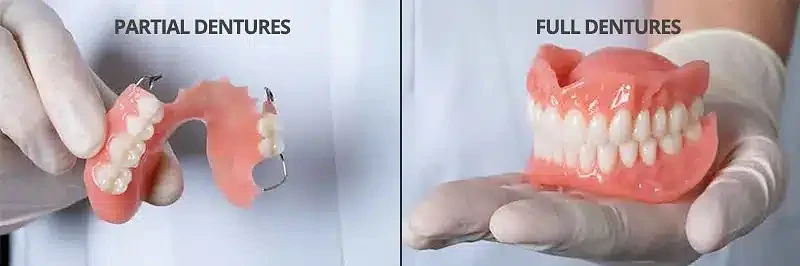
Traditional dentures simply rest upon your gums. They are most commonly held in place with a dental adhesive paste. This requires a very exact fit to keep the prosthetic in place, as well as regular maintenance and checkups with your dentist to ensure their ongoing fit and effectiveness. However, even the most professionally fitted of traditional dentures may cause problems for you, allowing your jawbone to deteriorate further, requiring ever more frequent fittings and adjustments through the years.
On the other hand, implant-supported dentures, also known as “snap-on dentures”, will look and function more like the teeth with which you were born. They look natural and do not slip. They are much more comfortable than standard dentures, offering a more natural bite while chewing. Dental implants, because they also replace the tooth root, will also help to keep your jaw bone healthier and stronger for longer than standard dentures.
For all of these reasons, implant-supported dentures require fewer visits and re-fittings with your dentist; improve your ability to eat the foods you love; and will greatly enhance your smile, rebuilding your shattered confidence in your appearance, and boosting your self-esteem.
Of course, each patient is different and will require personal care and attention. Your dental professional should always work closely with you to explain all of your treatment options, and to determine the best total tooth replacement plan for you.
Key Benefits of Dental Implants
When you’re exploring tooth replacement options, it’s easy to get overwhelmed. But dental implants consistently stand out for a reason—they are widely considered the gold standard. Unlike other solutions that might need frequent adjustments or replacements, implants are designed to be a permanent part of your smile. They offer a unique combination of stability, aesthetics, and health benefits that other options simply can’t match. By integrating directly with your jawbone, they provide a foundation that’s as strong as a natural tooth root, allowing you to get back to living your life without worrying about your teeth.
A Reliable and Long-Lasting Solution
One of the biggest advantages of dental implants is their incredible durability and high success rate. When you choose implants, you’re making a long-term investment in your oral health. With success rates around 95% to 98%, they are one of the most predictable procedures in dentistry. With proper care, the implant itself—the titanium post that acts as the root—can last a lifetime. The crown attached to it may need replacement after 20 or 30 years due to normal wear and tear, but the core structure remains solid, providing a stable and lasting foundation for your smile for decades to come.
Eat, Speak, and Smile with Confidence Again
Missing teeth can take a toll on your confidence, affecting everything from what you eat to how freely you smile in photos. Dental implants are designed to restore that confidence completely because they look, feel, and function just like your natural teeth. Since they are anchored securely in your jaw, you won’t have to worry about them slipping or clicking while you eat or speak. You can enjoy all your favorite foods again and laugh without a second thought. Take a look at some before and after photos to see the transformative power of a restored, confident smile.
What to Expect During the Implant Process
The journey to getting dental implants is a multi-step process, but it’s a well-established path to a permanent new smile. It all begins with a thorough evaluation to ensure implants are the right choice for you. From there, the process involves placing the implant, a healing period, and finally, attaching your new custom-made tooth. Each step is carefully planned to ensure the best possible outcome. At Dental & Implant Centers of Colorado, we guide you through every phase, making sure you feel informed and comfortable from your first consultation to your final follow-up appointment.
Your Initial Consultation and Candidacy
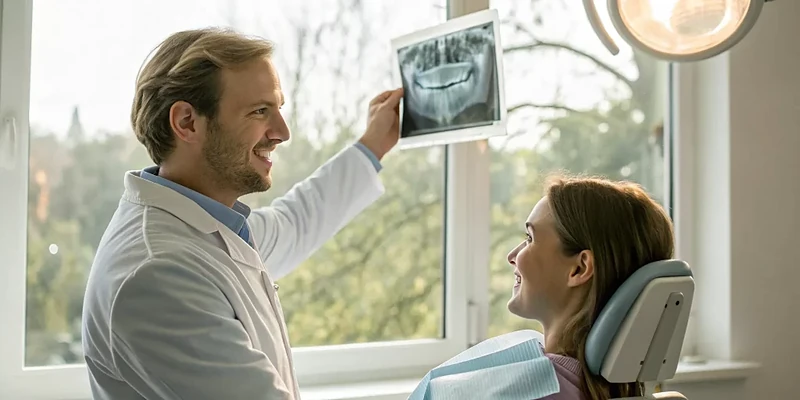
The first step is a consultation to determine if you’re a good candidate for dental implants. To be successful, implants require good overall oral health and, most importantly, enough healthy jawbone to provide a stable anchor. During your initial visit, we’ll use advanced imaging to assess your bone density and gum health. This helps us create a personalized treatment plan tailored to your specific needs. If you have any underlying issues like gum disease, we’ll address those first to create a healthy foundation for your new implant and ensure its long-term success.
When a Bone Graft Is Necessary
Sometimes, if a tooth has been missing for a while, the jawbone in that area may have started to shrink. If your jawbone isn’t thick or strong enough to support an implant, it doesn’t mean you’re out of options. A bone graft may be necessary to build up the area. This is a common and highly successful procedure where bone material is added to your jaw to create a more solid base. While it can add some time and cost to the overall process, a bone graft ensures your implant has the strong foundation it needs to last a lifetime.
The Healing Phase and Treatment Timeline
Patience is key during the dental implant process. After the titanium post is placed in your jawbone, it needs time to heal and integrate with the bone. This natural process is called osseointegration, and it’s what makes implants so incredibly strong and stable. This healing phase typically takes a few months. During this time, the implant is essentially becoming a permanent part of your jaw. Once this fusion is complete and the foundation is solid, we can move on to the final step: attaching the custom-made crown that will serve as your new tooth.
The Importance of Not Waiting to Replace a Tooth
If you’re missing a tooth, it’s best to consider your replacement options sooner rather than later. When a tooth is lost, the jawbone that once supported it no longer receives the stimulation it needs and begins to shrink. This bone loss can make the implant process more complex down the road, potentially requiring a bone graft. Acting quickly to replace a missing tooth with an implant not only preserves your jawbone’s health and structure but can also prevent surrounding teeth from shifting out of place, keeping your entire smile healthier for years to come.
Investing in Your Smile: Cost and Care
Thinking about the cost and upkeep of dental implants is a practical part of the decision-making process. While implants can have a higher upfront cost than other options, it’s helpful to view them as a long-term investment in your health and quality of life. Their durability and simple maintenance often make them more cost-effective over time. Plus, the confidence and comfort they provide are truly priceless. We believe everyone deserves a healthy smile, which is why we offer various financing and insurance options to make treatment accessible.
Caring for Implants Is Simple
One of the best things about dental implants is how easy they are to care for. There are no special adhesives or soaking solutions required. You simply care for them the same way you would your natural teeth: by brushing twice a day and flossing daily. Regular dental check-ups and cleanings are also important to ensure the health of your gums and the longevity of your implant. Because they are a permanent, non-removable solution, they seamlessly integrate into your daily routine, making oral hygiene straightforward and hassle-free.
The Financial Value of a Permanent Solution
While options like dental bridges or dentures might seem less expensive at first, they often require repairs, replacements, and adjustments over the years, and those costs can add up. Dental implants, on the other hand, are built to last a lifetime with proper care. Their durability and easy maintenance often make them a better value in the long run. By choosing a permanent solution, you’re not just investing in a beautiful smile; you’re investing in a hassle-free future without the recurring costs and appointments associated with temporary fixes.
A Modern Approach to Dental Implants
The field of implant dentistry has seen incredible advancements, making the process more precise, comfortable, and successful than ever before. Modern dental practices use cutting-edge technology to plan and execute implant procedures with a high degree of accuracy. From 3D imaging that provides a detailed view of your jawbone to guided surgery techniques that ensure perfect placement, technology plays a crucial role. This modern approach not only improves the outcome but also enhances the patient experience, making treatment smoother and more predictable from start to finish.
How Technology Ensures Precision and Success
At Dental & Implant Centers of Colorado, we use the best materials and the latest technology to ensure strong, lasting implants for our patients. Advanced tools like cone-beam computed tomography (CBCT) scanners allow us to create a 3D map of your mouth, which is essential for meticulous planning. This lets us see the exact position of nerves, sinuses, and bone structure, so we can place the implant with incredible precision. This level of detail minimizes risks and helps ensure the implant integrates perfectly for a successful, long-lasting result.
Putting Your Comfort First with Sedation Options
We understand that dental anxiety is very real for many people. The thought of any dental procedure can be stressful, which is why your comfort is our top priority. We offer a range of sedation options to help you feel completely relaxed and at ease during your treatment. Whether you prefer light sedation or something deeper, our team is trained to provide a safe and comfortable experience. This allows even the most anxious patients to receive the care they need without fear or stress, making the path to a new smile a positive one.
Why Your Choice of Dentist Matters
Choosing the right dentist for your dental implants is one of the most important decisions you’ll make in this process. Placing a dental implant is a highly technical procedure that requires a deep understanding of surgery, anatomy, and restorative dentistry. The skill and experience of your dental team directly impact the success and longevity of your implant. You want a provider who not only has extensive training in implantology but also takes a comprehensive approach to your care, considering your overall health and long-term goals.
The Value of Specialized Expertise in Implantology
Placing dental implants is both an art and a science. It requires specialized training and years of hands-on experience to master. The dentists at Dental & Implant Centers of Colorado are highly skilled and experienced in all aspects of the implant process, from initial planning to final restoration. By choosing a team with dedicated expertise, you’re ensuring your care is in the hands of professionals who live and breathe implant dentistry. You can meet our team of experts and see for yourself the level of dedication we bring to every patient’s smile.
Frequently Asked Questions
How painful is the dental implant procedure? This is one of the most common questions we hear, and the answer is reassuring. The procedure itself is not painful because the area will be completely numb with local anesthesia. Our priority is your comfort, so we also offer sedation options to help you feel calm and relaxed. Afterward, you can expect some mild soreness and swelling, but most people find it’s easily managed with over-the-counter pain medication and is less uncomfortable than a tooth extraction.
How long does the entire dental implant process take? The full timeline varies from person to person, but you can generally expect it to take several months. After your initial consultation and implant placement, your jaw needs time to heal and fuse with the implant post. This critical healing phase, called osseointegration, typically takes anywhere from three to six months. Once that foundation is solid, we can attach the final, custom-made crown to complete your new smile.
Are dental implants noticeable? The goal of a dental implant is for it to blend in so perfectly that no one can tell it’s not your natural tooth. The final restoration, or crown, is custom-designed to match the exact color, shape, and size of your surrounding teeth. Because the implant is secured within your jawbone just like a natural root, it emerges from the gums in a way that looks and feels completely seamless.
What if I’ve been missing a tooth for a long time? Can I still get an implant? Yes, it’s often still possible to get a dental implant even if your tooth has been missing for years. The main concern is whether you have enough healthy jawbone remaining, as the bone can shrink over time without a tooth root to stimulate it. During your consultation, we use advanced 3D imaging to assess your bone density. If you’ve experienced bone loss, a simple bone graft procedure can rebuild the area to create a strong foundation for the implant.
Why can’t I just get a bridge instead of an implant? While a dental bridge is a viable option for replacing a missing tooth, it has one major drawback: it requires grinding down the healthy teeth on either side of the gap to serve as anchors. A dental implant is a standalone solution that doesn’t rely on or alter your other teeth. Furthermore, an implant is the only option that replaces the tooth root, which helps preserve your jawbone and prevent the bone loss that occurs with a bridge.
Key Takeaways
- Preserve Your Natural Facial Structure: Dental implants are the only tooth replacement option that fuses with your jaw, providing the stimulation needed to prevent the bone loss that can alter your appearance over time.
- Regain Full Function and Confidence: Because they are anchored like natural teeth, implants let you eat your favorite foods and speak freely without the slipping or discomfort common with other replacements.
- Your Dentist’s Skill Directly Impacts Your Results: Placing an implant is a complex procedure that requires specialized training. Choosing an experienced team that uses modern technology is the most important step toward a successful, long-lasting outcome.