




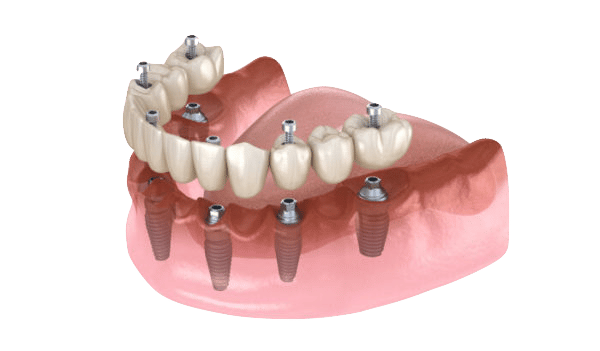
Are you weighing the pros and cons of dentures versus dental implants? The difference is about more than just appearance—it’s about function. Dentures sit on top of your gums and can restore only a fraction of your natural chewing power. Dental implants are anchored directly into your jawbone, providing the strength and stability to eat anything you want. This permanent foundation also protects your long-term jawbone health. For those needing a complete smile makeover, options like all on 5 dental implants denver offer a revolutionary way to get a full set of fixed, functional teeth. This guide will compare these two options directly.
Considering Dental Implants in Denver? 5 Ways They Outshine Dentures
Why Choose Dental Implants Over Dentures?
Dental implants are a popular and effective choice for replacing missing teeth. They are strong and durable, and they look and feel just like your natural teeth. In fact, dental implants are the only tooth replacement option that preserves your natural tooth root. There are many reasons to choose dental implants over dentures, and in this article, we will discuss the top 5 reasons why dental implants are better than dentures.
1. Enjoy Unmatched Stability (No More Slipping!)
2. Say Goodbye to Gum Irritation
3. Get a Smile That Looks and Feels Real
4. Protect Your Jawbone Health for the Long Term
5. Invest in a Lasting, Permanent Solution
1. Enjoy Unmatched Stability (No More Slipping!)
One of the biggest advantages of dental implants over dentures is that they are much more stable. Dentures can slip and move around in your mouth, making it difficult to eat and speak. Dental implants are anchored into your jawbone, so they doesn’t move around like dentures do. This gives you the confidence to eat and speak without worry that your teeth will slip.
2. Say Goodbye to Gum Irritation
Another advantage of dental implants over dentures is that they are more comfortable. Dentures can rub and irritate your gums, and they can also make it difficult to chew because they don’t fit as snugly as natural teeth. Dental implants are placed directly into your jawbone, so they fit securely in your mouth and don’t rub or irritate your gums.
3. Get a Smile That Looks and Feels Real
Dental implants are made to look and feel just like your natural teeth. They are the only tooth replacement option that preserves your natural tooth root, which helps to keep your jawbone healthy and strong. Dentures, on the other hand, can make your jawbone shrink over time because they don’t replace misaligned teeth3e the tooth root. This can give you a sunken-in appearance and make it difficult to chew and speak.
4. Protect Your Jawbone Health for the Long Term
Dental implants are the only tooth replacement option that preserves your natural tooth root. This is important because the tooth root helps to keep your jawbone healthy and strong. When you lose a tooth, the bone around the tooth root begins to deteriorate. This can cause your jawbone to shrink and make facial wrinkles more apparent. Dental implants stimulate bone growth and help preserve the natural shape of your face.
5. Invest in a Lasting, Permanent Solution
Dental implants are designed to be a permanent solution for missing teeth. With proper care, they can last a lifetime. Dentures, on the other hand, will eventually need to be replaced due to wear and tear. They can also become loose over time, which can make eating and speaking difficult.### Restoring Full Chewing Power
One of the most significant daily frustrations with dentures is the limitation they place on your diet. Chewing tough or crunchy foods can be difficult, if not impossible. Dental implants, however, are anchored directly into your jawbone, mimicking the function of natural tooth roots. This secure foundation provides incredible strength and stability, allowing you to eat all the foods you love without worry or discomfort. It’s not just about enjoying a steak or an apple; it’s about regaining the simple pleasure and confidence that comes with a fully functional bite, improving your nutrition and overall quality of life.
Implants vs. Dentures by the Numbers
The difference in bite force between dentures and implants is striking. Studies show that traditional dentures may only restore about 25% of your natural bite force, which explains why certain foods are off-limits. In contrast, full-arch solutions like All-on-X dental implants can bring back approximately 90% of your original chewing power. This isn’t just a small improvement; it’s a life-changing restoration that allows you to chew effectively and comfortably, almost as if you never lost your natural teeth. This functional recovery is a key reason many people consider implants a worthwhile investment in their long-term health.
### How Long Do Dental Implants Really Last?
When considering a permanent solution for missing teeth, longevity is a major factor. Dental implants are built to last. The implant itself, which is a small titanium post surgically placed in the jawbone, is designed to be a lifetime solution. Titanium is biocompatible, meaning your body accepts it, allowing the bone to fuse directly to it. This creates a rock-solid foundation that, with proper oral hygiene and regular dental check-ups, can endure for the rest of your life. It’s a true set-it-and-forget-it solution for the root portion of your missing teeth.
The Lifespan of Implants and Prosthetics
While the titanium implant posts are permanent, the prosthetic teeth attached to them—the part you see when you smile—will experience normal wear and tear from daily use. These custom-made crowns, bridges, or full arches are crafted from highly durable materials, but they aren’t indestructible. On average, the prosthetic teeth on full-arch implants last between 10 to 15 years before they may need replacement. The good news is that replacing the prosthetic is a much simpler process than the initial implant surgery, making long-term maintenance straightforward and predictable.
Are You a Good Candidate for Dental Implants?
The first step toward a new smile is determining if dental implants are the right solution for you. Generally, good candidates are adults who have one or more missing teeth and are in good overall health. One of the most critical factors is having sufficient jawbone density to support the implant. However, even if you’ve experienced bone loss, modern techniques often make implants possible. Conditions like uncontrolled diabetes or a history of radiation therapy to the jaw may require special consideration, but they don’t automatically rule you out. The best way to know for sure is to have a thorough evaluation with a dental implant specialist.
The Initial Consultation Process
Your journey begins with an initial consultation. This appointment is all about you—your health history, your dental goals, and your concerns. Your dentist will conduct a comprehensive examination, which typically includes advanced 3D imaging like a CBCT scan to get a detailed view of your jawbone, nerves, and surrounding structures. This is your opportunity to ask every question you have, from the procedure itself to the recovery process and costs. It’s a no-pressure conversation designed to give you all the information you need to make a confident and informed decision about your smile.
Creating Your Personalized Treatment Plan
Following your consultation and examination, your dental team will develop a treatment plan tailored specifically to your needs. This isn’t a one-size-fits-all approach. Your plan will detail the type of implants recommended, the number of implants needed, and the step-by-step process for your restoration. It will also outline the timeline and provide a clear breakdown of the costs involved. At Dental & Implant Centers of Colorado, we create a customized roadmap that aligns with your unique anatomy and desired outcome, ensuring your new smile is both beautiful and built to last. You can explore our various dental services to see the range of possibilities.
Understanding Full-Arch Dental Implant Solutions
For individuals missing most or all of their teeth, full-arch dental implants offer a revolutionary alternative to traditional dentures. This approach uses a small number of strategically placed implants to support an entire arch of new teeth, whether for the upper jaw, lower jaw, or both. The result is a permanent, non-removable set of teeth that looks, feels, and functions just like a natural smile. This solution eliminates the need for messy adhesives and the discomfort of slipping dentures, providing a stable and secure foundation that allows you to speak, laugh, and eat with complete confidence.
All-on-X and All-on-5 Implants
You may have heard terms like “All-on-X” or “All-on-5.” These refer to modern techniques for securing a full set of new teeth using a specific number of implants. For example, an All-on-5 solution uses five specialized implants placed in the jaw to anchor a full prosthetic arch. This method is often quicker and more efficient than older techniques that required an implant for every missing tooth. The “X” in All-on-X simply means the number of implants can vary (commonly four, five, or six) depending on your specific bone structure and clinical needs to achieve the best possible outcome.
Zygomatic Implants for Severe Bone Loss
What if you’ve been told you don’t have enough jawbone for traditional implants? Zygomatic implants offer a groundbreaking solution. Instead of being placed in the jawbone, these longer implants are anchored in the zygoma, or cheekbone, which is much denser and less prone to resorption. This advanced technique allows patients with severe upper jaw bone loss to receive a full-arch restoration without the need for extensive bone grafting procedures. It opens the door to a permanent new smile for individuals who previously had very few options available to them.
The Dental Implant Procedure: What to Expect
Understanding the implant process can help ease any anxiety and set clear expectations for your journey to a new smile. The procedure is typically performed in carefully planned stages to ensure the best possible outcome. It starts with the surgical placement of the implants and is followed by a healing period before your final, beautiful teeth are attached. While it’s a multi-step process, each phase is meticulously planned using advanced technology. Your dental team will guide you through every step, ensuring you are comfortable and informed from your first consultation to your final follow-up appointment.
The Step-by-Step Timeline
The implant journey is a process of transformation that unfolds over several months. It begins with the surgical placement of the titanium posts, followed by a healing phase. Once the implants have fully integrated with your bone, your final custom-made teeth are created and secured. While the full timeline can vary, the result is a permanent, functional, and beautiful smile that is worth the wait. Your dentist will provide a personalized timeline so you know exactly what to expect at each stage of your treatment.
Implant Placement and Healing
During the first surgical appointment, the titanium implants are carefully placed into your jawbone. After this, a crucial healing period begins. This process, known as osseointegration, is where the magic happens: your bone naturally fuses with the implants, creating an incredibly strong and stable base. This biological process can take anywhere from a few weeks to several months. It’s a vital phase that ensures your new teeth will have the durable foundation they need to last a lifetime. Patience during this stage is key to long-term success.
Receiving Your Temporary and Final Teeth
You won’t have to live without teeth during the healing period. In most full-arch cases, you will leave the day of your surgery with a beautiful, functional set of temporary teeth. This allows you to eat comfortably and smile confidently while your implants integrate. Once the healing process is complete and your implants are fully secure, you will return to have your final, permanent teeth attached. These are meticulously crafted from high-quality materials to provide the perfect fit, function, and aesthetic for your new smile.
Ensuring Your Comfort During Surgery
The thought of dental surgery can be intimidating, but modern dentistry prioritizes patient comfort above all else. The procedure itself is generally not painful because you will receive effective local anesthesia to numb the area completely. Any post-operative discomfort is typically mild and can be easily managed with over-the-counter or prescribed pain medication. The goal is to make your experience as smooth and stress-free as possible, so you can focus on the exciting outcome of your treatment rather than worrying about the process.
IV Sedation and Anesthesia Options
For patients who experience significant dental anxiety, IV sedation is an excellent option to ensure you are completely relaxed and comfortable throughout the procedure. Administered by a trained professional, IV sedation puts you in a dream-like state where you are unaware of the surgery taking place. You will feel no pain or anxiety, and many patients have little to no memory of the appointment afterward. This allows your dental team to perform the procedure efficiently while you rest peacefully, making it a safe and effective choice for a stress-free experience.
Post-Procedure Care and Diet
After your surgery, following your dentist’s instructions is crucial for a smooth recovery. You will likely be advised to stick to a soft food diet for a period to avoid putting pressure on the new implants while they heal. Foods like smoothies, yogurt, mashed potatoes, and soup are great options. It’s also important to keep the surgical area clean as directed and take any prescribed medications on schedule. Proper post-procedure care helps minimize discomfort, prevent complications, and ensure your implants heal successfully.
The Technology and Expertise Behind Your New Smile
Achieving predictable, long-lasting results with dental implants requires a combination of cutting-edge technology and a highly skilled clinical team. The days of guesswork are long gone. Modern implant dentistry relies on precise digital workflows that allow for meticulous planning and execution. From initial diagnosis to the final placement of your teeth, every step is guided by advanced tools and the deep expertise of specialists. This synergy ensures your surgery is safer, your recovery is faster, and your final smile is everything you hoped it would be.
Advanced 3D Imaging and Digital Planning
Before any procedure begins, your dental team will use a cone-beam computed tomography (CBCT) scanner to create a detailed 3D model of your mouth. This image shows the exact position of your nerves, sinuses, and existing bone structure. Using this digital model, your dentist can virtually plan the entire surgery, determining the optimal location, depth, and angle for each implant with incredible precision. This digital planning minimizes surprises during surgery, leading to a more predictable and successful outcome for your new smile.
Your Team of Dental Specialists
A successful full-mouth restoration is a collaborative effort that often involves a team of specialists, including oral surgeons, prosthodontists, and lab technicians. Each professional brings a unique set of skills to your treatment, from the surgical placement of the implants to the artistic design of your final teeth. At Dental & Implant Centers of Colorado, our experts work together seamlessly to manage every aspect of your care. You can have confidence knowing that your smile is in the hands of a dedicated and experienced team of professionals committed to excellence.
Understanding the Cost and Financing for Dental Implants
The cost of dental implants is one of the most common questions patients have, and it’s an important factor in your decision-making process. While the initial investment is higher than for options like dentures, it’s essential to view it as a long-term investment in your health, confidence, and quality of life. The price reflects the high-quality materials, advanced technology, and specialized expertise required to create a permanent, fully functional smile. The final cost can vary significantly based on your individual needs, such as the number of implants required and whether any preparatory procedures are needed.
Average Cost for a Full-Mouth Restoration
When considering a full-mouth restoration with dental implants, it’s helpful to have a general idea of the investment. Nationally, the average cost for a full-arch procedure can range from $20,000 to $55,000 per arch. This price typically includes the consultation, 3D imaging, surgical placement of the implants, and both the temporary and final sets of teeth. While this may seem like a significant number, it’s important to remember that this is a permanent solution designed to last for decades, unlike dentures which often require frequent replacements and adjustments over time.
Financing Options and Payment Plans
We believe that financial considerations shouldn’t stand in the way of achieving a healthy, confident smile. To make this life-changing treatment accessible, most dental practices offer a variety of financing solutions. Many partner with third-party healthcare financing companies that provide flexible payment plans, some with low or no interest. These plans can break down the total cost into manageable monthly payments, with some starting as low as $300 per month. Be sure to explore the financing and insurance options available to find a plan that fits comfortably within your budget.
Frequently Asked Questions
Is the dental implant procedure painful? This is the number one question I hear, and it’s completely understandable to be concerned. The actual surgery is not painful because the area will be completely numb with local anesthesia. Our team also offers IV sedation, which allows you to rest comfortably and peacefully through the entire appointment. Afterward, you can expect some soreness and swelling, but most people say it’s less uncomfortable than they anticipated and easily managed with standard pain relievers.
What if I’ve been told I don’t have enough jawbone for implants? In the past, significant bone loss could prevent someone from getting implants. However, modern dentistry has incredible solutions for this exact problem. For patients with severe bone loss in the upper jaw, we can often use zygomatic implants. These are longer implants that anchor into the dense cheekbone instead of the jawbone, providing a secure foundation for new teeth without the need for extensive bone grafting.
Will I have to go without teeth while my implants are healing? Absolutely not. You will not have to hide your smile while you heal. For most full-arch implant procedures, you will leave your surgery appointment with a beautiful, functional set of temporary teeth. This allows you to eat, speak, and smile with confidence from day one while the underlying implants fuse with your bone.
Are dental implants truly a permanent fix? It’s helpful to think of your new smile in two parts. The titanium implant posts that are placed in your jaw are designed to be a lifetime solution. They fuse with your bone and become a permanent part of you. The prosthetic teeth attached to them are made from incredibly durable materials, but they will experience normal wear from daily use. On average, these may need to be replaced every 10 to 15 years, which is a much simpler process than the initial surgery.
Why is the investment for dental implants so much higher than for dentures? Viewing implants as a long-term investment in your health is key. While dentures have a lower upfront cost, they often come with recurring expenses for relines, adhesives, and replacements every few years. Dental implants are a permanent foundation that restores nearly all of your natural chewing function and prevents jawbone deterioration. The cost reflects the advanced 3D planning, high-quality materials, and the specialized expertise of the surgical and restorative team required to create a lasting solution.
Key Takeaways
- Think Beyond the Smile—Protect Your Jawbone: Dental implants are the only solution that fuses with your jaw, preventing the bone loss that naturally occurs with missing teeth. This preserves your facial structure and restores nearly all of your original chewing power for better overall health.
- Understand the Long-Term Value: The titanium implant post itself is a permanent fixture designed to last a lifetime. While the prosthetic teeth on top may need to be replaced after a decade or more, the core foundation is a one-time investment in lasting stability.
- Your Path to Implants is Personalized: Don’t rule yourself out due to bone loss or cost. A thorough consultation using 3D imaging will determine the best solution for you—even advanced options like All-on-X—while financing plans can make the investment manageable.
