




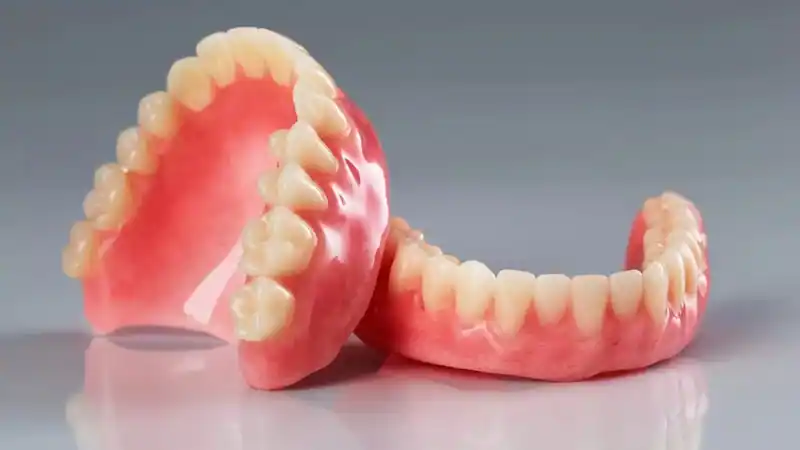
Getting dentures is a significant step toward restoring your smile, but it often comes with a steep learning curve, particularly when it comes to food. It’s easy to feel limited when your favorite crunchy and chewy foods are suddenly off-limits. However, this adjustment phase is temporary, and you have more delicious options than you might think. This guide is designed to empower you at mealtime. We’ll show you how to stock your kitchen, prepare satisfying soft meals for dentures, and gradually reintroduce a wider variety of foods. You can eat well and feel great while your mouth heals and adapts.
If you wear dentures, meal planning requires careful consideration. Some foods may pose challenges that outweigh their nutritional benefits and should be avoided. In life, some things can be improved with a little advance planning. This is especially true if you have dentures to replace missing teeth. Gone are the days of spontaneous snacking or impromptu dinner dates without considering the menu. Planning ahead is crucial for mealtime success with dentures.
Your Guide to Stress-Free Eating with Dentures
If you’ve recently replaced missing teeth with dentures, you’ve likely undergone tooth extraction and your mouth is still healing, making it sore. As a result, you’ll need to be careful in selecting the right foods for your diet. Nutritious liquids such as juices, applesauce, smoothies, mashed potatoes, pudding, and soup that’s not too hot are all great options. Drinking your meals through a straw and ensuring you’re getting enough nutrition are key to your recovery.  You can either look for restaurants that serve these types of foods or prepare your own liquid diet in advance and bring it with you. Alternatively, you could invite guests over instead of going out, as you may not feel up to leaving home. For quick trips, consider packing snacks like applesauce or fruit and veggie pouches that can be squeezed into your mouth, or prepackaged drinkable yogurt, similar to what a mom might pack for their child.
Stock Your Kitchen for Easy, Denture-Friendly Meals
When preparing a denture-friendly diet, having the right kitchen tools is essential. Here are some useful tools to consider:
- Immersion blender: Perfect for blending soups and other liquids to a smooth consistency.
- Food processor: Useful for chopping and blending soft foods like mashed potatoes, cooked vegetables, and fruits.
- Juicer: Great for making fresh, nutritious juices.
- Blender: Useful for creating smoothies and shakes.
It’s important to note that you may need to stick to a liquid diet for the first three to four weeks after getting dentures before transitioning to soft foods. These kitchen tools will help make meal preparation easier during this time.
Ready for Solid Foods? Here’s How to Start
Adapting to chewing and biting with dentures takes time, as your gums need to adjust to the pressure. It’s important to choose soft foods that are comfortable to chew as you ease back into eating solid foods. Once you’ve mastered foods like applesauce and mashed vegetables, you can move on to slightly more solid options. However, it’s important to keep these foods in small, bite-sized pieces to make chewing as comfortable as possible. Some soft food options for denture wearers include:
- Baked beans
- Fresh, skin-free fish
- Cooked greens
- Pasta
- Cooked rice
- Soft bread
By gradually introducing solid foods in small portions, you can help your mouth adjust to chewing and make the transition to a regular diet more comfortable.
More Delicious Things You Can Eat with Dentures
If you’re looking for more alternatives, try adding these denture-friendly options to your diet:
- Slow-cooked meats: Cooking meat slowly makes it more tender and flavorful. Try dishes like beef brisket, pulled pork, or pot roast.
- Ground meats: Ground meat is easy to eat with dentures as it’s less tough. You can use it in various recipes, such as casseroles, tacos, and meat pies. If you want to opt for a leaner meat, try ground turkey.
- Non-nut protein spreads: If you enjoy the taste and protein content of peanut butter, try hummus made from chickpeas, which has a mild flavor and pairs well with spices. For a sweeter alternative, cream cheese is a good choice.
- Chocolate: Chocolate is still an option for denture wearers as long as you avoid candy bars with nuts or toffee. Indulge in a few handmade chocolates or an indulgent European chocolate bar.
- Ripe fruits: Many fruits become soft when they ripen, making them easier to eat. Try oranges, tomatoes, peaches, bananas, or mangos, and mix them with ice cream or frozen yogurt for a refreshing smoothie.
- Cooked vegetables: Raw vegetables can be tough to eat, but boiling, steaming, or microwaving them will soften their texture. With a wide variety of veggies available, you can enjoy them in various dishes and never get bored with this healthy food group.

Breakfast Foods
Starting your day with a nutritious, easy-to-eat meal is simple, even with new dentures. Think soft, comforting, and packed with protein to help you heal and feel your best. Scrambled eggs are a fantastic choice because they are gentle on your gums and require minimal chewing. Oatmeal is another excellent option; you can make it with milk for extra calcium and top it with soft fruits like mashed bananas or a swirl of applesauce. Yogurt and cottage cheese are also great grab-and-go breakfasts that provide protein and are incredibly easy to eat, helping you maintain a balanced diet while your mouth adjusts.
Dairy Products
Dairy is a powerhouse of nutrients, especially calcium, which is vital for maintaining jawbone health—a key factor for anyone considering long-term tooth replacement solutions like dental implants. Soft cheeses are your best friend during this adjustment period. Cottage cheese and ricotta are not only gentle on your mouth but also versatile enough to be included in various meals. You don’t have to give up on harder cheeses either; simply melting them over soft pasta or well-cooked vegetables makes them perfectly suitable. These options ensure you get essential nutrients without putting unnecessary pressure on your gums.
Easy-to-Eat Meats and Proteins
Getting enough protein is crucial for healing and overall strength, but tough meats can be a major challenge for denture wearers. Instead, focus on tender, flaky fish like tilapia or cod, which can be baked or steamed to perfection. Ground meats, such as turkey, chicken, or beef, are also incredibly versatile for dishes like meatloaf, shepherd’s pie, or soft tacos. For plant-based options, consider well-cooked beans, lentils, and tofu. These proteins are not only easier to chew but can be seasoned and incorporated into countless delicious and satisfying meals that support your recovery.
Fruits and Vegetables
You don’t have to miss out on the vitamins and minerals from fresh produce. The key is to choose the right ones and prepare them properly. Steaming, boiling, or roasting vegetables like carrots, broccoli, and squash until they are fork-tender makes them much easier to manage. You can also mash them or blend them into creamy soups. For fruits, stick to naturally soft options like ripe bananas, peaches, and avocados. Canned fruits packed in water or their own juice are also great. These foods provide the essential nutrients your body needs for healing without irritating your mouth.
Desserts and Treats
Adjusting to dentures doesn’t mean giving up dessert. You can still satisfy your sweet tooth with plenty of delicious, denture-friendly treats. Ice cream, sorbet, and frozen yogurt are perfect for soothing sore gums while providing a delightful indulgence. Puddings, custards, and gelatin are other classic soft desserts that require no chewing at all. You can also blend your favorite soft fruits with yogurt or milk to create a nutritious and refreshing smoothie. Just be sure to avoid treats with hard or sticky components like nuts, caramel, or hard candies that could damage your dentures or irritate your gums.
What Are the Hardest Foods to Eat with Dentures?
When you have dentures, it’s important to be mindful of the foods you eat. Certain foods can cause problems such as denture sores, loose dentures, and bad breath. Here are some foods to avoid:
- Tough meat: Chewing on tough meat can cause denture sores on your gums. It’s best to opt for softer meats that are easier to chew.
- Hard foods: Biting and chewing on hard foods can cause uneven bite pressure, which can lead to loose or damaged dentures. Foods like carrots, corn on the cob, nuts, apples, and popcorn should be avoided.
- Sticky foods: Sticky foods can pull dentures loose and cause food to get stuck underneath them, leading to gum irritation and bad breath.
- Foods with small pieces: Foods like nuts, popcorn kernels, and seeds can break off into small pieces that are difficult to chew and can get stuck under your dentures.
By avoiding these problem foods, you can help ensure your dentures stay in good condition and your mouth stays healthy.
Sticky and Gummy Foods
Sticky and gummy foods are particularly troublesome when you have dentures. Candies like caramel, taffy, and gummy bears can adhere to your dentures and pull them loose, creating an awkward and uncomfortable situation. Beyond just dislodging them, these foods can wedge themselves into the small spaces between your dentures and gums. When food gets trapped underneath, it can lead to significant gum irritation and contribute to bad breath. While it might be tempting to indulge in these sweet treats, the risk of loosening your dentures and dealing with the cleanup and potential soreness often isn’t worth it. It’s best to steer clear of these items to keep your dentures secure and your mouth feeling fresh and comfortable.
Foods That May Always Be Difficult
Even after you’ve fully adjusted to wearing dentures, some foods will likely remain on your “avoid” list. Tough meats like steak, hard foods such as raw carrots or corn on the cob, and anything with small, hard pieces like popcorn or seeded bread can present ongoing challenges. Chewing tough foods can put a lot of strain on your gums, while biting into hard items can create uneven pressure that might damage or dislodge your dentures. Foods with tiny, sharp pieces are notorious for getting stuck under the denture plate, which can be quite painful. For those who find these dietary restrictions too limiting, exploring more permanent solutions like dental implants can offer a way to enjoy a wider variety of foods without worry.
How to Eat Comfortably and Confidently with Dentures
It’s important to manage your expectations when it comes to eating with dentures. While you may be able to eat a wider variety of foods once you’ve adjusted to your dentures, you will never be able to bite and chew like you did with your natural teeth. Dentures can cause food to get stuck underneath them and irritate your gums, and they may become loose while you’re eating, making it difficult to speak and chew properly. However, with practice and patience, you can learn to eat comfortably and confidently with dentures. Start with softer foods and cut them into smaller pieces to make them easier to chew. Chew slowly and use both sides of your mouth to evenly distribute the pressure. As you become more comfortable, you can gradually introduce harder and tougher foods into your diet. While you may never be able to eat like you did with your natural teeth, with proper care and maintenance, your dentures can help you enjoy a healthy and satisfying diet.
Master Your Chewing Technique
Learning to chew with dentures is like learning any new skill—it takes practice. Your gums need time to get used to the pressure, so start slowly. Begin by cutting your food into very small, manageable pieces. When you chew, try to do so slowly and consciously, using both sides of your mouth at the same time. This helps distribute the biting pressure evenly, which keeps your dentures more stable and prevents them from tipping. As you build confidence, you can gradually move on to firmer foods, but always remember to take your time. Rushing through meals can lead to discomfort and frustration, so be patient with yourself during this learning phase.
Be Careful with Temperature and Spice
One thing you might not expect is that dentures can insulate your mouth, making it harder to sense temperature. This means you could easily burn your mouth on hot foods or drinks without realizing it until it’s too late. Before taking a big bite or gulp, test the temperature of your food with your lips or the tip of your tongue. It’s a small step that can save you from a lot of pain. Similarly, your gums may be sensitive during the adjustment period, so you might want to ease up on heavily spiced foods. What was once pleasantly zesty might feel irritating until your mouth has fully healed and adapted to your new dentures.
Manage Common Side Effects
It’s completely normal to experience a few side effects as you get used to your new dentures. Your gums might feel sore from the new pressure, and you may even develop a few tender spots. This discomfort typically subsides as your mouth toughens up. You might also notice a temporary change in your sense of taste. Some people find that salty and bitter foods taste different at first. This happens because the denture base covers parts of your palate. Don’t worry—this is usually temporary, and your sense of taste should return to normal as your brain and mouth adjust to the new sensation of wearing dentures.
Drink Liquids with Your Meals
Making a habit of sipping liquids with your meals can make the dining experience much smoother. Drinking water or another beverage helps moisten dry foods, making them easier to chew and swallow. This simple trick can also help prevent small food particles from getting trapped underneath your dentures, which can be a common source of irritation and discomfort. Swishing with water after you eat is another great way to dislodge any lingering bits of food and keep your mouth feeling fresh and clean. Think of it as a helpful tool to make every meal more enjoyable and manageable while you adapt.
Navigating the Adjustment Period
Getting used to eating with new dentures is a process that unfolds over time, and patience is your best friend. Right after you get your dentures, especially if you’ve had teeth extracted, your mouth will be sensitive. You’ll need to stick to liquids and very soft foods for a while. As your gums heal, you can slowly introduce more textured foods. The key is to listen to your body and not push yourself too hard. Every person’s adjustment period is different, so try not to compare your progress to anyone else’s. Focus on making small, steady steps forward as you re-learn how to eat comfortably and confidently.
If you find that traditional dentures feel unstable while eating, it might be worth exploring other options. Modern dentistry offers solutions that can provide a more secure and natural-feeling bite. For example, anchored dentures, which are supported by dental implants, offer superior stability and can make eating a much more pleasant experience. They function more like natural teeth, reducing worries about slipping or shifting. Discussing your challenges with your dental team can help you find the best long-term solution for your lifestyle, ensuring you can enjoy your favorite foods without hesitation.
Understanding the Initial Timeline
It helps to have a realistic idea of how long the initial adjustment might take. Generally, the first couple of weeks are the most intensive part of the learning curve. During this time, you’ll be getting accustomed to the feeling of the dentures in your mouth and practicing basic functions like speaking and eating soft foods. However, this two-week period is just an average. For some, it might take a bit longer to feel truly comfortable, while others might adapt more quickly. The goal isn’t to hit a specific deadline but to make consistent progress in adapting to your new smile.
When to Contact Your Dentist
While some initial discomfort is normal, you shouldn’t have to endure persistent pain. If you develop sores on your gums that don’t heal, or if your dentures continue to feel loose, rub uncomfortably, or cause significant pain when you chew, it’s time to call your dentist. These are often signs that your dentures need an adjustment to fit properly. A well-fitting denture should be comfortable. Don’t hesitate to reach out to our team at Dental & Implant Centers of Colorado. We can assess the fit and make the necessary adjustments to ensure your dentures are working for you, not against you.
A Note on Denture Adhesives
Denture adhesives can provide extra security and confidence, but they shouldn’t be used as a crutch for a poor-fitting appliance. Your dentist might even recommend that you avoid using adhesives at first. This allows you to get a true sense of how the dentures fit and function on their own. If your dentures fit correctly, you may not need adhesive at all. If you find yourself relying on it just to keep your dentures in place, it’s a strong indicator that you need a professional adjustment. Think of adhesive as an optional accessory for added peace of mind, not a permanent fix for an underlying issue.
Tired of Soft Meals? Explore a Permanent Solution
If you’re tired of planning your meals around your dentures or drinking through a straw, consider switching to full mouth dental implants. At Dental & Implant Centers Of Colorado, we offer cutting-edge technology and processes to provide custom-made, permanent dental implants in just 24 hours. With our implants, you can enjoy soft foods immediately after surgery and gradually regain your bite force over a few months. Unlike traditional dentures, our implants are securely integrated into your mouth, allowing you to eat anything you want, from steak to nuts. If you’re interested in learning more about replacing your teeth, we’re here to help. At Dental & Implant Centers Of Colorado, we’re dedicated to educating our patients and answering all of their questions. Say goodbye to meal planning and hello to a new, confident smile. Contact us today!
Frequently Asked Questions
How long will it take before I can eat normally again? Patience is key during the adjustment period. While most people start feeling more comfortable within a few weeks, “normal” is a relative term. Your mouth is healing and learning a new skill. Focus on gradual progress, starting with liquids and soft foods, then slowly introducing more textures. True confidence comes with practice, and everyone’s timeline is unique.
Is it normal for my food to taste different with new dentures? Yes, it’s quite common to notice a temporary change in how you perceive flavors, especially salty or bitter tastes. The upper denture covers your palate, which plays a role in taste. As your brain and mouth adapt to this new appliance, your sense of taste should gradually return to what you’re used to.
What should I do if my dentures feel loose or cause sore spots when I eat? You shouldn’t have to endure constant discomfort. While some initial soreness is expected, persistent pain, rubbing, or a loose fit are signs that your dentures need a professional adjustment. A proper fit is crucial for comfort and function, so don’t hesitate to contact your dentist to have them looked at.
Are there any foods I’ll have to avoid forever with traditional dentures? Even after you’ve fully adjusted, some foods will likely remain challenging. Very hard items like nuts, tough meats like steak, and sticky candies can put stress on your dentures and gums. While you’ll learn your own limits, these foods often pose a risk of dislodging or damaging your appliance. For a solution without these dietary restrictions, many people explore dental implants.
Do I need to use denture adhesive every time I eat? Not necessarily. A well-fitting denture shouldn’t require adhesive to stay in place for daily activities, including eating. Adhesives can offer an extra layer of security and confidence, but they aren’t a substitute for a proper fit. If you find you can’t eat without it, it’s a strong signal that you should see your dentist for an adjustment.
Key Takeaways
- Ease into eating with a soft food strategy: Your mouth needs time to heal, so begin with liquids and gradually introduce soft foods like cooked vegetables, eggs, and pasta. Being patient with your progress is the key to a comfortable transition.
- Know which foods to temporarily sideline: To prevent discomfort and keep your dentures secure, it’s best to skip anything hard (like nuts), sticky (like caramel), or very tough (like steak). This will make the adjustment period much smoother.
- Adopt new habits for confident chewing: Cut your food into small, manageable pieces and chew slowly using both sides of your mouth. This simple technique helps distribute pressure evenly and keeps your dentures stable while you eat.
