




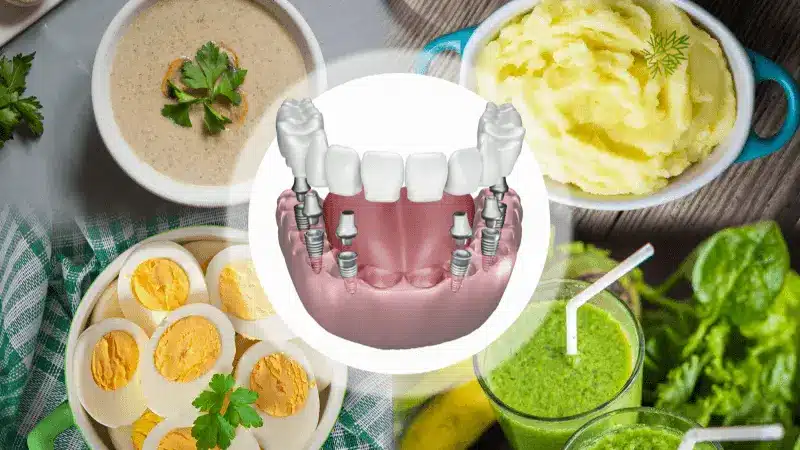
After your dental implant procedure, it’s completely normal to feel a mix of excitement for your new smile and uncertainty about the recovery process. One of the most common questions we hear from patients is about their diet. The foods you choose play a direct role in how well your body heals, reduces swelling, and supports the long-term success of your implant. To help you feel confident and prepared, we’ve created this detailed guide on what to eat after dental implants surgery. We’ll walk you through a diet timeline, share lists of approved foods, and offer practical tips for a comfortable recovery.
If you are experiencing tooth loss or decay, you may be looking for solutions to restore your smile. One common and effective option is dental implants. After dental implant surgery, it’s essential to consider the types of foods you can eat to ensure proper healing and comfort. In this guide, we’ll walk you through the process of dental implants, what to eat after surgery, and how to care for your new implants.
What’s the Process for Dental Implants?
Dental implants are an advanced solution to replace lost or damaged teeth. These implants are titanium posts that are surgically placed into the jawbone, where they fuse with the bone in a process called osseointegration. Once the implants have successfully fused with the bone, they are topped with a natural-looking crown or cap that resembles a real tooth. The process starts with a detailed evaluation by a dental specialist, who will assess your oral health, including your gums, jawbone, and overall dental condition. This is crucial because the success of dental implants depends on the strength of the bone structure where the implants will be placed. If your bone density is insufficient, a bone graft may be required. After the implant is placed, you will need to follow a proper care regimen. This includes regular dental check-ups and proper oral hygiene practices to ensure the longevity and health of your implants. Dental implants function much like natural teeth, so caring for them as you would your regular teeth is important to maintain their functionality and aesthetic appeal.
What Can I Eat After Dental Implant Surgery?
Immediately following dental implant surgery, it’s important to be mindful of the foods you eat to avoid disrupting the healing process. For the first few days or even weeks, your diet should consist primarily of soft foods that do not require much chewing. These foods are gentle on your new implants and the surrounding tissues, reducing the risk of discomfort or complications.
Your Post-Surgery Diet Timeline
Healing after dental implant surgery is a gradual process, and your diet will change as you recover. It’s crucial to follow a timeline to protect the surgical site and support the osseointegration process, where the implant fuses with your jawbone. Sticking to these guidelines helps ensure your new smile heals beautifully and lasts a lifetime. Think of it as a phased approach—starting with the gentlest options and slowly working your way back to your favorite crunchy snacks. Your dental team will provide specific instructions, but this general timeline gives you a clear idea of what to expect.
The First 24-48 Hours: Cool Liquids Only
For the first day or two after your procedure, your focus should be on cool liquids. This is key to minimizing swelling and avoiding any irritation to the sensitive surgical area. Warm or hot liquids can increase blood flow and swelling, so it’s best to steer clear. Instead, stock your fridge with things like nutrient-rich smoothies (no straws!), cold soups like gazpacho, applesauce, and yogurt. If you’re craving something sweet, Jell-O, pudding, and even ice cream or milkshakes are great options. These foods require no chewing and their cool temperature can be very soothing for your gums.
The First Week: Introducing Soft Foods
After the initial liquid-only phase, you can start introducing soft foods that require minimal chewing. Your body needs protein and other nutrients to heal effectively, so this is a great time to incorporate things like scrambled eggs, oatmeal, and soft cheeses. Mashed potatoes, soft-cooked pasta, and well-steamed vegetables are also excellent choices. You can even have finely chopped or ground meats like chicken or fish. The goal is to get the nutrition you need without putting any pressure on your new dental implants. Always listen to your body and stick with what feels comfortable.
Weeks Two to Six: Moving to Semi-Solid Foods
As you enter the second week of recovery, you can begin to expand your menu to include semi-solid foods. At this stage, your gums are less sensitive, but the implant is still integrating with your jawbone, so you want to avoid anything too hard or crunchy. Think about foods with more substance that are still easy to chew. This includes things like soft fish, ground beef, tofu, and well-cooked grains like quinoa or couscous. Soft fruits like peaches and avocados are great, as are steamed vegetables like carrots and zucchini. This phase is all about slowly reintroducing texture while continuing to protect the implant site.
Two to Six Months: Gradually Returning to Normal
This longer phase is when the real magic of osseointegration happens. As your implant becomes securely fused with your jawbone, you can gradually start eating firmer foods again. You can begin to add things like tender meats, soft breads, and roasted vegetables back into your diet. Even harder fruits like apples are okay, as long as you cut them into small, manageable pieces. It’s important not to rush this process. The expert team at Dental & Implant Centers of Colorado will guide you on when it’s safe to return to a normal diet, which is usually after they’ve confirmed the implant is stable and fully integrated.
Foods to Eat After Implant Surgery
After dental implant surgery, you’ll want to focus on foods that are easy to eat and won’t irritate or damage your healing gums. Here are some foods that are generally safe to consume:
- Applesauce
- Avocados
- Baked beans
- Bananas
- Pasta (soft, well-cooked)
- Smoothies (without seeds or chunks)
These foods are nutritious and provide a good balance of vitamins and minerals, while being gentle on your mouth.
Nutrient-Rich Proteins
Protein is essential for healing, as it helps your body repair tissue after surgery. While you can’t exactly bite into a steak, there are plenty of soft, protein-packed options to support your recovery. Scrambled eggs are a fantastic choice because they are easy to chew and contain phosphorus and vitamin D, which help build and maintain strong teeth. Other great sources include cottage cheese, Greek yogurt, and well-blended protein smoothies (just remember not to use a straw!). These foods provide the building blocks your body needs to heal the area around your new dental implants without putting any stress on your jaw or the surgical site. Think of it as fueling your recovery from the inside out.
Soft Vegetables and Grains
Getting your daily dose of vitamins and minerals is just as important during recovery. You can easily incorporate vegetables into your diet by cooking them until they are very soft and mashing them with a fork. Mashed potatoes, sweet potatoes, and steamed carrots are all excellent options. Leafy greens like spinach and kale, when cooked down, are also easy to eat and packed with calcium, a key nutrient for supporting the bone around your implants. For grains, stick to things like oatmeal, cream of wheat, or soft-cooked pasta. These foods give you sustained energy and are gentle on your mouth, ensuring you get balanced nutrition while your implants heal.
Soothing Cold Treats
A little bit of swelling and discomfort is normal after your procedure, and cold foods can be incredibly soothing. Soft, cold treats can help reduce inflammation at the surgical site and provide some welcome relief. Feel free to enjoy some ice cream, sorbet, or frozen yogurt, but be sure to choose flavors without any hard chunks like nuts, chocolate chips, or candy pieces that could irritate your gums. Chilled applesauce, puddings, and Jell-O are also great choices. These comforting foods not only feel good on your healing gums but can also make the recovery process feel a little more pleasant and manageable.
Key Nutrients for Faster Healing
While the texture of your food is important after surgery, the nutritional content is what truly fuels your body’s healing process. Choosing foods rich in specific vitamins and minerals can help reduce swelling, repair tissue, and support bone fusion, which is critical for the success of your new implants. Think of your post-surgery diet as an active part of your recovery plan. By focusing on key nutrients, you give your body the essential building blocks it needs to heal efficiently, helping you get back to feeling like yourself sooner. Let’s look at the powerhouse nutrients that can make a significant difference in your recovery journey.
Protein for Tissue Repair
Protein is essential for helping your body build and repair tissues, especially after a surgical procedure like getting dental implants. It also plays a vital role in fighting off potential infections, keeping your recovery on track. During the healing phase, your body needs more protein than usual to regenerate the gum and soft tissues around the implant site. You can find plenty of protein in soft, easy-to-eat foods. Consider adding items like scrambled eggs, Greek yogurt, cottage cheese, well-cooked beans, or protein shakes to your daily meals. These options are gentle on your mouth but packed with the restorative power your body needs.
Vitamin C for Healthy Gums
Healthy gums are the foundation for successful, long-lasting implants, and Vitamin C is one of their biggest allies. This powerful antioxidant is crucial for producing collagen, a protein that helps your gum tissues heal and stay strong. A strong gum line ensures a snug, secure fit for your new tooth. To get your daily dose of Vitamin C without irritating the surgical site, try blending soft fruits like strawberries or kiwi into a smoothie. You can also enjoy mashed sweet potatoes or other soft, vitamin-rich vegetables. Incorporating these foods helps ensure your gums heal properly, creating a healthy environment for your implant to thrive in for years to come.
Calcium and Vitamin D for Bone Health
The long-term success of a dental implant hinges on a process called osseointegration, where the implant post fuses directly with your jawbone. To support this critical step, your body needs plenty of Calcium and Vitamin D. Calcium is the primary mineral for building strong bones, while Vitamin D helps your body absorb that calcium effectively. Together, they form a dynamic duo for bone health. You can find both nutrients in dairy products like milk, yogurt, and soft cheeses. If you’re dairy-free, look for fortified alternatives like almond milk or orange juice to ensure your jawbone has the strength it needs to form a solid bond with your new implant.
Omega-3s, Zinc, and Iron to Support Recovery
Beyond the major nutrients, a few key minerals and fatty acids act as a support system for your recovery. Omega-3 fatty acids, found in soft-cooked salmon or blended into a smoothie with flax seeds, are excellent for reducing inflammation and managing post-surgical swelling. Meanwhile, Zinc and Iron are vital for a healthy immune system, which works overtime to prevent infection after surgery. You can find these minerals in soft foods like puréed beans, lentils, and tender, slow-cooked meats like turkey. Including these nutrients in your diet provides a well-rounded approach to healing, addressing everything from swelling to immune defense.
What Foods Should I Avoid After Getting Dental Implants?
There are certain foods that should be avoided to help with healing and prevent damage to your implants. These include:
- Hard foods, like nuts, chips, or raw vegetables
- Sticky foods, such as caramel or chewy candy
- Spicy foods, which can irritate the mouth
- Acidic foods and drinks, like citrus fruits or vinegar-based foods
These foods can cause discomfort, interfere with the healing process, or potentially harm the newly placed implants. It’s essential to avoid them, especially during the initial recovery period.
Foods and Drinks to Steer Clear Of
Let’s expand on that list of foods to avoid. It’s not just about preventing pain; it’s about giving your implant the best possible environment to heal. Hard and crunchy items like nuts, chips, and even raw veggies are off-limits for a while. Biting down on them can put too much pressure on the implant site and cause real discomfort. The same goes for sticky and chewy foods like caramel or taffy, which can get stuck around the surgical area and disrupt the healing process. You’ll also want to skip anything too spicy or acidic, like citrus fruits or tomato sauce, as they can irritate the sensitive tissue. And be mindful of temperature—anything extremely hot or cold can be a shock to the system and cause pain.
Important Habits to Avoid
Beyond your diet, a few key habits can make a big difference in your recovery. First, and this is a big one, do not use a straw. The suction created when you drink through a straw can dislodge the crucial blood clot that forms over the surgical site, leading to a painful condition called dry socket. It’s also wise to avoid chewing directly on the side where you received your dental implant. This helps prevent unnecessary pressure while the area is healing. Finally, it’s best to avoid smoking and alcohol during your recovery. Both can seriously slow down the healing process and increase the risk of complications. The team here at Dental & Implant Centers of Colorado always provides detailed post-op instructions tailored to your specific procedure, so be sure to follow their guidance closely.
When Can I Eat Normally Again?
Once you’ve fully healed from your dental implant surgery and your permanent restorations are placed, you should be able to eat almost anything you desire, just like with natural teeth. The implants are anchored securely into your jawbone, providing support similar to that of a natural tooth root, which means you can enjoy a wider range of foods without worry.
Practical Tips for Eating and Recovery
Figuring out your meals after surgery can feel a little tricky, but with a few adjustments, you can eat well and support your body’s healing process. The main goal is to protect the surgical site while still getting the nutrients you need. Think of this period as a temporary detour on your way to enjoying all your favorite foods again with a brand-new smile. Focusing on simple, gentle habits will make your recovery smoother and more comfortable, setting the stage for the long-term success of your dental implants. It’s all about being kind to your mouth as it heals.
How to Eat Comfortably
For the first few days, stick to soft foods that require minimal chewing. This approach is gentle on your new implants and the surrounding gum tissue, which helps reduce irritation and prevent complications. Think of foods like smoothies (just remember to use a spoon, not a straw, as suction can disrupt healing), yogurt, applesauce, mashed potatoes, and well-cooked pasta. As you start to feel better, you can gradually introduce more semi-soft options like scrambled eggs, oatmeal, or soft-cooked fish. Try to chew on the side of your mouth opposite the implant site. Taking small bites and eating slowly can also make a big difference in your comfort level.
General Recovery Advice
Beyond your diet, proper aftercare is key to a smooth recovery. Make sure to stay hydrated by drinking plenty of water, and get as much rest as you can to let your body heal effectively. It’s also crucial to follow the specific post-operative instructions provided by your dental team. Our specialists at DICC give every patient a detailed care plan tailored to their procedure. This will include guidance on how to keep the area clean, such as gentle rinsing with a warm salt water solution a few times a day. Avoid smoking and drinking alcohol, as both can significantly slow down the healing process and increase the risk of infection.
Ready for Your New Smile?
If you are considering dental implants as a solution for tooth loss or decay, it’s important to choose a dental professional in Denver, CO, who understands your needs and goals. A skilled dentist will assess your oral health and provide a customized treatment plan that is tailored to you. With proper care and attention, dental implants can give you a beautiful, natural-looking smile that functions just like your own teeth. Embark on the journey to a new smile today by contacting a best dentist in Cherry Creek, CO, who can guide you through the process and help you achieve the results you desire.
Frequently Asked Questions
Why is using a straw such a big deal after surgery? It might seem like a small thing, but avoiding straws is crucial for proper healing. The suction created when you use a straw can dislodge the protective blood clot that forms over your surgical site. Losing this clot can lead to a painful condition called dry socket, which delays your recovery. It’s best to sip directly from a glass or use a spoon for smoothies and shakes for the first week or so.
How soon can I have my morning coffee or some hot tea? We all love our daily routines, but you’ll need to put hot drinks on pause for the first 24 to 48 hours. Hot liquids can increase blood flow to the surgical area, which can lead to more swelling or bleeding. You can still enjoy your favorite drinks, but let them cool down to a lukewarm temperature before you take a sip.
I’m worried about getting enough nutrition on a liquid and soft food diet. Any tips? It’s a valid concern, but you can absolutely stay well-nourished. Think about nutrient density. You can blend protein powder, Greek yogurt, and soft fruits like bananas into a smoothie to cover your protein needs. Creamy vegetable soups, mashed sweet potatoes, and scrambled eggs are also fantastic for getting vitamins and minerals without requiring any tough chewing. This is a temporary phase focused on fueling your body for a successful recovery.
When will I know it’s safe to start eating harder foods again? Your body and your dental team will give you the cues you need. While you’ll gradually add more textured foods back into your diet over several weeks, the final green light for things like steak or crunchy apples comes after the implant has fully fused with your jawbone. This is a process we monitor closely at your follow-up appointments. Rushing it can put stress on the implant, so patience is key.
What happens if I accidentally chew on the implant site? First, don’t panic—it happens. If you accidentally bite down on the area and feel a bit of discomfort, just stop and switch to the other side of your mouth. You can gently rinse with a warm salt water solution to keep the area clean. Pay attention to how it feels over the next day. If you notice any significant or lasting pain, swelling, or bleeding, it’s always a good idea to give our office a call so we can make sure everything is okay.
Key Takeaways
- Adopt a Phased Approach to Your Diet: Begin with cool liquids for the first 48 hours, progress to soft foods like oatmeal and yogurt for the first week, and gradually reintroduce firmer textures as your implant heals.
- Choose Foods That Actively Support Healing: Focus on soft, nutrient-rich options to aid your recovery. Protein repairs tissue, Vitamin C strengthens gums, and calcium helps the implant fuse with your jawbone.
- Know What to Avoid for a Smooth Recovery: Protect your implant by steering clear of hard, sticky, or spicy foods. It’s just as important to skip using straws and avoid smoking to prevent complications.
