




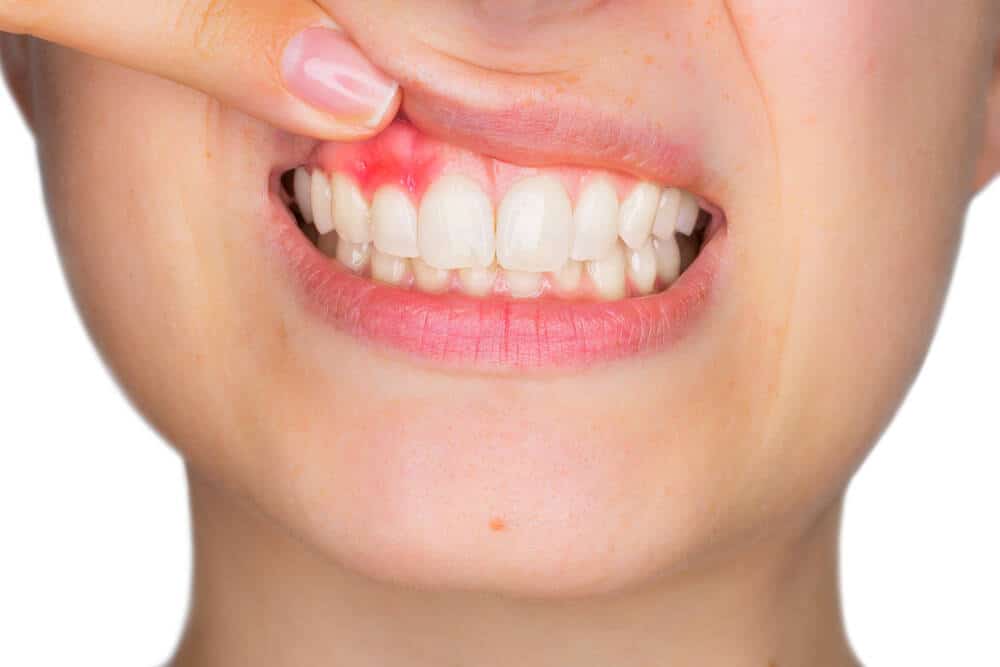
Your oral health is a direct reflection of your overall well-being. It’s all connected. That’s why bleeding gums often aren’t just a sign of a problem in your mouth; they can be an indicator of what’s happening in the rest of your body. Factors like hormonal changes, nutritional deficiencies, chronic stress, and certain medications can all contribute to gum inflammation and bleeding. Taking a holistic view is key to finding a lasting solution. We’ll break down the various bleeding gums causes to help you see the bigger picture, so you can care for your smile as part of a complete approach to your health.
Bleeding gums are a sign of gum disease and can be a serious health concern if ignored and not taken care of properly. The primary cause is plaque build-up, which erodes your teeth’ enamel. When this happens, the gums start to recede from your teeth, and you lose space in between them. This also allows for a more significant plaque accumulation, leading to infection.
Bleeding gums are a common problem among children and adults. If you are experiencing this situation, the soft tissue at the base of your teeth may get irritated. This can cause the tissue to swell, crack or bleed when you eat foods such as ice cream, nuts, or hard candy. Bleeding gums can also develop from long-term brushing with a hard-bristled brush or a hard toothbrush that has worn down. To make sure your dental health stays strong, you’ll need to take a few measures so that you can make healthy improvements and take great care of your dental well-being. Our dentists at DICC help you throughout the treatment process and provide top-notch dental services.
Why You Shouldn’t Ignore Bleeding Gums
A Common but Serious Sign
Seeing a bit of pink in the sink after you brush might seem normal, but it’s your body’s way of sending a signal that something isn’t right. While many people experience it, you shouldn’t write it off as a minor issue. According to the Cleveland Clinic, “Bleeding gums are most often a sign of gum disease, like gingivitis or periodontitis. But they can also point to other health problems.” Think of it as a check-engine light for your oral health. Ignoring it allows a small, manageable problem to potentially grow into something more serious. The best first step is to get a professional opinion to understand the root cause. A professional can help identify what’s going on and create a plan to get your gums healthy again.
Understanding the Stages: Gingivitis vs. Periodontitis
Gum disease typically progresses in stages, starting with gingivitis. As Delta Dental of Washington explains, “Gingivitis is the first stage of gum disease. It happens when plaque builds up along your gum line and isn’t cleaned away. Your gums might be swollen, red, tender, and bleed easily.” The good news is that at this stage, the condition is often reversible with improved oral hygiene and professional cleanings. This is why addressing the first signs is so critical for your long-term dental health.
If left untreated, gingivitis can advance to periodontitis. This is a more serious inflammation and infection of the tissues supporting your teeth, with symptoms like bad breath and loose teeth. Ignoring bleeding gums can lead to severe outcomes, as the disease can “get worse, destroying the tissues and bone that hold your teeth in place.” Catching gum disease early is the best way to prevent this kind of permanent damage and protect your smile for years to come.
What Are the Main Causes of Bleeding Gums?
Periodontitis: Advanced Gum Disease
Periodontitis is a bacterial infection that can lead to gum disease. The infection can be caused by plaque, the film of bacteria that forms on the teeth after eating. If you don’t remove plaque daily using good oral hygiene habits, the bacteria can build up and cause inflammation in your gums. Treating periodontitis involves treating the root of your gum disease and making changes to your lifestyle as well, such as trying to stop smoking if you smoke, cutting down on soda intake, and quitting snacking at night. Bleeding gums are one of the symptoms of periodontitis. Other signs include receding gums and loose teeth. If you notice any of these symptoms, it’s a good idea to visit your dentist right away.
Gingivitis: The Early Warning Sign
Bleeding gums are an early sign of gingivitis or gum disease. Gingivitis affects the soft tissue around your teeth, including the gums and bones that support them. It can also lead to periodontitis, damaging the bone that supports your teeth, potentially leading to tooth loss. The bacteria that cause gum disease can also contribute to heart disease and stroke. Hence treating the condition right away should be your priority when you recognize any symptoms.
Underlying Gum Infections
Gum inflammation can often be traced back to an infection in one of two ways: Poor oral hygiene may allow plaque to accumulate on your teeth and lead to gingivitis (inflammation of the gums), leading to periodontal disease. If left untreated, gum disease may cause tooth loss. It may also be caused by genetic susceptibility, oral piercings, or orthodontic devices such as braces. These factors are beyond your control, but you can take steps to prevent or treat bleeding gums if you have them.
Brushing and Flossing Technique
Sometimes, the very habits meant to protect our teeth can cause issues if not done correctly. While daily brushing and flossing are the cornerstones of good oral hygiene, the right technique is just as important as the routine itself. An overly aggressive approach can irritate the delicate tissue of your gums, leading to redness, sensitivity, and bleeding. It’s a classic case of too much of a good thing. The goal is to be thorough yet gentle, cleaning away plaque without causing harm. Making small adjustments to how you brush and floss can make a significant difference in your gum health, turning a potential problem into a protective practice.
Brushing Too Hard
If you’re using a toothbrush with hard bristles or applying a lot of pressure, you might be scrubbing away more than just plaque. This aggressive brushing can damage your gums and cause them to recede and bleed. Think of it as polishing a delicate surface—firm but gentle pressure is all you need. The American Dental Association recommends using a soft-bristled brush and placing it at a 45-degree angle to the gums. Move the brush back and forth in short, tooth-wide strokes, or use a gentle circular motion. This method effectively cleans your teeth and massages your gums without causing unnecessary irritation.
Improper Flossing
If you’ve just started a flossing routine after a long break, it’s common to see a little bleeding at first. This should stop within a few days as your gums become healthier. However, persistent bleeding might be a sign of improper technique. Snapping the floss down hard between your teeth can cut or bruise your gums. Instead, gently guide the floss between your teeth, curving it into a “C” shape against one tooth. Slide it carefully into the space between the gum and the tooth until you feel resistance. This approach cleans the tight spaces effectively without traumatizing the gum tissue.
Lifestyle Factors
Your daily habits and overall well-being have a direct impact on your oral health. Factors like your diet, stress levels, and whether you use tobacco products can either support healthy gums or contribute to problems like inflammation and bleeding. Your mouth is not isolated from the rest of your body; it’s a reflection of your general health. Making positive lifestyle changes can strengthen your body’s ability to fight off the bacteria that lead to gum disease. A holistic approach to your health, which we champion at Dental & Implant Centers of Colorado, includes understanding how these external factors influence your smile.
Smoking or Vaping
Using tobacco in any form is one of the most significant risk factors for developing gum disease. Smoking and vaping interfere with the normal function of gum tissue cells, making your gums more susceptible to infections. It also restricts blood flow to the gums, which can mask the typical signs of gum disease, like bleeding, while making it harder for your gums to heal. This is why smokers often have more advanced gum disease without realizing it until it’s a serious problem. Quitting is a major step toward improving not just your oral health, but your overall health as well.
Poor Diet and Nutrition
What you eat plays a crucial role in your gum health. A diet high in sugar and starchy, processed foods can feed the bacteria that form plaque, leading to gum irritation and decay. On the other hand, a balanced diet rich in vitamins and minerals supports healthy gum tissue. Vitamin C is essential for collagen production, which helps keep your gums firm, while Vitamin K helps with blood clotting. Including plenty of fruits, vegetables, and lean proteins in your diet gives your gums the nutrients they need to stay strong and resist infection.
Chronic Stress
It might be surprising, but high levels of chronic stress can take a toll on your gums. Stress weakens your immune system, reducing your body’s ability to fight off the bacteria that cause periodontal infections. It can also lead to inflammation throughout the body, including in your gums, making them swollen, tender, and more likely to bleed. Furthermore, people under stress may neglect their oral hygiene routines or grind their teeth, adding to the problem. Finding healthy ways to manage stress is beneficial for both your mind and your smile.
Hormonal Changes
Fluctuations in your body’s hormones can have a noticeable effect on your gums. During certain life stages, such as puberty, menstruation, pregnancy, and menopause, hormonal shifts can increase blood flow to the gum tissue. This can make your gums more sensitive, swollen, and reactive to the plaque and bacteria that are already present in your mouth. While you can’t stop these natural changes, being extra diligent with your oral hygiene during these times can help manage the symptoms and prevent minor irritation from turning into a more significant problem. It’s all about giving your gums a little extra care when they need it most.
Pregnancy and Menstruation
During pregnancy, increased levels of progesterone can lead to a condition commonly known as “pregnancy gingivitis.” Your gums may become red, tender, and more prone to bleeding when you brush or floss. This is a temporary condition that usually subsides after childbirth, but it requires careful management to prevent it from progressing. Similarly, some women notice that their gums become swollen and bleed in the days leading up to their menstrual period. These symptoms typically clear up once the period begins. Maintaining excellent oral hygiene is the best way to keep your gums healthy through these hormonal cycles.
Puberty and Menopause
Puberty is another time when a surge in hormones can cause gums to become red, swollen, and sensitive. For teenagers, this can be compounded by challenges in maintaining consistent oral hygiene, especially with braces. Later in life, menopause brings its own set of changes. Some women may experience dry mouth or changes in gum tissue that can lead to discomfort and bleeding. In all these cases, regular dental check-ups are vital to monitor your gum health and receive professional cleanings and advice tailored to your specific needs.
Certain Medications
The medications you take to manage other health conditions can sometimes have side effects that affect your oral health. Certain drugs, particularly blood thinners like aspirin, can reduce your blood’s ability to clot properly. This means that even minor irritation from brushing or flossing can cause your gums to bleed more than they normally would. Other medications, including some used for blood pressure, oral contraceptives, and antidepressants, can also contribute to gum issues. It’s incredibly important to keep your dentist informed about all the medications you are taking so they can get a complete picture of your health and provide the best care.
Chronic Health Conditions
Your oral health is deeply connected to your overall systemic health. Bleeding gums can sometimes be a sign that something else is going on in your body. Certain chronic conditions can lower your body’s resistance to infection or cause inflammation, making you more vulnerable to gum disease. This is why a comprehensive approach to dentistry involves understanding your full medical history. If your gums are bleeding persistently, it’s a signal to not only check in with your dentist but also to ensure your general health is being properly managed by your physician.
Diabetes
People with diabetes are at a higher risk for developing gum disease, which is often considered a complication of the condition. Uncontrolled blood sugar levels can weaken your body’s defenses, making it harder to fight off the bacteria in your mouth. High blood sugar also promotes the growth of plaque. This creates a difficult cycle, as severe gum disease can, in turn, make it harder to control blood sugar. If you have diabetes, maintaining excellent oral hygiene and getting regular dental cleanings and check-ups is a critical part of managing your overall health.
Blood Disorders and Leukemia
In some cases, bleeding gums that don’t resolve with improved oral hygiene can be an early indicator of a more serious underlying health issue. Certain blood disorders that affect clotting, as well as conditions like leukemia, can manifest with oral symptoms, including gums that bleed easily and frequently. While this is less common, it highlights the importance of having any persistent oral health issues professionally diagnosed. A thorough dental examination can help rule out simple causes or alert you to the need for further medical evaluation.
Autoimmune Diseases
Autoimmune diseases, where the body’s immune system attacks its own tissues, can also affect oral health. Conditions that cause widespread inflammation, such as lupus or Sjögren’s syndrome, can lead to dry mouth and inflamed gum tissue. A dry mouth environment allows plaque and bacteria to thrive, increasing the risk of gingivitis and bleeding gums. Managing the underlying autoimmune condition is key, as is working closely with your dental team to address specific oral symptoms and maintain a healthy mouth.
Dental Hardware and Bite Issues
Sometimes, the cause of bleeding gums is mechanical rather than biological. Anything that puts abnormal pressure on your gums or doesn’t fit properly in your mouth can cause chronic irritation, inflammation, and bleeding. This can include dental appliances like dentures and braces or even the way your own teeth come together. These issues can create localized sore spots that are difficult to keep clean, allowing plaque to accumulate and worsen the problem. A proper fit and correct alignment are essential for the long-term health of both your teeth and gums.
Ill-Fitting Dentures or Appliances
Dentures, partials, or bridges that don’t fit securely can rub against your gums, creating painful sores and causing them to bleed. Over time, your jawbone can change shape, causing once well-fitting appliances to become loose. If you wear any type of dental hardware, it’s important to have it checked regularly to ensure a proper fit. At DICC, we specialize in creating stable, comfortable solutions like dental implants and anchored dentures that are designed to function like natural teeth, eliminating the irritation often caused by ill-fitting traditional appliances.
Misaligned Bite
If your teeth don’t line up correctly when you bite down, it can create excessive force on certain teeth and the surrounding gum tissue. This constant, uneven pressure can lead to gum recession and bleeding in those specific areas. This issue, known as malocclusion, can also make it more difficult to clean certain teeth, increasing the risk of plaque buildup. A dental professional can assess your bite and determine if orthodontic treatment or other adjustments are needed to distribute pressure more evenly and protect your gums from further damage.
Scurvy: A Rare but Real Cause
Bleeding gums are a classic sign of scurvy caused by vitamin C deficiency. Vitamin C acts as an antioxidant and a coagulant in the body, helping wounds heal and blood clot. You are susceptible to bleeding gums, loose teeth, bruising, and more severe bleeding without it. Treatment for scurvy involves replacing the vitamin C lost through diet, and this is done with supplements containing L-ascorbic acid (vitamin C).
Vitamin Deficiencies
Vitamin C Deficiency (Scurvy)
You’ve probably heard of scurvy from old pirate movies, but a lack of vitamin C can still cause problems today. This essential vitamin is a powerhouse for your body, acting as an antioxidant and playing a critical role in healing. It’s vital for producing collagen, the protein that keeps your gums firm and healthy. When your vitamin C levels are too low, your gum tissue weakens and can’t repair itself effectively, making it prone to swelling and bleeding. While full-blown scurvy is rare, even a mild deficiency can impact your oral health. Ensuring you get enough vitamin C from foods like citrus fruits, bell peppers, and broccoli helps support strong, resilient gums.
Vitamin K and D Deficiencies
Vitamins K and D are also key players in maintaining healthy gums. Vitamin K is directly involved in your body’s blood-clotting process. If you’re not getting enough, your blood won’t clot as efficiently, which can turn minor gum irritation from brushing into a noticeable bleeding issue.
Meanwhile, Vitamin D is crucial for a healthy immune system. A deficiency can weaken your body’s ability to fight off the bacteria that cause gum infections like gingivitis, making you more susceptible to inflammation and bleeding. If you’re experiencing persistent bleeding gums, it’s important to consider all possible causes. A comprehensive dental check-up can help determine if the issue is your oral hygiene routine or something more, allowing our team to recommend the right services for your needs.
Your At-Home Plan to Stop Bleeding Gums
Perfect Your Brushing Routine
Both before bedtime and after you wake up, brush your teeth thoroughly. Brush at least twice a day and make sure that you brush all sides of your teeth, including behind them.
Use a Soft-Bristled Toothbrush
It might seem like a stiff-bristled toothbrush would do a better job of scrubbing away plaque, but the opposite is often true. Brushing too hard or using a brush with firm bristles can be abrasive to your delicate gum tissue, causing irritation and bleeding. Think of it like scrubbing a soft surface with steel wool—it does more harm than good. The main reason gums bleed is plaque buildup, and you don’t need aggressive force to remove it effectively. Instead, opt for a soft-bristled toothbrush and use gentle, circular motions. This approach is tough on plaque but easy on your gums. Remember to replace your toothbrush every three to four months, or sooner if the bristles look frayed. A great at-home routine is your first line of defense, but it works best when paired with our comprehensive dental services for a complete approach to your oral health.
Make Flossing a Daily Habit
Flossing is an essential part of the overall oral hygiene process because it will help remove food particles stuck between your teeth. Not flossing can lead to gum disease.
Try a Therapeutic Mouth Rinse
If you’re dealing with irritated gums, adding a therapeutic mouth rinse to your routine can make a real difference. Unlike cosmetic rinses that just freshen your breath, therapeutic versions are designed to actively fight the causes of bleeding gums. They often contain antibacterial agents that help reduce plaque buildup and calm gingivitis. By killing the harmful bacteria that lead to inflammation, these rinses can help your gums heal and become healthier over time. When you’re at the store, look for a mouthwash specifically labeled as ‘therapeutic’ or ‘antigingivitis,’ or ask your dentist for a recommendation during your next visit to ensure you’re choosing the best option for your needs.
How to Stop Bleeding in the Moment
When you notice your gums are bleeding, there are a couple of simple things you can do right away for temporary relief. First, try rinsing your mouth with a warm salt water solution. The salt helps to soothe inflammation and can provide immediate comfort to your irritated gums. If the bleeding is more persistent, you can apply gentle pressure to the area using a clean, damp piece of gauze or a cloth. Just hold it firmly against the spot for a few minutes until the bleeding subsides. Remember, these are just quick fixes. If your gums bleed regularly, it’s a signal that you should schedule a dental check-up to address the underlying cause and get your oral health back on track.
Schedule Regular Dental Visits
Your dentist will be able to give you advice regarding what to do if you’re experiencing bleeding gums, as well as provide other services such as cleaning and examinations. If you have no dentist, you can visit our dental clinics in Cherry Creek, Boulder, and Broomfield, and our dental experts will guide you best on how you can lessen the complications of bleeding gums. We use the latest technology and undergo a thorough examination of your oral cavity to assess your condition and determine what’s causing the bleeding gums.
Monitor Your Gum Health
Bleeding gums can be an early sign of more severe health issues such as significant gum disease, lack of blood clotting factors, or periodontitis. By paying close attention to abnormal signs, you will be able to visit your dentist at the earliest to prevent the development of a severe dental condition.
How Our Dental Experts Can Help
Our dental experts help prevent your gums from bleeding by ensuring you receive the best dental care at your earliest. Whenever you recognize any abnormal signs and bleeding, we suggest you visit our dental clinics at DICC. Our dental surgeons will assess your condition and determine what’s causing the bleeding gums. The first step in stopping the bleeding is scheduling a consultation at Dental and Implant Centres of Colorado. During the consultation, our dentists will examine your teeth and gums and use their expertise to determine the cause of your bleeding gums. Then, our dental surgeons will develop a treatment plan designed to stop the bleeding and reverse gum disease if necessary. If you’re concerned about causing your bleeding gums, please contact us today to schedule an appointment with us.
What to Expect at Your Dental Visit
Walking into a dental office with bleeding gums can feel a little nerve-wracking, but knowing what to expect can make all the difference. The goal of your visit is simple: to figure out exactly why your gums are bleeding and create a clear plan to get them healthy again. Your dentist will start with a conversation and a gentle examination to get a full picture of your oral health. This isn’t just about looking at your teeth; it’s about understanding the complete system, from your gums and bone structure to your daily habits. Think of it as the first, most important step toward putting a stop to the bleeding and protecting your smile for the long haul.
Comprehensive Examination and Diagnosis
During your appointment, your dentist will conduct a thorough examination to pinpoint the cause of the bleeding. This usually involves looking for signs of plaque and tartar buildup and talking with you about your specific symptoms. A key part of this process is gently measuring the small spaces between your teeth and gums, known as periodontal pockets. This measurement helps determine if there has been any bone loss, a common issue with gum disease. To get an even clearer view, your dentist will likely take X-rays to assess the health of the bone beneath your gum line. This detailed approach ensures we have all the information needed to create an effective treatment plan for you.
Review of Medical History
Your oral health is directly connected to your overall health, which is why we’ll take some time to review your medical history. Certain health conditions, medications, and even lifestyle factors can contribute to gum problems. If your gums have been bleeding for more than a couple of weeks, it’s important information to share. Being open about your health history helps our dental team understand the full context of your symptoms. At Dental & Implant Centers of Colorado, our expert team takes a holistic approach, ensuring we consider every factor that could be affecting your gums so we can provide the most comprehensive and personalized care possible.
Professional Treatments for Gum Disease
Once your dentist has a clear diagnosis, you can discuss the best course of action. The right treatment depends entirely on the severity of your gum disease. For early stages, the solution might be as simple as a professional cleaning and refining your at-home care routine. For more advanced conditions, there are specific procedures designed to halt the disease’s progression and restore your gum health. The good news is that there are effective solutions available, and your dental team will guide you toward the one that fits your unique situation, helping you get your gums back on track.
Scaling and Root Planing
If you have a more persistent buildup of plaque and tartar, your dentist might recommend a procedure called scaling and root planing. You can think of this as a deep cleaning for your teeth and gums. The process involves carefully removing all the plaque and tartar from above and below the gum line (scaling). Afterward, the roots of your teeth are smoothed out (planing). This step is crucial because it helps your gums reattach to your teeth more securely and makes it harder for plaque to accumulate in the future. It’s a foundational treatment for mild to moderate gum disease and is highly effective at stopping it from progressing.
Pocket Reduction Surgery
For more advanced cases of gum disease where the pockets around your teeth have become too deep to clean with standard methods, pocket reduction surgery may be necessary. During this procedure, a gum specialist, or periodontist, will gently fold back the gum tissue to remove the disease-causing bacteria and tartar buildup from the deep pockets. After the area is thoroughly cleaned, the gum tissue is secured back into place. This not only cleans the infected area but also reduces the pocket depth, making it easier for you to keep your teeth and gums clean at home moving forward.
Bone and Gum Grafts
When gum disease has progressed to the point of causing significant damage, you may experience loss of bone or gum tissue. Fortunately, there are restorative procedures to address this. A bone graft involves placing special material in the area of bone loss to help your body regenerate its own bone, which is essential for supporting your teeth and future dental implants. Similarly, a gum graft can restore receded gum lines by taking a small piece of tissue from another part of your mouth and attaching it where the gums have pulled away. These treatments not only improve the health of your mouth but also protect your teeth from further damage.
Frequently Asked Questions
Is it normal for my gums to bleed a little when I first start flossing?
It’s very common to see a bit of bleeding when you begin a consistent flossing routine after a break. This is usually a sign of existing inflammation caused by plaque buildup between your teeth. With gentle and regular flossing, the bleeding should stop within a week or so as your gums get healthier. If the bleeding continues past that point, it’s your body’s signal that there might be a deeper issue, and it’s a good time to schedule a professional check-up.
My gums bleed, but they don’t hurt. Should I still be concerned?
Yes, you should still see it as an important sign. Pain isn’t always present in the early stages of gum disease. Think of bleeding gums as a quiet alarm bell from your body, indicating that there’s inflammation along your gumline. Addressing it now, while it’s painless, is the best way to prevent the problem from progressing into a more serious and potentially uncomfortable condition down the road.
Can I stop my gums from bleeding just by improving my brushing and flossing?
Improving your at-home care is a crucial first step and can often reverse the earliest stage of gum disease, called gingivitis. However, if plaque has already hardened into tartar, no amount of brushing or flossing at home can remove it. A professional cleaning is necessary to get rid of that buildup. A dental visit is the only way to know for sure what’s causing the bleeding and to get the right treatment to stop it for good.
How are bleeding gums really connected to my overall health?
Your oral health is a direct reflection of your systemic health. Things like chronic stress, hormonal changes during pregnancy, and certain vitamin deficiencies can all make your gums more susceptible to inflammation and bleeding. Furthermore, persistent gum disease can be linked to other health conditions like diabetes and heart disease. This is why we look at the complete picture, not just your mouth, to find a lasting solution.
What can I expect a dentist to do for my bleeding gums?
During your visit, the first thing we’ll do is have a conversation and perform a gentle, comprehensive exam to find the root cause of the bleeding. This involves checking for inflammation and measuring the small pockets between your teeth and gums to assess their health. Based on what we find, we’ll create a personalized plan for you, which might involve a professional cleaning, a deep cleaning procedure called scaling and root planing, or other recommendations to get your gums healthy again.
Key Takeaways
- Don’t Ignore the Pink in the Sink: Bleeding gums are a clear signal from your body that something is off. Addressing this early is the key to preventing minor issues like gingivitis from becoming more serious problems down the road.
- Your Gums Reflect Your Overall Health: The cause of bleeding isn’t always just plaque. Factors like your diet, stress levels, hormonal shifts, and underlying health conditions can all play a significant role in your gum health.
- Pair Good Habits with Professional Care: While improving your at-home brushing and flossing is crucial, it’s only half the solution. A professional dental exam is necessary to get an accurate diagnosis and a personalized treatment plan to stop the bleeding for good.
