




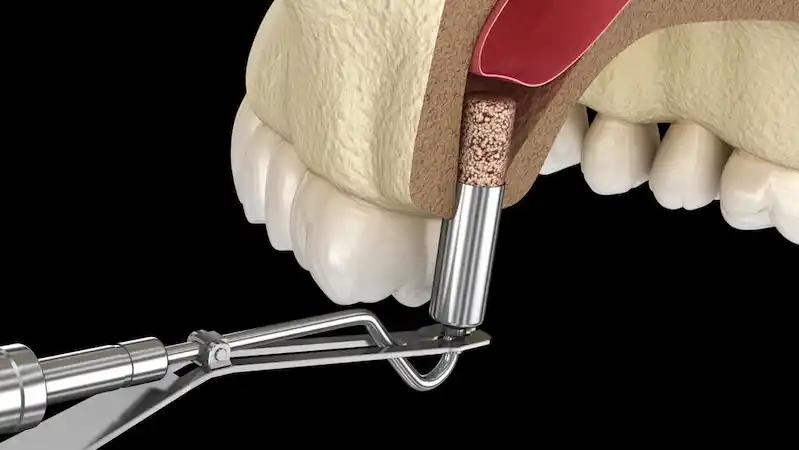
When you lose a tooth, the jawbone that once supported it begins to shrink. This process happens even faster in the upper jaw, where the bone is naturally thinner to begin with. Add the proximity of the sinus cavity, and it’s easy to see why placing dental implants upper jaw requires a special level of expertise. Many patients come to us concerned that too much time has passed or that their bone loss is too severe for a successful implant. We’re here to show you that there is almost always a solution. Here, we’ll explore the specific challenges of this area and detail the advanced techniques that allow us to rebuild the foundation for a lasting, beautiful smile.
Dental implants have become a popular and highly effective solution for replacing missing teeth. However, when it comes to the upper jaw, there can be unique challenges due to the proximity of the sinus cavity. In cases where there is insufficient bone height in the upper jaw, implant placement may require an additional procedure called a sinus lift surgery. In this comprehensive article, we will explore the relationship between dental implants and sinus lift surgery, understanding the need for this procedure, the process involved, and the benefits it offers for successful implant placement in the upper jaw.
-
The Importance of Sufficient Bone for Dental Implant Success
Before discussing sinus lift surgery, it is essential to understand why adequate bone volume is crucial for the success of dental implants. Dental implants require a solid foundation for osseointegration, the process in which the implant fuses with the surrounding bone. Insufficient bone height in the upper jaw can pose challenges for proper implant placement and integration, increasing the risk of implant failure. In such cases, a sinus lift surgery becomes a viable solution.
-
Understanding Sinus Lift Surgery
A sinus lift surgery, also known as a sinus augmentation, is a procedure that adds bone to the upper jaw in the area of the premolars and molars. This surgery aims to increase the height and volume of the available bone, creating a stable environment for successful implant placement. The procedure involves accessing the sinus cavity above the upper jaw and carefully lifting the sinus membrane to make space for the bone grafting material.
-
The Need for Sinus Lift Surgery
Sinus lift surgery becomes necessary in situations where the natural bone height in the upper jaw is insufficient to accommodate dental implants. Several factors can contribute to this, including:
Understanding the Unique Challenges of the Upper Jaw
Why the Upper Jaw Bone is Different
When it comes to dental implants, not all bone is created equal. Think of your jawbones like different types of terrain for building a house. The lower jaw is typically dense and strong, like building on solid bedrock. The upper jaw, however, is naturally less dense and softer, more like building on sandy soil. This difference in bone density means that placing an implant in the upper jaw requires a more delicate and strategic approach. Because the bone is softer, careful planning is essential to ensure the implant has a stable foundation to integrate with successfully. This is why working with a team that has extensive experience in upper jaw restorations is so important for a predictable, long-lasting outcome.
The Impact of Tooth Loss on Bone Structure
Your jawbone maintains its strength and volume through the stimulation it receives from your teeth during chewing. When a tooth is lost, that stimulation disappears, and the body begins to resorb the bone in that area. This process happens faster than you might think; the jawbone can lose up to 25% of its size in just the first year after a tooth is gone. This bone loss not only changes the shape of your face over time but also creates a major hurdle for future dental implants. Without enough bone to serve as an anchor, an implant cannot be placed securely. This is a primary reason why a sinus lift is often necessary—to rebuild that lost bone and create a solid foundation for your new tooth.
How Implants Solve Problems with Traditional Dentures
For those who have lost all their upper teeth, traditional full dentures often come with a list of complaints. They can feel bulky, slip when you’re talking or eating, and cover the roof of your mouth, which can dull your sense of taste. Dental implants offer a transformative alternative. Instead of resting on your gums, implant-supported teeth are anchored directly to your jawbone, functioning almost exactly like your natural teeth. This means you can eat the foods you love, speak with confidence, and smile without worry. The results are more than just cosmetic; they restore function and quality of life, as you can see in the incredible transformations of our patients in our before and after gallery.
How Tooth Loss Affects Your Jawbone
When teeth are lost in the upper jaw, the bone that once supported them can gradually diminish in height and width. This resorption process can result in inadequate bone volume for implant placement.
Your Natural Anatomy and Sinus Position
The sinus cavity in the upper jaw can naturally be positioned closer to the jawbone, leaving limited space for implant placement. In such cases, a sinus lift surgery is needed to create a more favorable environment for successful implant integration.
-
The Sinus Lift Surgery Procedure
The sinus lift surgery is typically performed by an experienced oral surgeon or a periodontist. Here are the general steps involved in the procedure:
Step 1: Your Initial Consultation and Plan
Your dentist will conduct a thorough examination, including X-rays or 3D imaging, to assess the bone height and determine if a sinus lift is necessary. A customized treatment plan will be created based on your specific needs.
Step 2: Preparing for the Procedure
The surgery is performed under local anesthesia, ensuring your comfort throughout the procedure. An incision is made in the gum tissue to expose the underlying bone.
Step 3: The Sinus Lift and Bone Graft
A small window is created in the bone to access the sinus cavity. The sinus membrane is gently lifted, and the space beneath it is filled with bone grafting material. This material can be obtained from your own body (autogenous graft), a donor source (allograft), or synthetic substitutes.
Step 4: Healing Before Your Implant Placement
Once the bone graft is in place, the incision is sutured, and the healing process begins. Over time, the graft will integrate with the existing bone, creating a stable foundation for implant placement. 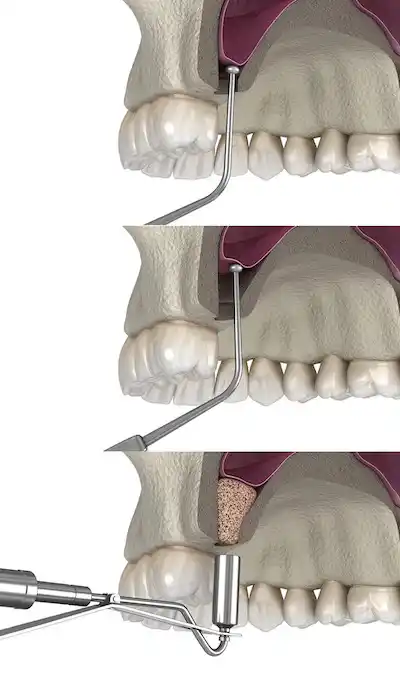
-
Healing and Implant Placement
After the sinus lift surgery, a healing period of several months is usually necessary to allow the bone graft to fully integrate and create a solid base. Your dentist will closely monitor the healing progress during follow-up appointments. Once the bone has healed, dental implants can be placed in the augmented area, providing a secure and long-lasting solution for missing teeth in the upper jaw. 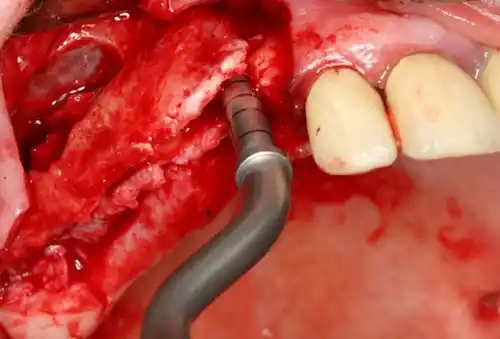
-
Benefits of Sinus Lift Surgery
Sinus lift surgery offers several benefits for implant placement in the upper jaw:
The Dental Implant Process: A General Overview
Thinking about dental implants can feel like a big step, but understanding the process can make it much less intimidating. The journey to a restored smile is a multi-stage process designed to be safe, effective, and long-lasting. It all starts with determining if you’re the right fit and creating a personalized plan. From the initial consultation to the final placement of your new tooth, each step is carefully managed by a dental professional to ensure the best possible outcome. The goal is to create a replacement tooth that not only looks natural but also functions just like the real thing, giving you back your confidence and ability to eat and speak with ease.
Who is a Good Candidate for Dental Implants?
The most important factor for a successful dental implant is having enough healthy jawbone. As the experts here at Dental & Implant Centers of Colorado explain, “Dental implants require a solid foundation for osseointegration, the process in which the implant fuses with the surrounding bone.” This fusion is what makes the implant so strong and stable. Ideal candidates are generally in good overall health with healthy gums, free from periodontal disease. If you’ve experienced bone loss, don’t worry—that doesn’t automatically rule you out. Procedures like bone grafting can often rebuild the necessary foundation, making you eligible for a successful dental implant procedure.
What to Expect During the Implant Process
Your implant journey begins with a detailed consultation. Your dentist will perform a thorough examination, which includes X-rays or 3D imaging, to get a clear picture of your jawbone’s health and structure. Once a plan is in place, the next step is a minor surgical procedure to place the titanium implant post into your jawbone. After this, a healing period of a few months allows for osseointegration to occur, where the bone fuses securely to the implant. Finally, an abutment is attached to the post, and your custom-made crown is placed on top, perfectly matching your other teeth for a seamless, natural look.
Success Rates and Potential Complications
Dental implants have an incredibly high success rate, often above 95%, making them one of the most reliable solutions for tooth replacement. However, like any procedure, there are potential risks. Complications are rare but can include infection at the implant site or implant failure, especially if there isn’t enough bone to support it. This is why having sufficient bone is so critical. “Insufficient bone height in the upper jaw can pose challenges for proper implant placement and integration, increasing the risk of implant failure.” Choosing an experienced dental team and following all post-operative care instructions are the best ways to ensure a smooth healing process and a successful, long-lasting result.
Treatment Options for a Full Upper Arch
Losing an entire arch of upper teeth presents unique challenges, but modern dentistry offers incredible solutions that go far beyond traditional, often uncomfortable, dentures. Full arch restorations with dental implants provide a stable, permanent, and beautiful new set of teeth. This approach involves strategically placing several implants into the upper jaw to act as strong anchors for a full bridge or denture. The result is a complete smile that won’t slip or click, allowing you to eat your favorite foods and smile with total confidence. It’s a transformative solution that restores both function and appearance for the long term.
How Many Implants Are Needed?
A common question is just how many implants are needed to support a full upper arch. The answer depends largely on the density and quality of your jawbone. According to dental experts, “For most patients who have good jawbone, dentists typically use four implants to support upper dentures.” This is often referred to as the All-on-4® treatment concept. However, the upper jawbone is naturally less dense than the lower jaw. Because of this, “if a patient’s upper jawbone is not very dense, the dentist might need to use five or six implants” to ensure the restoration has enough strength and stability for daily function.
Fixed vs. Removable Restorations
When restoring a full arch, you generally have two options: fixed or removable. A fixed restoration, often called an implant-supported bridge, is permanently secured to the implants and can only be removed by your dentist. It feels and functions most like natural teeth. A removable restoration, or an implant-supported overdenture, snaps securely onto the implants but can be taken out at home for cleaning. This option is often more affordable and easier to maintain for some patients. Both provide a massive improvement in stability and comfort compared to traditional dentures, and your dentist can help you decide which of our dental services is the right fit for your lifestyle.
Solutions for Significant Bone Loss
One of the biggest concerns for potential implant patients is whether they have enough jawbone to support an implant, especially after years of missing teeth. Significant bone loss can feel like a major roadblock, but it’s a common challenge that dental specialists are well-equipped to handle. Advanced techniques have been developed specifically to address this issue, creating new possibilities for patients who were previously told they weren’t candidates for implants. These procedures focus on rebuilding the jaw’s foundation or utilizing existing bone in innovative ways, opening the door to a fully restored smile for almost everyone.
Advanced Bone Grafting Techniques
When the upper jaw lacks the necessary height for implants, a sinus lift is the go-to solution. A “sinus lift surgery, also known as a sinus augmentation, is a procedure that adds bone to the upper jaw in the area of the premolars and molars.” This procedure carefully raises the sinus floor to create space for new bone material. This graft integrates with your natural bone over several months, effectively increasing the bone volume and creating a solid, stable base for future dental implants. It’s a predictable and highly successful procedure that has made implants possible for countless patients. You can see the amazing transformations in our before and after gallery.
Zygomatic Implants: An Alternative to Grafts
For cases of severe bone loss in the upper jaw, there is an innovative alternative that can bypass the need for bone grafting altogether: zygomatic implants. These are a special type of implant that are much longer than traditional ones. Instead of anchoring in the jawbone, they anchor into the dense, stable cheekbone (the zygoma). According to the American Academy of Implant Dentistry, “Zygomatic dental implants are a special type of dental implant for people who have lost a lot of bone in their upper jaw.” This advanced technique provides a secure foundation for a full arch of teeth and can often shorten the overall treatment time since it eliminates the healing period required for a bone graft.
Creates a Strong Foundation for Implants
By adding bone grafting material, the sinus lift procedure enhances bone height and volume, providing sufficient support for dental implants.
Helps Your Dental Implant Fuse Securely
The additional bone promotes osseointegration, allowing the implants to fuse with the surrounding bone more effectively.
Restores Your Natural Smile and Bite
Dental implants placed in the upper jaw following a sinus lift surgery can restore natural tooth appearance and functionality, allowing you to chew, speak, and smile with confidence.
Lets You Eat and Smile with Confidence Again
Dental implants offer long-term benefits, improving oral health, overall well-being, and self-esteem. Sinus lift surgery enables successful implant placement in the upper jaw, ensuring you can enjoy these benefits to the fullest extent.
Risks and Long-Term Care for Upper Jaw Implants
Deciding to get dental implants is a big step toward restoring your smile, and it’s natural to have questions about the process. While dental implant surgery is a highly successful and routine procedure, it’s still a surgery. Understanding the potential risks and knowing how to care for your new teeth are key to a smooth journey and a lasting result. The good news is that with a skilled team and proper aftercare, complications are rare and typically easy to manage. Your long-term success really comes down to teamwork between you and your dental provider, ensuring your investment in your smile pays off for decades to come.
Potential Risks of the Procedure
Like any surgical procedure, placing dental implants comes with a few potential risks. These are generally minor and treatable, but it’s important to be aware of them. The most common risks include infection at the implant site, minor damage to nearby teeth or blood vessels, or nerve damage that could cause temporary tingling or numbness. When working with the upper jaw, there’s also a specific consideration involving your sinuses. If an implant extends too far, it can protrude into the sinus cavity. Choosing an experienced surgeon who uses precise imaging and planning drastically reduces these risks, ensuring your procedure is as safe and predictable as possible.
Ensuring the Longevity of Your Implants
Think of your dental implants as a lifelong investment in your health and confidence. To protect that investment, consistent care is essential. The best way to ensure your implants last is to treat them like natural teeth. This means maintaining excellent oral hygiene with daily brushing and flossing to keep your gums healthy. It’s also crucial to attend regular dental checkups and cleanings. Your dentist can monitor the implants and surrounding tissues to catch any potential issues early. Finally, try to avoid habits that can damage your implants, such as chewing on ice, hard candy, or using your teeth to open packages.
Factors Influencing the Cost of Upper Jaw Implants
One of the first questions most people have about dental implants is, “How much will it cost?” The answer isn’t a simple number, as the total investment depends entirely on your unique situation. The final cost is a combination of several factors, from the number of teeth being replaced to the complexity of your procedure. Understanding these variables can help you see the full picture of what your treatment involves. We believe in transparency, which is why we work with you to explore all financing and insurance options to make your new smile an achievable goal.
Number and Type of Implants
The most direct factor influencing cost is the scope of your restoration. Replacing a single missing tooth with one implant will naturally cost less than a full-arch restoration. For patients needing to replace all their upper teeth, a common solution involves using four to six dental implants to support a full denture. The exact number depends on the density of your jawbone; a softer bone may require more implants to provide adequate stability. Your treatment plan will be tailored to provide the strongest, most reliable foundation for your specific needs.
Additional Procedures Required
Many patients require preparatory work to ensure the jaw is ready for implants, which can affect the overall cost. If you’ve experienced bone loss, a bone graft may be necessary to create a solid and sufficient base for the implant to integrate with. As this article discusses, a sinus lift is often required for the upper jaw to add bone height and create space between the jaw and the sinus cavity. These additional procedures are vital for the long-term success of your implants and are factored into your personalized treatment plan from the start.
The Expertise of Your Dental Team
The skill and experience of your dental surgeon are critical components of your treatment’s success and overall value. While it might be tempting to look for the lowest price, implant dentistry is a highly specialized field. An expert surgeon with advanced training and a history of successful outcomes can minimize risks and ensure a more predictable, lasting result. Investing in a highly qualified team means you’re paying for expertise, precision, and peace of mind. You can feel confident when you meet the team and know you are in capable hands.
Is a Sinus Lift Right for Your Upper Jaw Implant?
When it comes to dental implants in the upper jaw, sinus lift surgery plays a crucial role in providing a solid foundation for successful implant placement. By addressing inadequate bone height and volume, sinus lift surgery enhances the chances of long-term implant success and restores the aesthetics and functionality of missing teeth. If you are considering dental implants in the upper jaw and have concerns about bone volume, consult with a qualified implant dentist who can assess your specific needs and determine if a sinus lift surgery is necessary. With advancements in modern dentistry, the combination of dental implants and sinus lift surgery can help you achieve a confident smile and enjoy the numerous benefits of a complete and functional set of teeth.
Frequently Asked Questions
Is a sinus lift a painful procedure? This is one of the most common questions we hear, and it’s completely understandable to be concerned about comfort. The procedure itself is performed under local anesthesia, so you won’t feel any pain during the surgery. Afterward, it’s normal to experience some swelling and mild discomfort, similar to other dental surgeries. Most patients manage this easily with over-the-counter pain relievers and find that the discomfort subsides within a few days. We’ll provide you with detailed aftercare instructions to ensure your recovery is as smooth and comfortable as possible.
How long does the entire process take, from the sinus lift to getting my final tooth? Patience is definitely key when building a strong foundation for a lifelong smile. After the sinus lift procedure, your jaw needs time to heal and for the new bone to integrate. This healing period typically takes several months. Once your dentist confirms the bone is solid and ready, the implant can be placed. Following implant placement, another healing phase is needed for the implant to fuse with the bone before the final crown is attached. The total timeline varies for each person, but we will map out a clear schedule for you during your consultation.
What if I’ve had missing teeth for many years? Is it too late for an implant? It’s almost never too late to restore your smile. Many of our patients have been missing teeth for years, which is precisely why they’ve experienced the bone loss that makes a sinus lift necessary. The entire purpose of procedures like bone grafting and sinus lifts is to rebuild the foundation that has been lost over time. So, even if years have passed, these advanced techniques can create the stable base needed for a successful and long-lasting dental implant.
Why is a sinus lift necessary? Can’t you just use a shorter implant? While shorter implants exist, they aren’t always the right solution for ensuring long-term stability, especially in the softer bone of the upper jaw. Think of it like hanging a heavy picture on a wall—you need to find a sturdy stud, not just a thin layer of drywall. A sinus lift allows us to increase the bone’s height and density, creating a solid structure for a standard-sized implant to fully integrate with. This provides the strength needed to withstand daily chewing forces for years to come, ensuring the success and longevity of your investment.
Will I have to go without teeth while the bone graft is healing? We understand that you don’t want to walk around with a gap in your smile while you heal. Depending on your specific situation, we can often create a temporary restoration for you to wear during the healing period. This could be a temporary bridge or a removable partial denture. Our goal is to make sure you feel confident and comfortable throughout every stage of the process, from your first visit to the day you receive your beautiful, permanent new tooth.
Key Takeaways
- Your Upper Jaw Has Unique Needs: The bone in your upper jaw is naturally softer and closer to your sinuses, which is why a specialized plan from an experienced team is essential for ensuring your dental implants are stable and successful.
- A Sinus Lift Can Rebuild Your Foundation: If you’ve experienced bone loss, a sinus lift is a common and highly effective procedure that adds bone volume, creating the strong, solid base required for secure implant placement.
- Significant Bone Loss Doesn’t Rule You Out: Even if you’ve been missing teeth for years, advanced solutions like bone grafting and zygomatic implants make a fully restored, permanent smile a realistic option for almost everyone.
